
The trip took place from 11 to 18 August 2026. Most of the photographs are new and were taken during the trip. The original text remains unchanged.
Experience a total solar eclipse, medieval charm, natural beauty, art, culture and historical treasures
A total solar eclipse visible in Northern Spain on 12 August 2026 marks a spectacular beginning to an extraordinary cultural journey, transporting you back to the Middle Ages and the ancient Kingdom of Aragón.
The Kingdom of Aragón played a decisive role in Spanish history, particularly from the medieval period until the early modern era (from 1036 to 1516 AD). It was renowned for its strong political influence, rich culture, and impact on trade and architecture. Aragón also contributed to the development of the judicial system and was central to the unification of Spain, laying the foundations for the country's future greatness.
After the eclipse, days of exploration await: visiting beautiful medieval towns, embarking on a jeep safari through the dramatic Pyrenean mountains, dropping by a goat farm, and sampling wines at a local vineyard. We will discover architectural gems, artistic treasures and hear about significant historical events.
The journey itself begins in the regional capital, Zaragoza. The city as we know it today was founded by the Romans. Its famous cathedral is recognised as the first church dedicated to Virgin Mary in history. We will also become acquainted with the artist Goya and the 'urban art' phenomenon Asalto, which has put the city on the world map.
Atle Skilbrei - photographer of all new pictures
Introduction
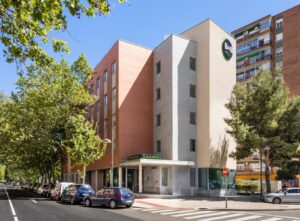
- Day 1: We arrive at the hotel in Zaragoza and celebrate the occasion with a welcome dinner at a restaurant near the hotel.
- Day 2: Preparations and transport to our observation point well in advance of the solar eclipse, which takes place from 19:00 to 21:30. Lunch at a restaurant in Zaragoza before departure. We receive a simple packed meal to take to the observation site.
- Day 3: We are in the historic centre of Zaragoza. We explore Plaza del Pilar, visit La Basilica de Nuestra Señora del Pilar and the Goya Museum. After lunch, we set off on a walking tour to take a closer look at the phenomenon of street art and the beautification of urban spaces. We round off the evening with a delicious meal out on the town.
- Day 4: After breakfast, we visit Palacio de la Aljafería – formerly a Moorish castle, now the seat of the Regional Assembly of Aragón. We then leave the hotel and head towards Aínsa. We stop in the beautiful village of Riglos de Mallos for lunch. Later, we visit Castillo de Loarre – a fortress of great historical significance from the early Middle Ages. Upon arrival in Aínsa, we check in at the hotel and enjoy dinner together.
- Day 5: We start the day with a visit to Monasterio San Juan de la Peña – the birthplace and former religious centre of the Kingdom of Aragón. On arriving in Jaca, we have lunch. This is followed by a guided tour of Jaca, which boasts an impressive collection of mediaeval art. We also visit Canfranc Station, before returning to the hotel in Aínsa for dinner together.
- Day 6: We visit the charming village of Broto where we have lunch. Next, we head to the goat farm La Cañabla to sample locally produced goat cheese. In the afternoon, we go on an off-road jeep excursion to Ordesa National Park before returning to the hotel for dinner together.
- Day 7: We are introduced to the mediaeval towns of Aínsa and Alquezar as well as a vineyard. Wine tasting and lunch are included in the programme.
- Day 8: Returning home via Barcelona.
Eight days and seven nights
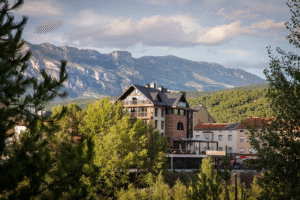
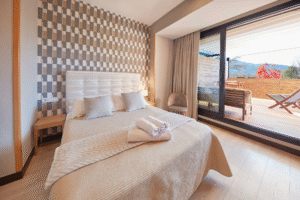
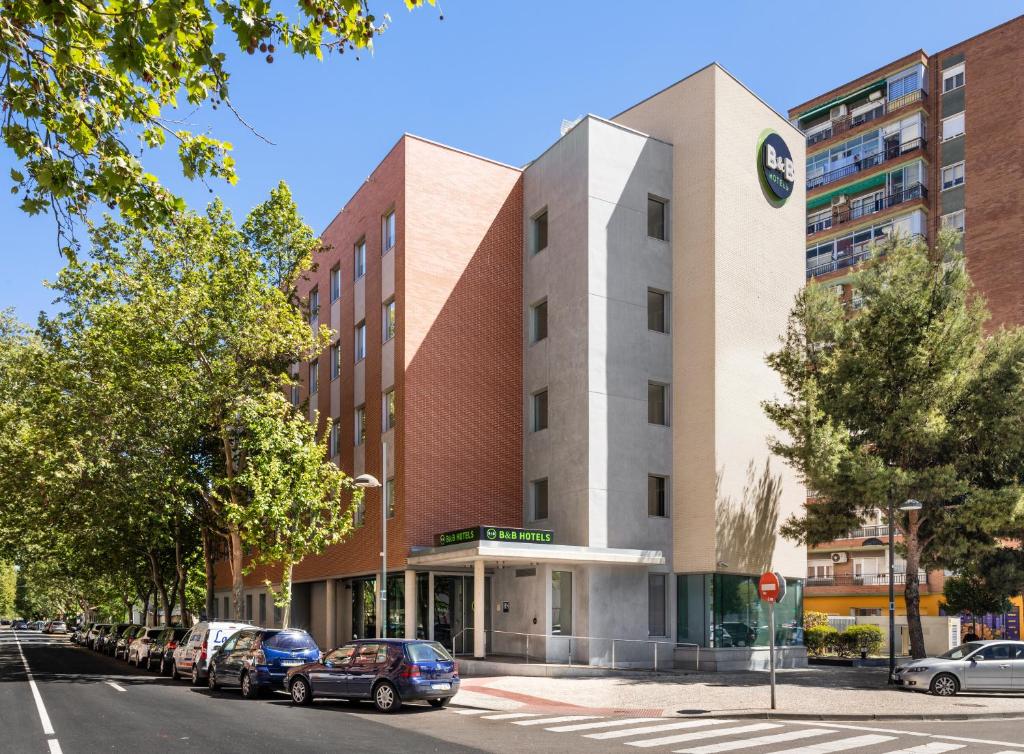
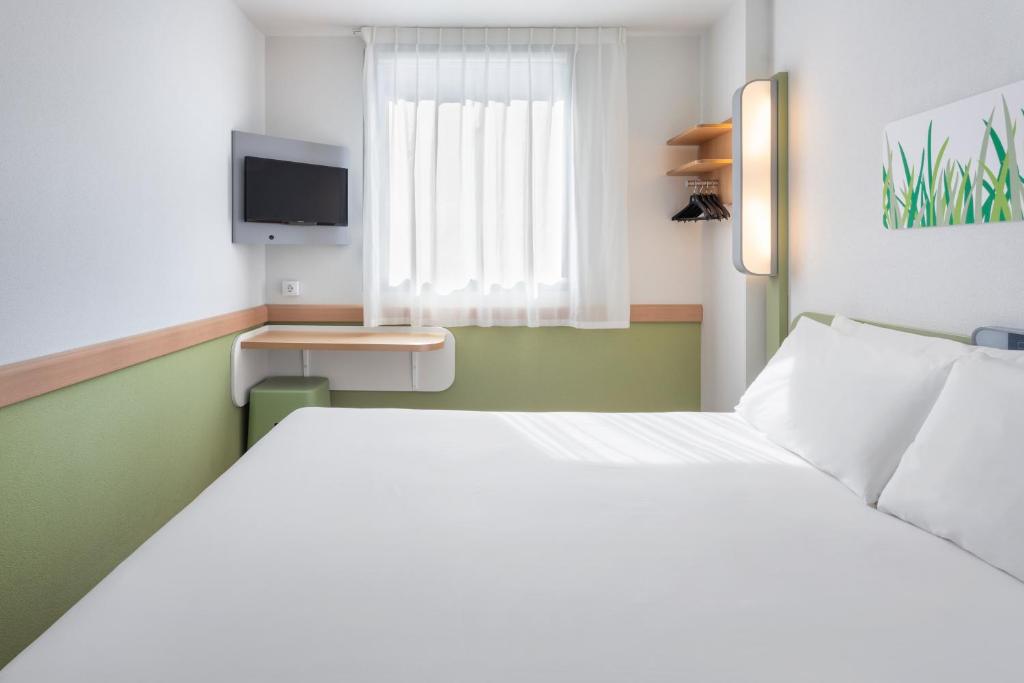
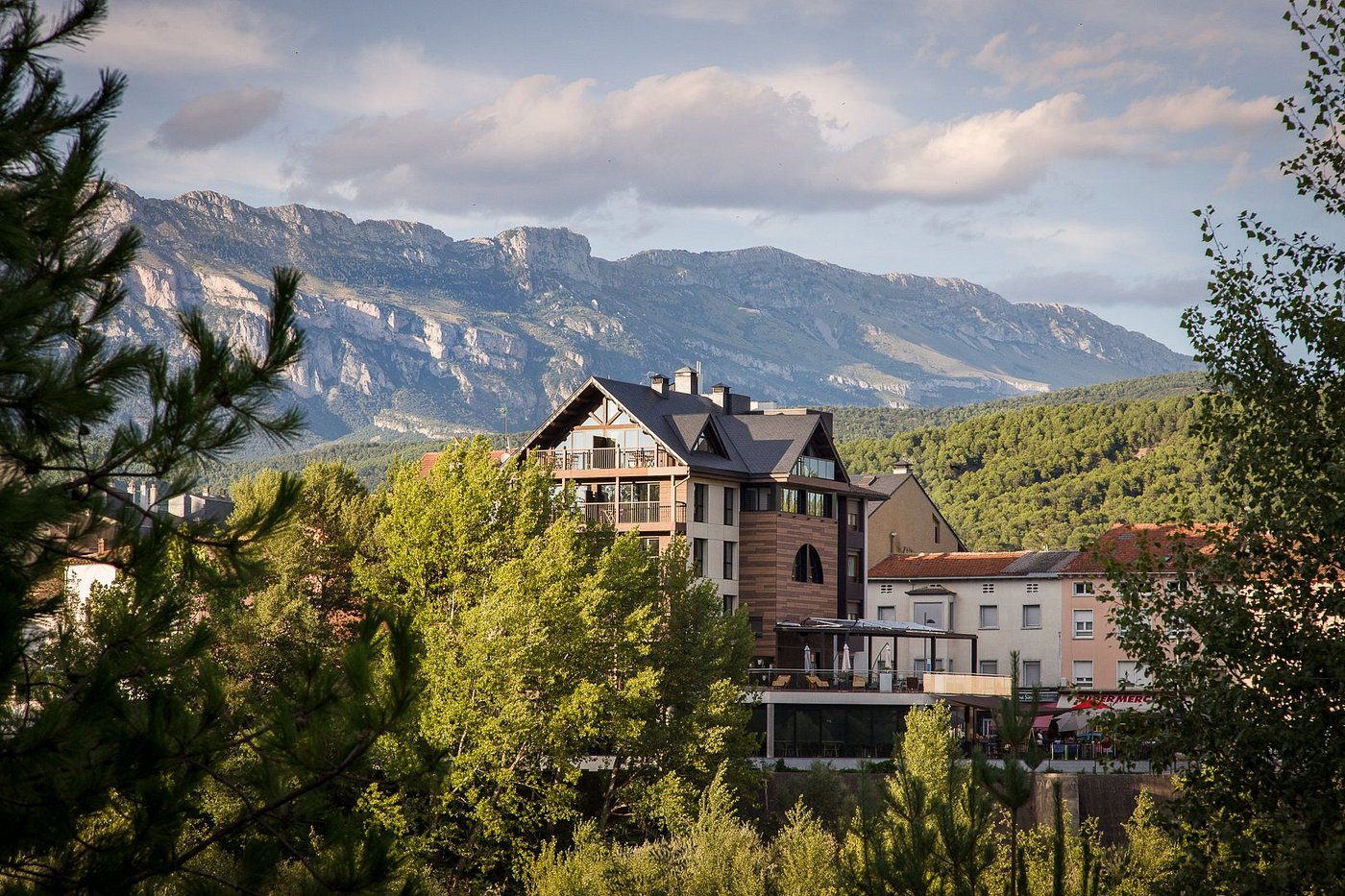
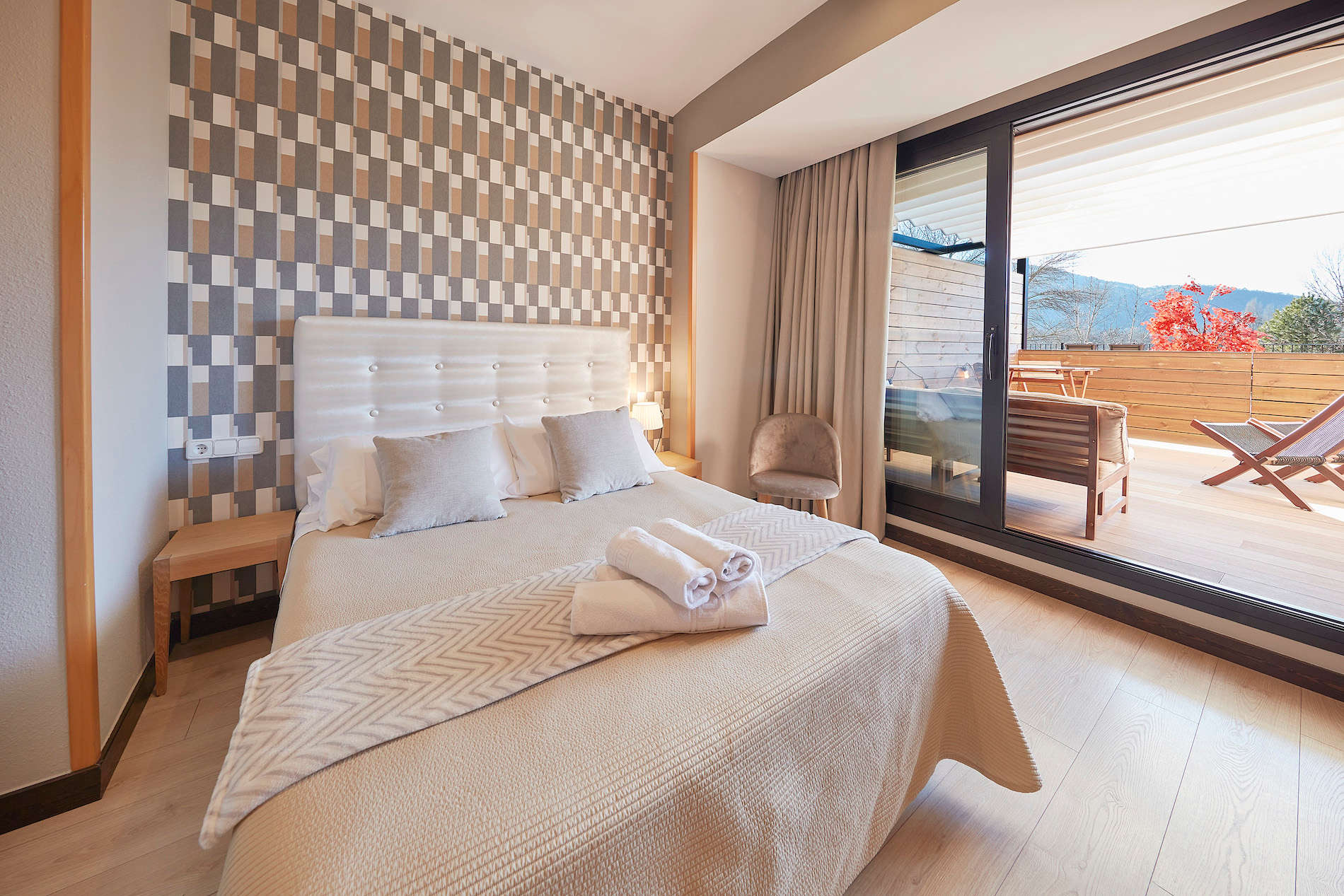
We will be picked up and dropped off at Barcelona–El Prat Airport. The three first nights will be spent at a central hotel in Zaragoza, before travelling north to Aínsa for four nights.
The hotel in Zaragoza is within reasonable travel distance to the observation point for the solar eclipse.



Total Solar Eclipse in Northern Spain
On 12th August 2026, Spain will experience a total solar eclipse for the first time since 1905. The eclipse will start in northern Russia, cross the North Pole, and reach the northern coast of Spain, offering some of the best observation opportunities in the world. The total solar eclipse will last up to 1 minute and 50 seconds in its entirety.
The eclipse will reach its peak in northern Spain at around 20:30, half an hour to an hour before sunset.
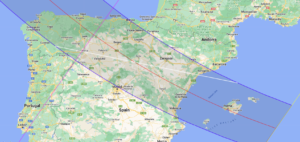
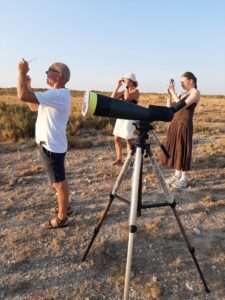
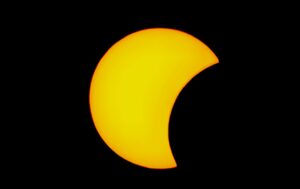
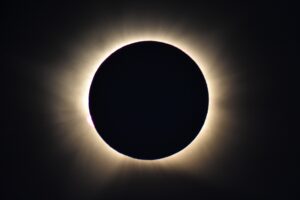

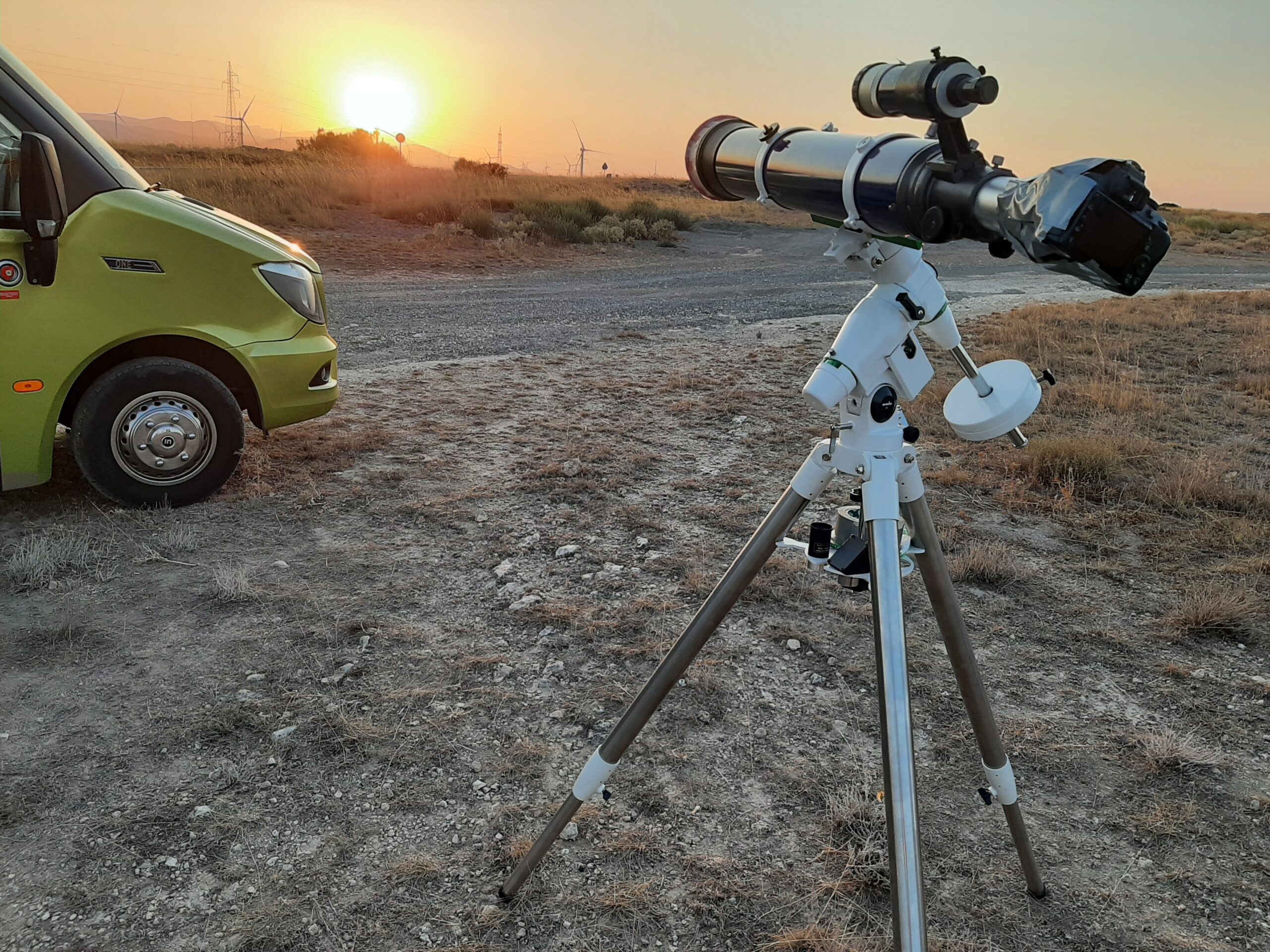
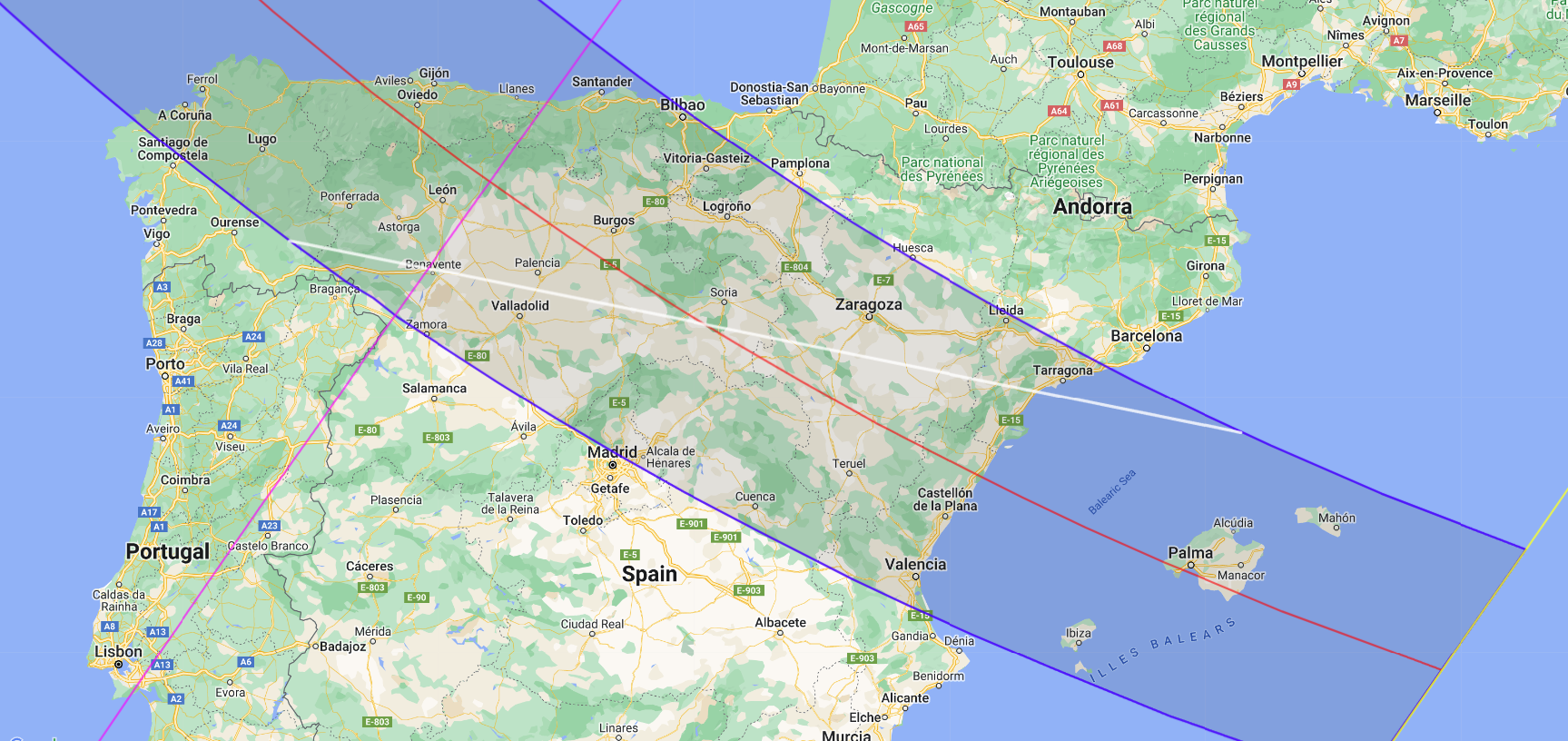
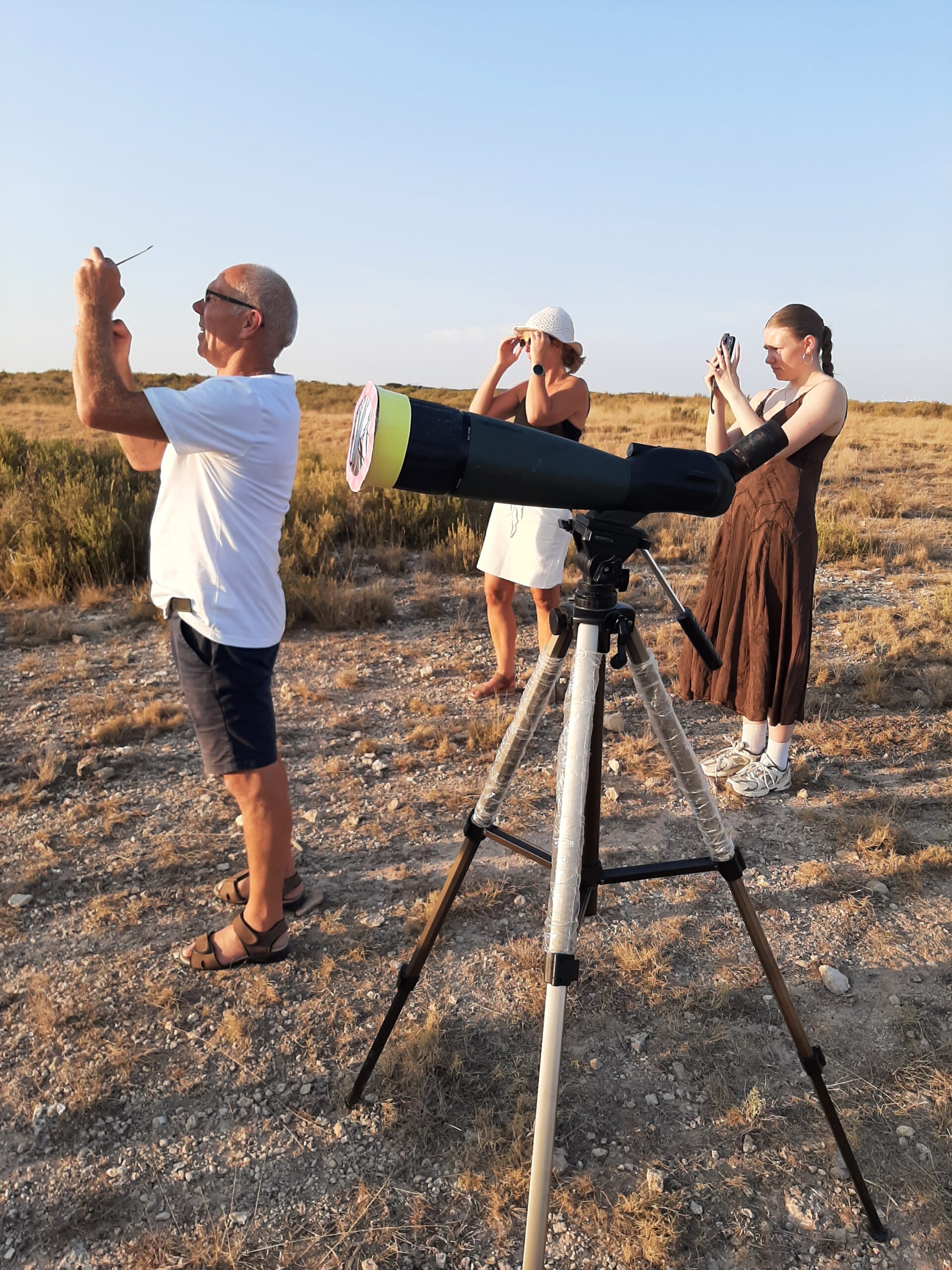

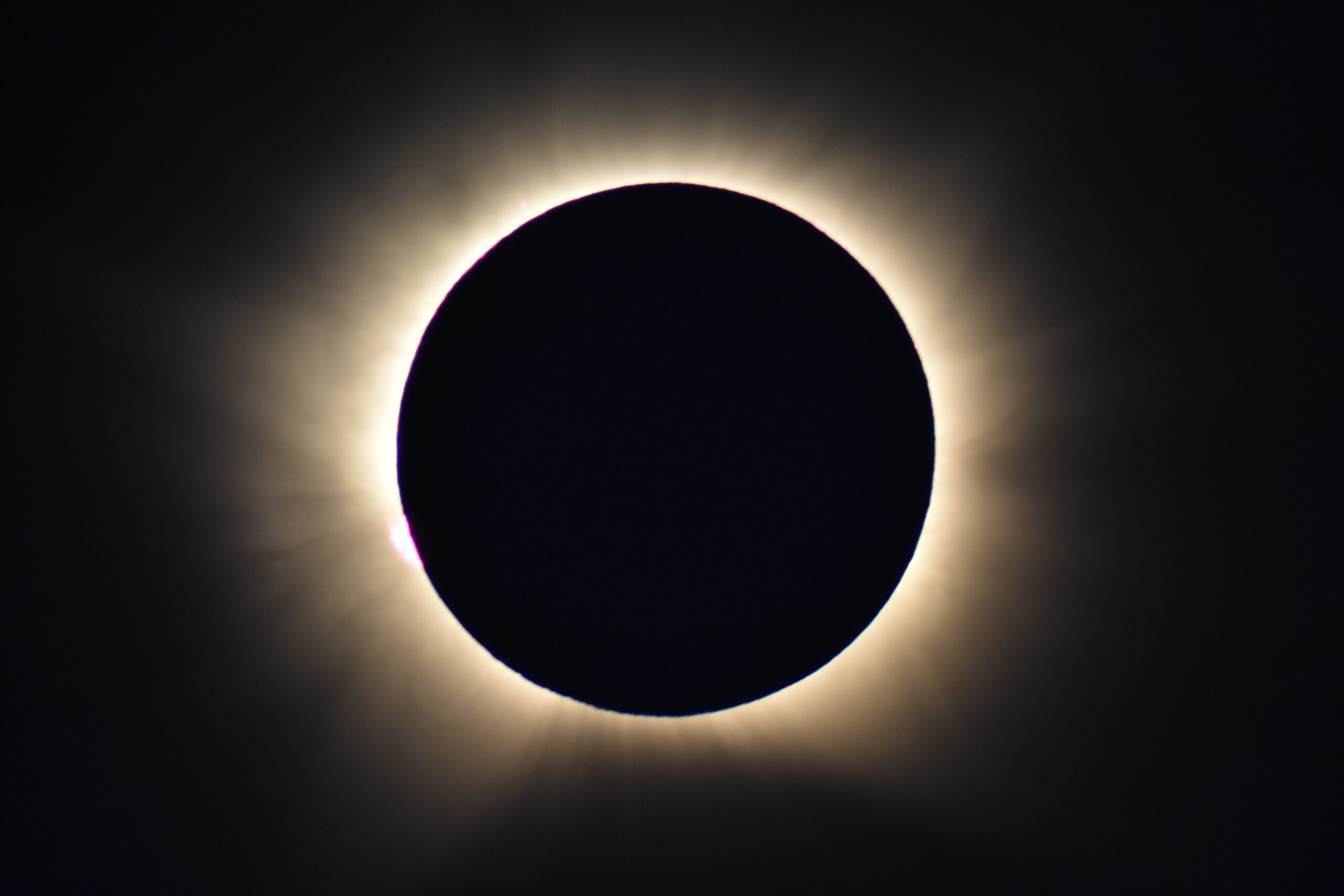
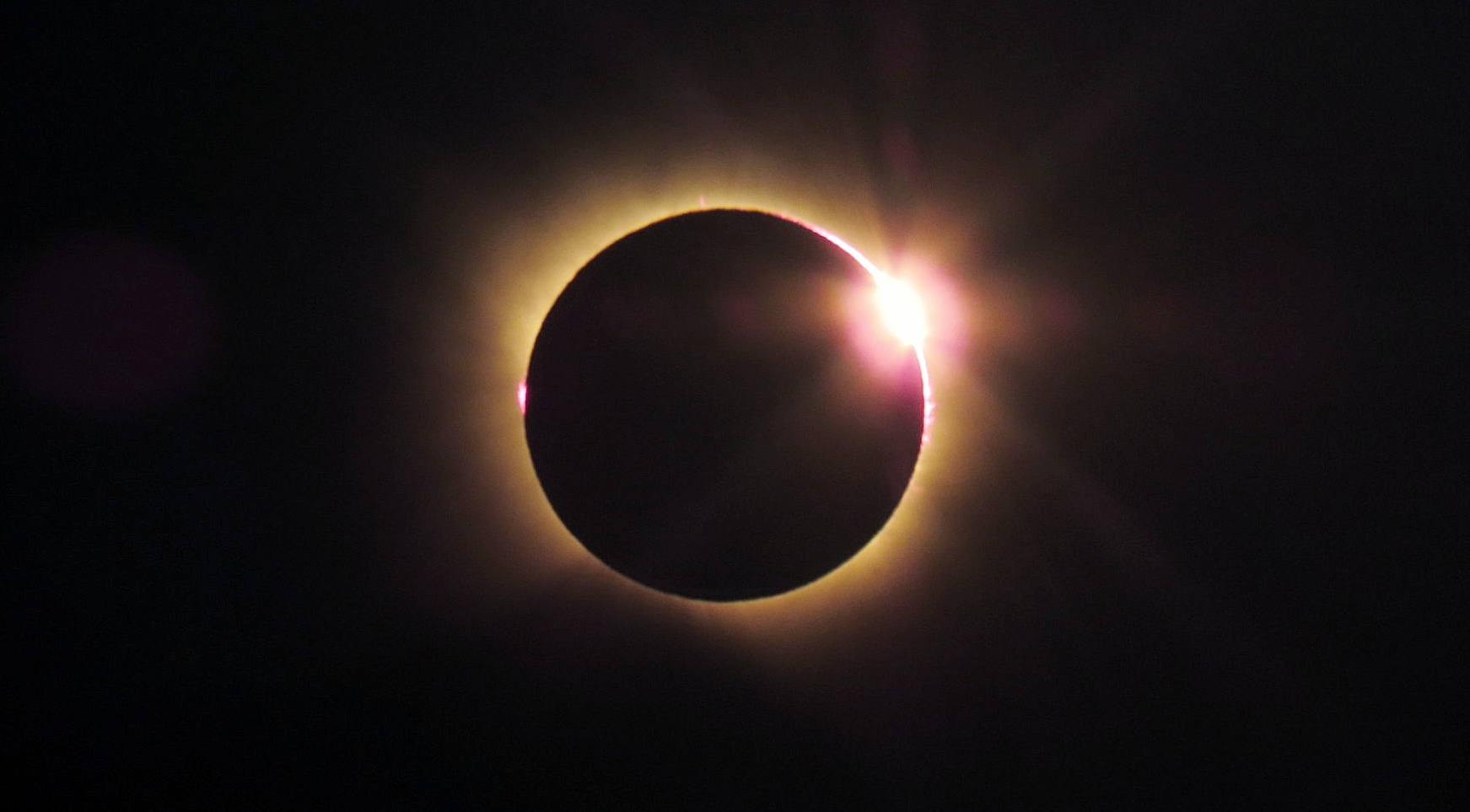
Key observation sites are located in areas along the centerline (the red line) between Zaragoza and Madrid. Here, it will be possible to enjoy an uninterrupted view of the eclipse, as there are good chances of clear skies at this time of summer.
Excursion to the Parque Nacional de Ordesa and goatfarm visit
Ordesa National Park was established in 1918, making it Spain's first national park. In 1982, the Monte Perdido massif, located on the border between Spain and France, was incorporated into the park. Today, the park spans 15,608 hectares and is a UNESCO World Heritage Site.
Vi legger ut på tur for å utforske nasjonalparkens fascinerende landskap, skjulte daler og avsidesliggende gårder. Vi stopper for panoramautsikt og fotografering.
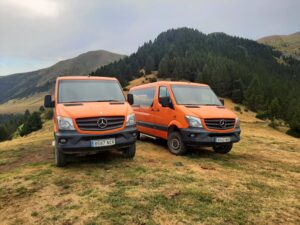
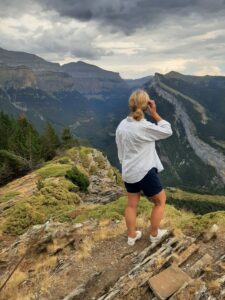
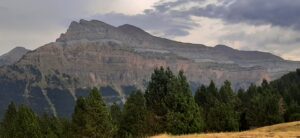
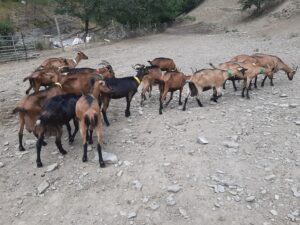
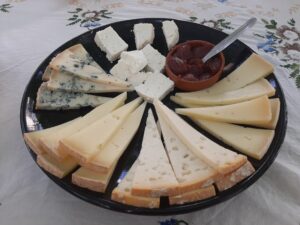
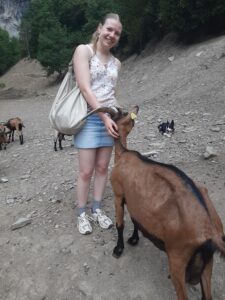
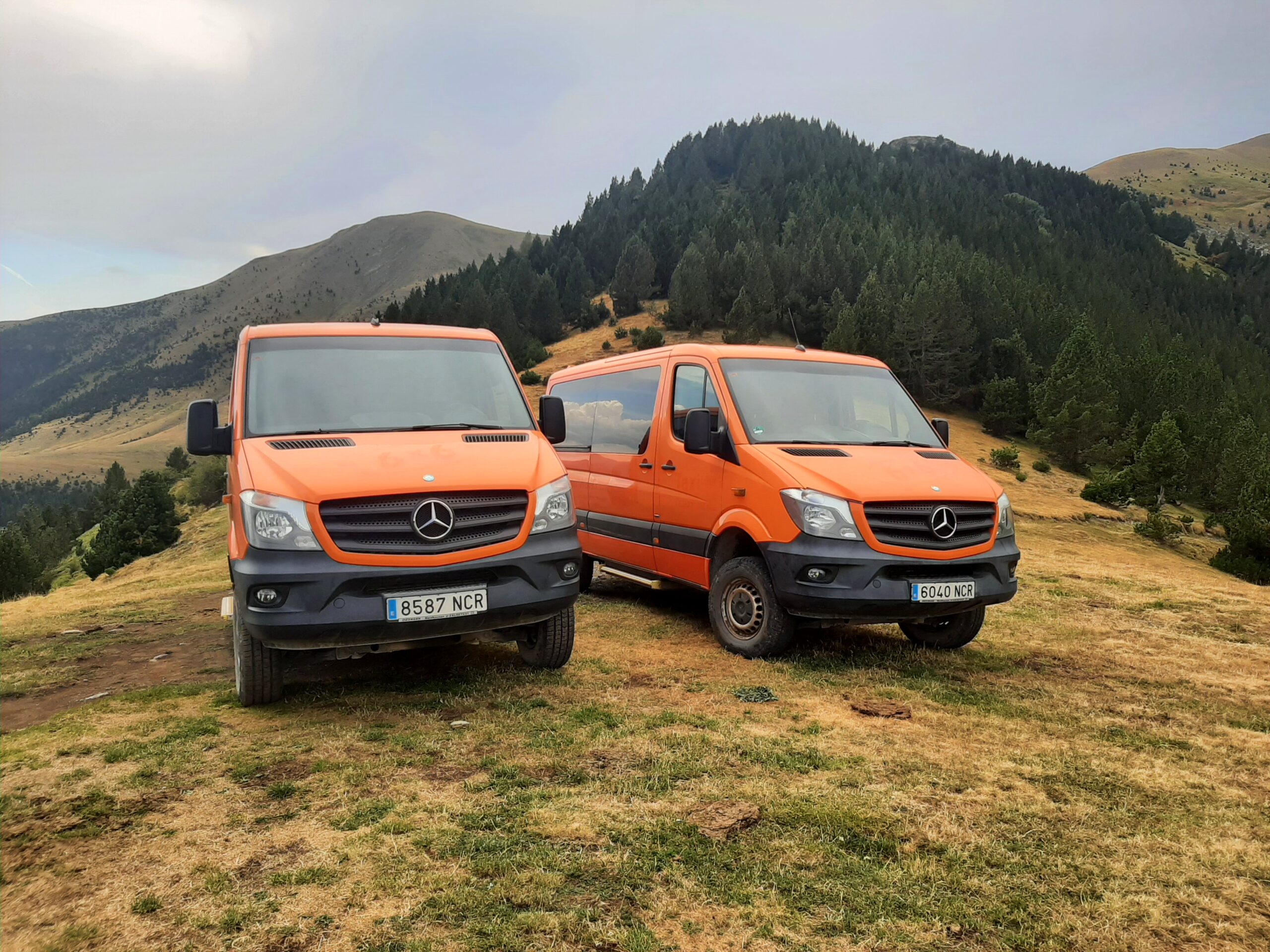
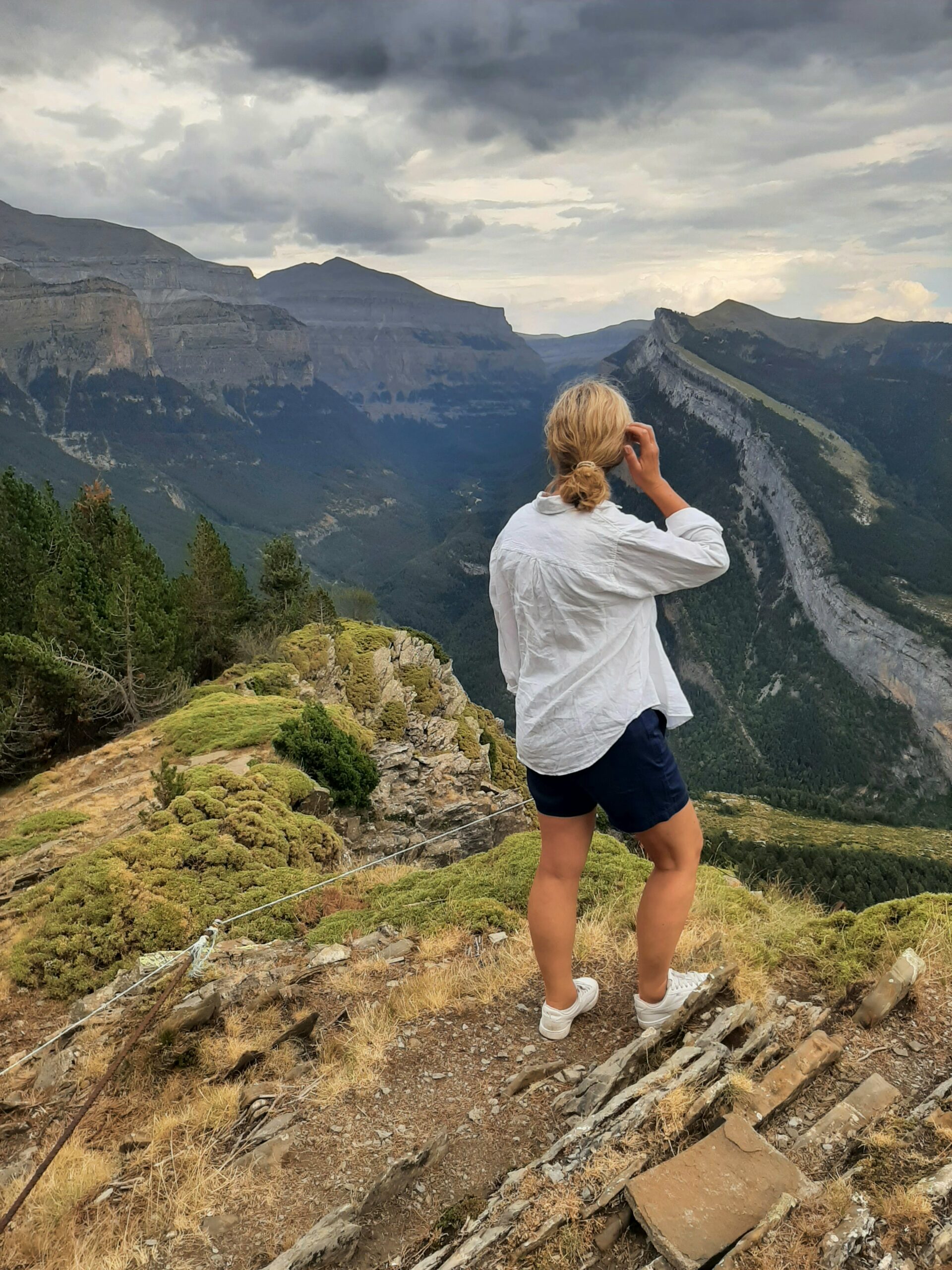
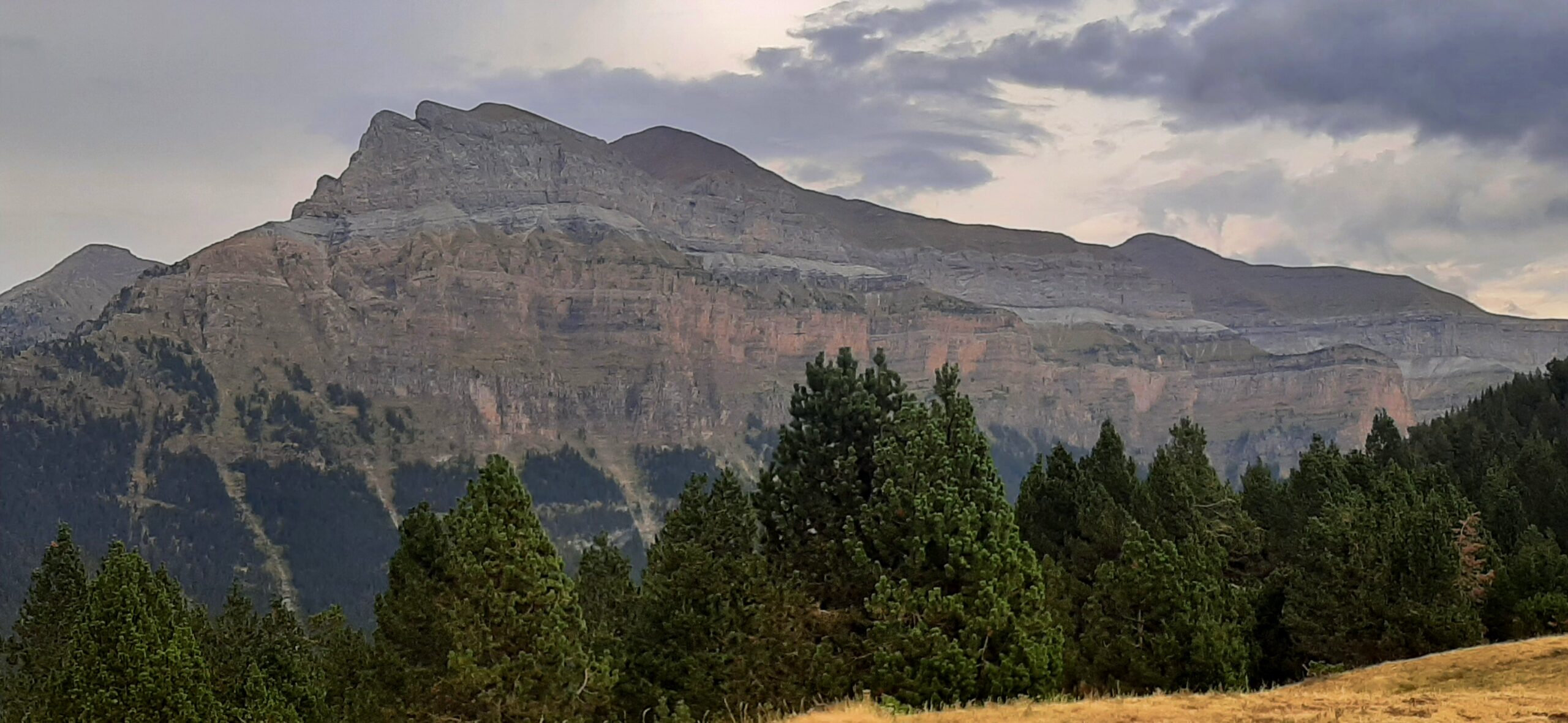
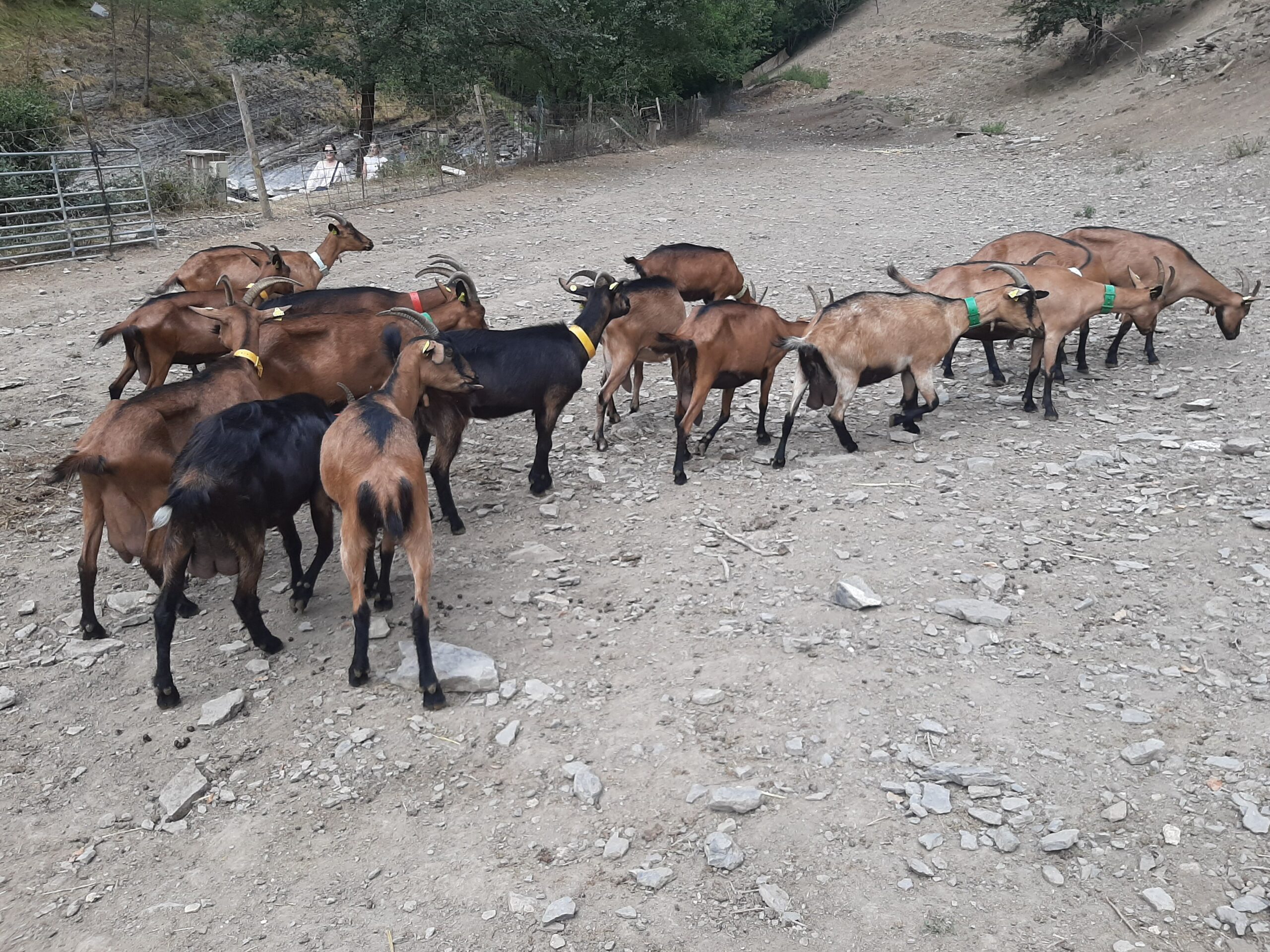
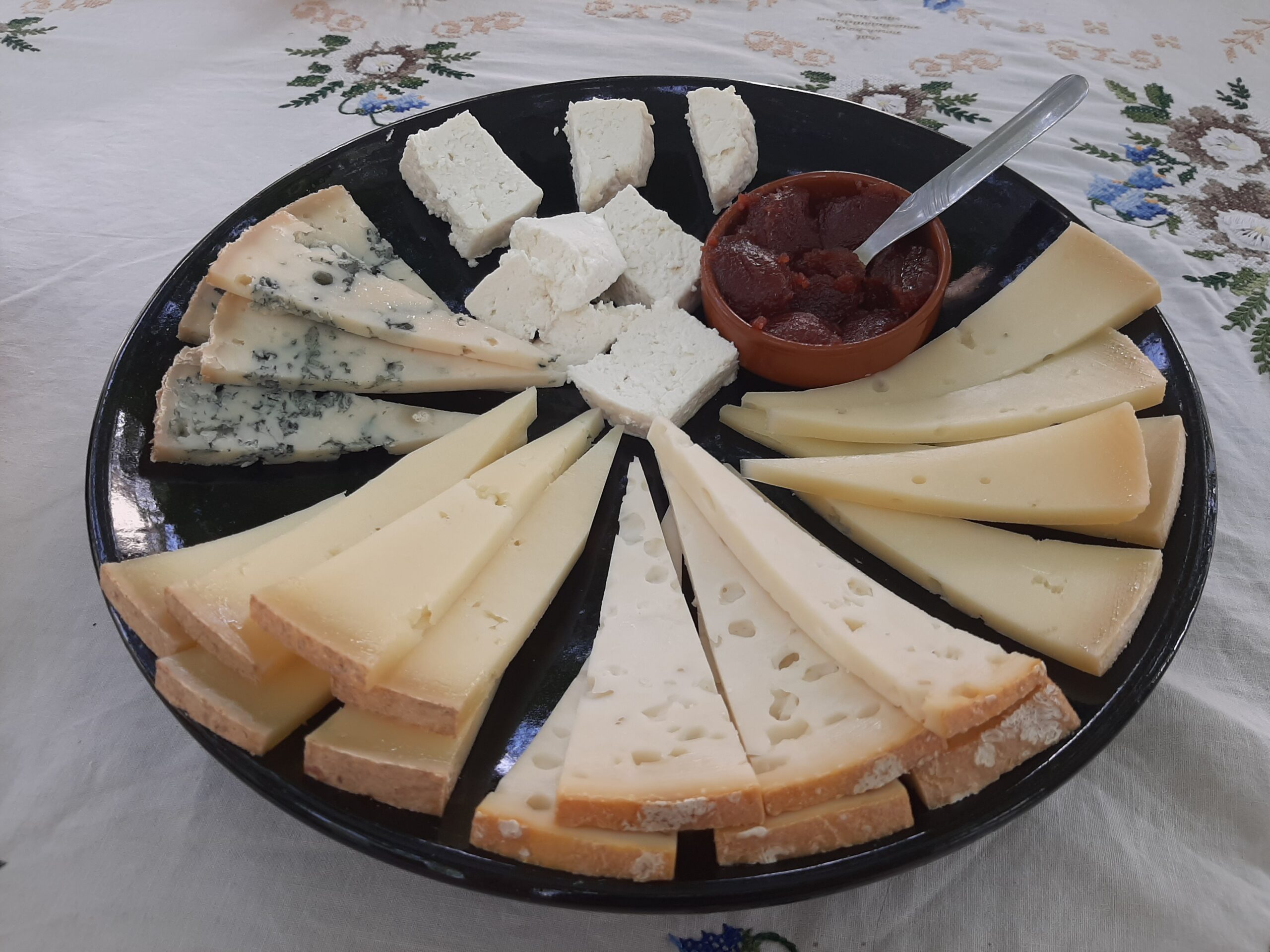
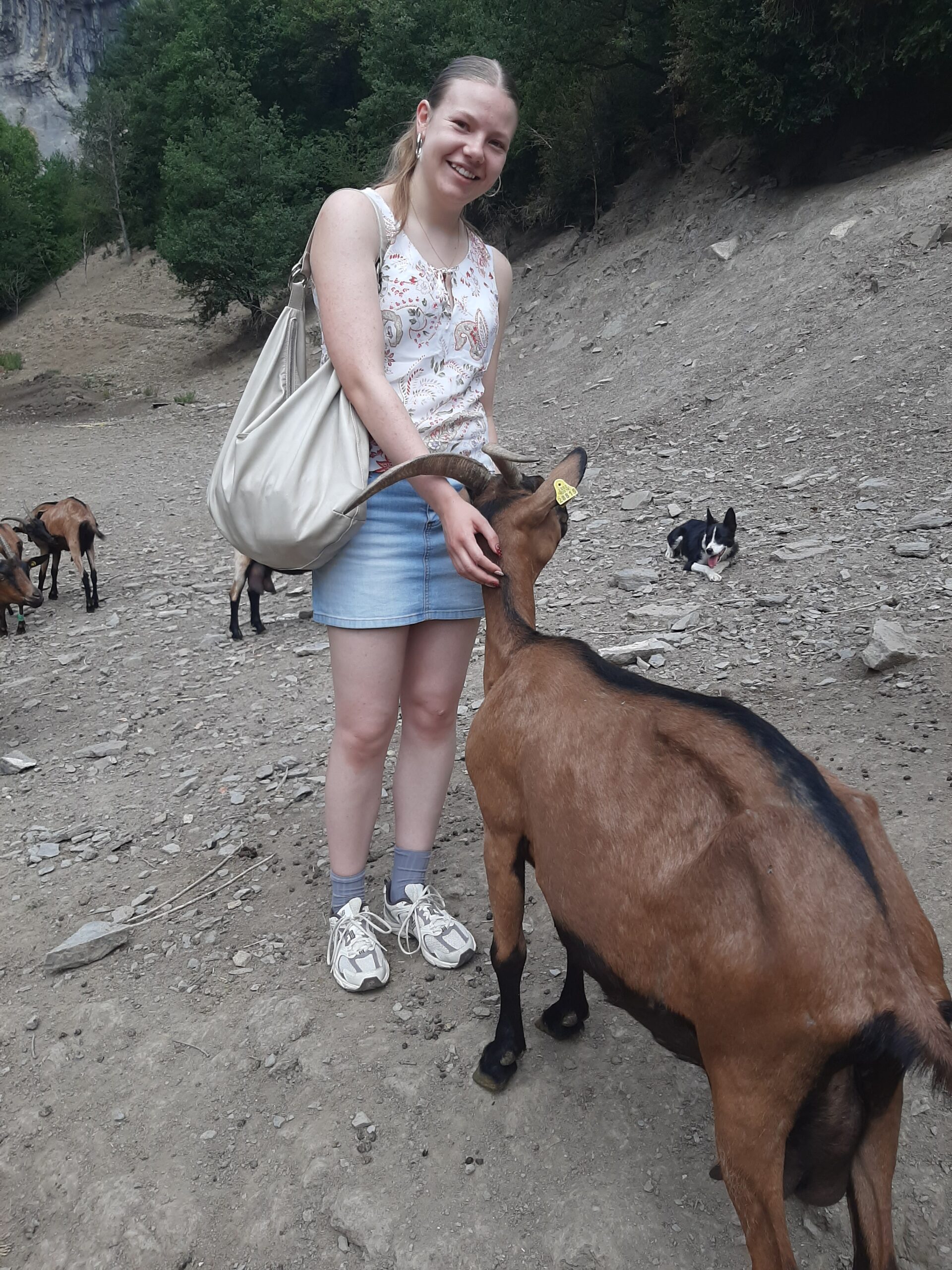
Fjellområdet er preget av flere tusen års bosetting og beiting fra husdyr. Vi besøker den tradisjonelle ostefabrikken ‘La Cañabla’, får demonstrert dressur av gjeterhund og melking av geiter. Deretter står ostesmaking på programmet.
Zaragoza – An Introduction
We are in the regional capital Zaragoza. The city's diverse culture, vibrant festivals, historic sites, and delicious food are just some of the reasons why Zaragoza is a popular destination for travelers from around the world.
With over two thousand years of history, Zaragoza is beautifully situated by the river Ebro. Here, we will explore historical sites such as Plaza del Pilar, La Basílica de Nuestra Señora Del Pilar, and Aljafería Palace. We will also visit the Goya Museum and delve into the phenomenon of "Urban Art," for which the city is renowned.
You will experience the modern and cosmopolitan part of the city, enjoy the lively nightlife, taste typical dishes from Aragón, or go on a tapas or pintxos tour through the Tubo area. We will spend three nights here.
Plaza del Pilar
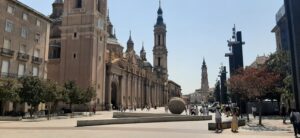
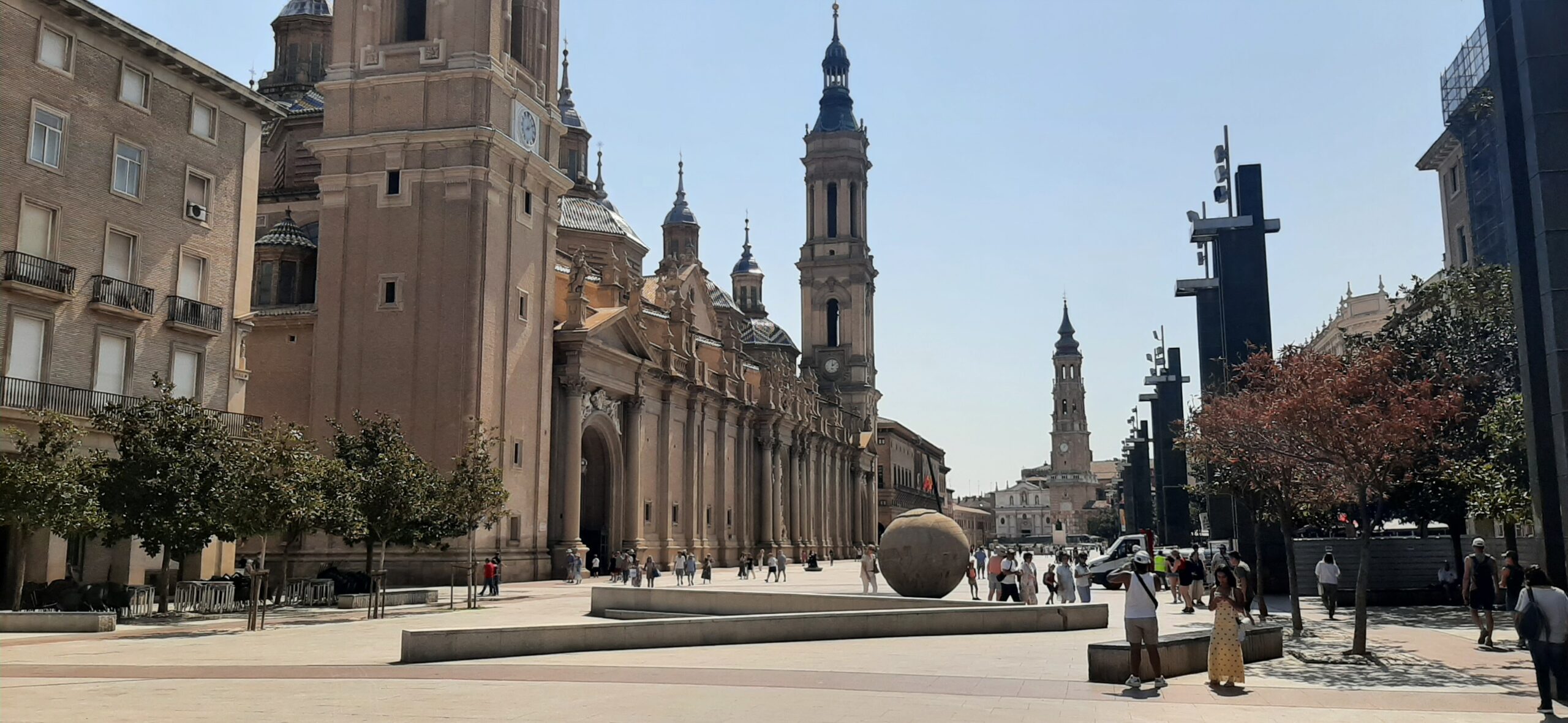
Plaza del Pilar has roots dating back to Roman times when Zaragoza was known as Caesaraugusta. The square is home to several important historical and cultural sites.
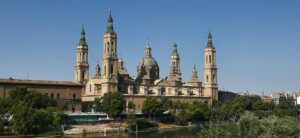
The most prominent among these is the Basilica of Our Lady of the Pillar, a stunning Baroque church dedicated to the Virgin Mary. Here, you will come across sculptures such as the Goya Monument, dedicated to Zaragoza's most famous son, the painter Francisco Goya.
The square itself has been a central gathering place for centuries and continues to be used for festivals, concerts, and other local events. Over time, Plaza del Pilar has become the largest square and pedestrian street in Europe, second only to Red Square in Moscow.
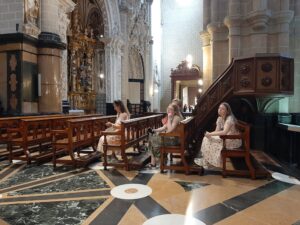
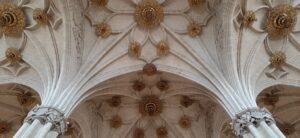
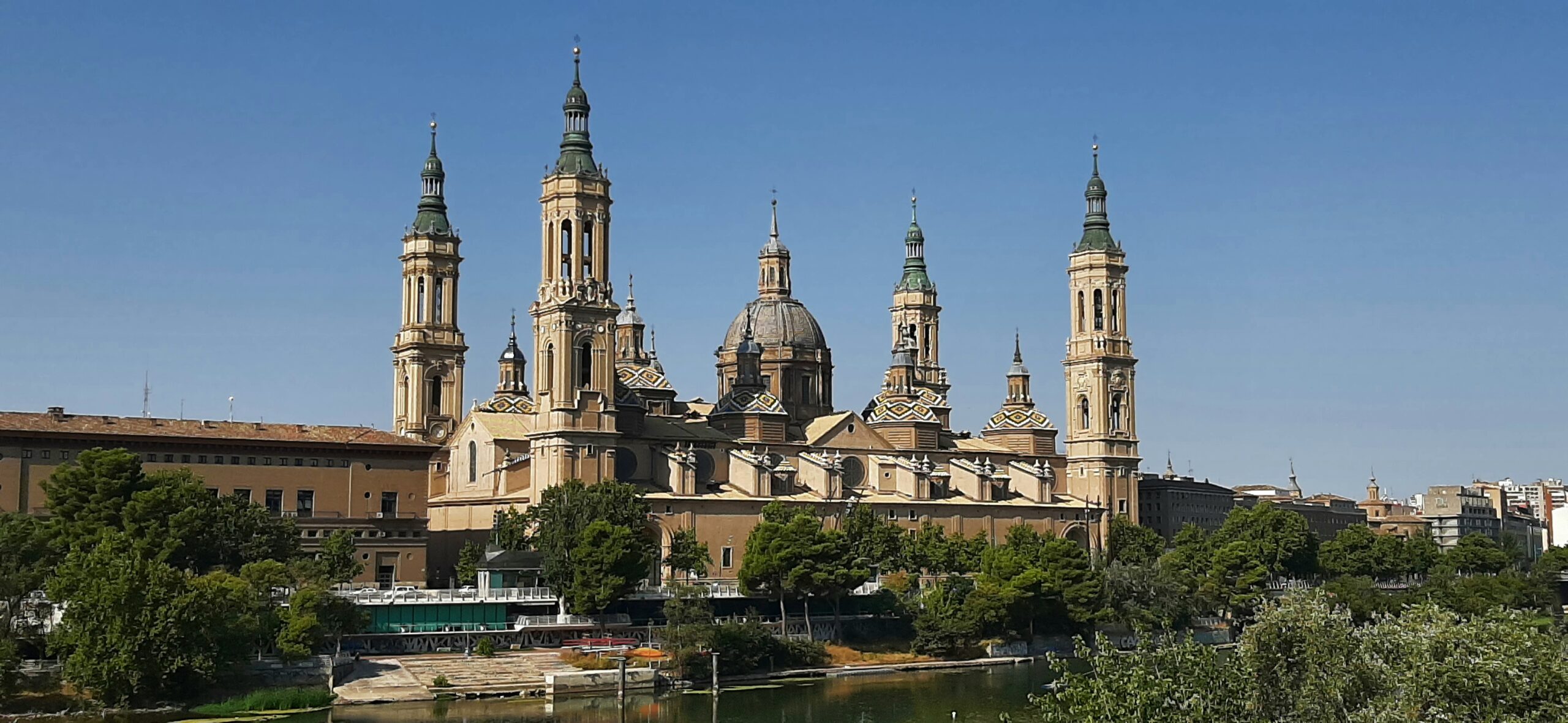
La Basílica de Nuestra Señora Del Pilar
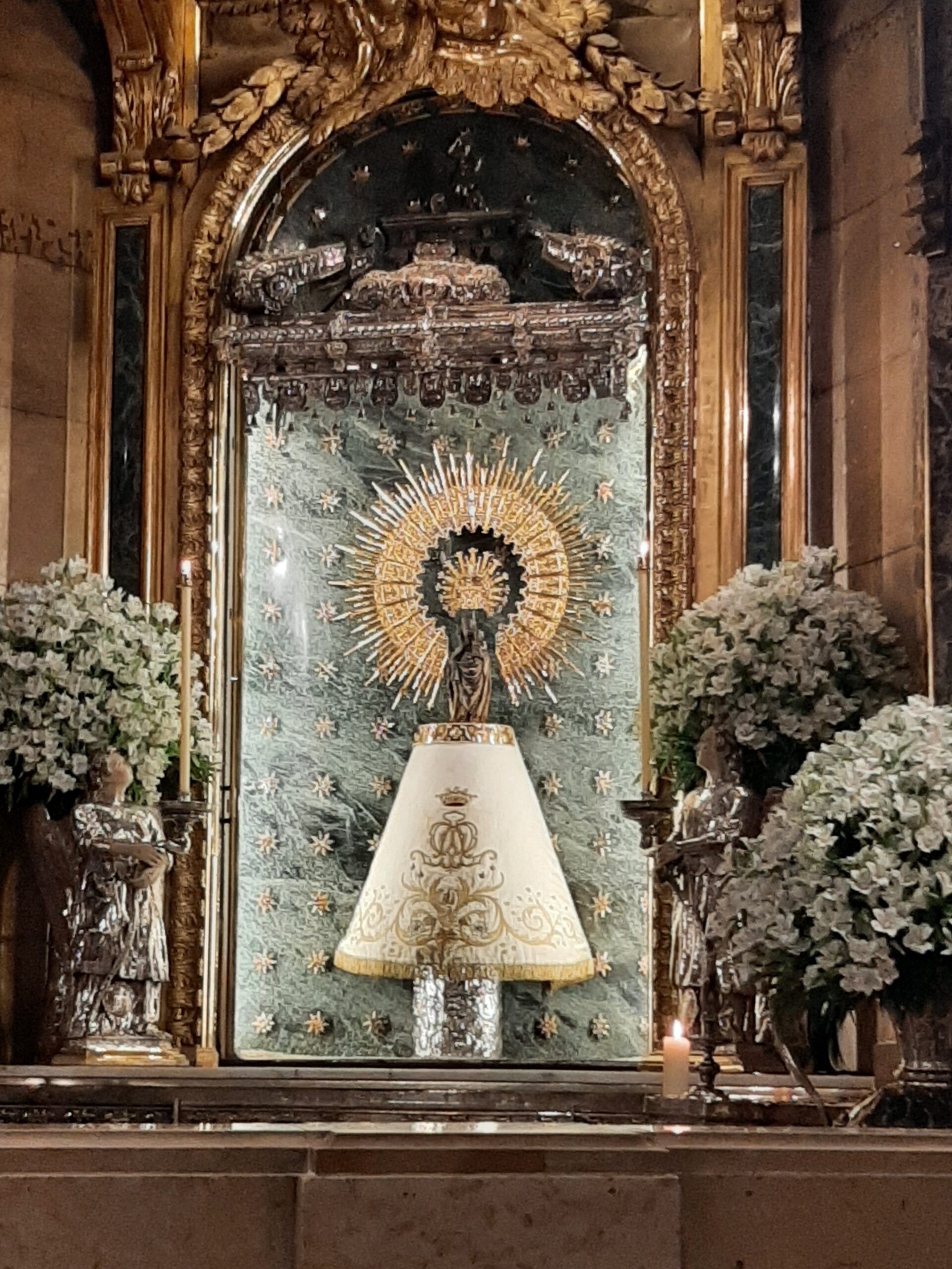
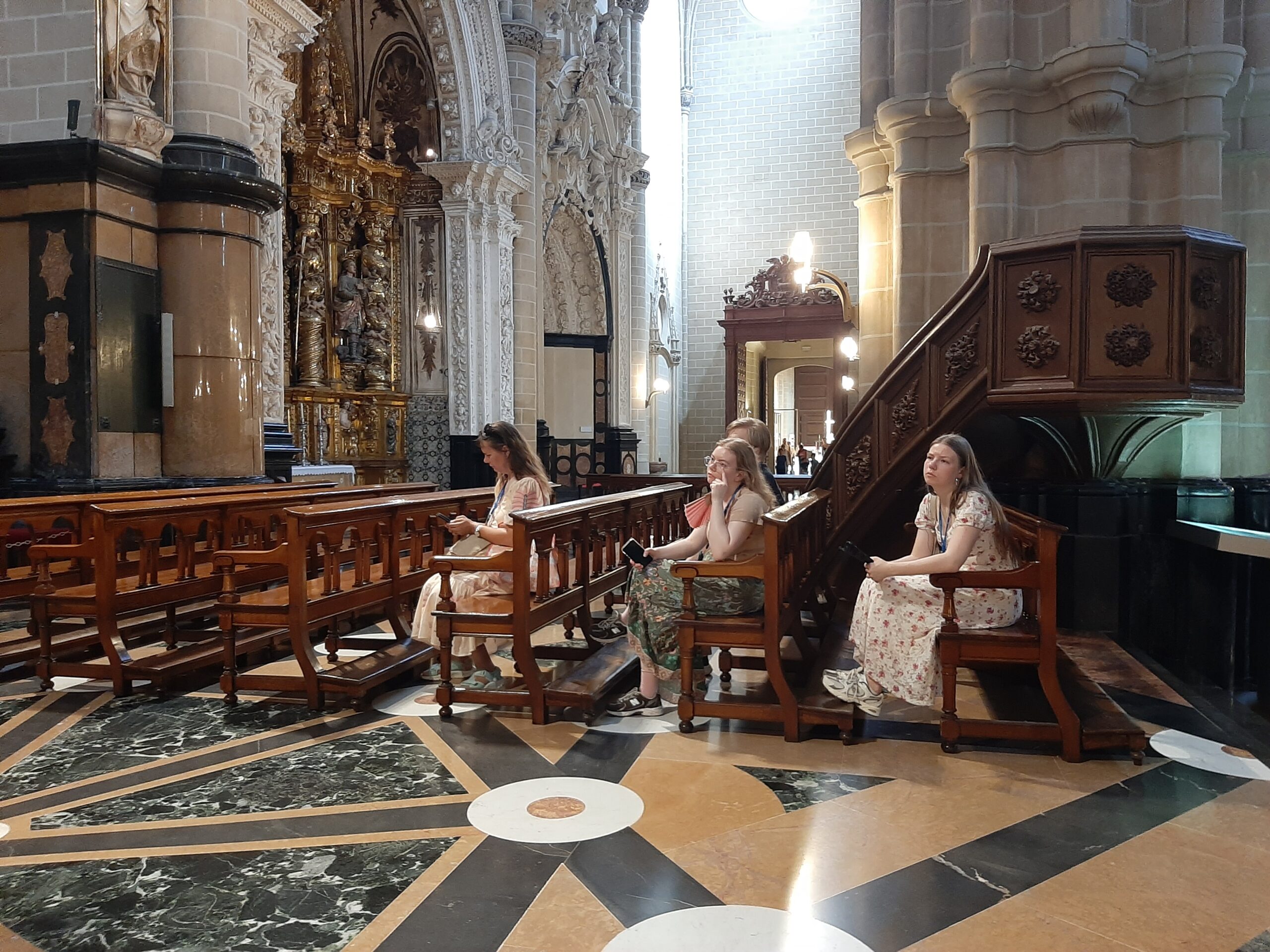
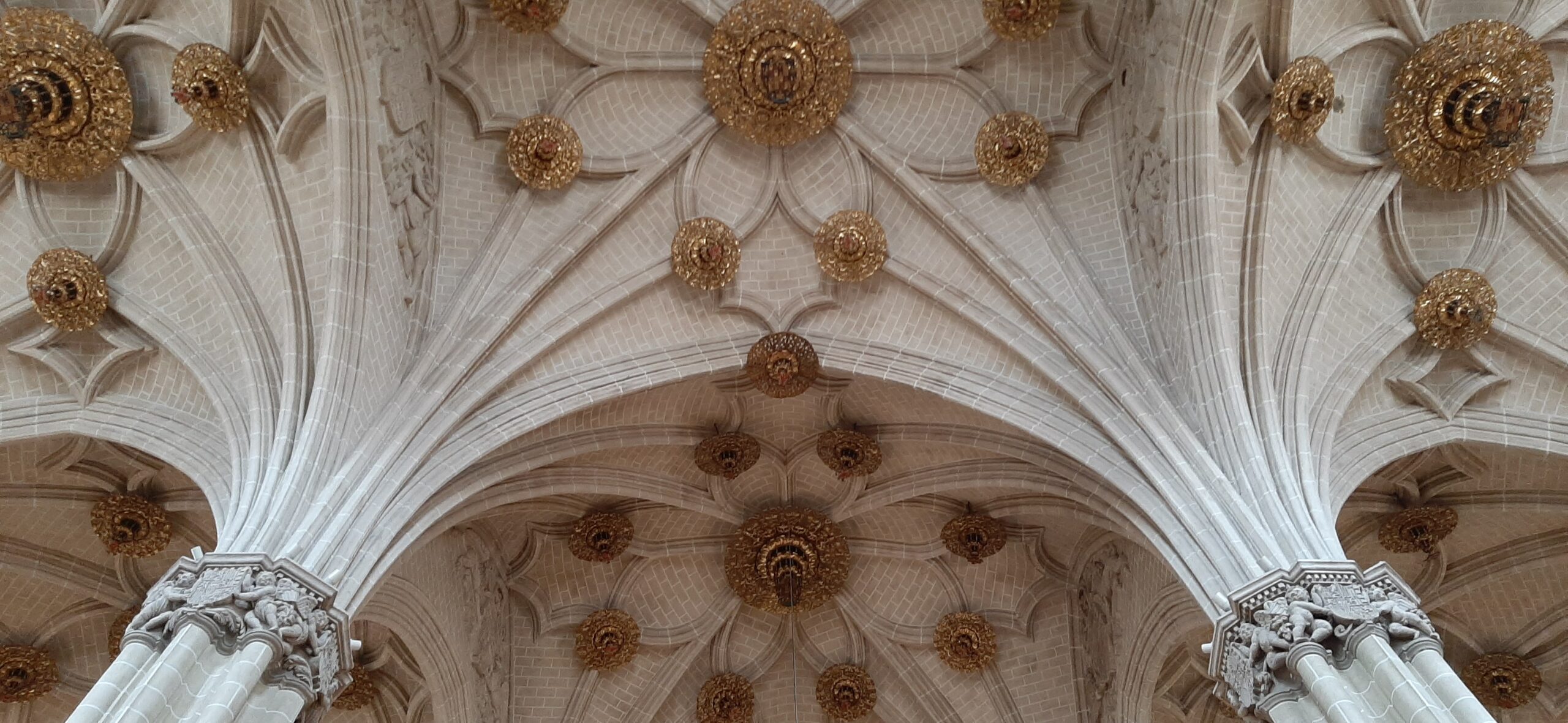
The crown jewel of Plaza del Pilar is undoubtedly La Basílica de Nuestra Señora Del Pilar – an impressive Baroque church built between 1681 and 1872 with eleven domes covered in colorful glazed tiles. Two of the domes are decorated with frescoes by the famous painter Francisco Goya, who himself came from Aragón.
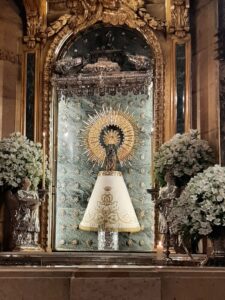
The church's humble origins date back to January 2, 40 AD. On that day, the Virgin Mary appeared to Saint James the Greater, one of Jesus' disciples who is believed to have brought Christianity to Spain. She instructed him to build a church in her honor by the Ebro River at the site where he received the revelation.
La Basílica de Nuestra Señora Del Pilar is considered the first of the churches of St. Mary and is a favourite pilgrimage site.
Goya
Francisco de Goya y Lucientes is one of Spain's most renowned painters (1746–1828). He spent his childhood, youth and apprenticeship in Zaragoza. Goya's art marks the beginning of contemporary painting and is considered a precursor to the pictorial and thematic vanguard of the 20th century.
In 1772, he painted the dome of the Coreto (small choir) and the Regina Martyrum dome (1780–1781) in La Basílica de Nuestra Señora Del Pilar, as well as wall paintings for the Aula Dei (1772–1774).
Many museums and buildings in Zaragoza house paintings and engravings that Goya created throughout his life.
Palacio de la Aljafería
This jewel of Islamic architecture was built in the second half of the 11th century by order of the King of the Taifa of Saraqusta. After the conquest of Zaragoza in 1118 AD under the leadership of Alfonso I, the palace was renovated and converted into the residence of the Christian kings of Aragon.
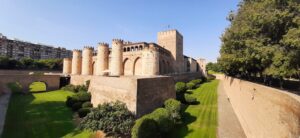
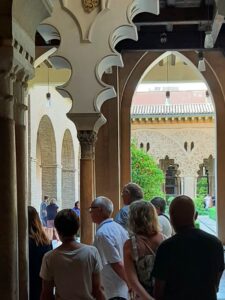
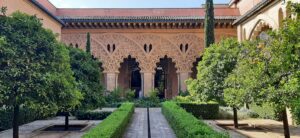
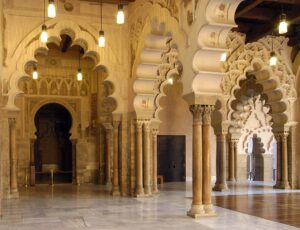
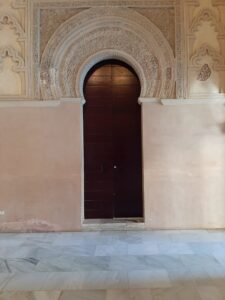
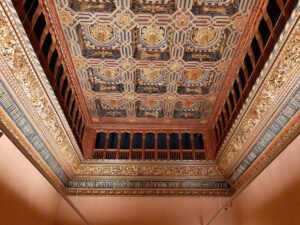
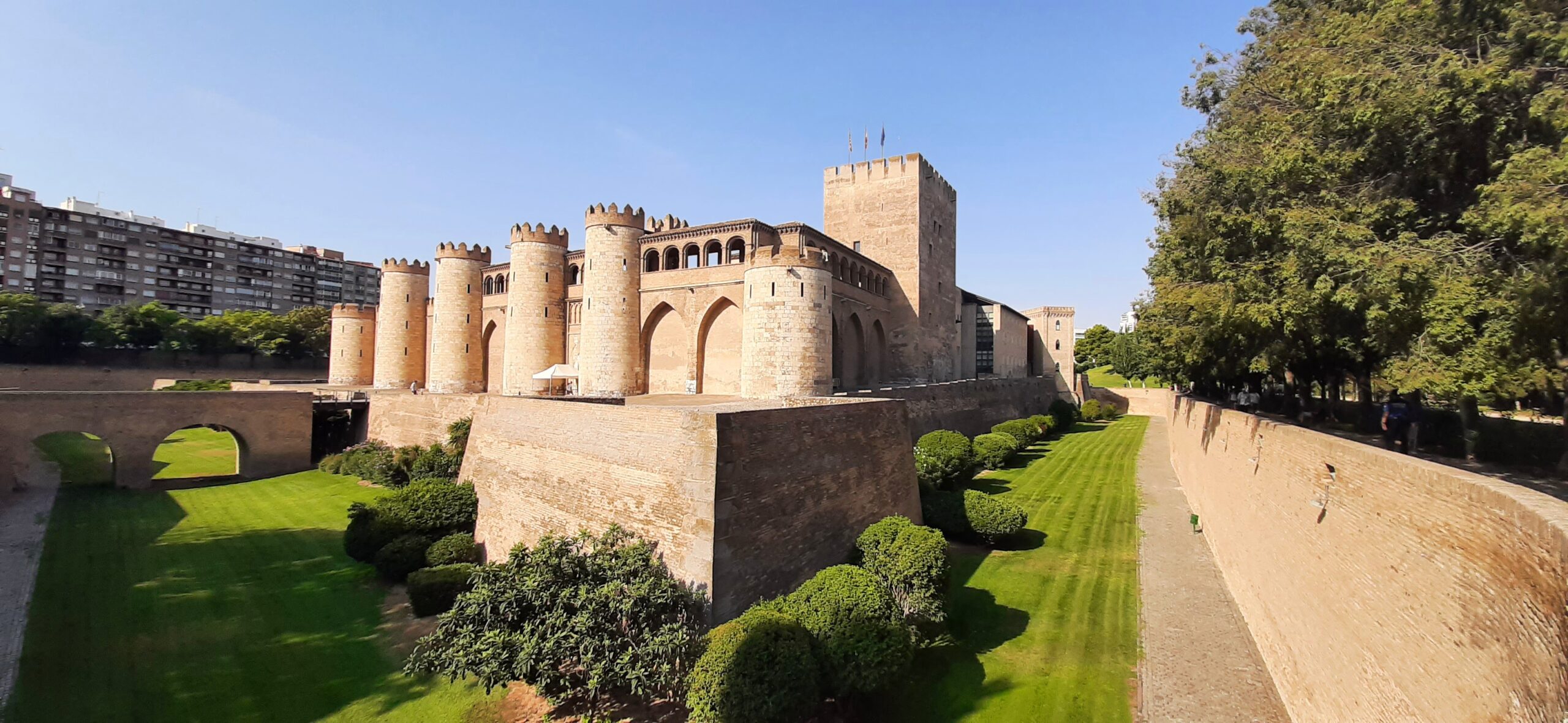
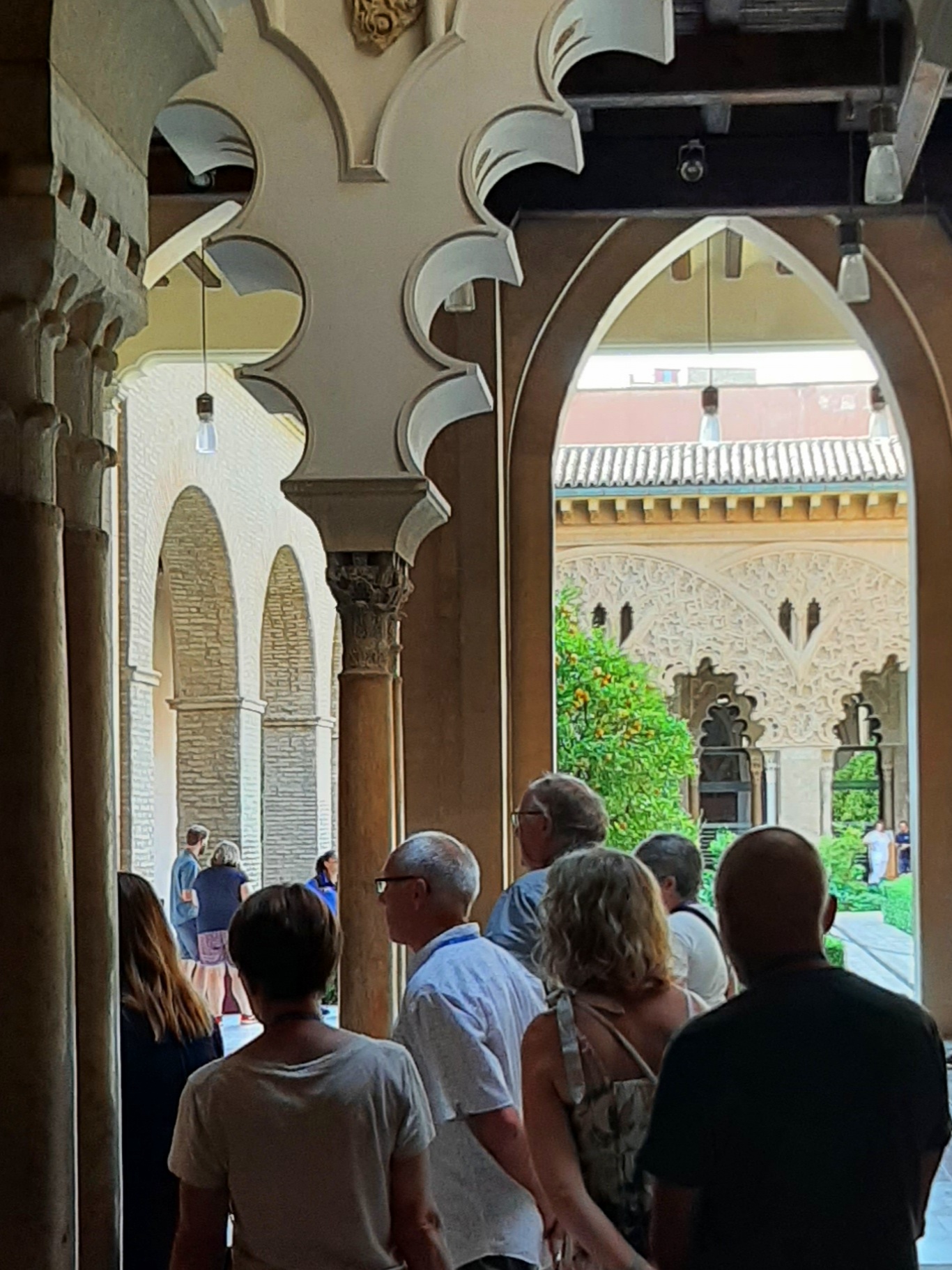
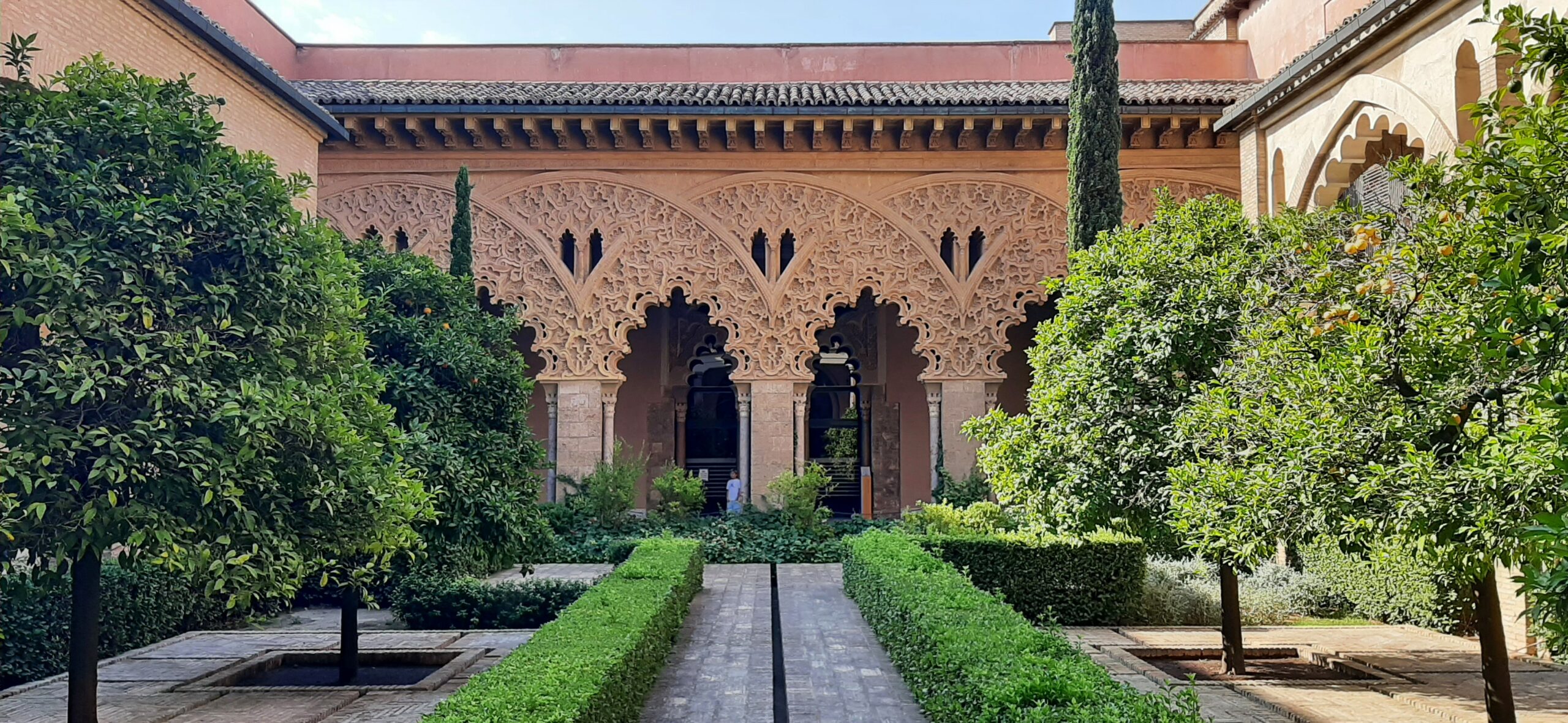
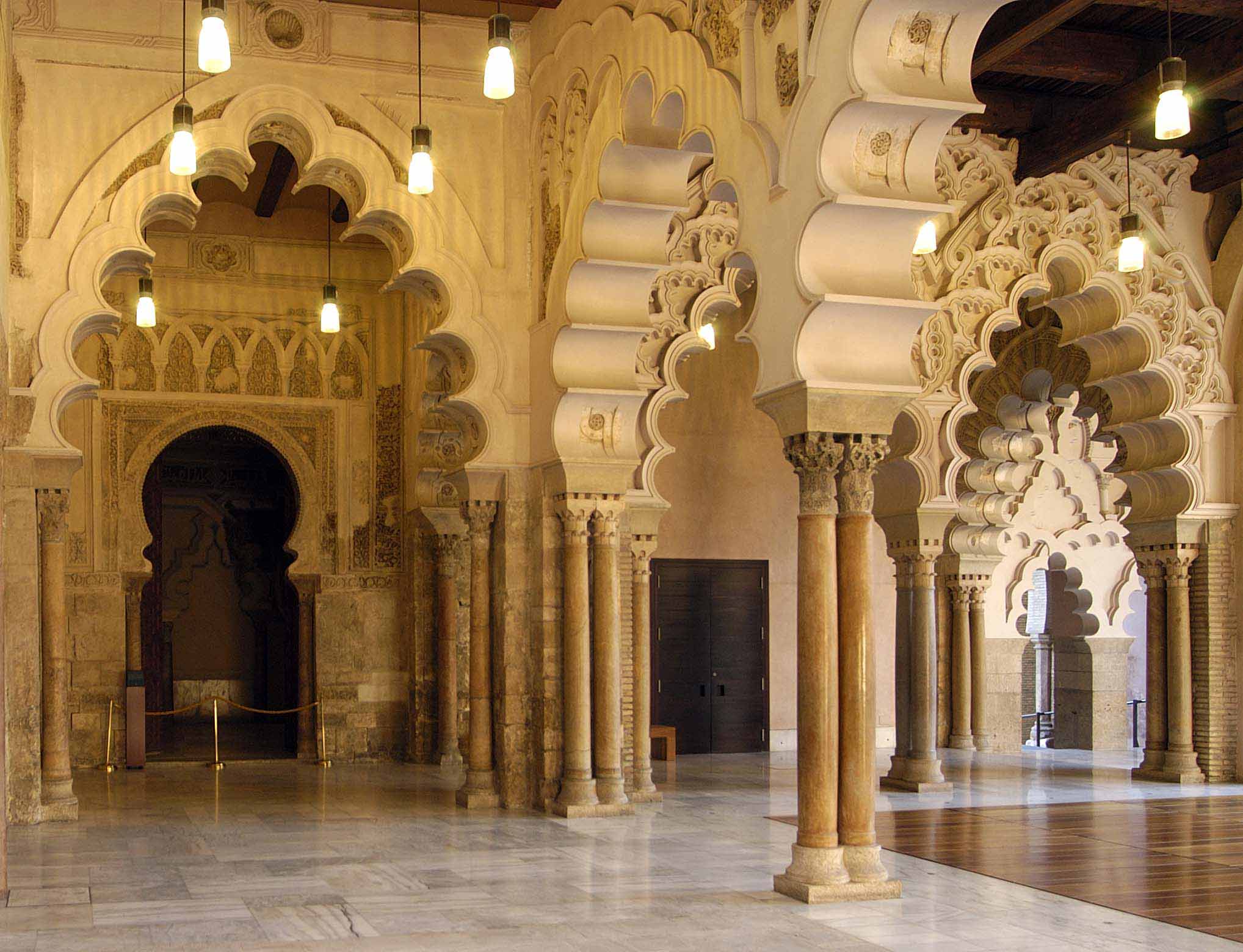
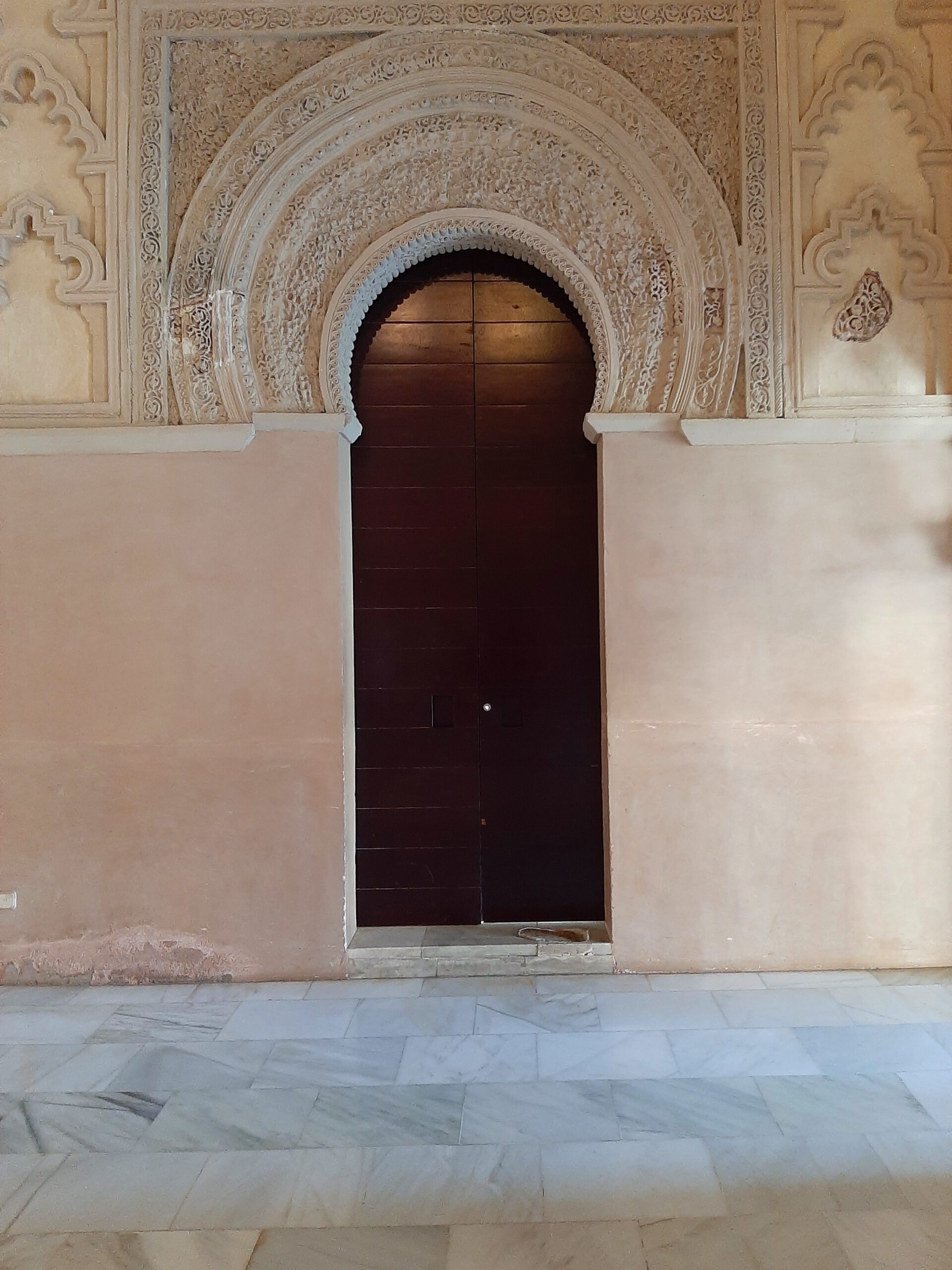
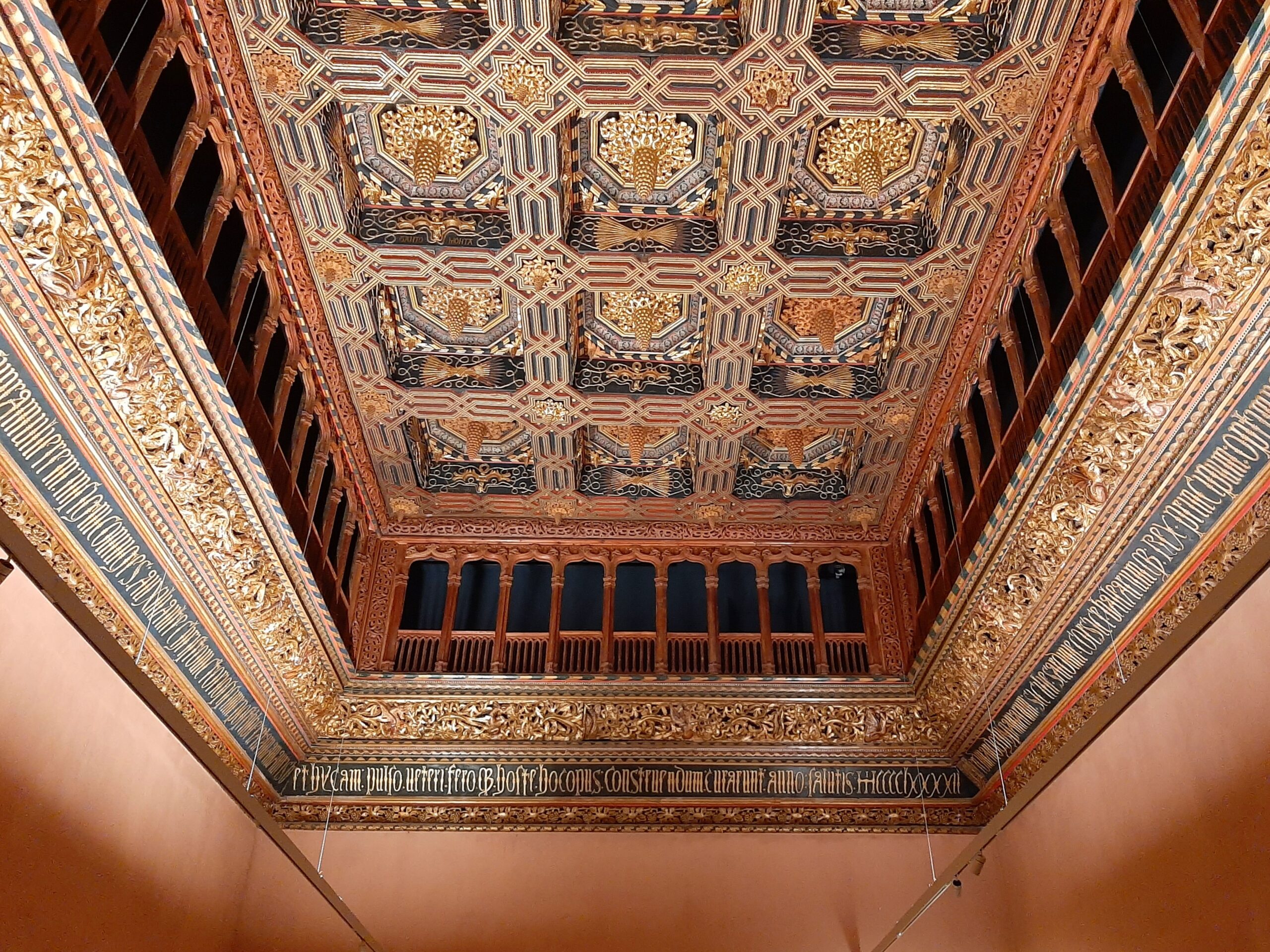
Inside the palace, you will find the typical Arabian-style horseshoe arches and charming corners such as the Troubadour Tower, the Golden Hall, the Mosque, the Courtyard of Santa Isabel, the Throne Room, the Church of San Martín and the Mudejar Palace.
Today, the palace also houses the plenary hall of the Regional Assembly of Aragón with 67 elected delegates. These representatives serve the 1.3 million inhabitants of the region.
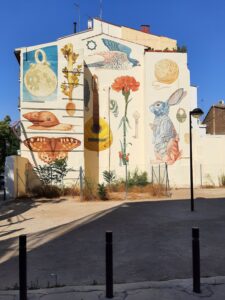
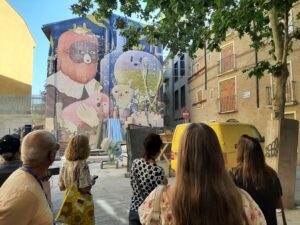
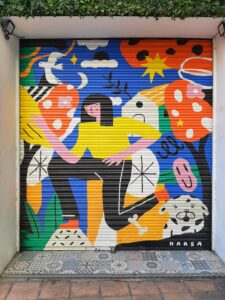
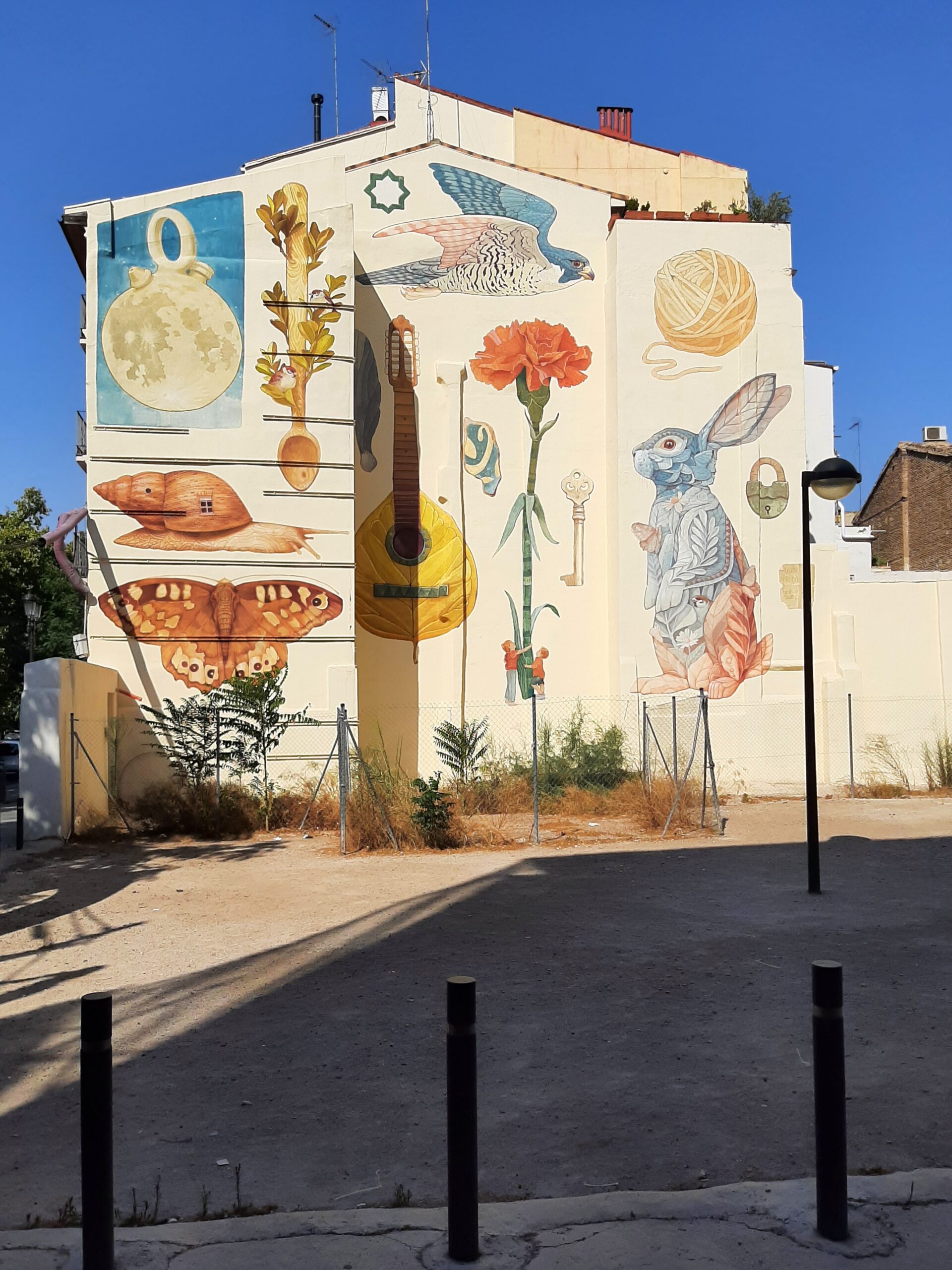
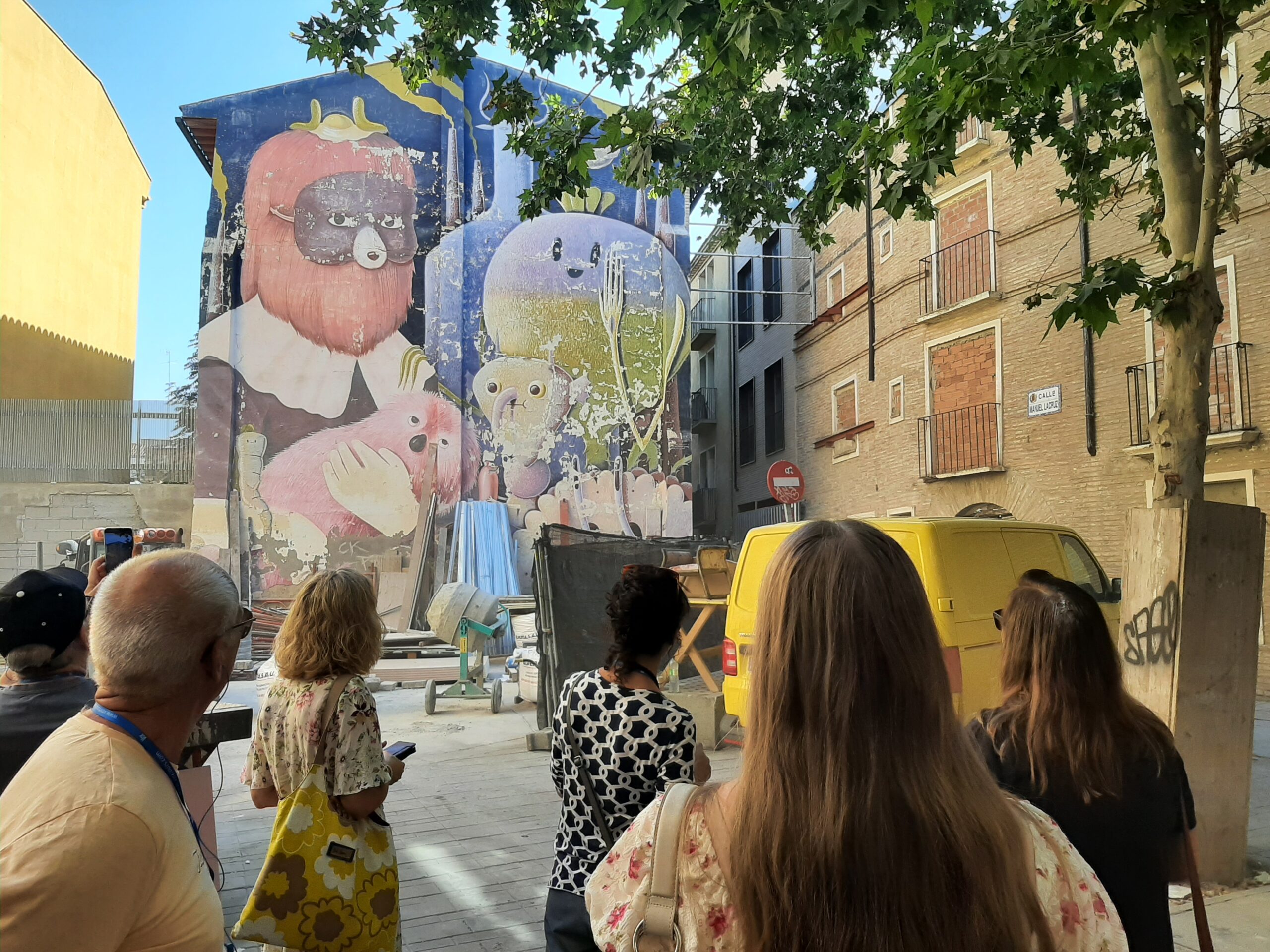
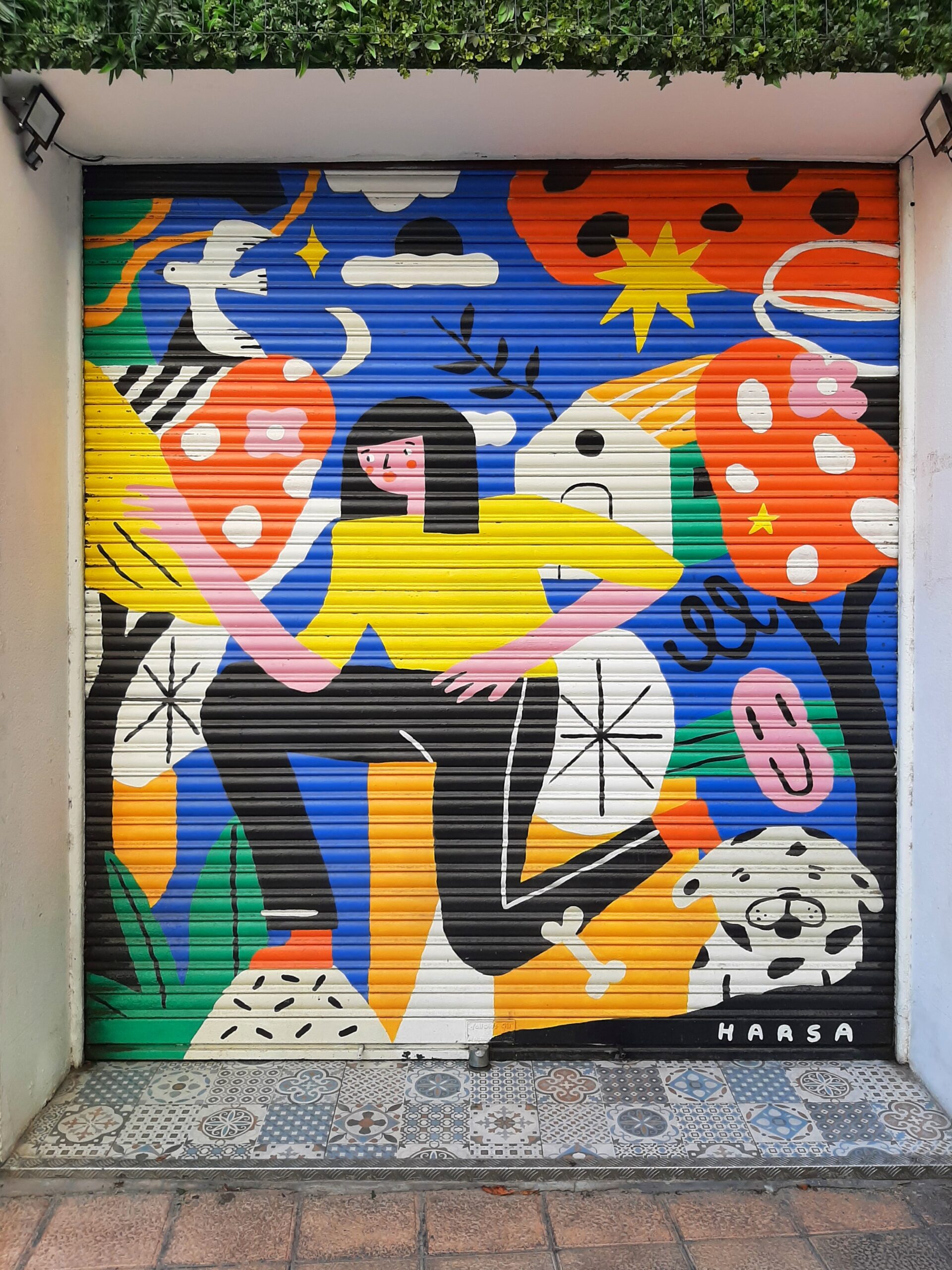
Asalto – Festival de Arte Urbano
Every year, the organisers invite the world's best practitioners of "Urban Art," giving Zaragoza one of the most important collections of murals in Europe. Asalto has expanded from colouring the walls of the historic center to other parts of the city.
The festival aims to explore, discover or rediscover Zaragoza's urban spaces through artistic activities and various urban experiences. Its purpose is to transform public spaces into a participatory, colourful, friendly, culturally open and active community.
Over the years, Festival Asalto has gained a notorious prominence in Zaragoza's cultural program, and has become the oldest urban art festival in Spain
Los Mallos de Riglos
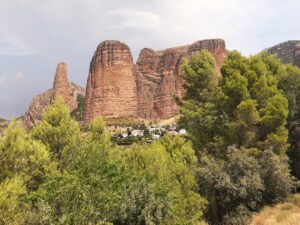
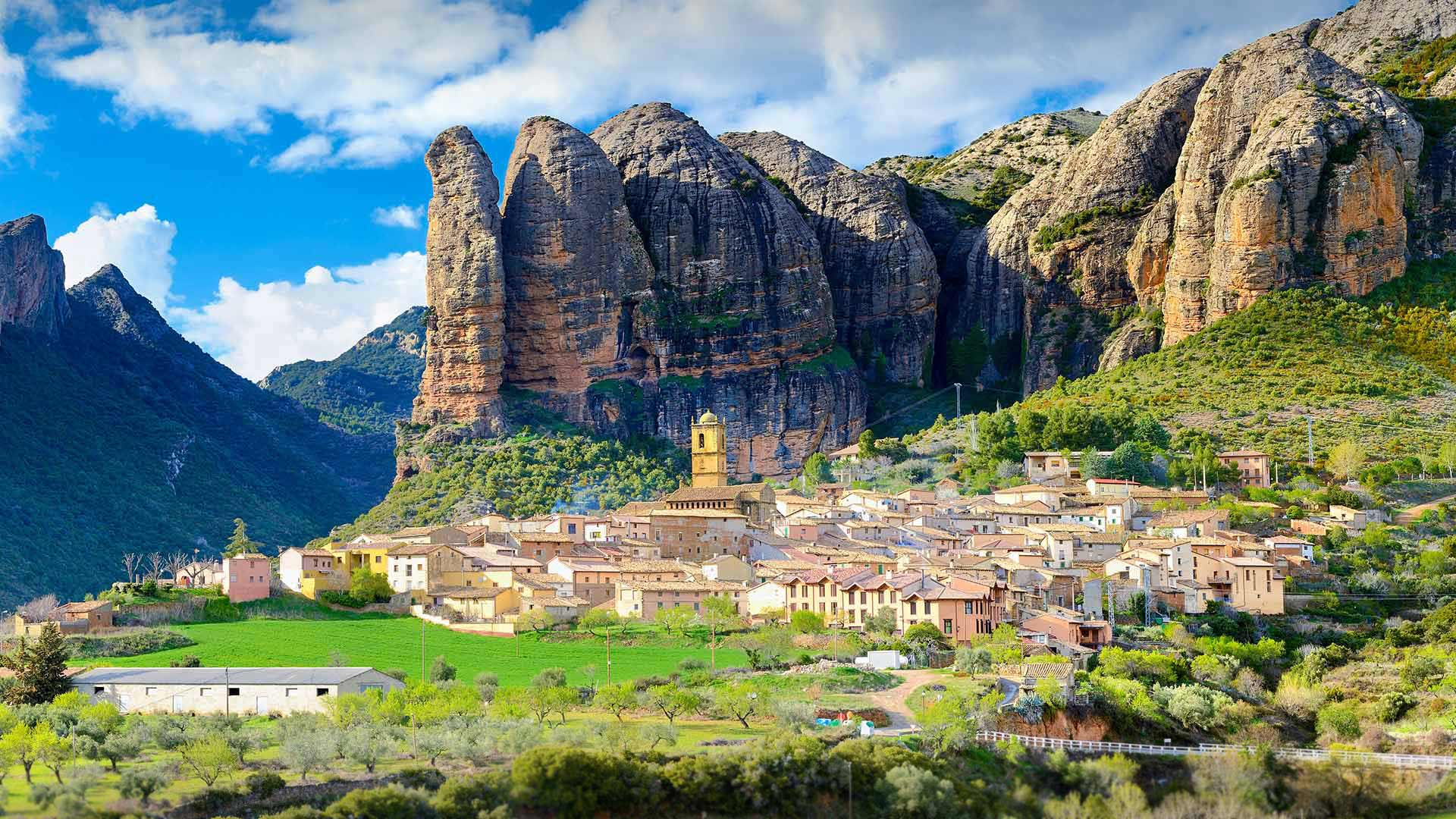
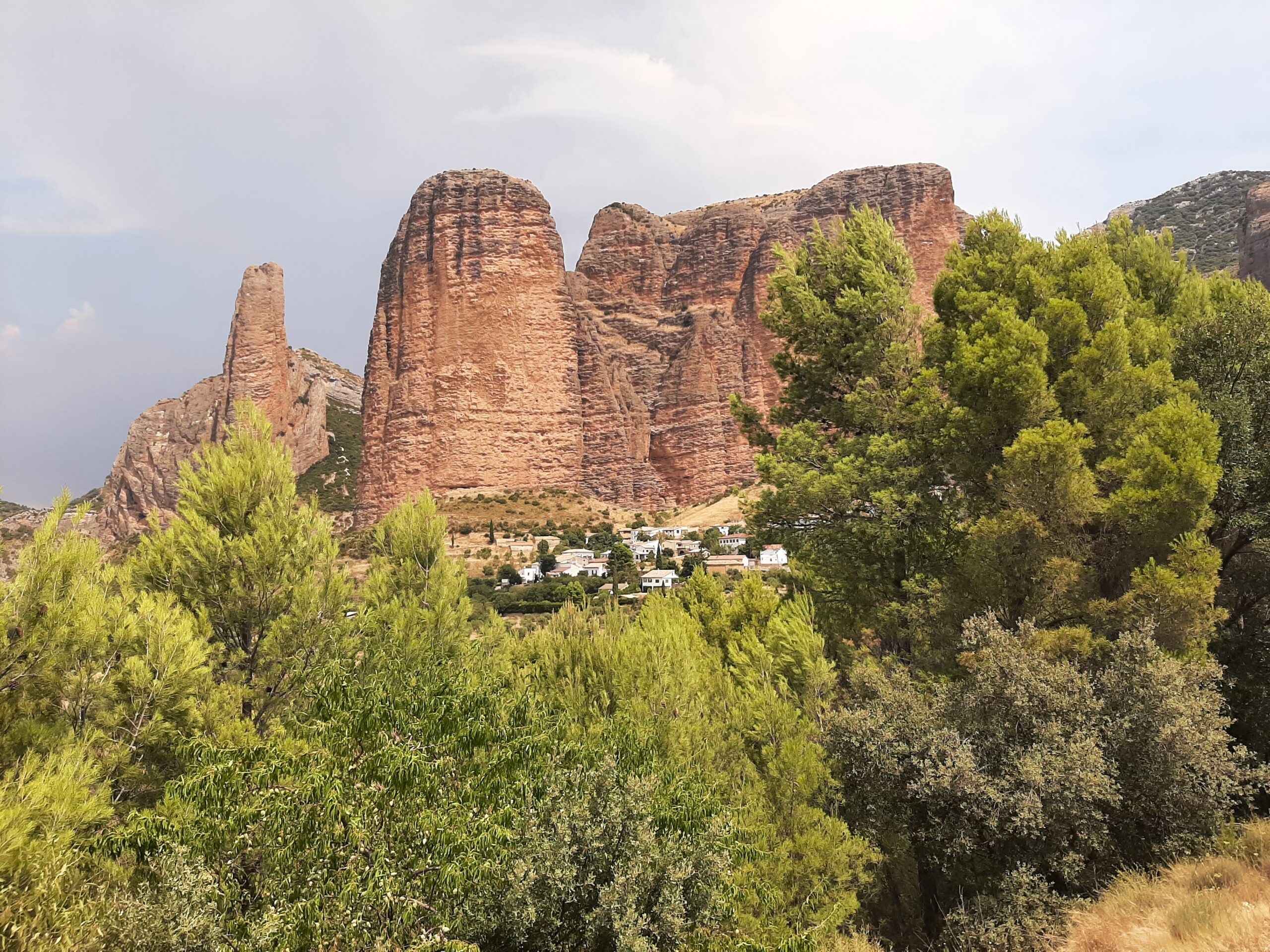
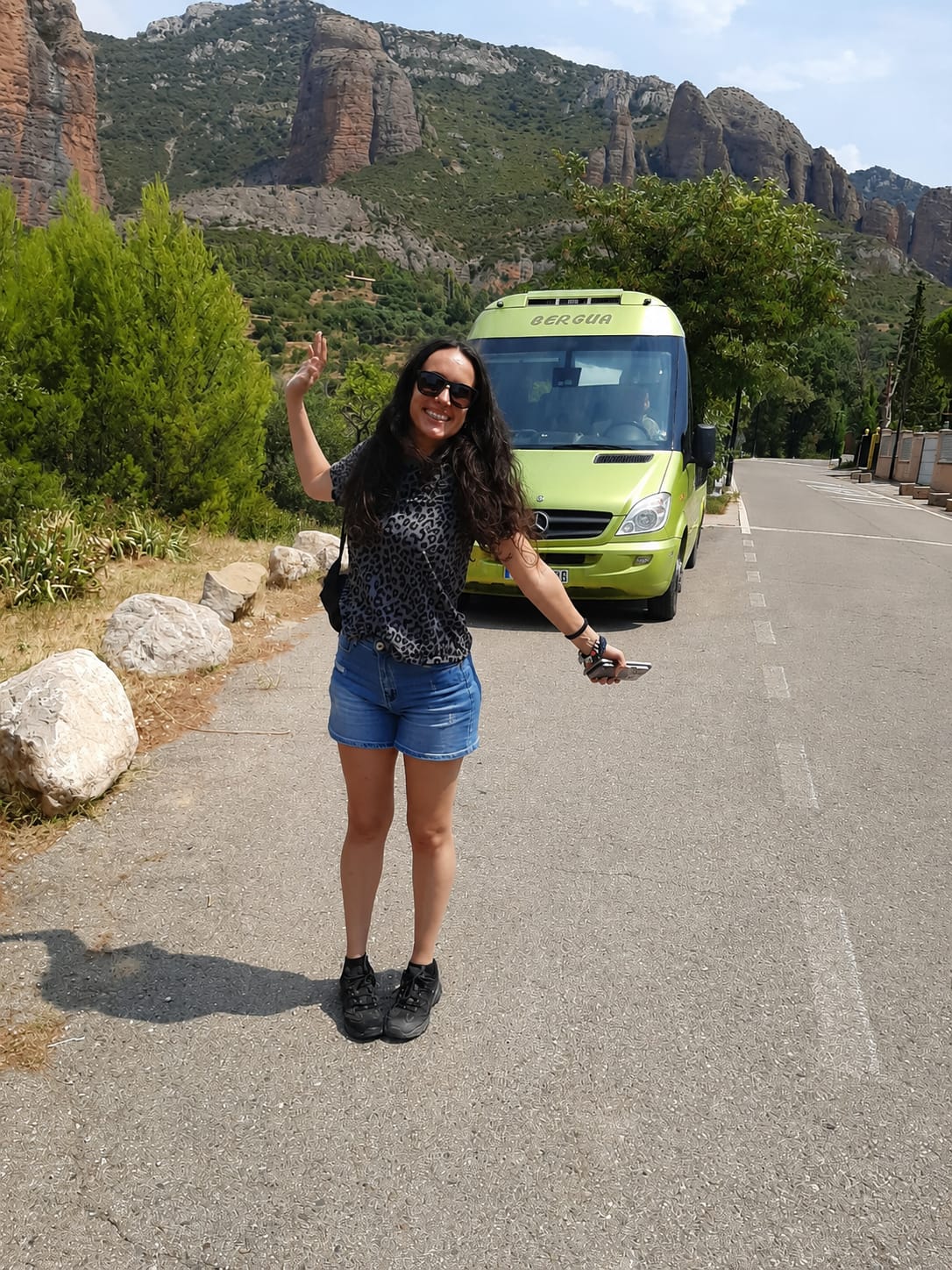
On the way from Zaragoza to Jaca we will make a brief stop in Los Mallos de Riglos to take scenic photographs. These distinctive mountain formations, known as “mallos”, are found on the outskirts of the village of Riglos.
They consist of geological rock formations up to 300 meters high. They were formed by nature more than 65 million years ago. Water erosion has since given them the shape they have today. We are having lunch here.

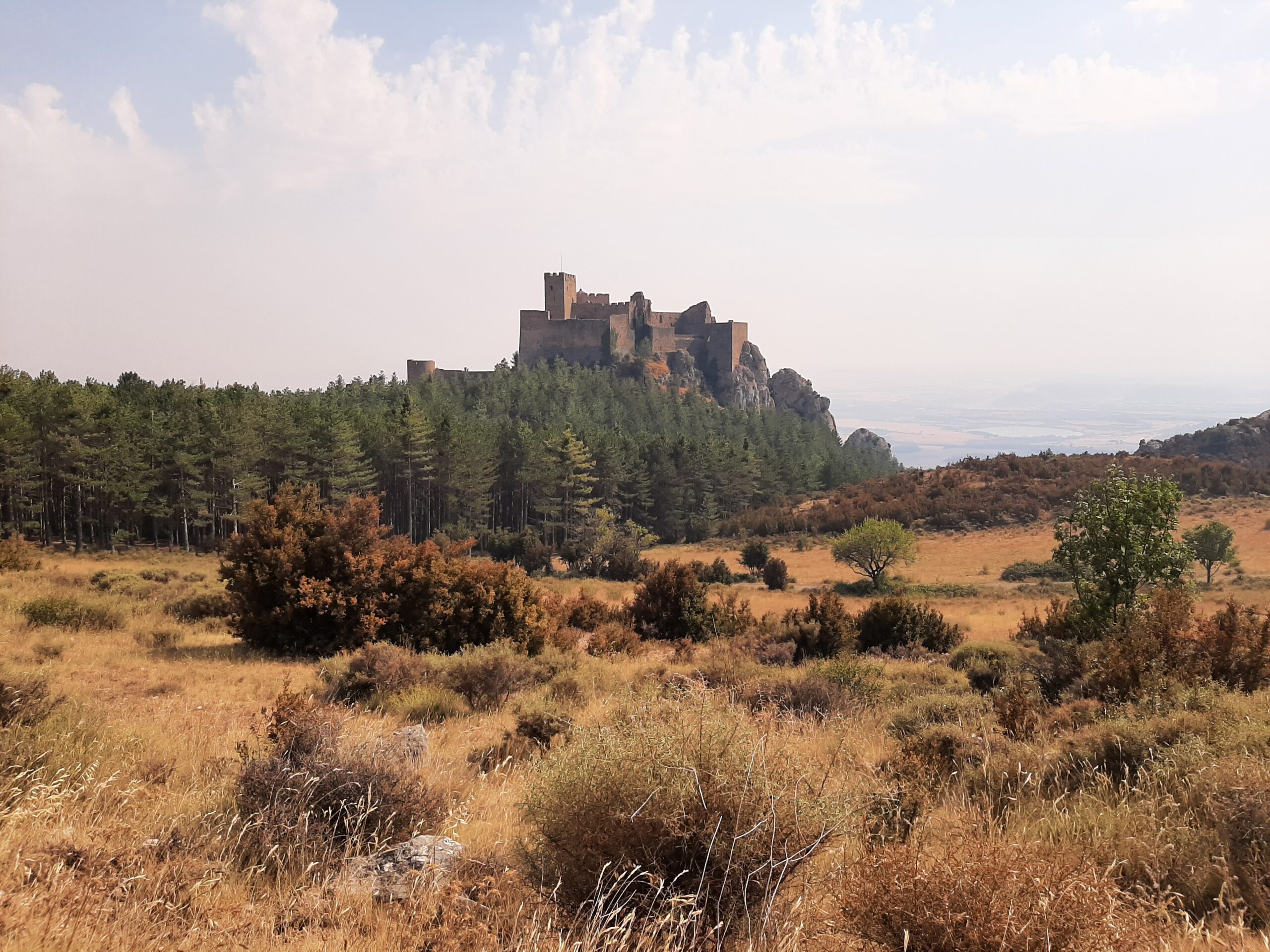
Castillo de Loarre
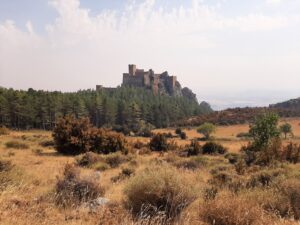
Castillo de Loarre is renowned as the best-preserved Romanesque castle in Europe. Perched strategically on a hill 1,070 metres above sea level, it offers breathtaking views of fertile farmland, an area that was once under Muslim influence.
Dating back to the 11th century, the castle was constructed atop the ruins of a Roman fort. Its primary function was to serve as a lookout post, monitoring Muslim activities. In more recent times, Castillo de Loarre has gained fame as a filming location for international Hollywood movies and Spanish reality series.
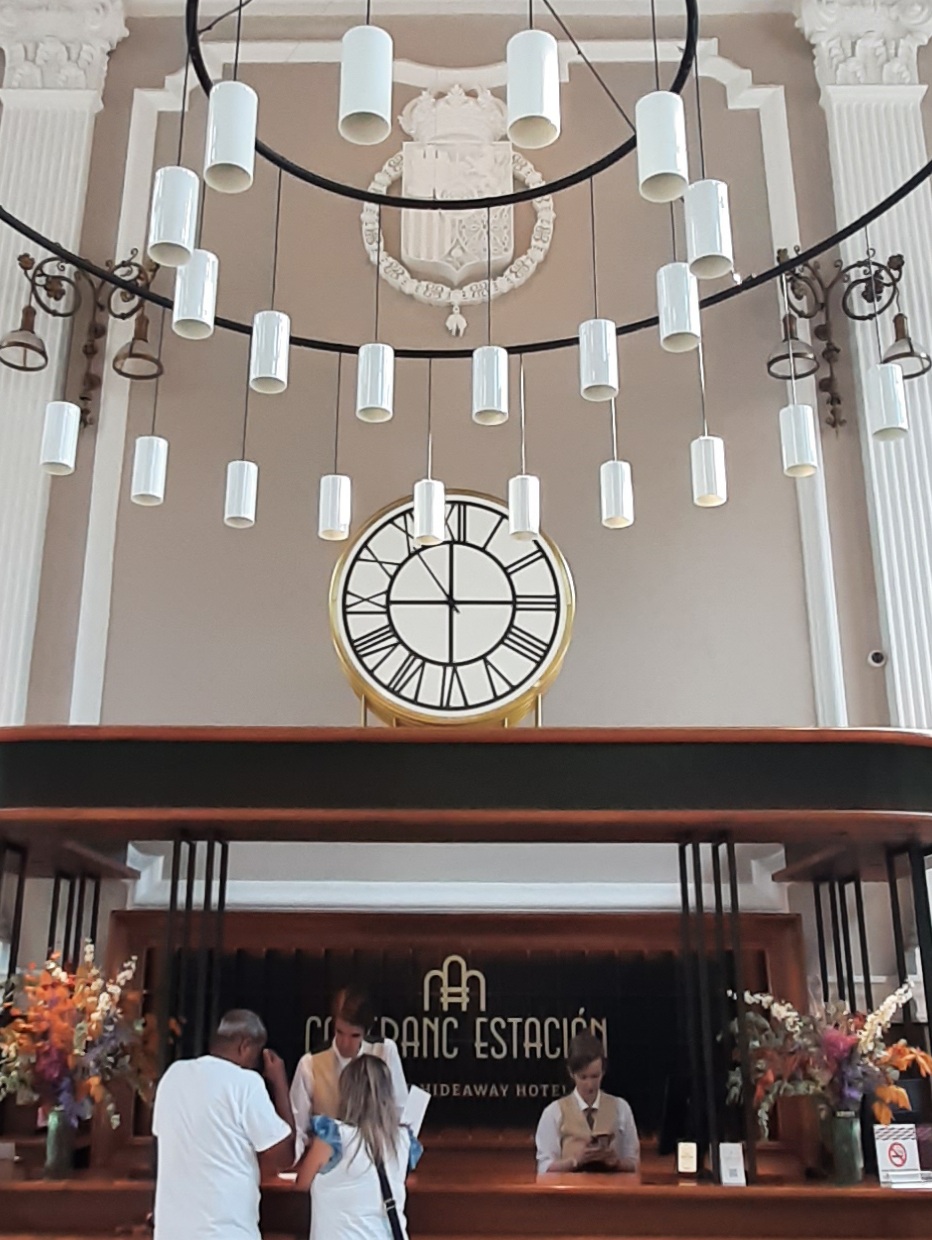
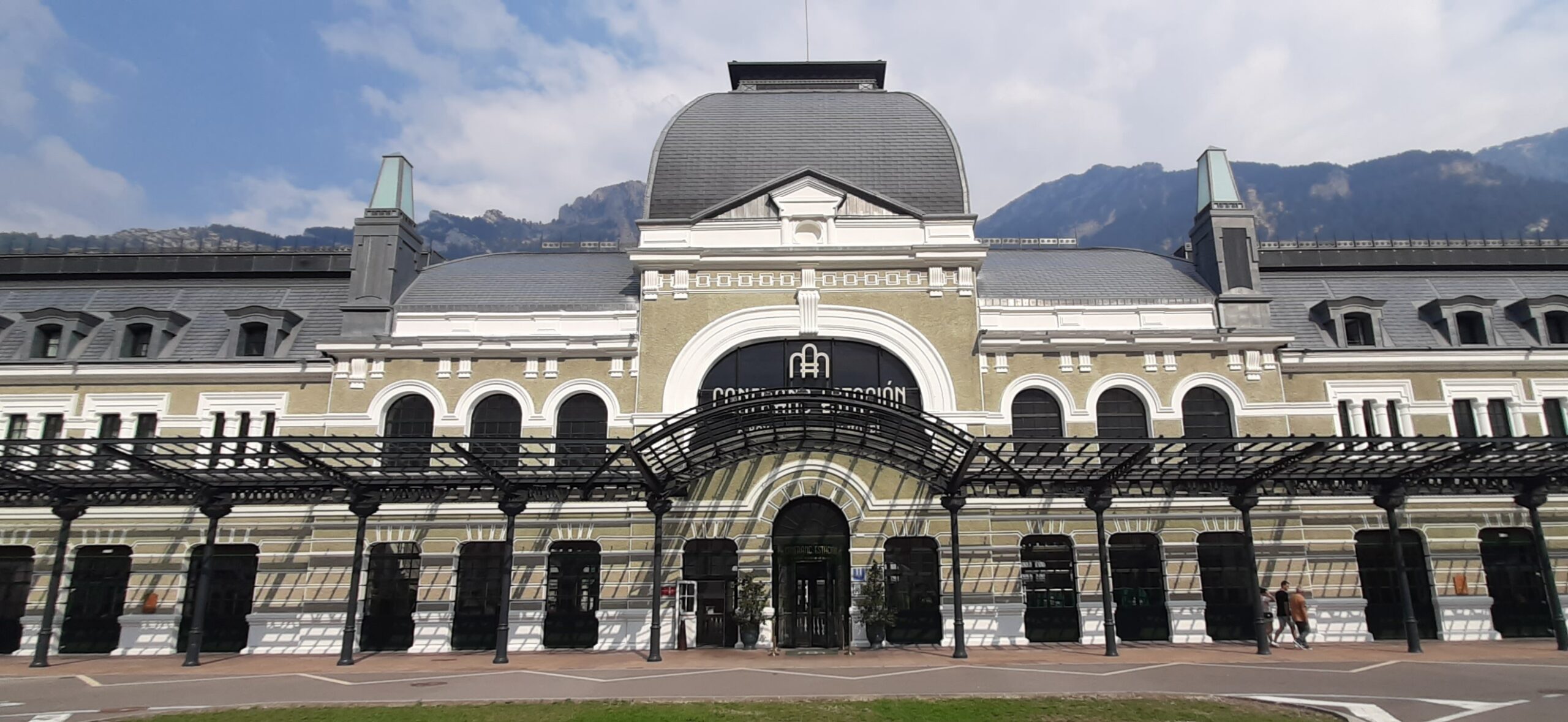
Estación Internacional de Canfranc
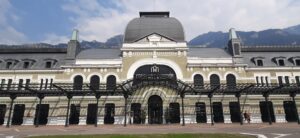
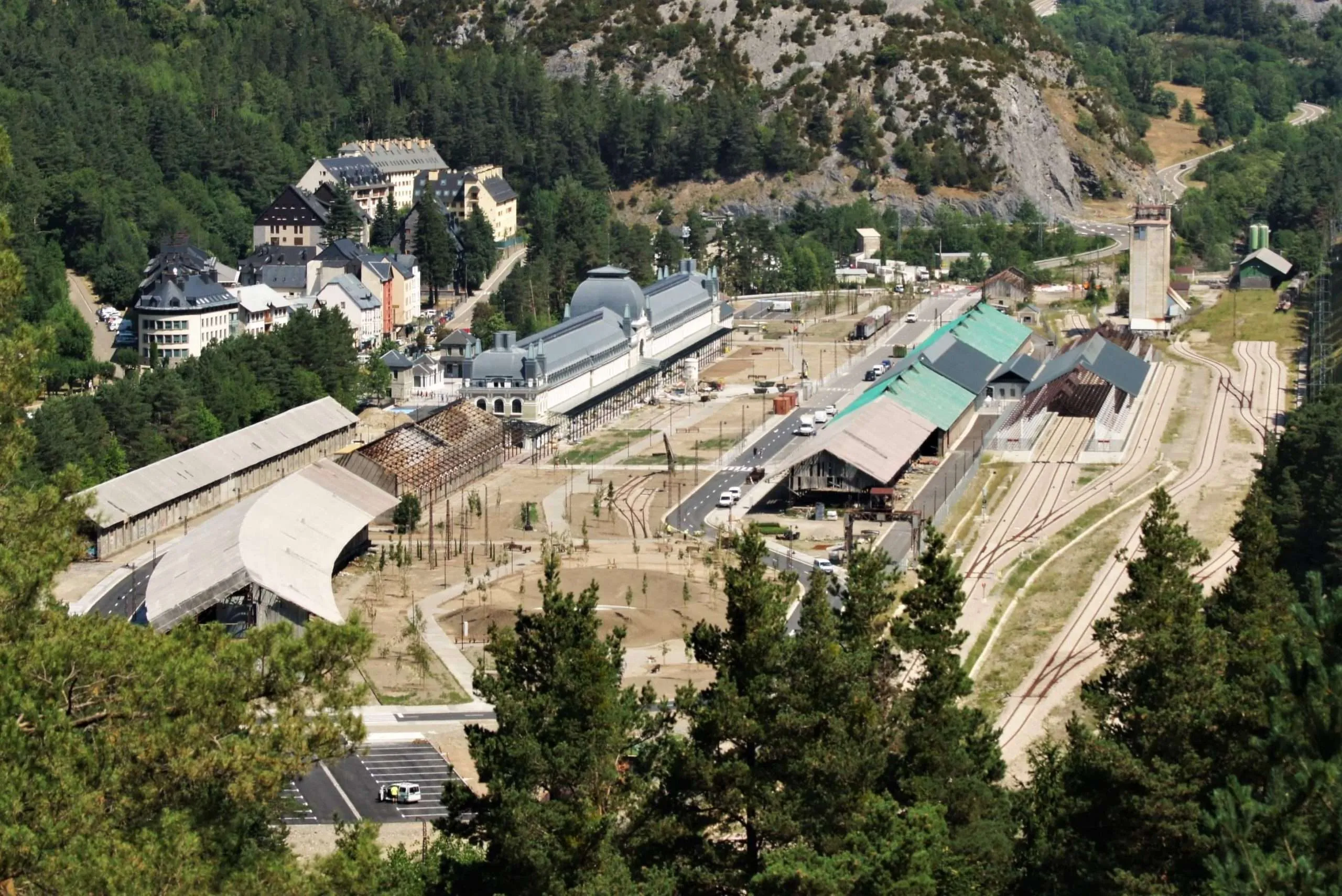
The 241-meter-long magnificent building was opened in 1928 and is known as an architectural masterpiece. It was built to serve railway traffic across the border between Spain and France. However, this came to an abrupt end in 1970 after a train derailment on a railway bridge on the French side of the Pyrenees.
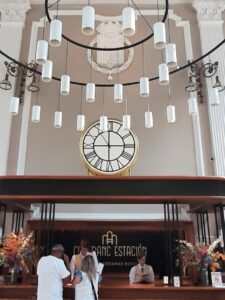
This was followed by years of decay until Spain's regional government in Aragón took ownership of the station in 2013. Ten years later, the Canfranc Estación Royal Hideaway Hotel opened.
During World War II, freight trains carrying extracted tungsten (used, among other things, in the arms industry) were transported northward. French grain, transshipped Swiss gold, and stolen art treasures were transported southward.
Passenger traffic contributed to Jews and Allied soldiers having an escape route into Spain on the way to neutral Portugal. Nazi agents tried their best to put obstacles in the way of the refugees.
Jaca
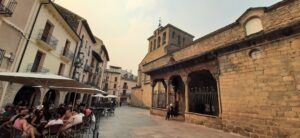
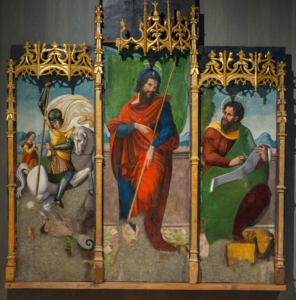
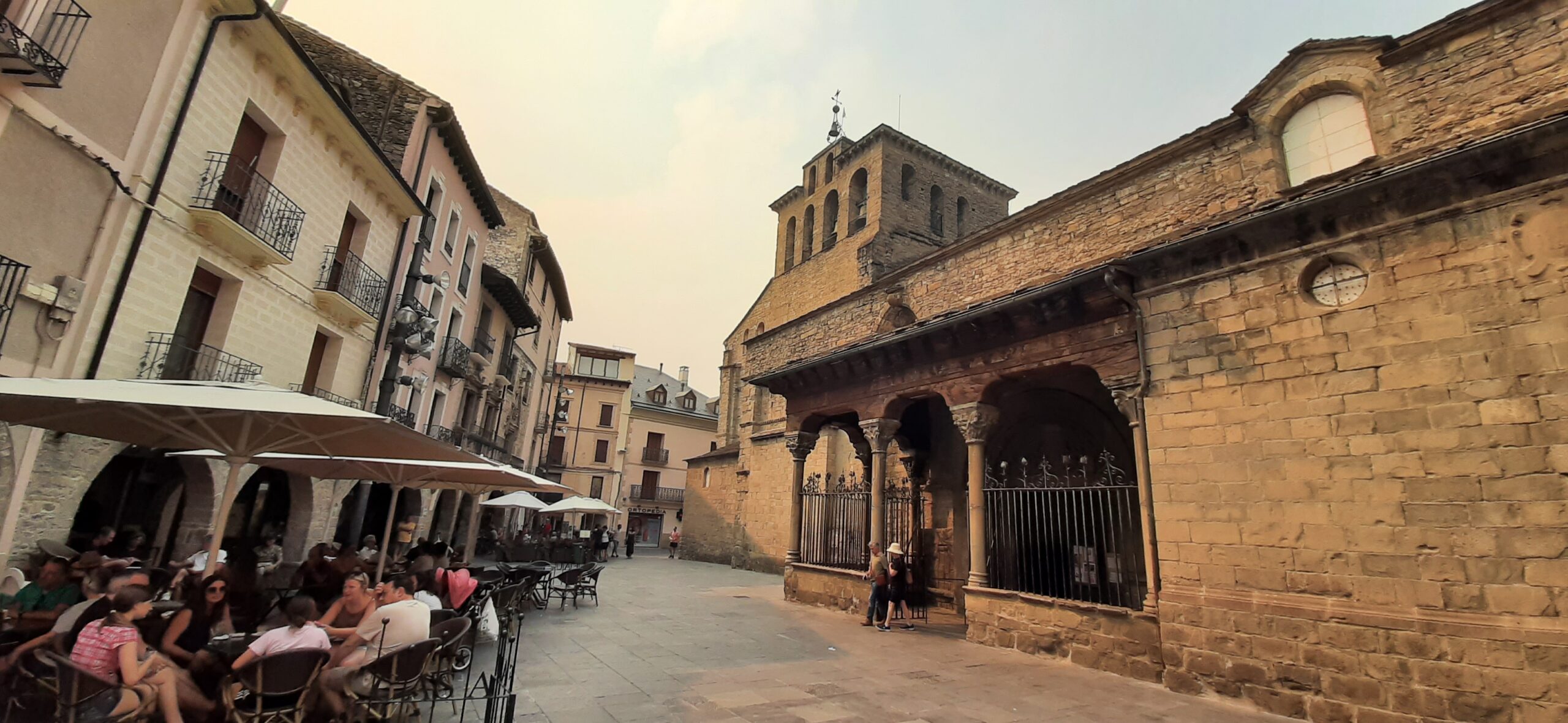
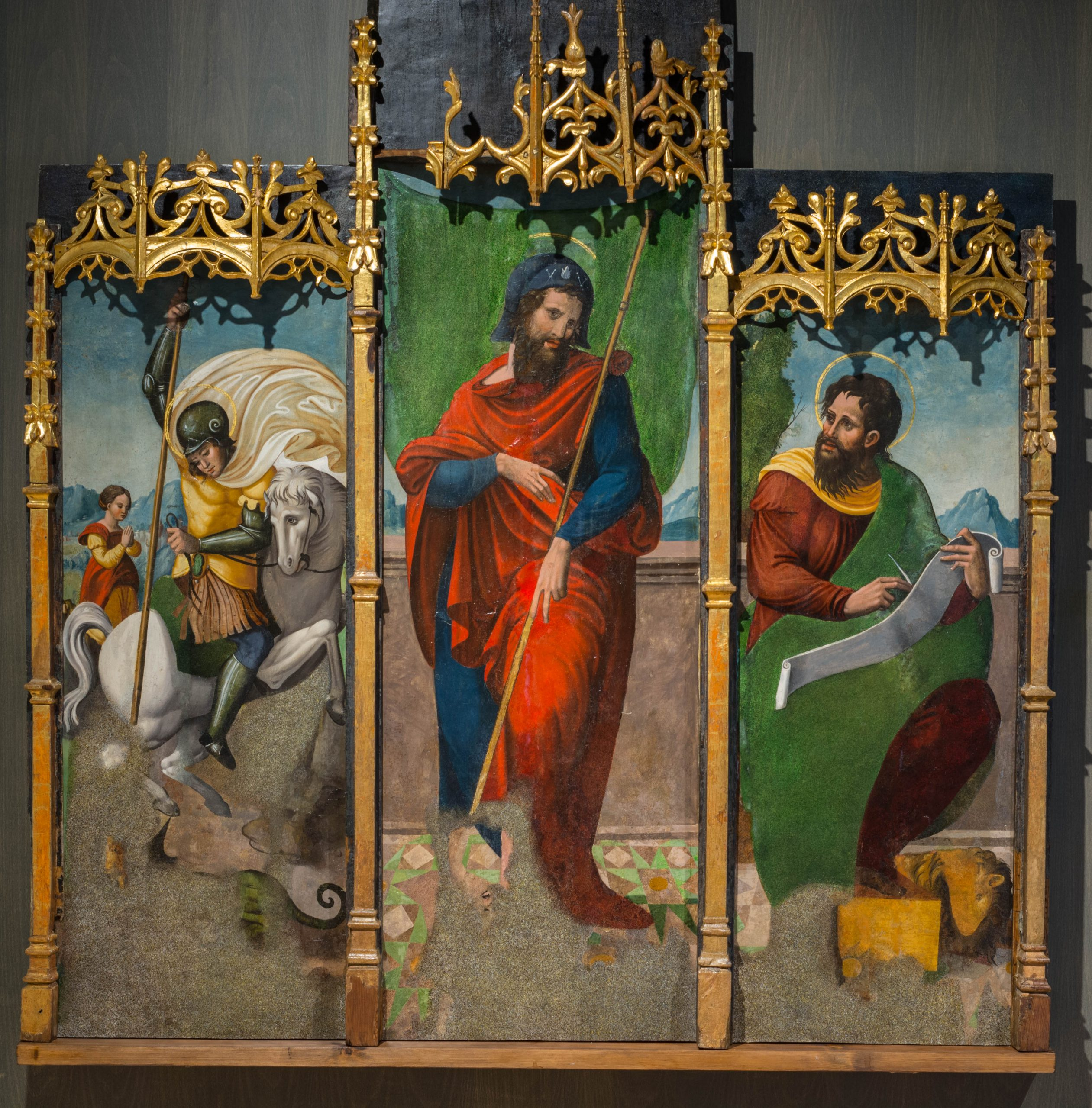
Jaca is a lively city that combines modernity, tradition, history, beautiful scenery, and a unique monumental heritage. The city attracts visitors both in the summer and winter months. The city was appointed as the first capital of the Kingdom of Aragon, which was established in 1035 AD.
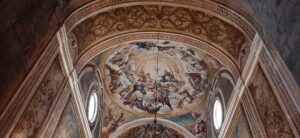
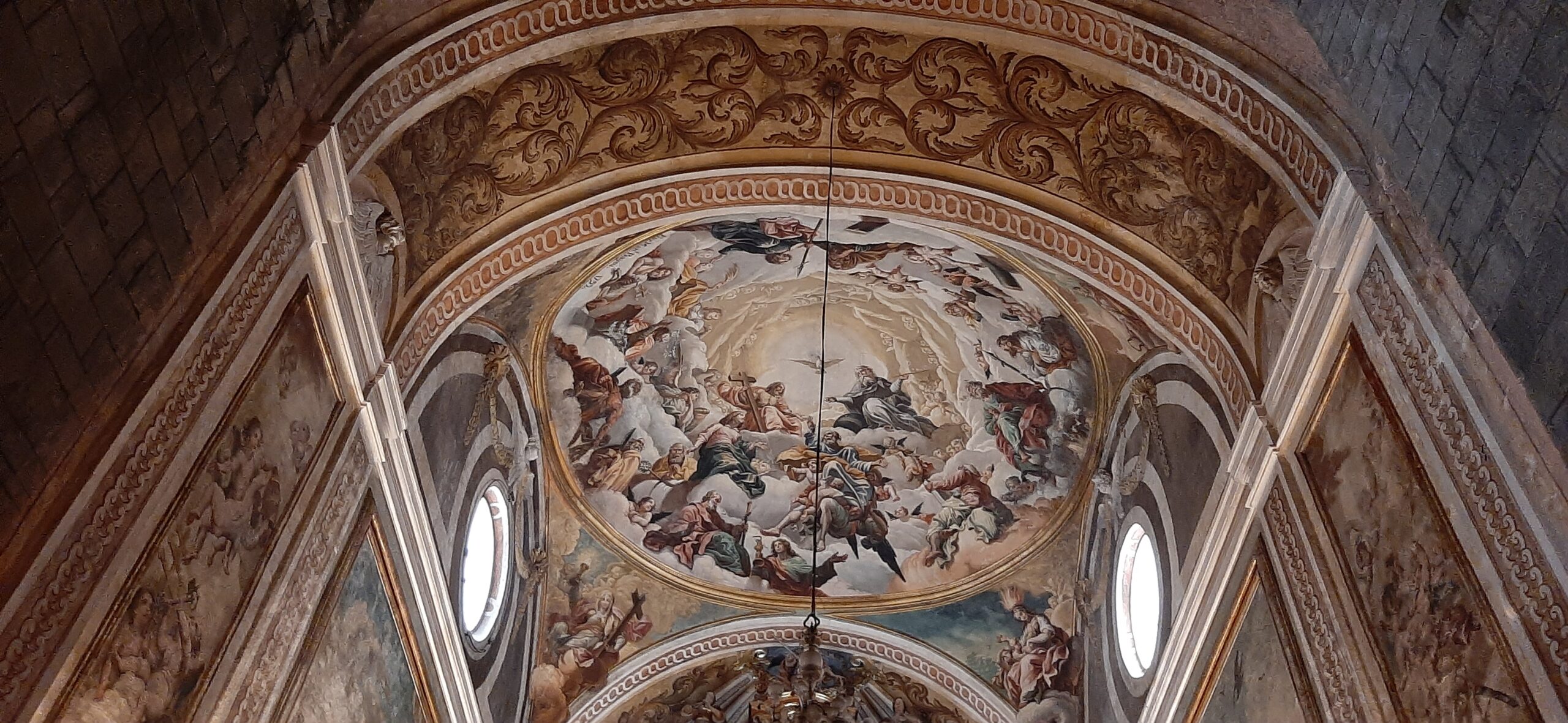
St. Peter's Cathedral is today a popular stop for pilgrims crossing the border from southern France on their way to Santiago de Compostela. The cathedral is considered one of the most important monuments of Spanish Romanesque art.
We also make a stop at the citadel (Ciudadela), a military fortress from the 17th century. The fortress reflects Jaca's military significance throughout history.
Real Monasterio de San Juan de la Peña
The Monastery of San Juan de la Peña stands as a testament to faith and history. Nestled under a majestic cliff, the monastery's remarkable architecture and unique location evoke a sense of mystique and tranquillity, while drawing you closer to the grandeur of the past.
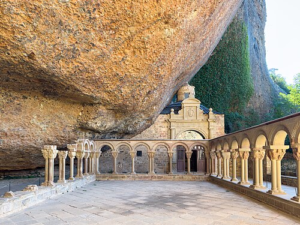
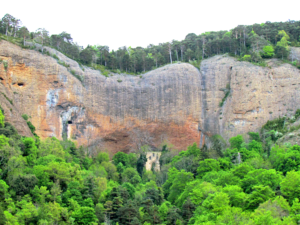
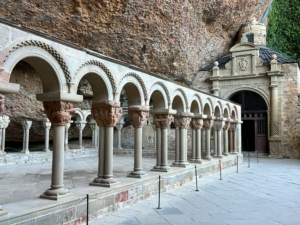
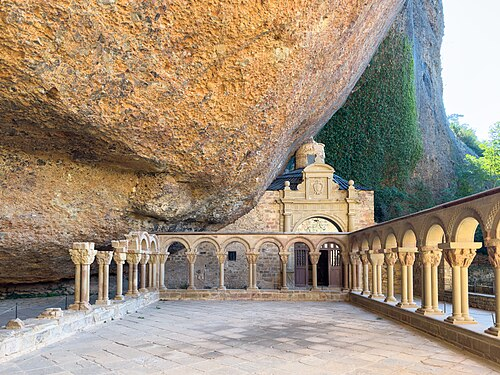
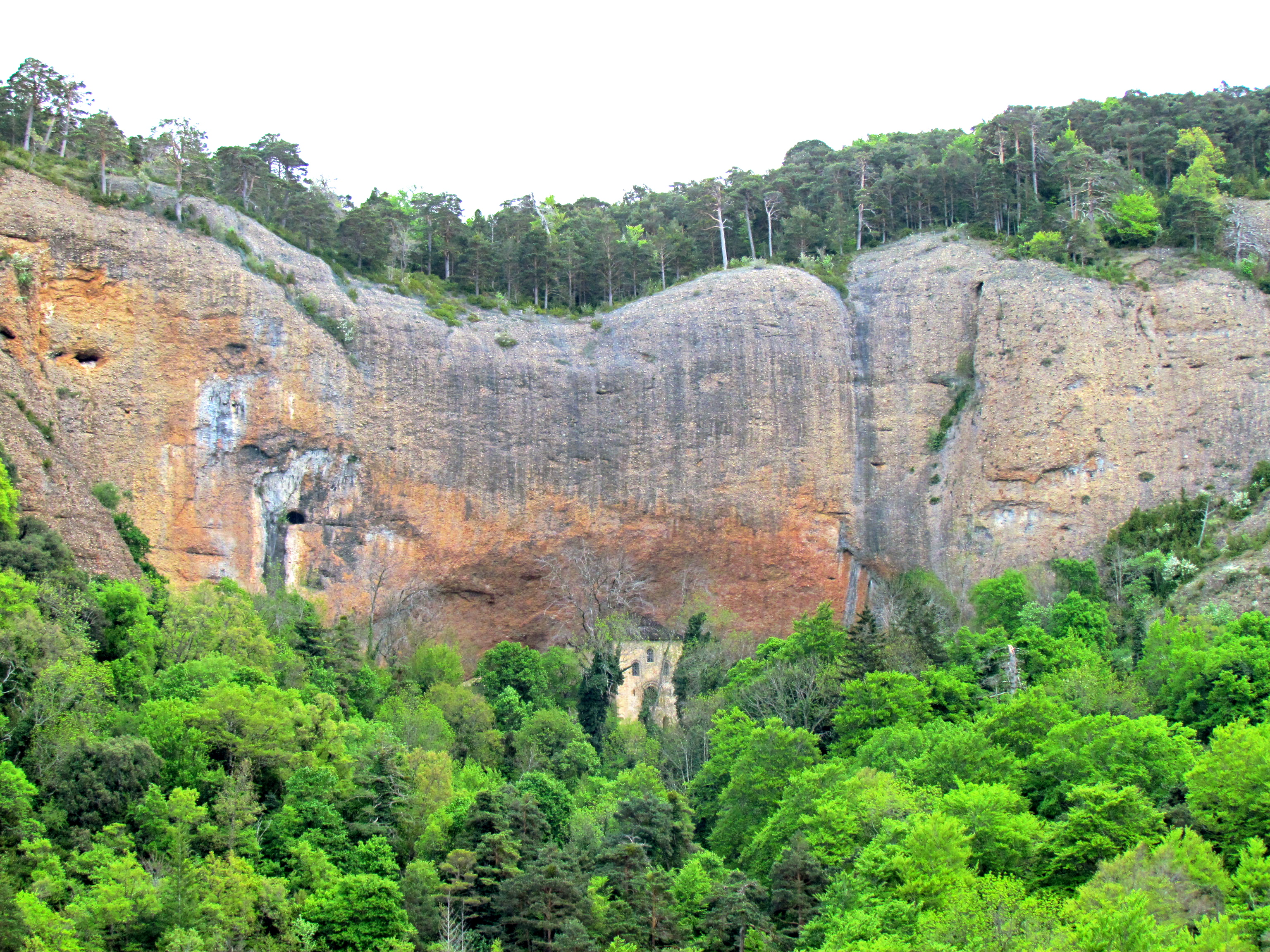
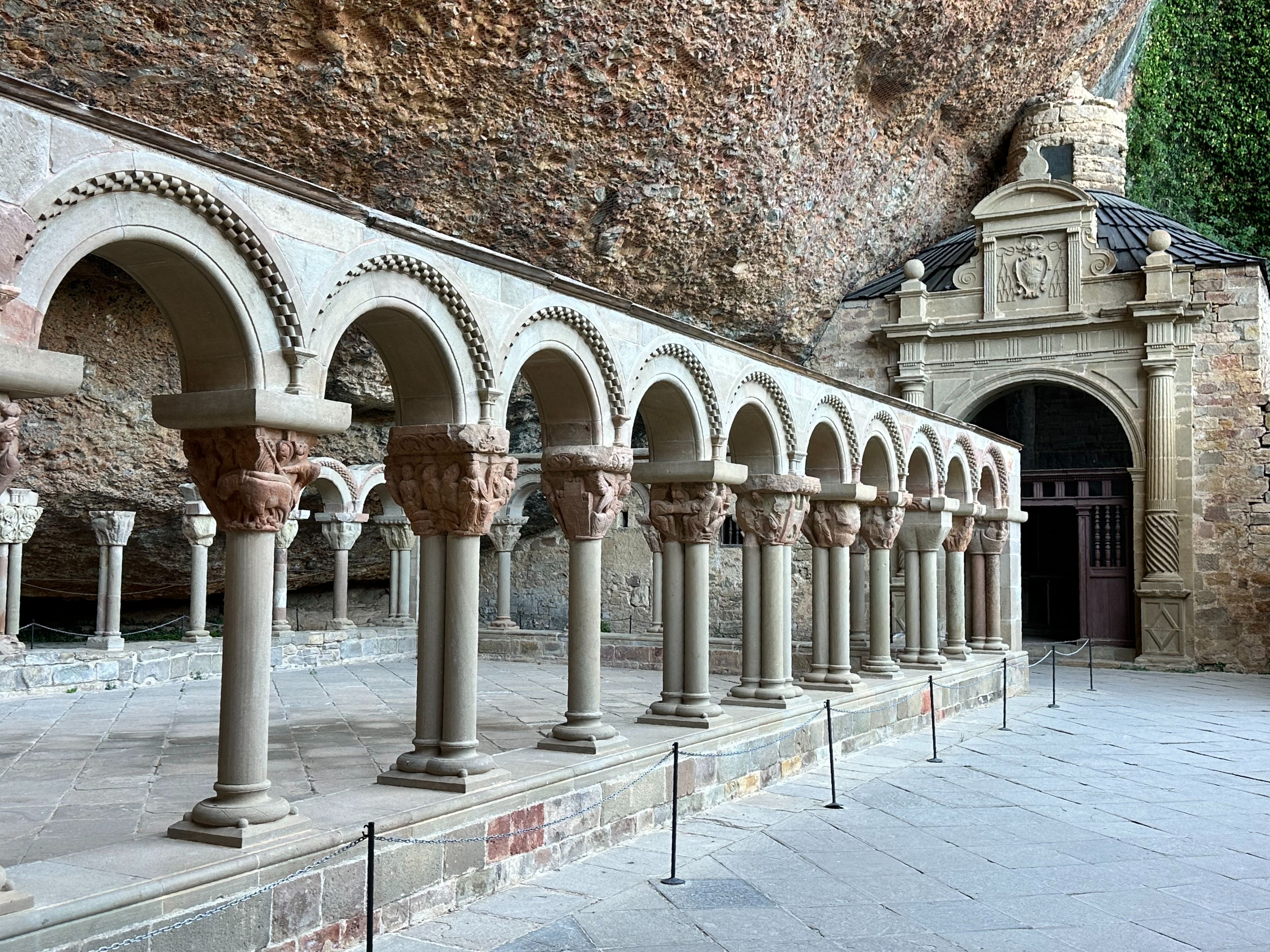
Known as the birthplace of the Kingdom of Aragón, the monastery holds a significant place in the region's history. Here, you can experience Romanesque art at its finest and gain a glimpse into how earlier generations lived and worshipped, surrounded by the dramatic beauty of nature.
Extensvie forest fire west of Huesca prevented us from visiting.
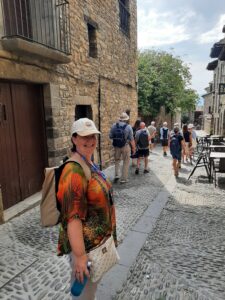
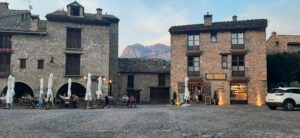
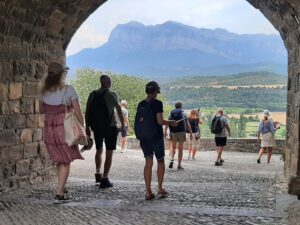
Aínsa – Spanish medevial town
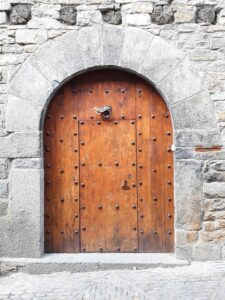
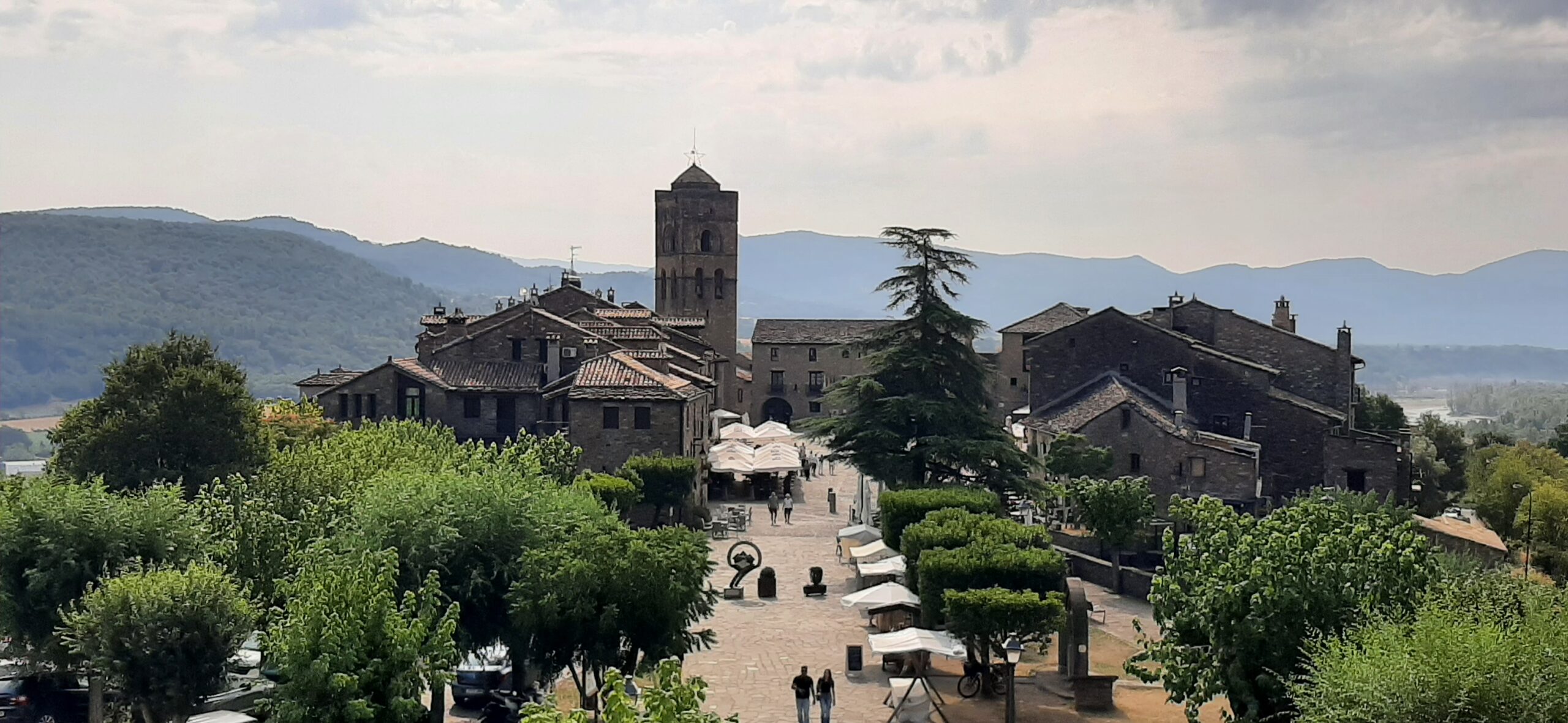
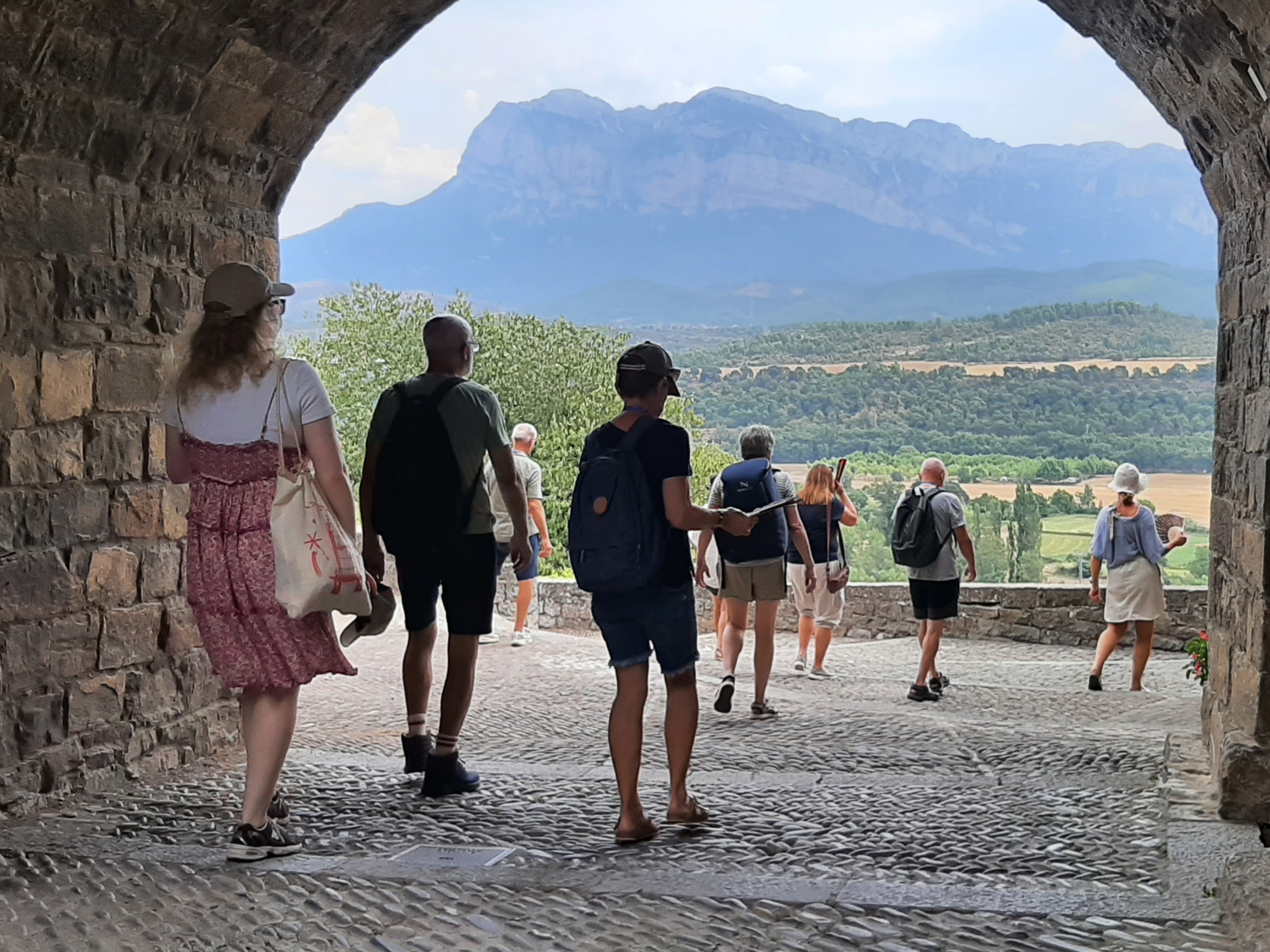
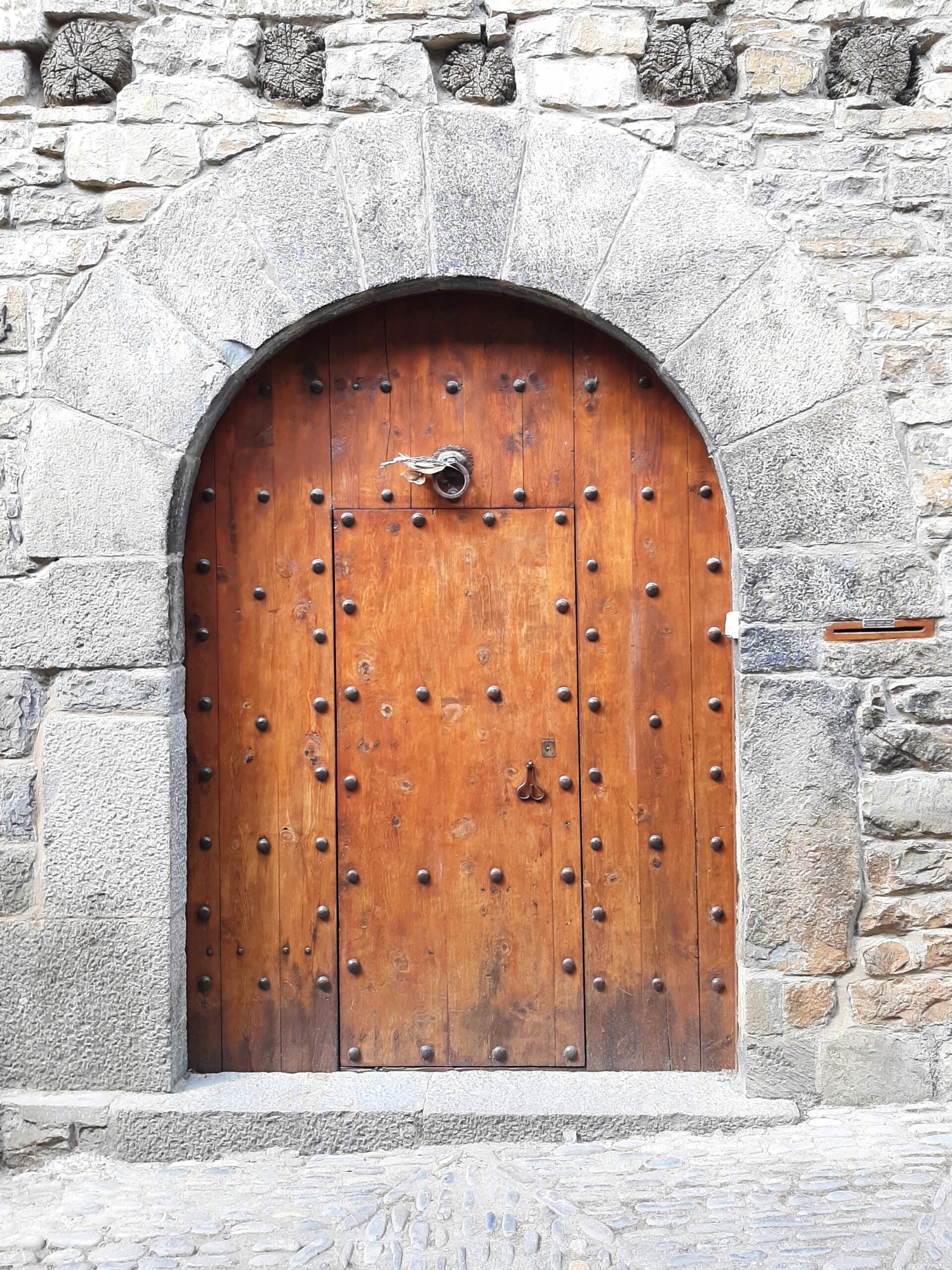
Aínsa is a charming medieval town known for its well-preserved historic centre. Here, you will find numerous densely packed, uniform houses, the tower of the collegiate church, and a vast castle enclosure.
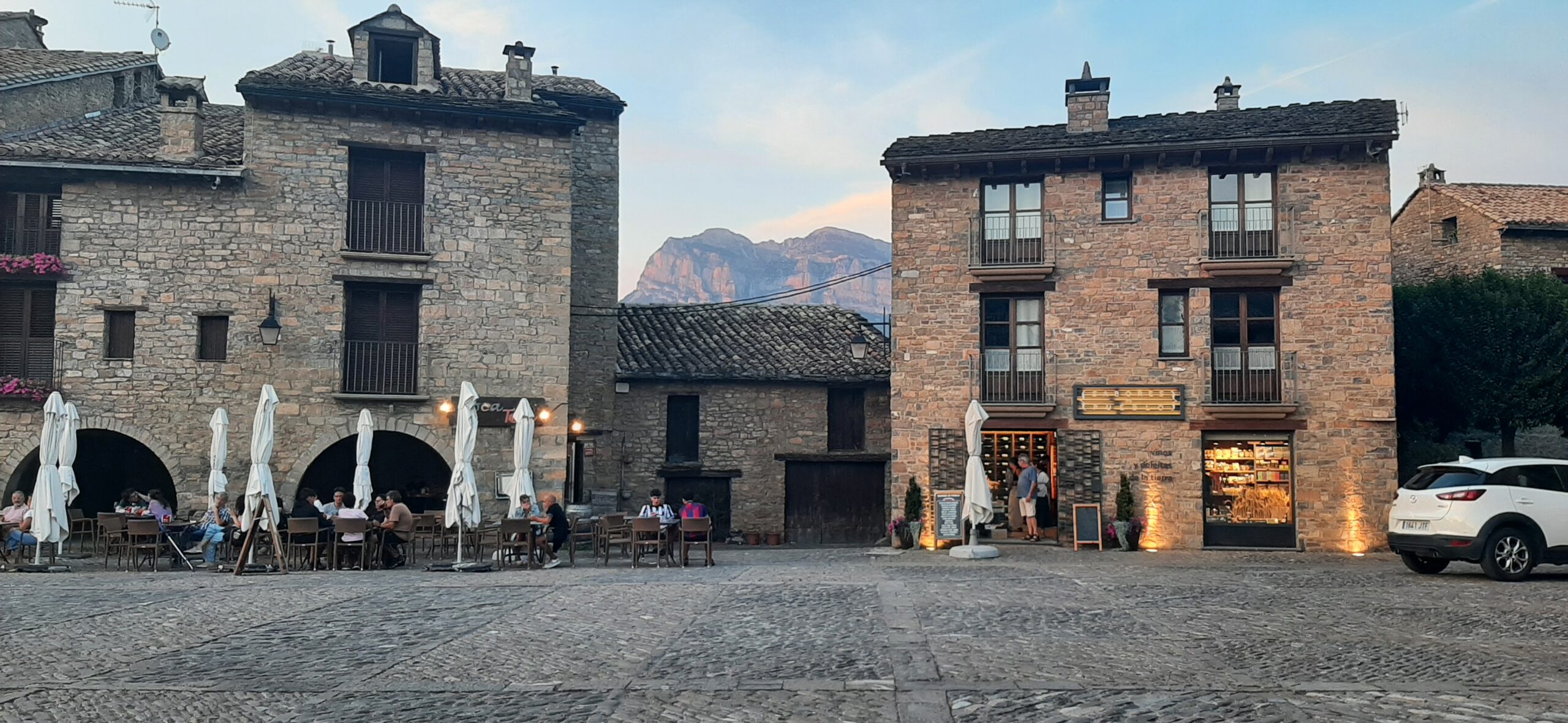
Next to the Plaza Mayor, with arcades on both sides, stands the Romanesque church of Santa María from the first half of the 12th century. We will admire the façade, a crypt, and a tower that dominates the urban landscape. The monastery was built in the 13th century.
We spend four nights at the hotel in Aínsa.
Alquézar – Moorish medivial town
The beautiful medieval town of Alquézar is idyllically located at the foot of the Pyrenees in the Sierra de Guara National Park. The location is an ideal starting point for leisure activities such as canyoning, hiking, horse riding and mountain biking. If you're lucky, you may also come across cave paintings on Vero's riverbank.
We are here to visit the collegiate church of Santa María la Mayor (‘parish church’) to delve into its historical details. The origins of the church date back to the 9th century when the area was under Muslim influence. It was built as part of a fortification to defend against the advance of Christian kingdoms.
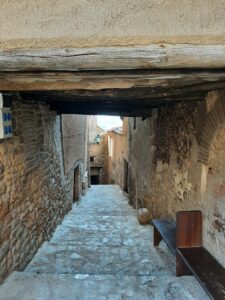
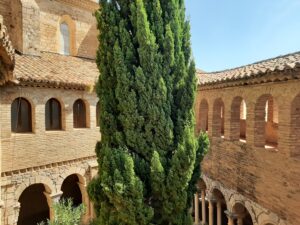
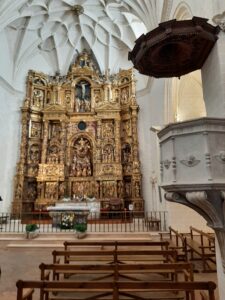
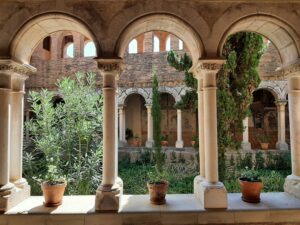
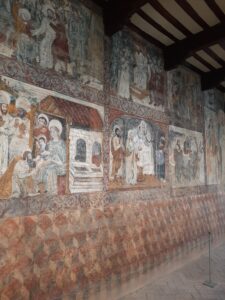
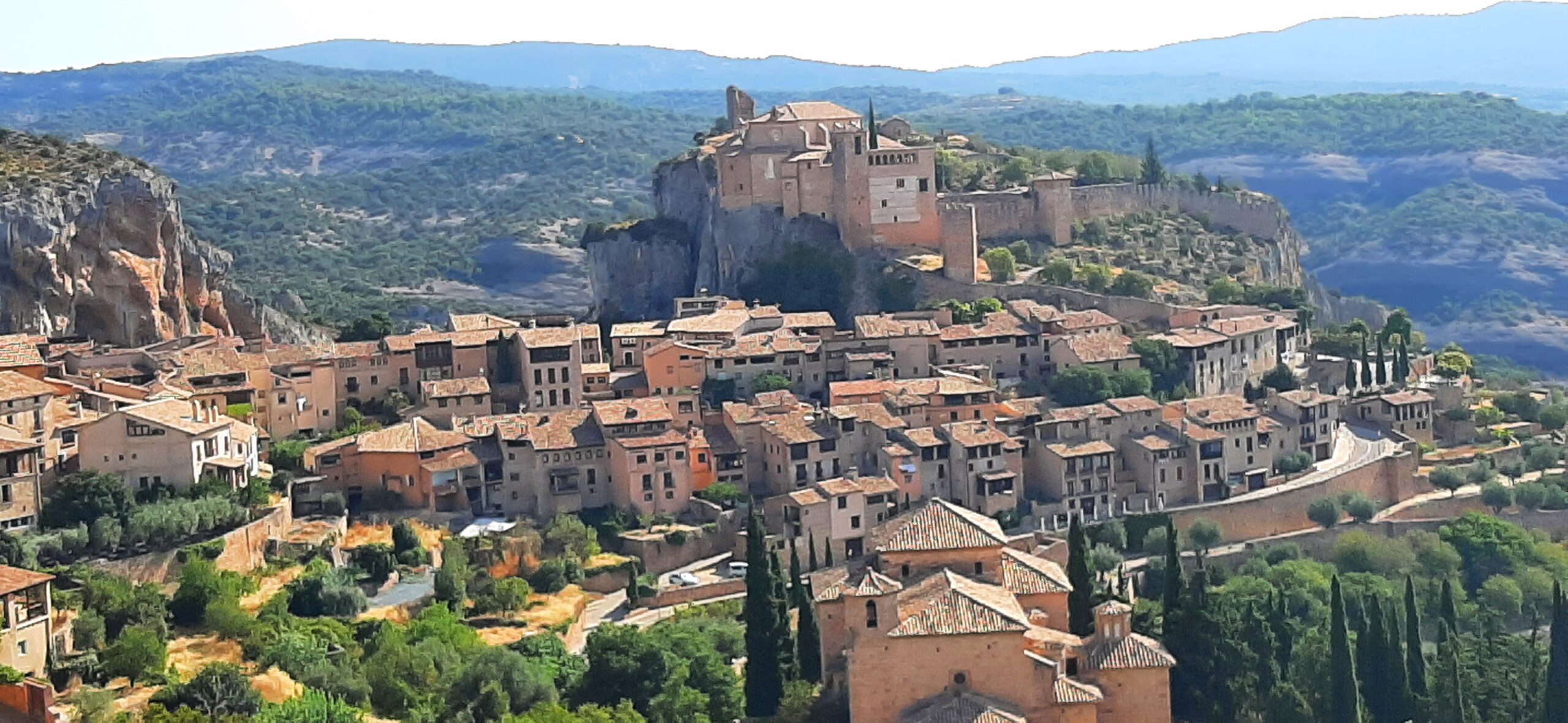
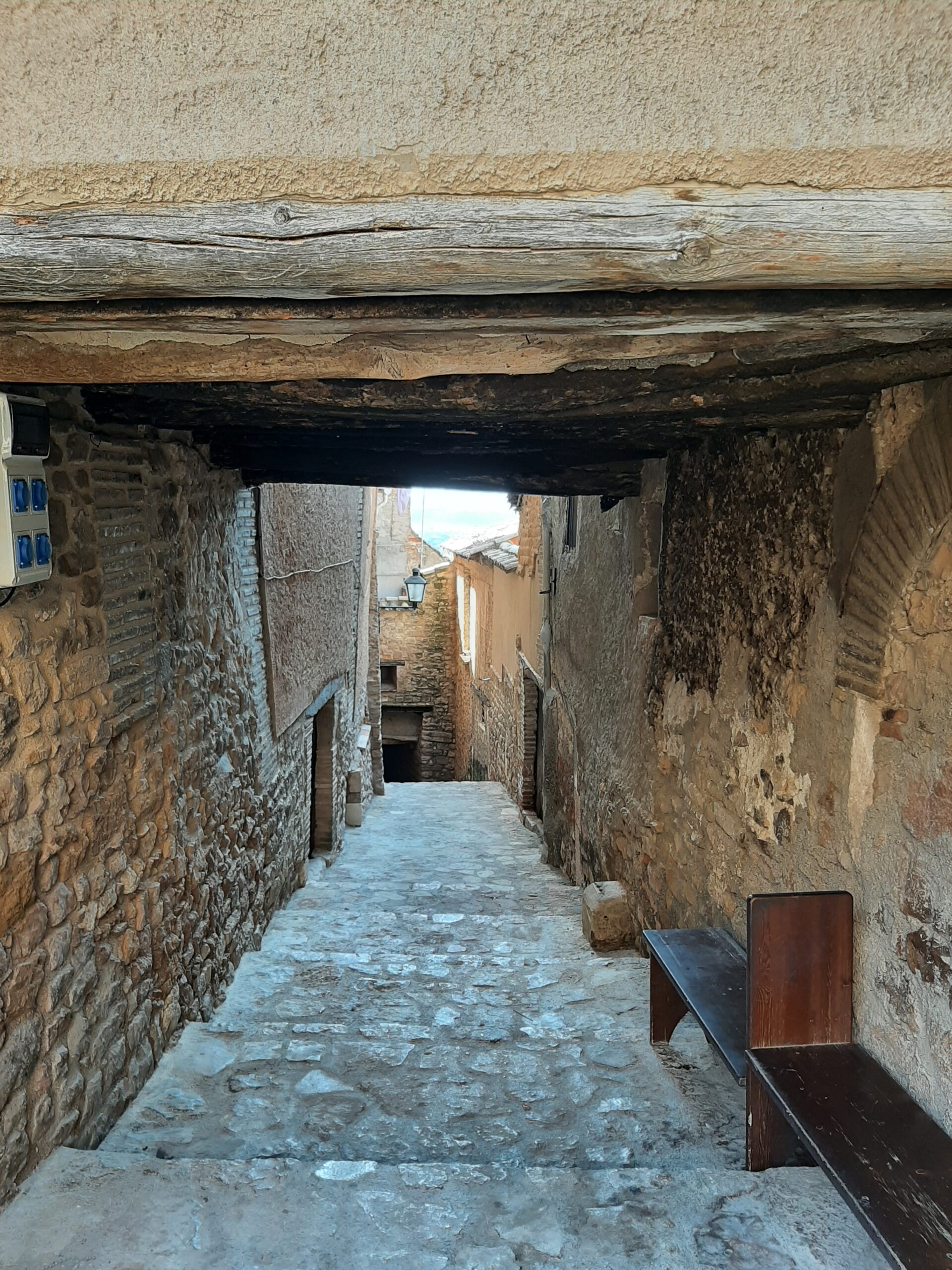
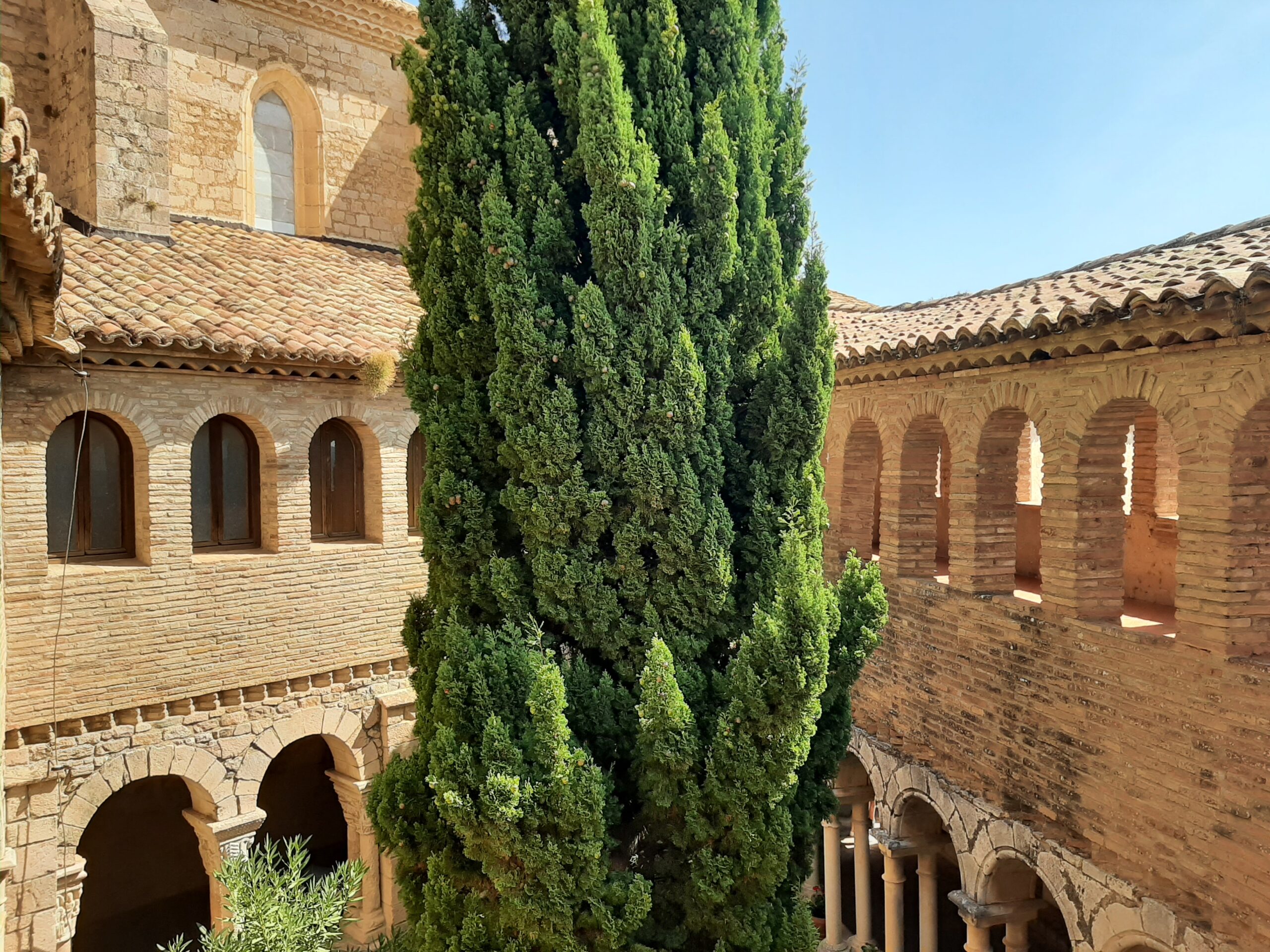
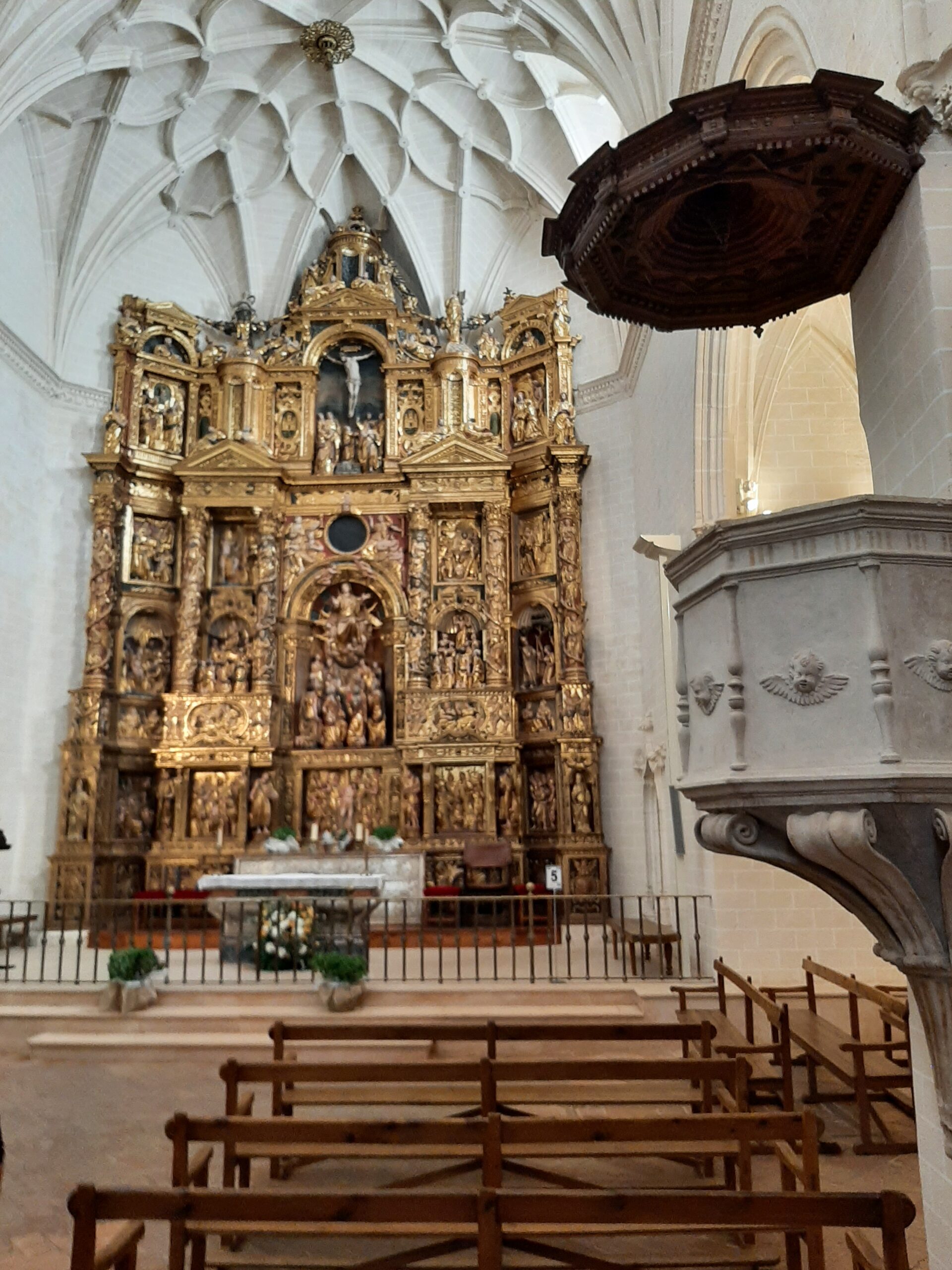
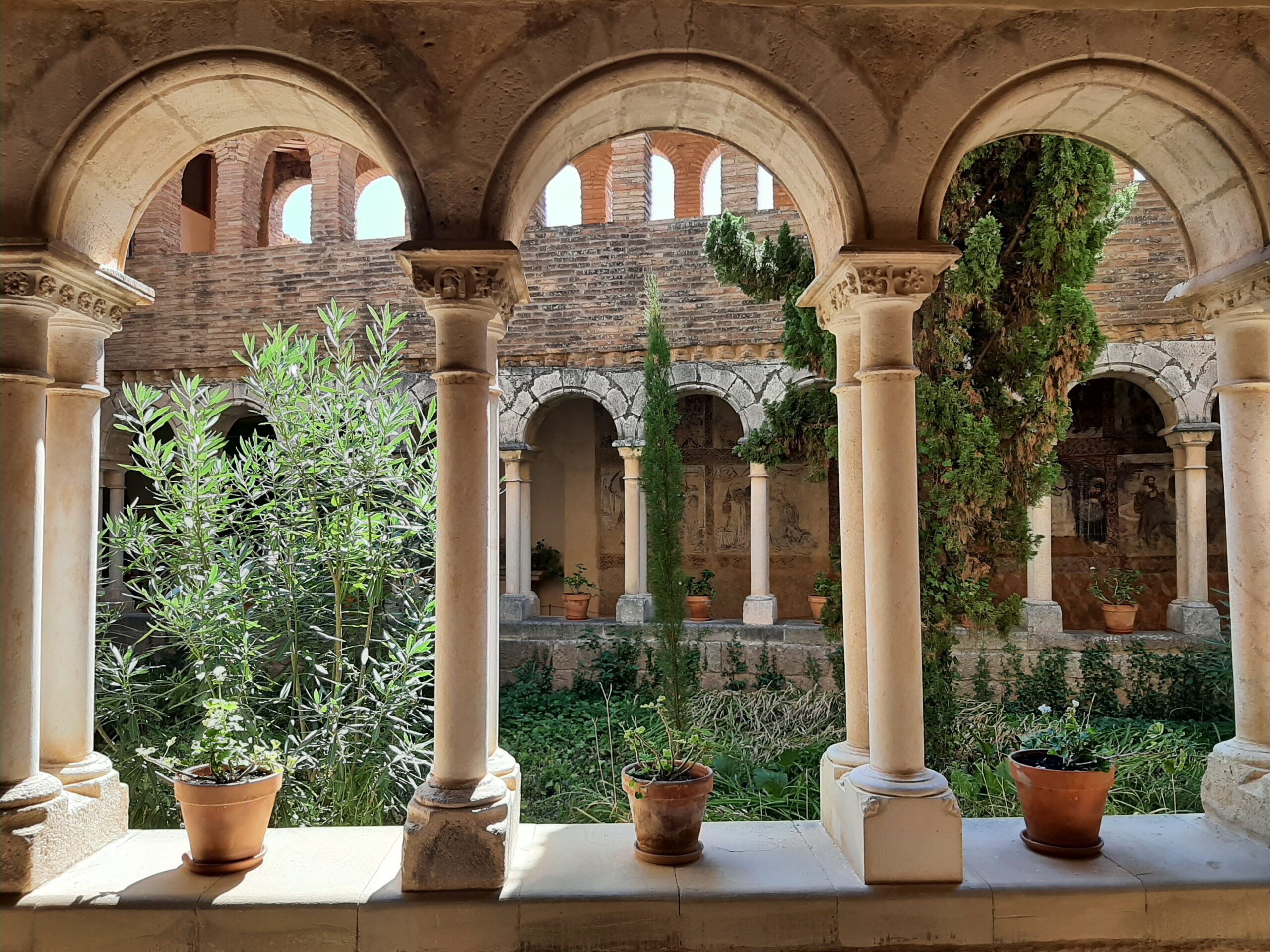
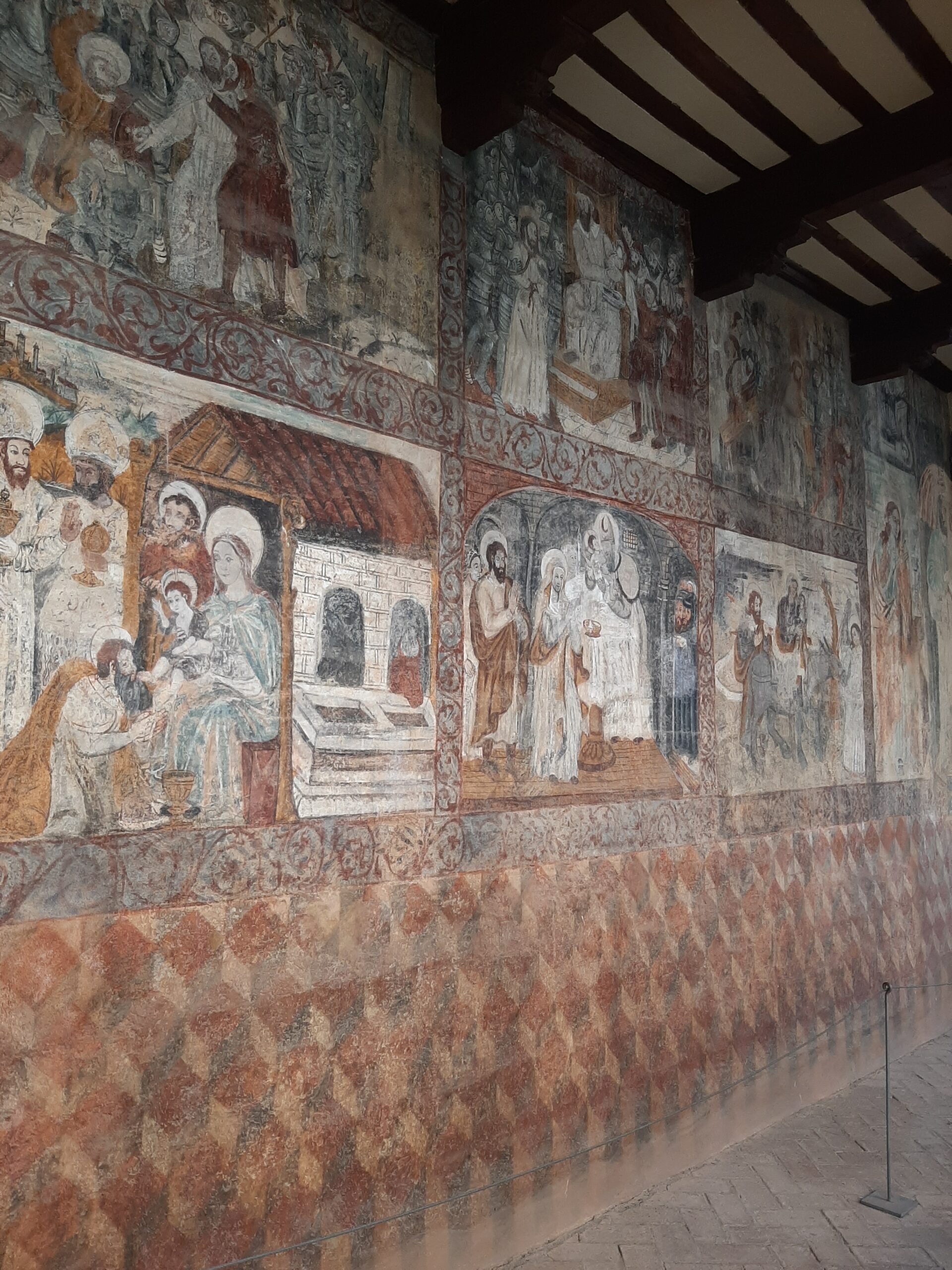
One of the most fascinating sections in the collegiate church is the trapezoidal cloister. Here we find murals (frescoes) depicting scenes from the New Testament dating back to the 13th century.
Vinyard visit and lunch
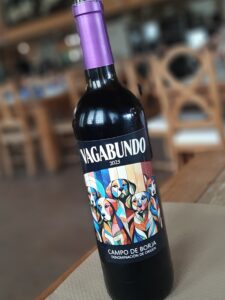
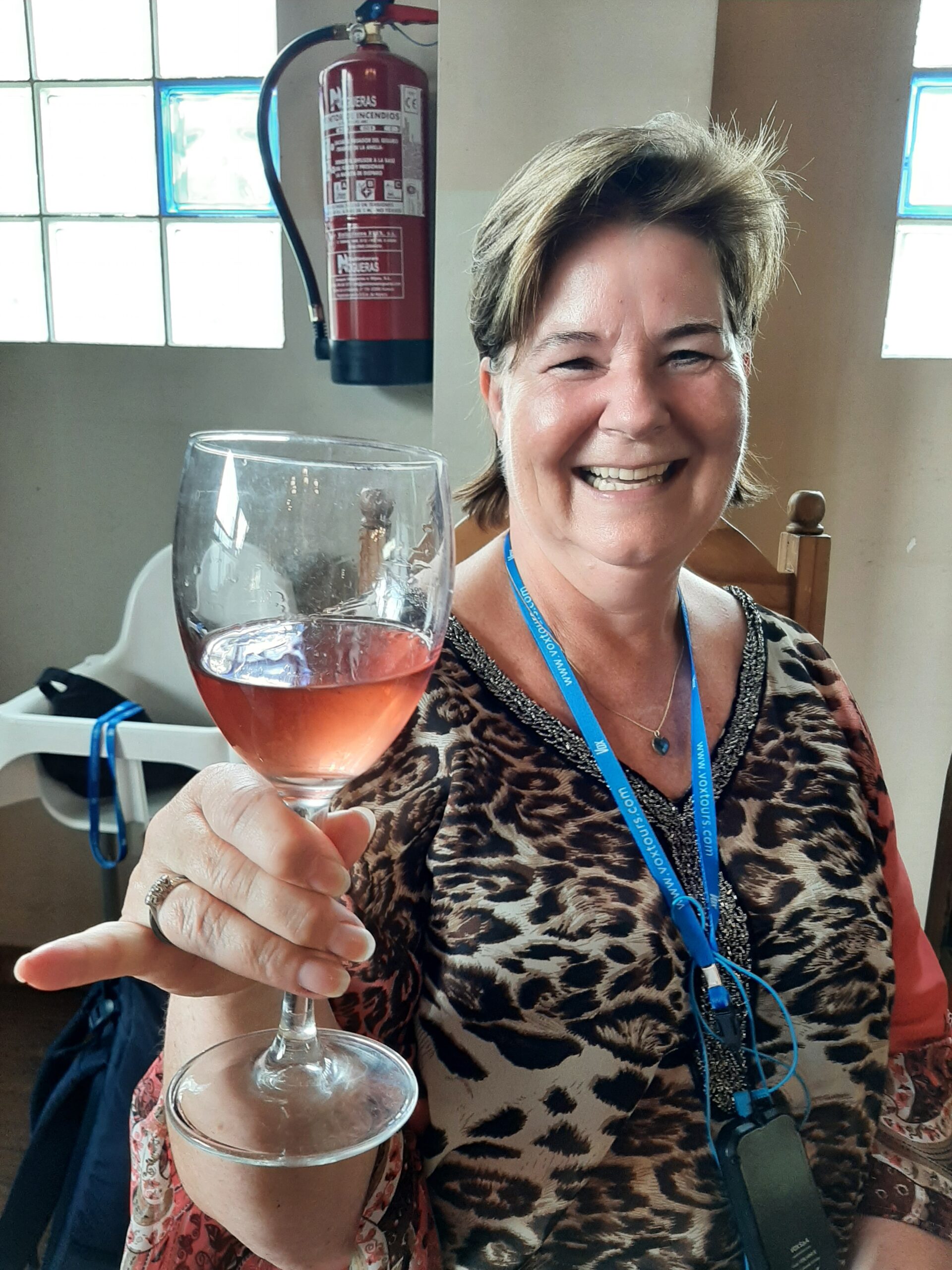
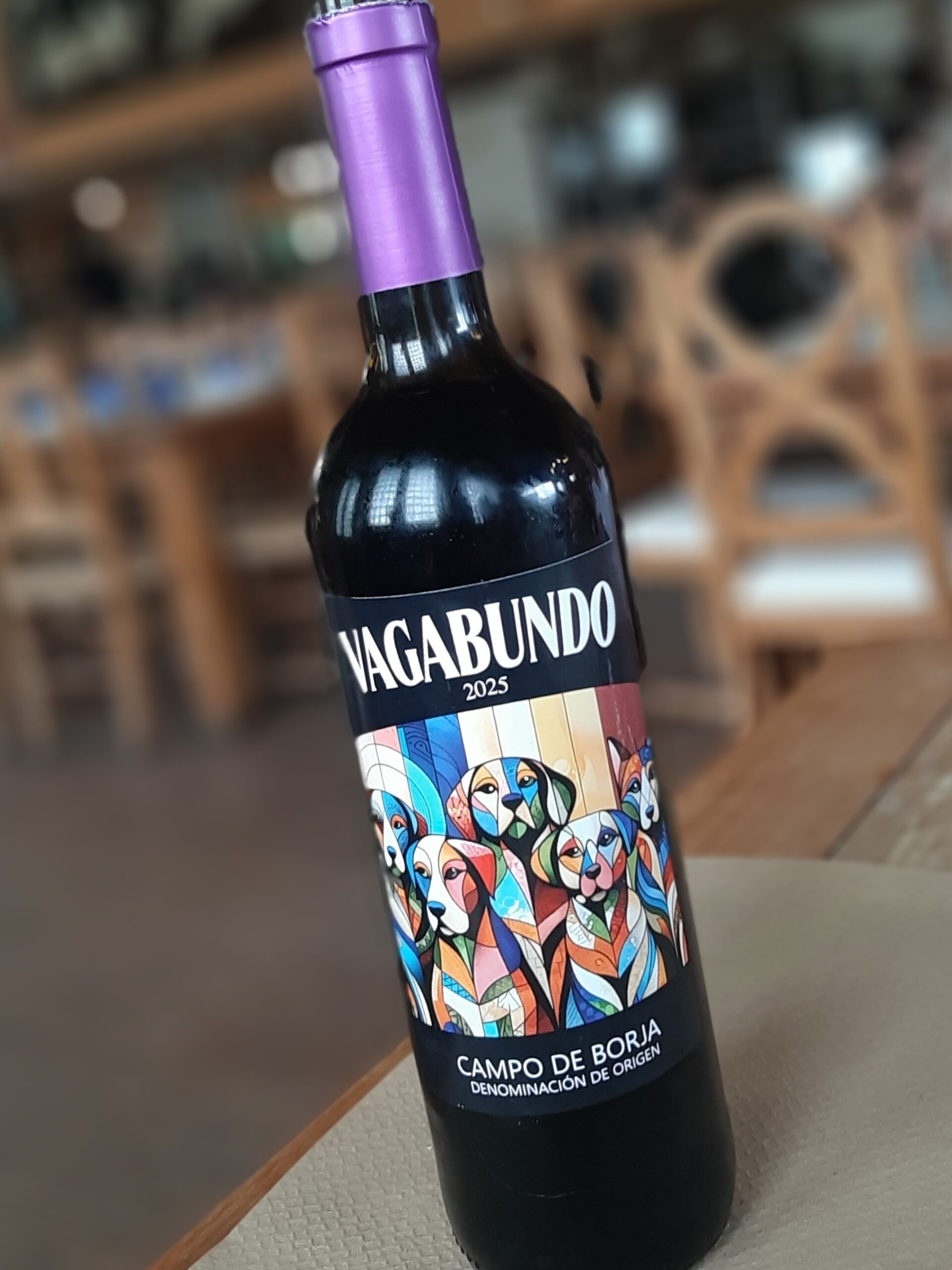
Bodega Pirineos is a long-established wine producer based in Barbastro, in the Somontano D.O.P. The present-day winery was founded in 1993, with roots in a local co-operative tradition dating back to 1964. It works with more than 150 winegrowers and cultivates over 700 hectares of vineyards across more than 20 villages. The producer combines native grape varieties with international ones.
Its best-known grapes are the native Moristel, Garnacha and Parraleta, alongside varieties including Cabernet Sauvignon, Merlot, Chardonnay and Gewürztraminer.
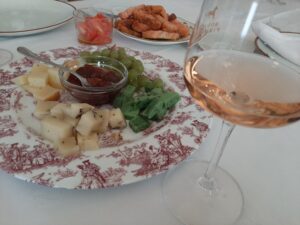
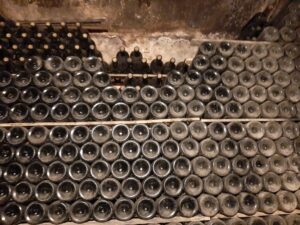
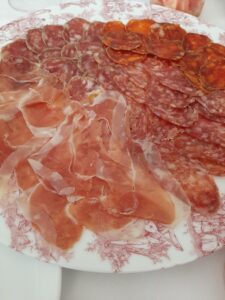
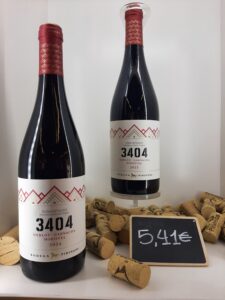
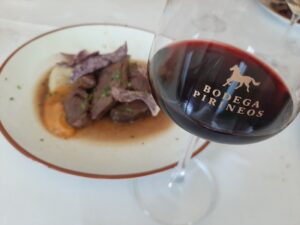
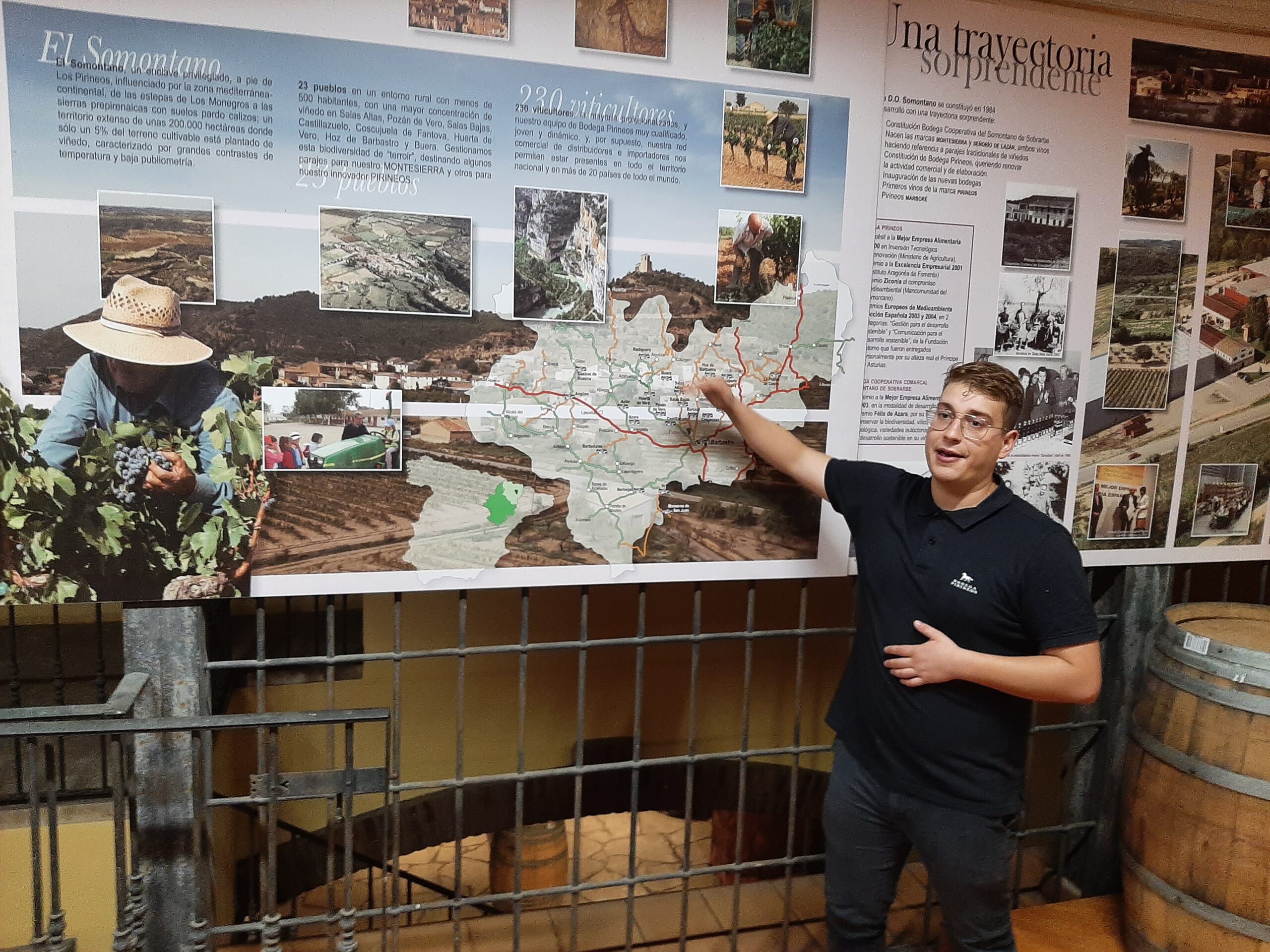
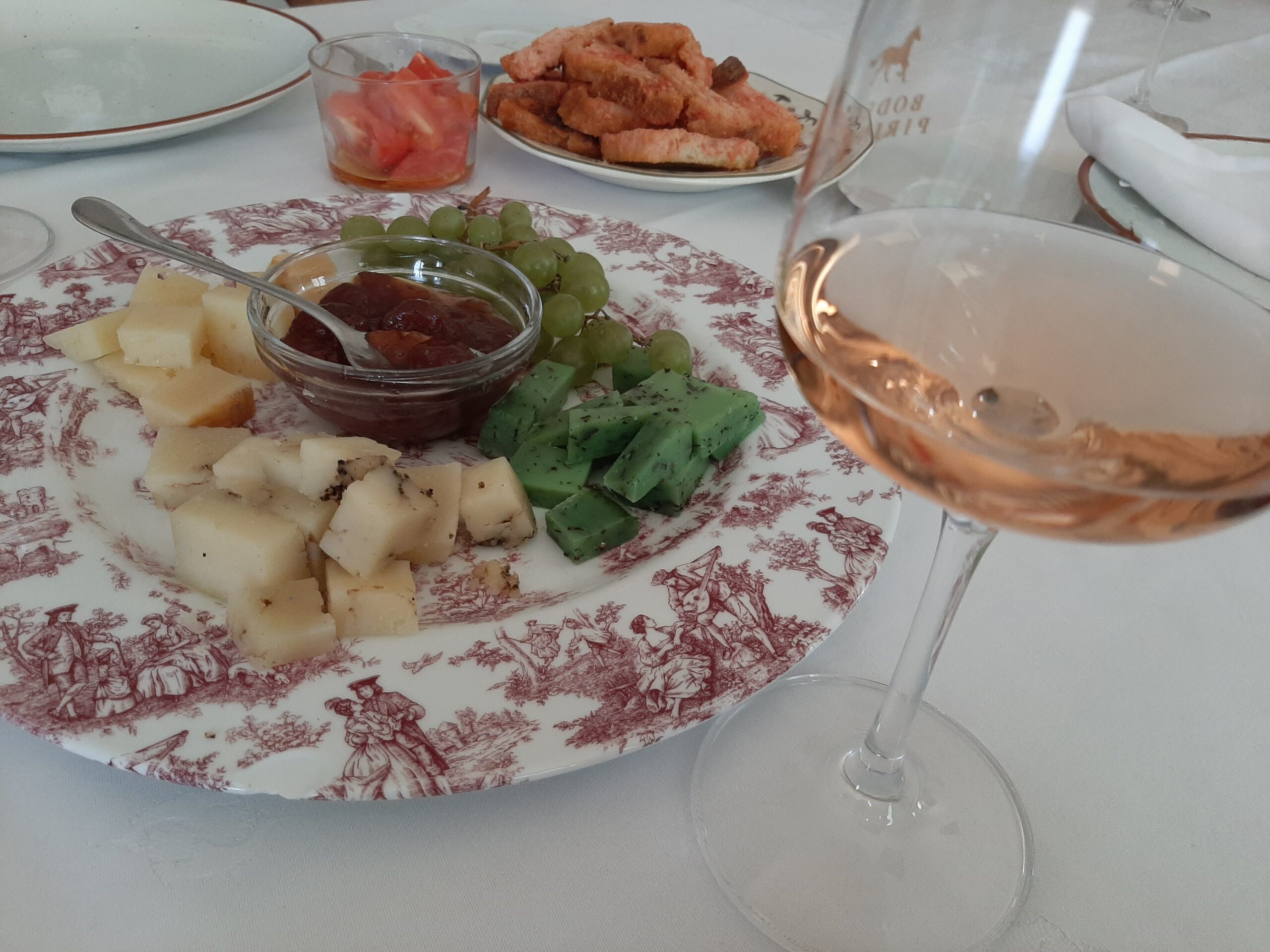
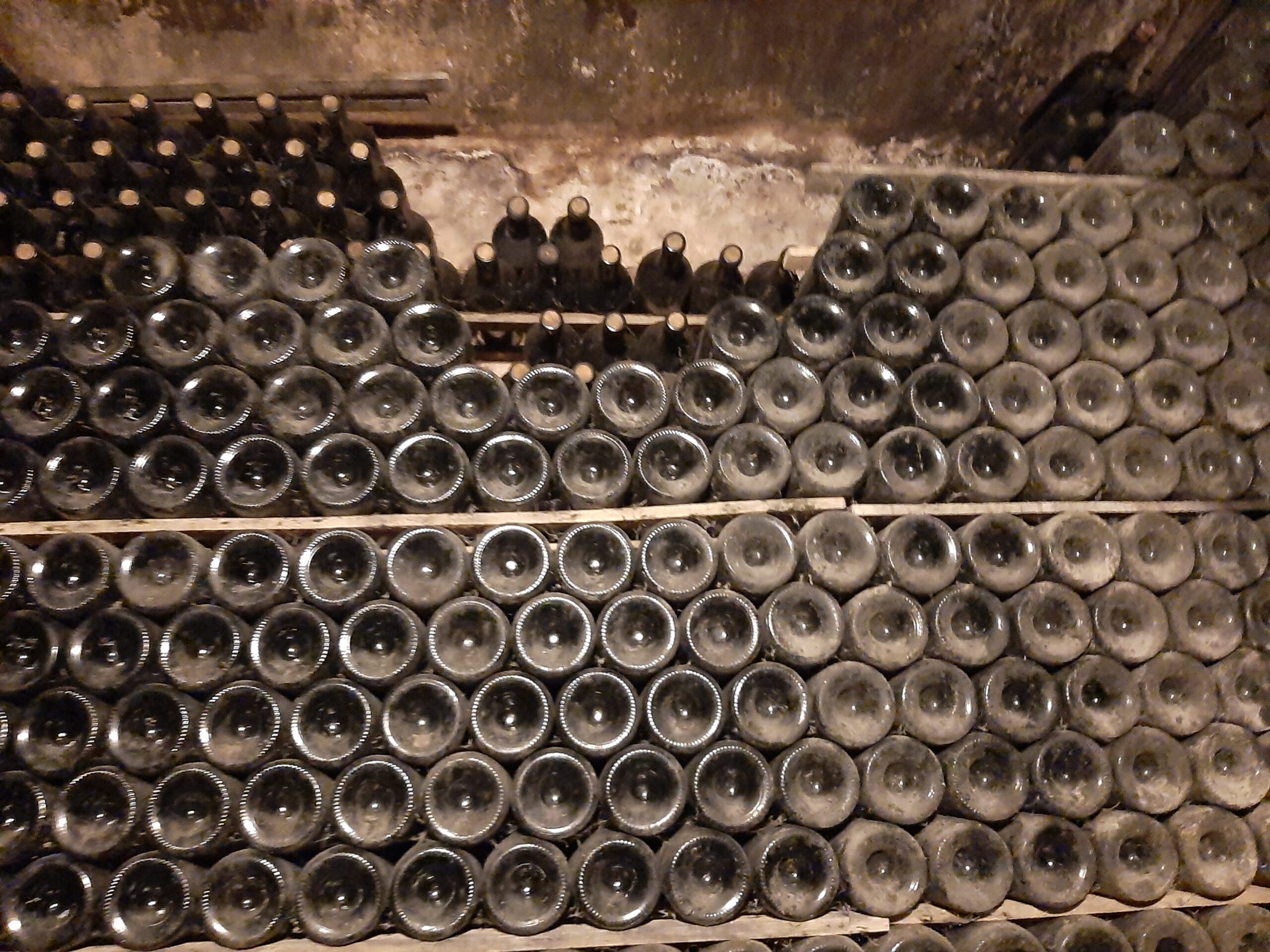
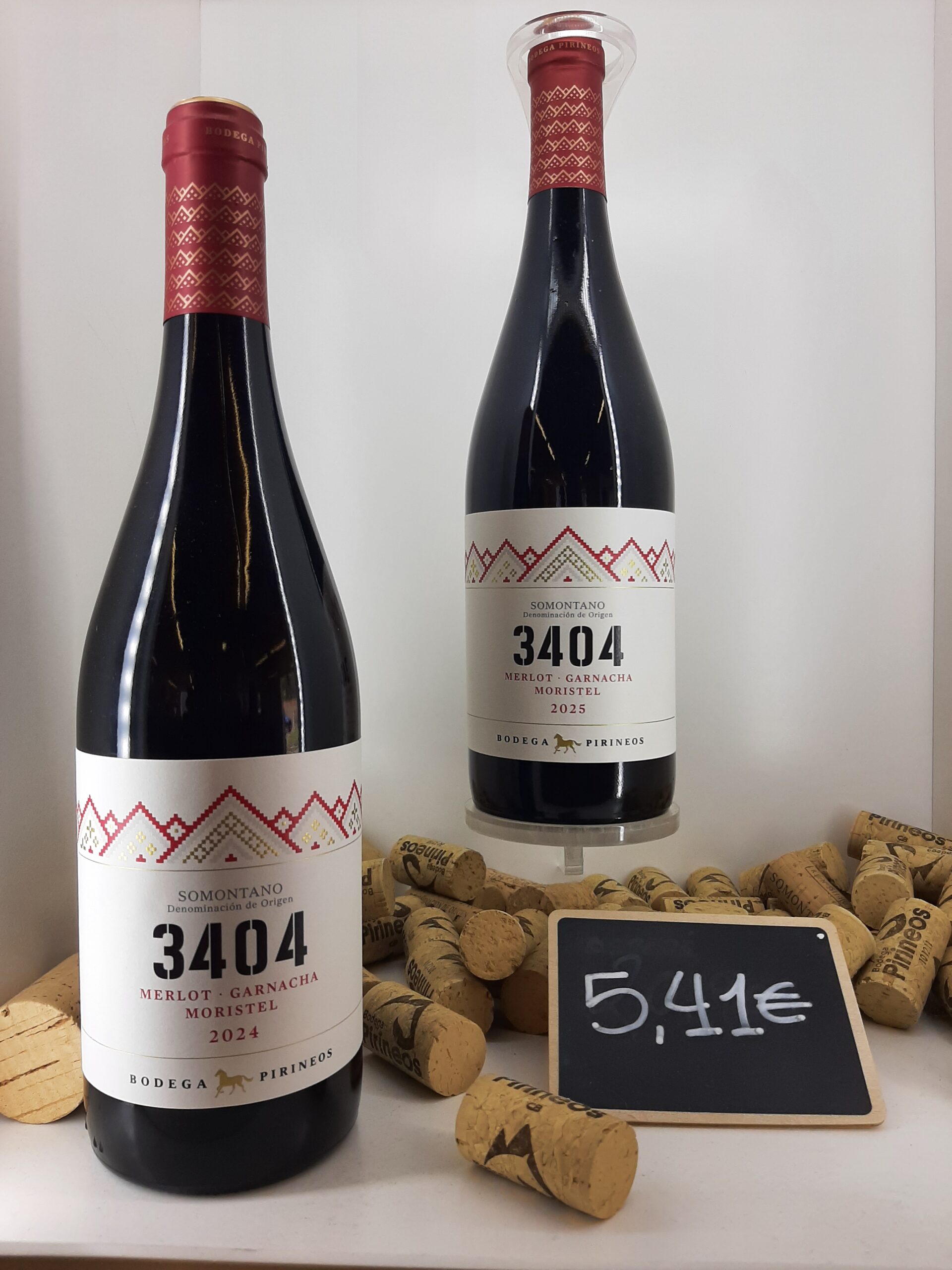
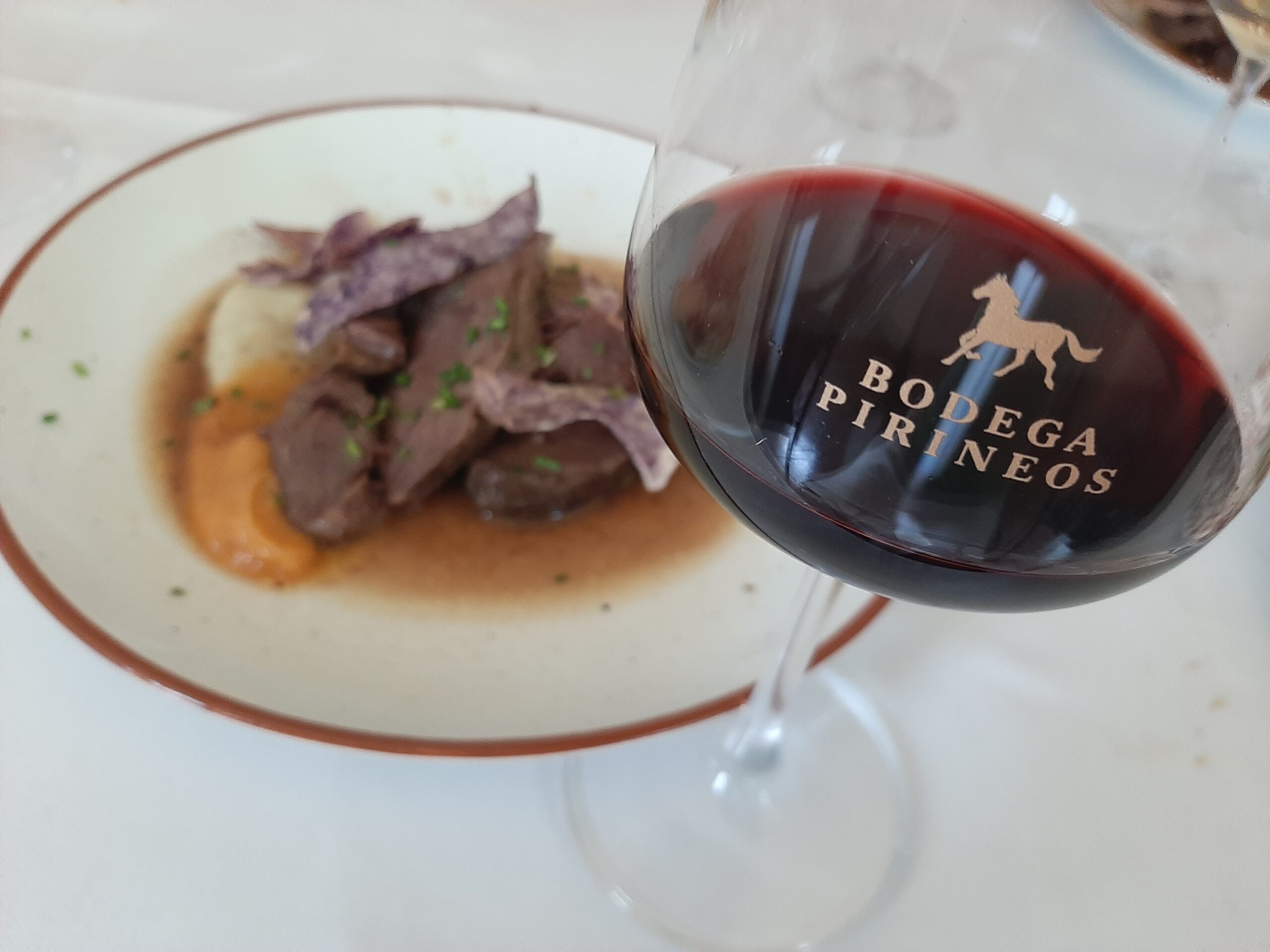
The well-known red wine 3404 Tinto is particularly associated with Moristel, Garnacha and Cabernet Sauvignon, while 3404 Blanco is made from Chardonnay and Gewürztraminer. The number 3404 refers to the height of Pico Aneto, the highest mountain in the Pyrenees.
The label is therefore a tribute to Aneto, as well as to the natural beauty, adventure and challenges of the Pyrenees.
Food traditions in Aragón
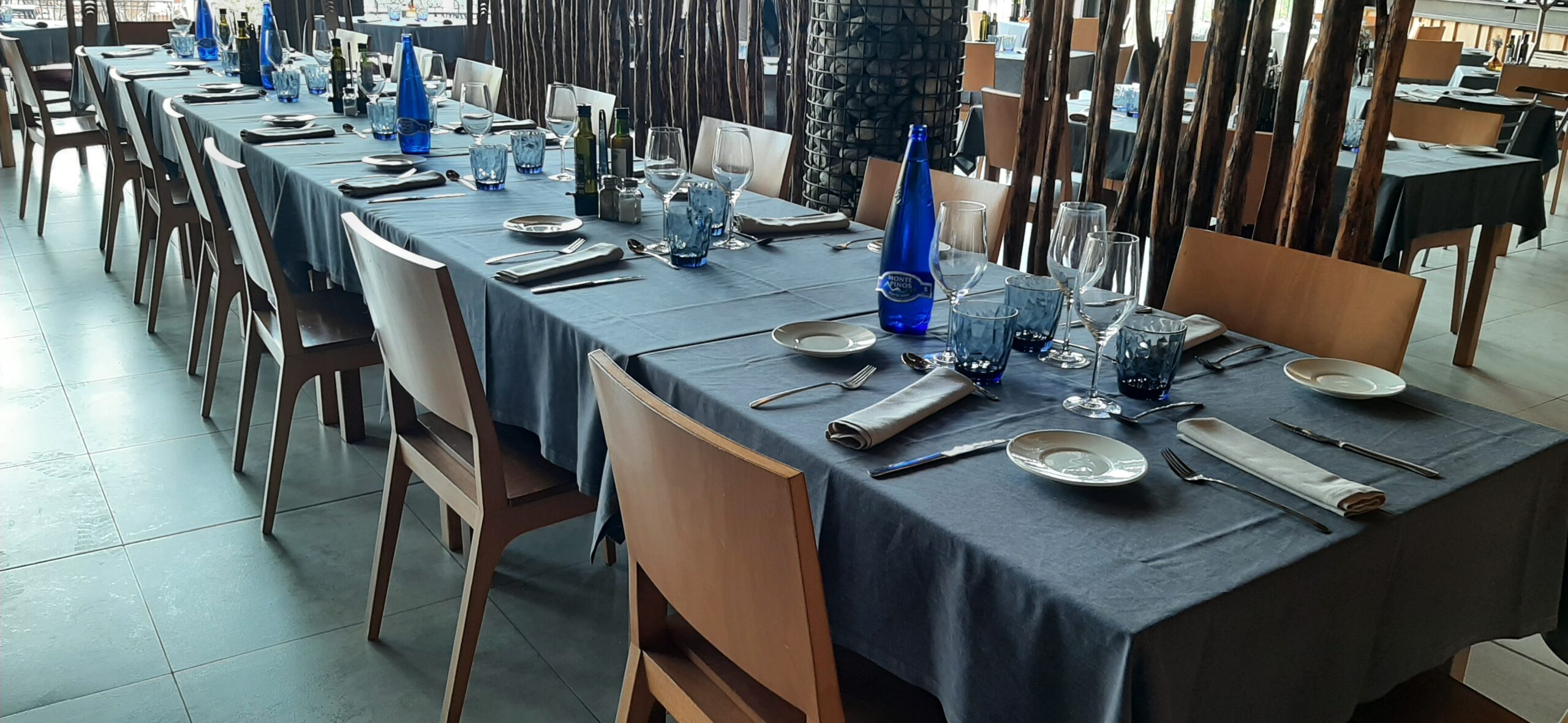
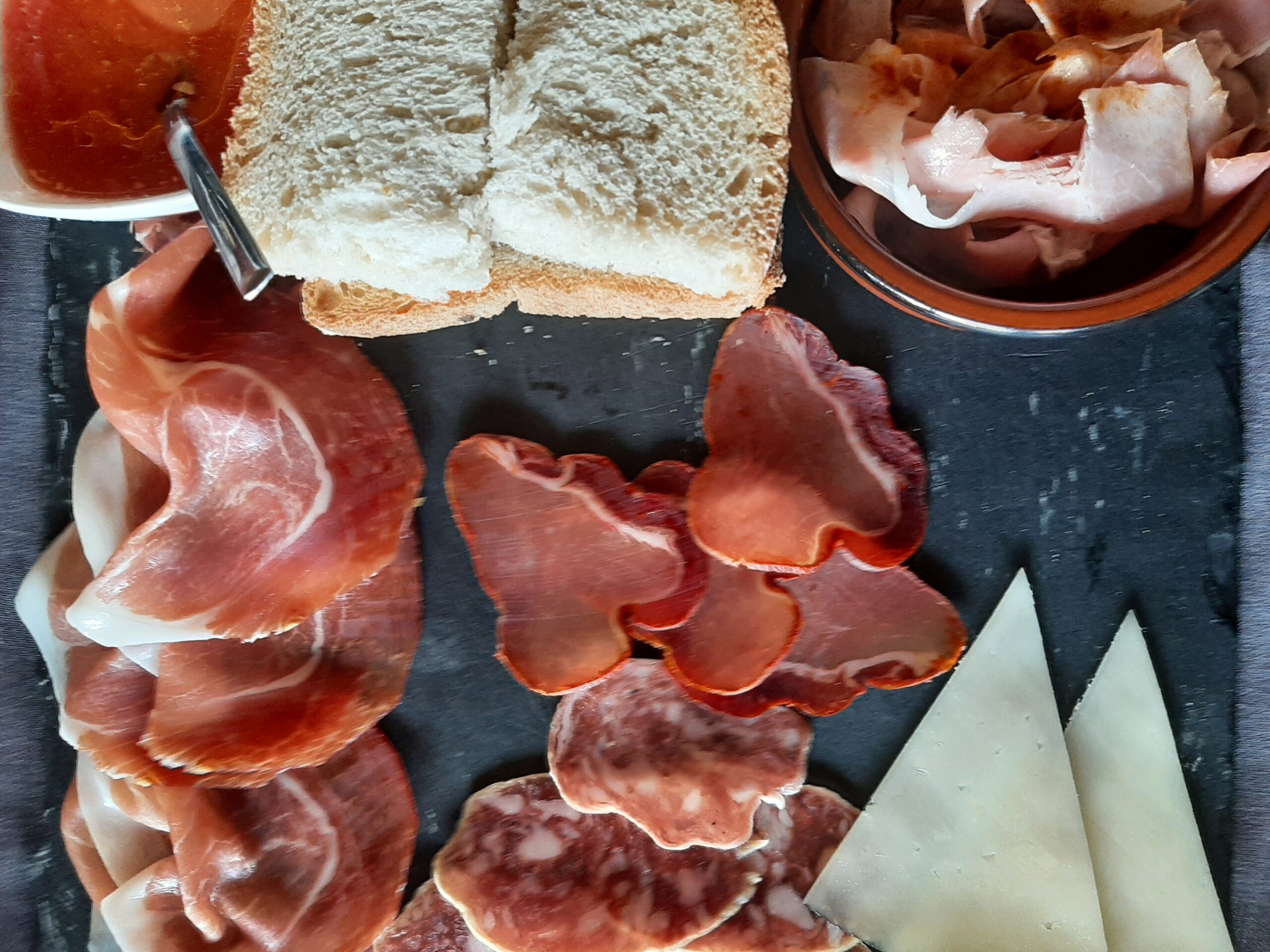
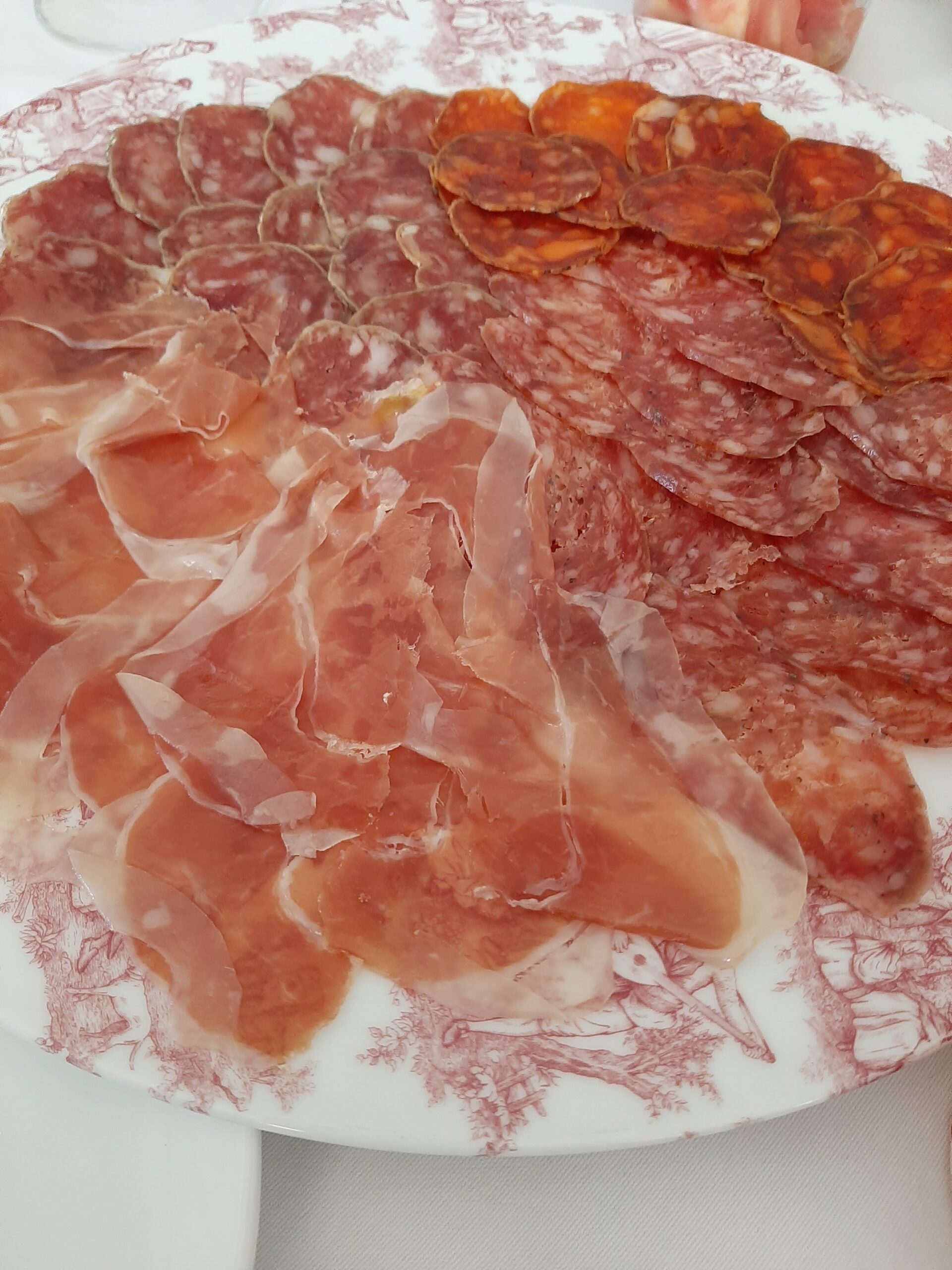
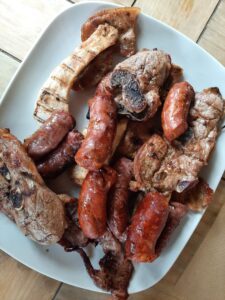
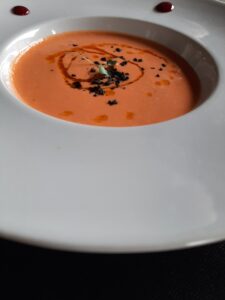
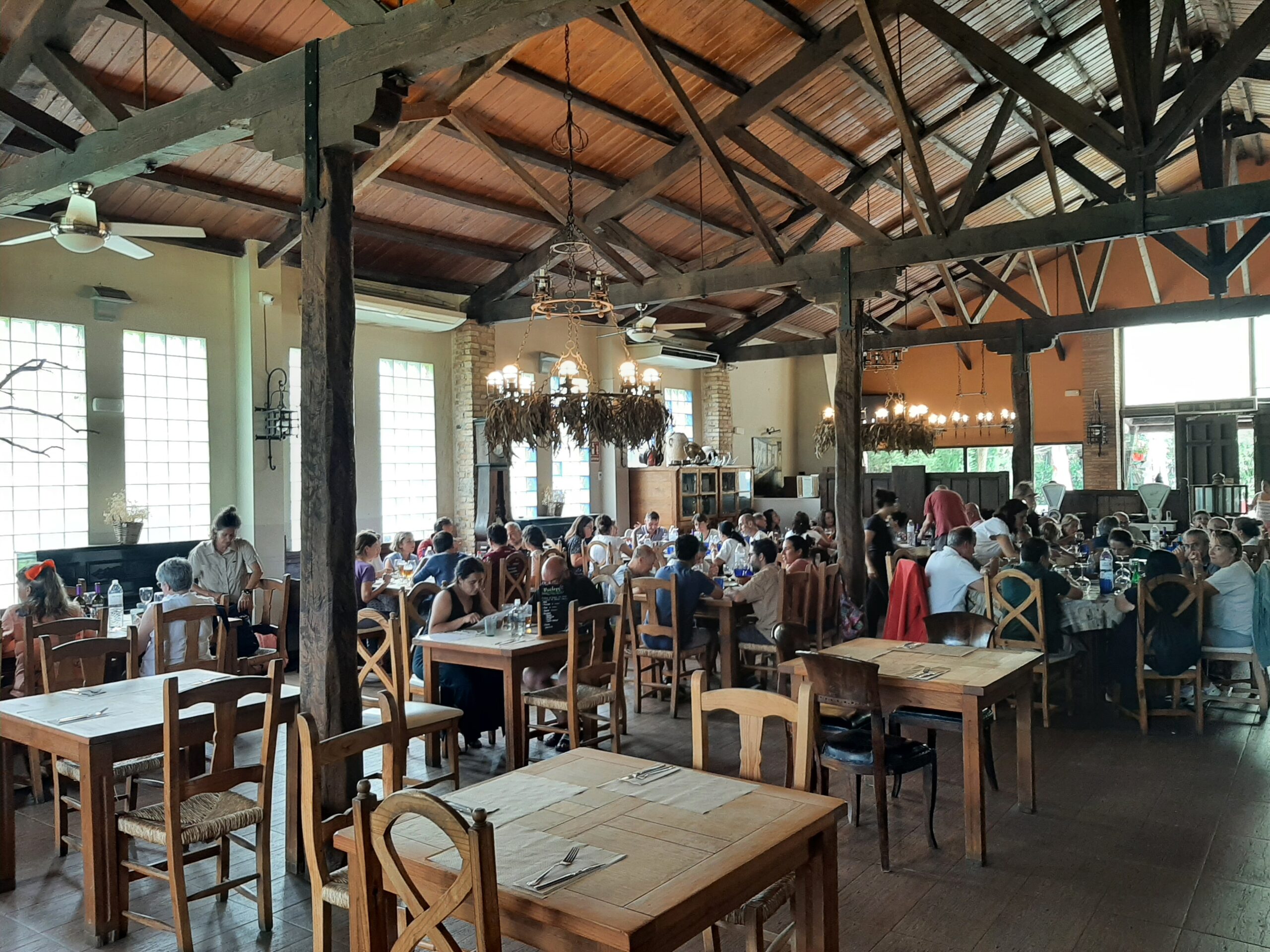
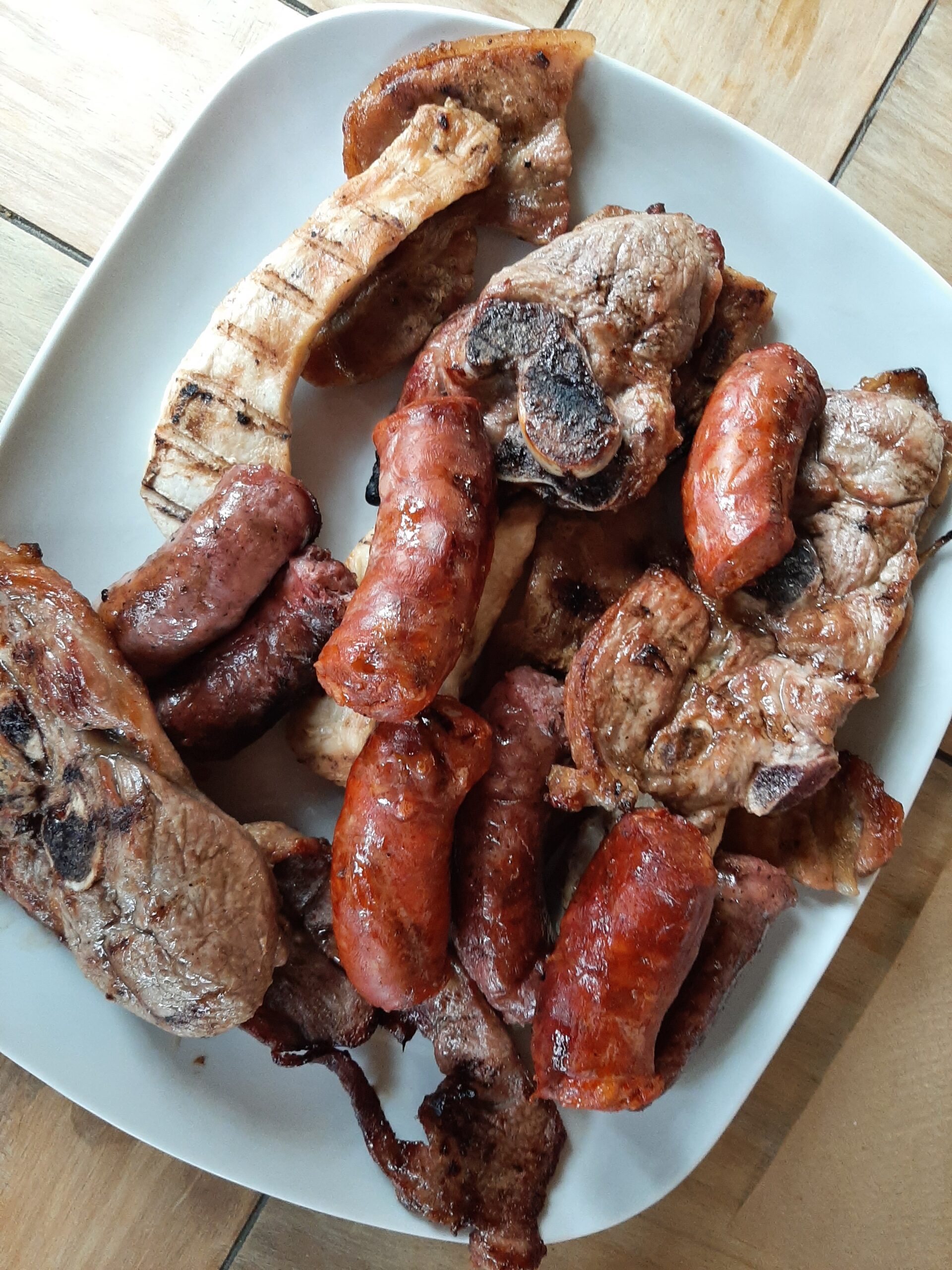
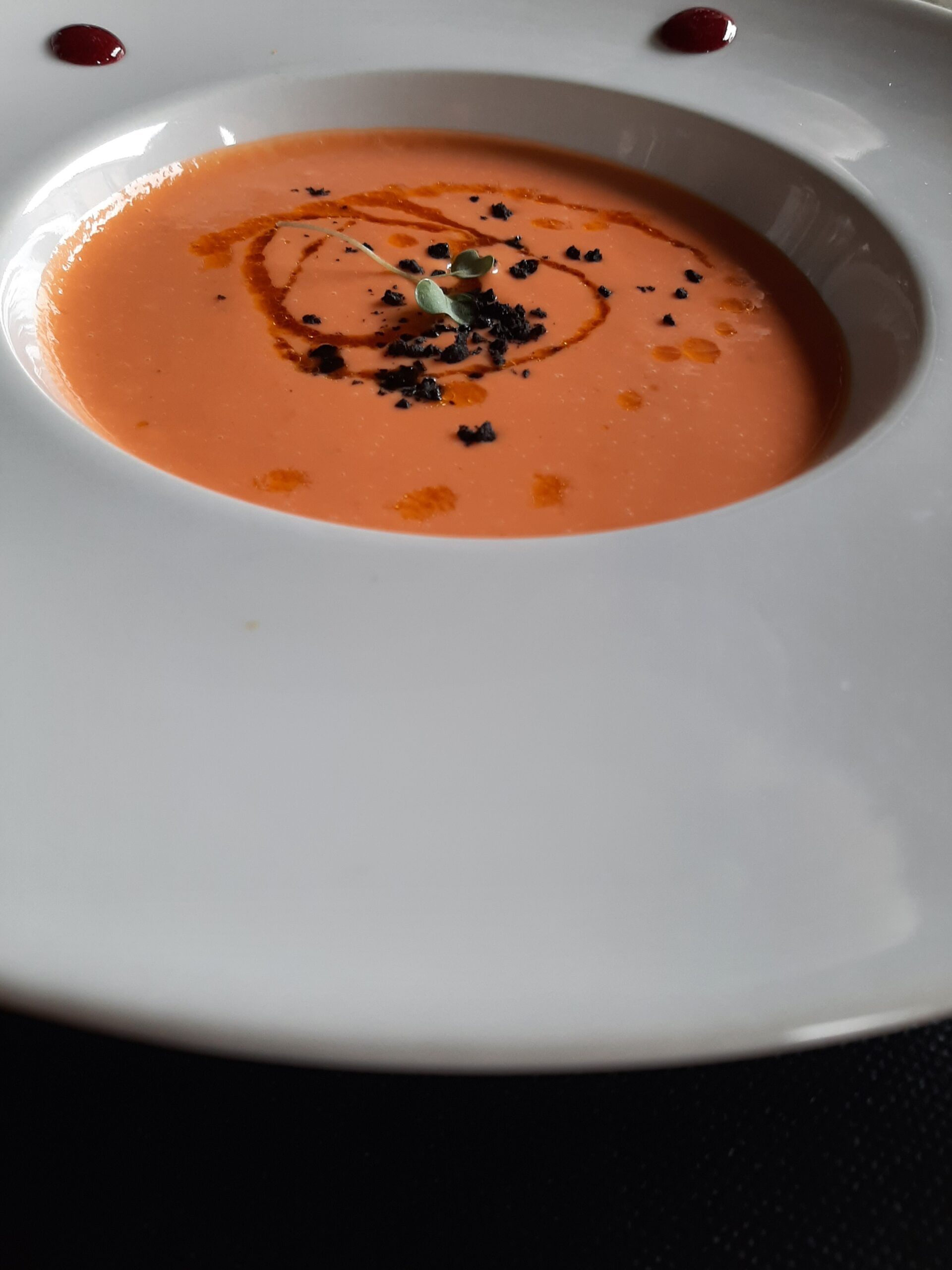
Meals in Spain are an important part of both daily life and socialising. Breakfast is often light, while lunch is usually the main meal of the day and is served in the mid-afternoon. Dinner is eaten late, often after nine o’clock, and typically consists of tapas, seafood, cured meats or regional specialities shared around the table.
Traditional Aragonese cuisine is rustic and centred on local ingredients such as lamb, pork, vegetables, pulses and olive oil.


Facts about Aragón
Aragón is an autonomous region in northern Spain. Formerly an independent kingdom, it comprised the Aragonese provinces of Aragon, Catalonia and Valencia, as well as the Balearic Islands.
Today, Aragón consists of the provinces of Huesca, Teruel, and Zaragoza. While Aragonese was the predominant language spoken by most of the population in the past, Castilian has since become more widespread.
Jaca was the first capital of Aragon and remains an essential stop on the Camino de Santiago pilgrimage route to Santiago de Compostela. Zaragoza is currently the capital of the region.
The Pyrenees have been inhabited since prehistoric times, with evidence of early humanities settlements discovered in the area. Roman influence in the region has been significant, with Zaragoza (Caesaraugusta) being a prominent Roman city that heavily influenced the area's early urban development.
The Middle Ages and the Kingdom of Aragón (11th-15th centuries) represent the dominant historical period that connects many of the region's sites.
Catherine of Aragon, the first wife of Henry VIII, hailed from Aragón.
The climate in April, May, June, as well as September and October is generally pleasant.
Included:
▪ Private transport throughout the itinerary in Spain
▪ 7 hotel nights in double room / twin – Zaragoza (3) & Aínsa (4)
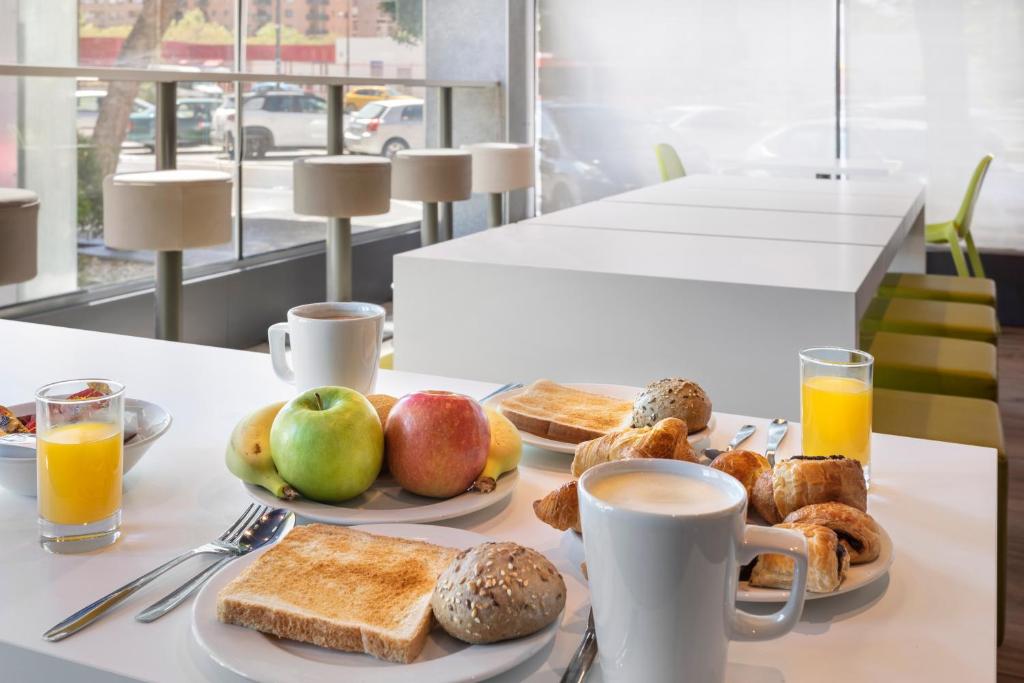
▪ Half pension, breakfast included
▪ Lunch on 4 days in connection with excursions
▪ Dinner, 3 evenings at the hotel in Aínsa + packed meal for the solar eclipse tour
▪ Cheese and wine tasting
▪ Off road safari to Ordesa National Park
▪ Entrance fees
▪ English-speaking guides and a Norwegian tour leader throughout the stay
▪ 8 days – from 27 750 NOK per person i dobbeltrom / twin
▪ Single room supplement: 500 NOK per night
Not included:
▪ Lunch, 3 days
▪ Dinner, 3 days
▪ Flights, to be booked individually by the traveller
11 August 2026: Direct flights from Oslo to Barcelona by Norwegian departing at 09:05. Connecting flights from Stavanger, Bergen, and Trondheim earlier in the morning.
18 August 2026: Flight depart from Barcelona at 3:30 PM. Travellers from Bergen, Stavanger and Trondheim make a stopover in Oslo before continuing to their final destination.
The tour has been organised in collaboration between Ravn Norway, Oslo and Mundoara Travel, Huesca. The technical organizer during our stay in Spain is MundoAra Travel. The tour operator guarantees travel insurance from pick-up to drop-off at the airport.
Curious about future trip to Aragón?
Click the button and send us an email. We will get back to you shortly.

