
The Raven – In Norse Mythology
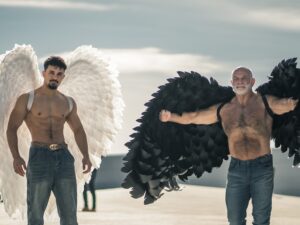
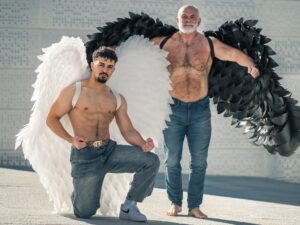
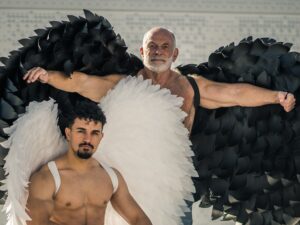
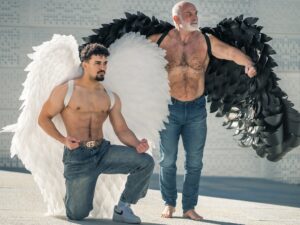
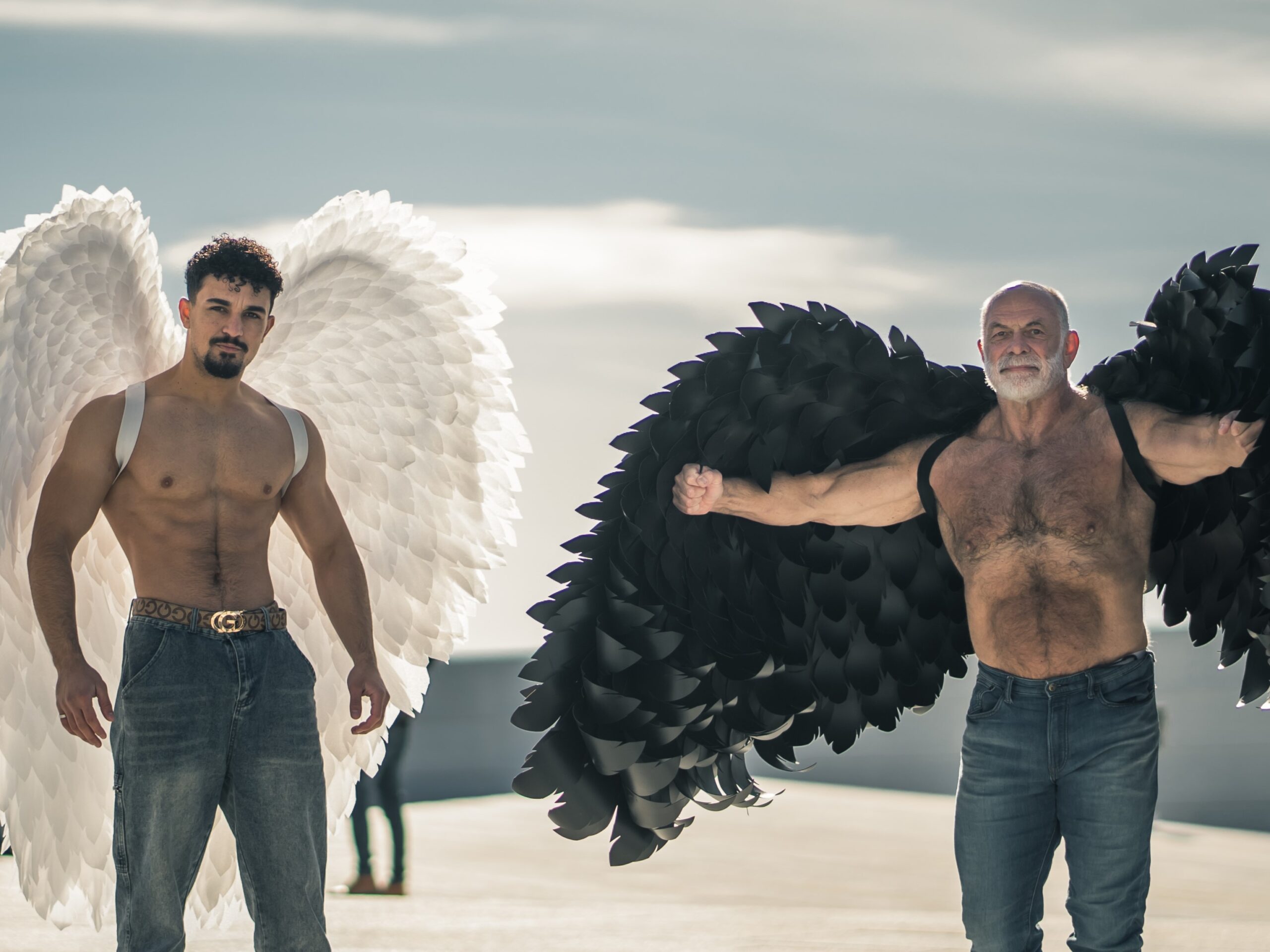
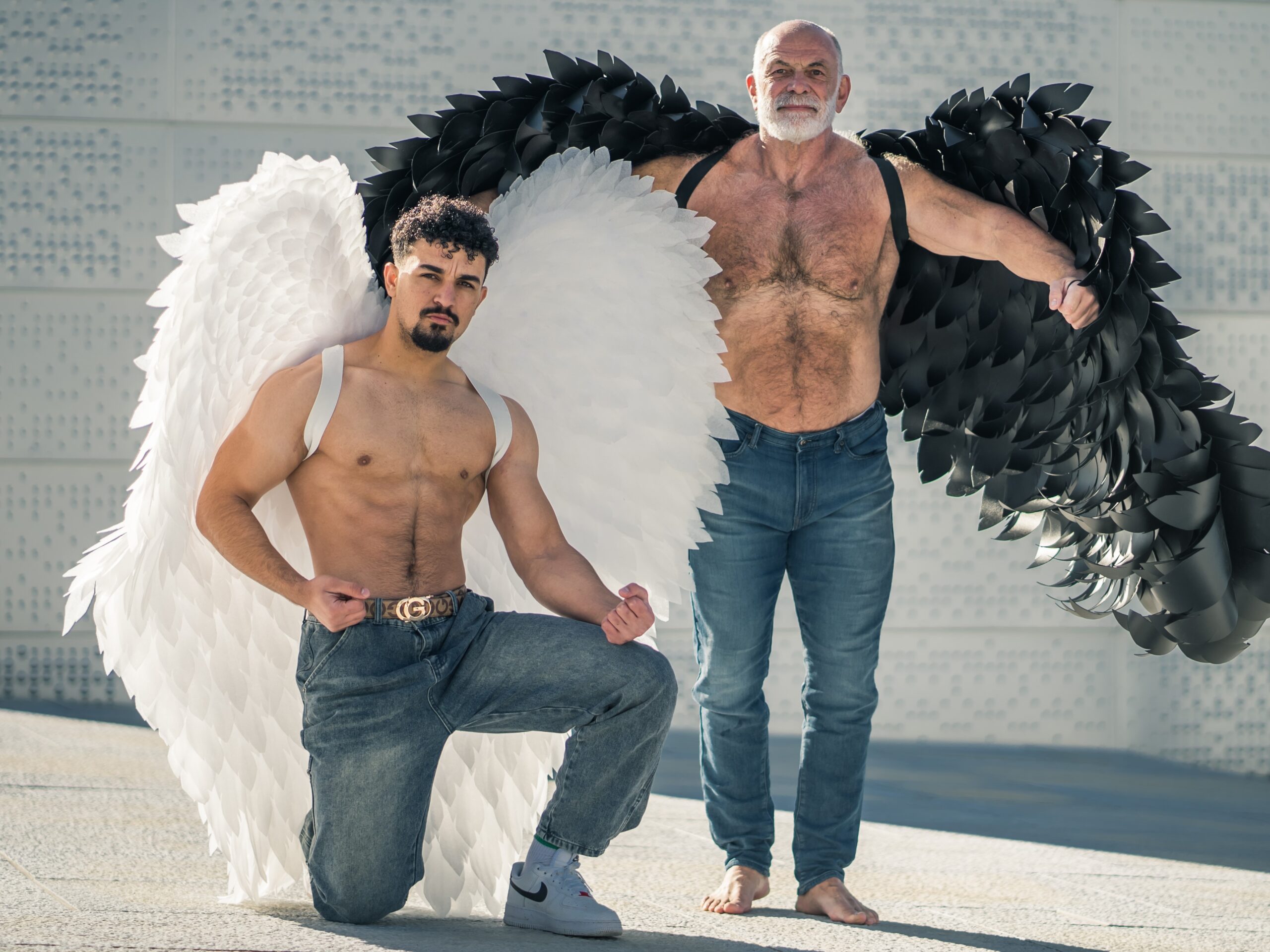
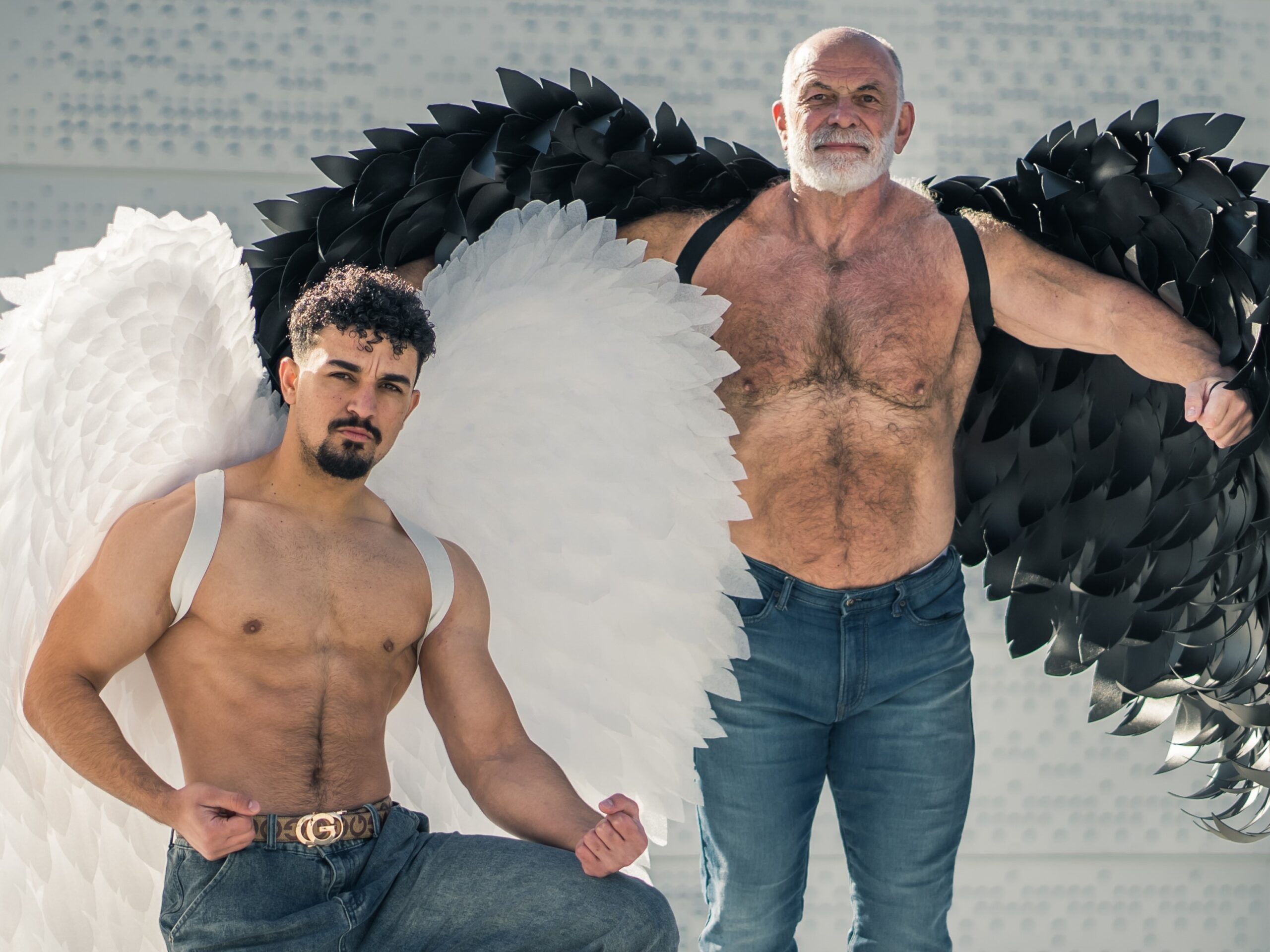
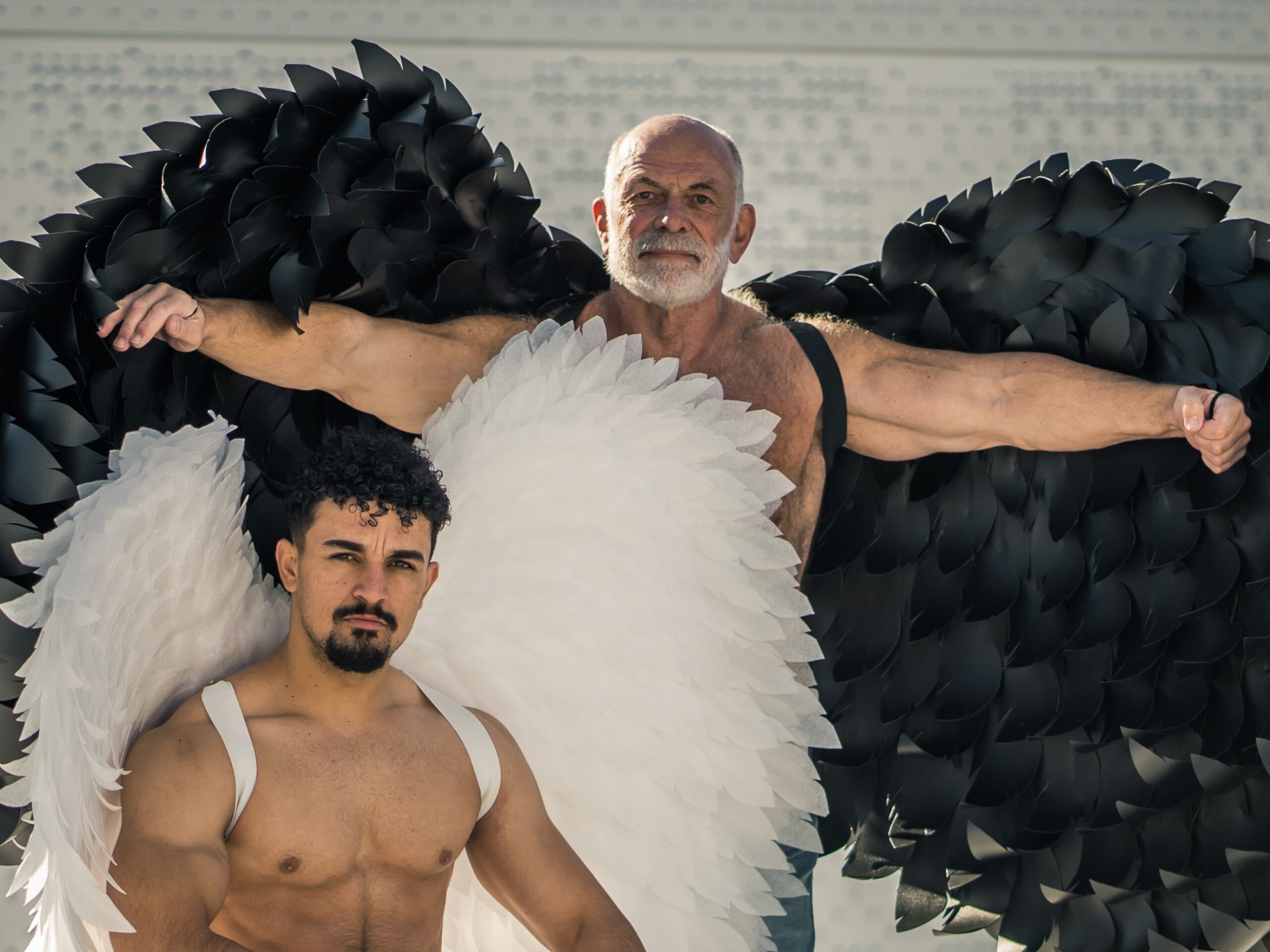
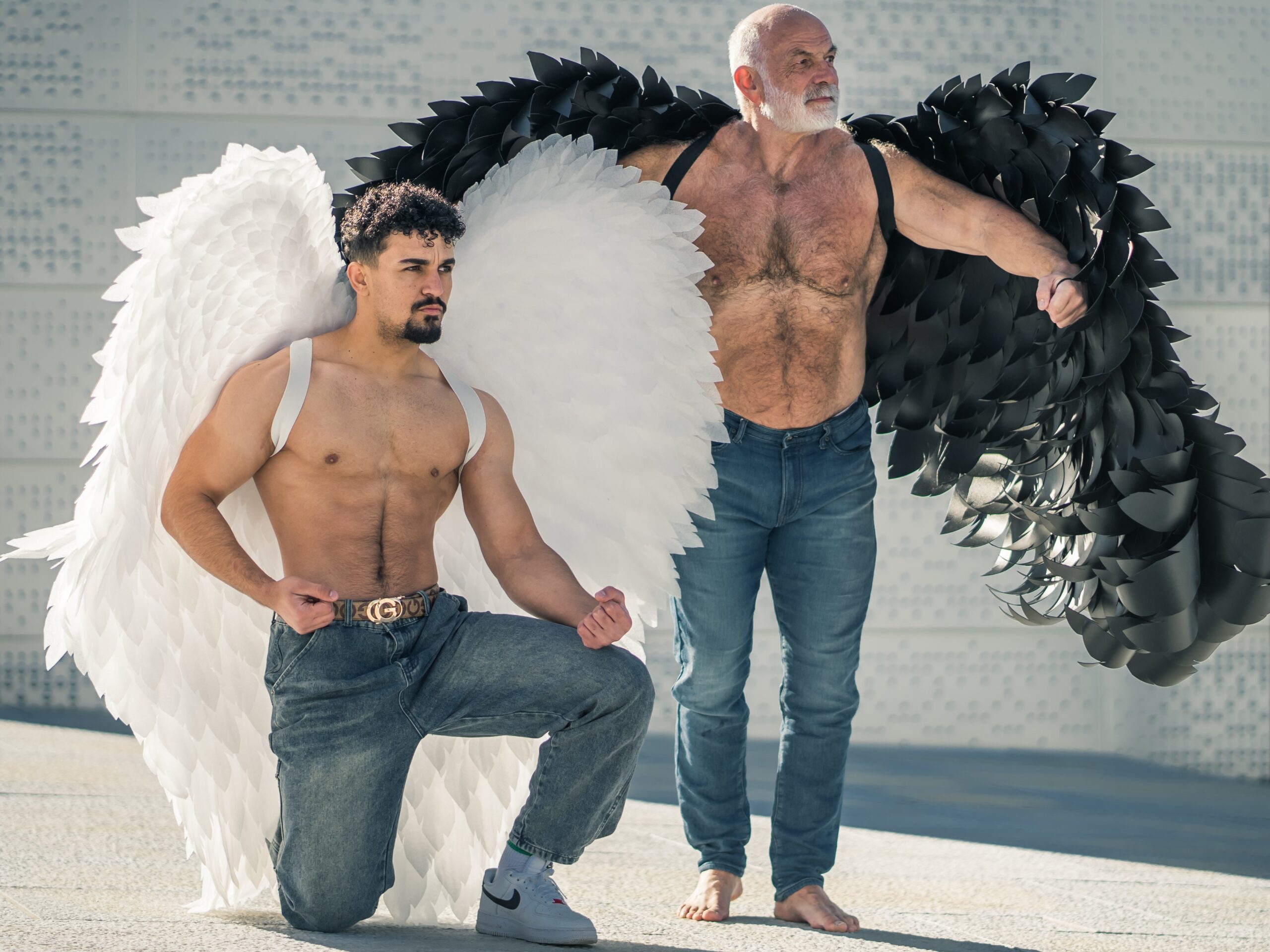
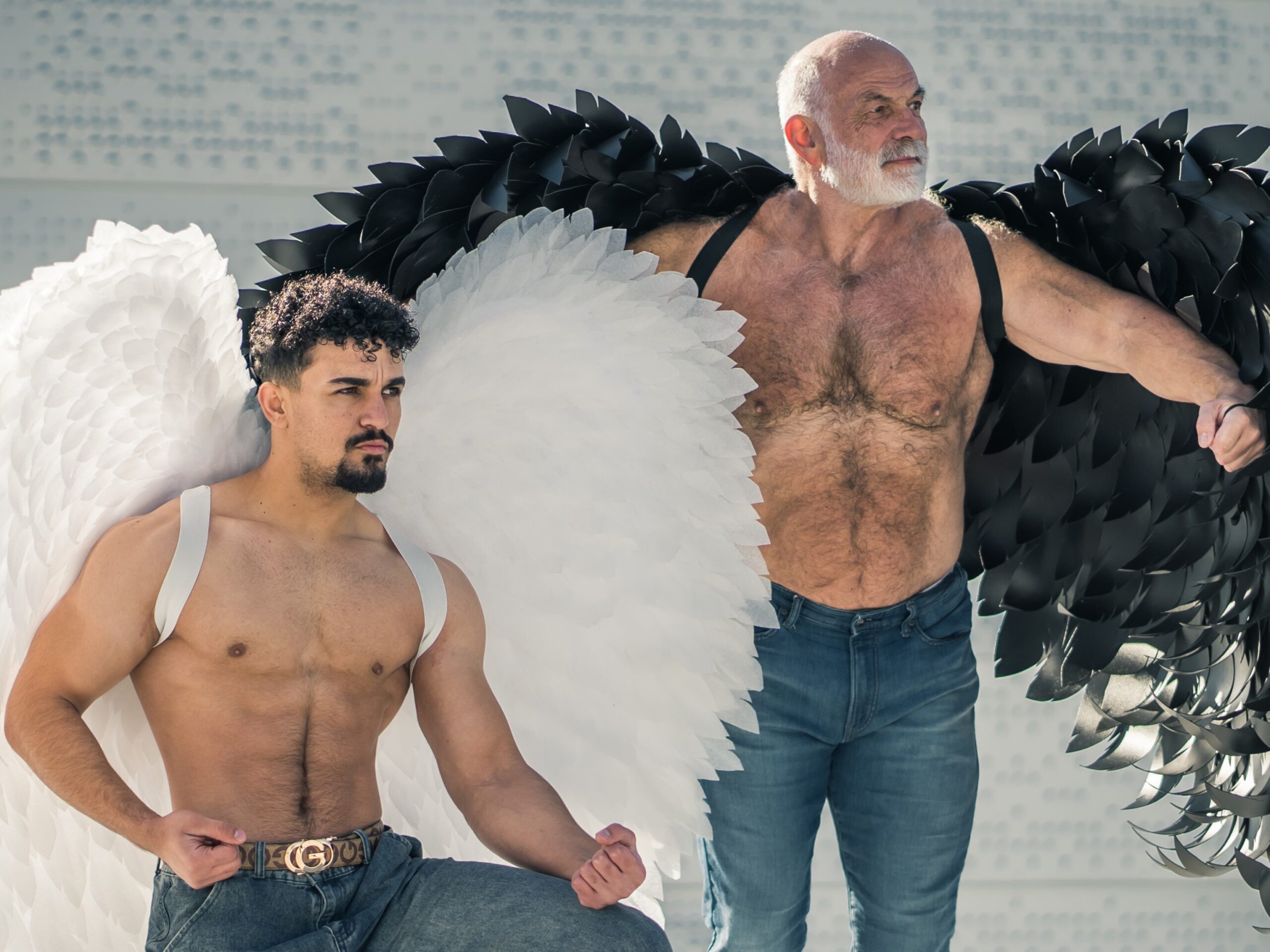
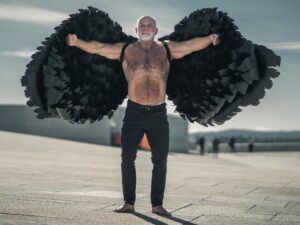
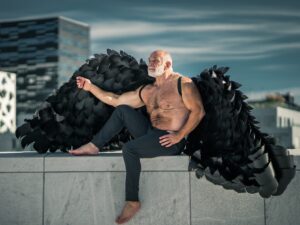
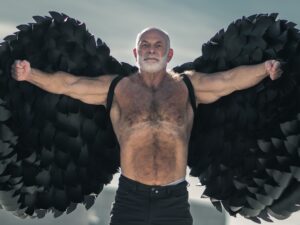
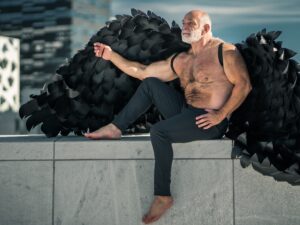
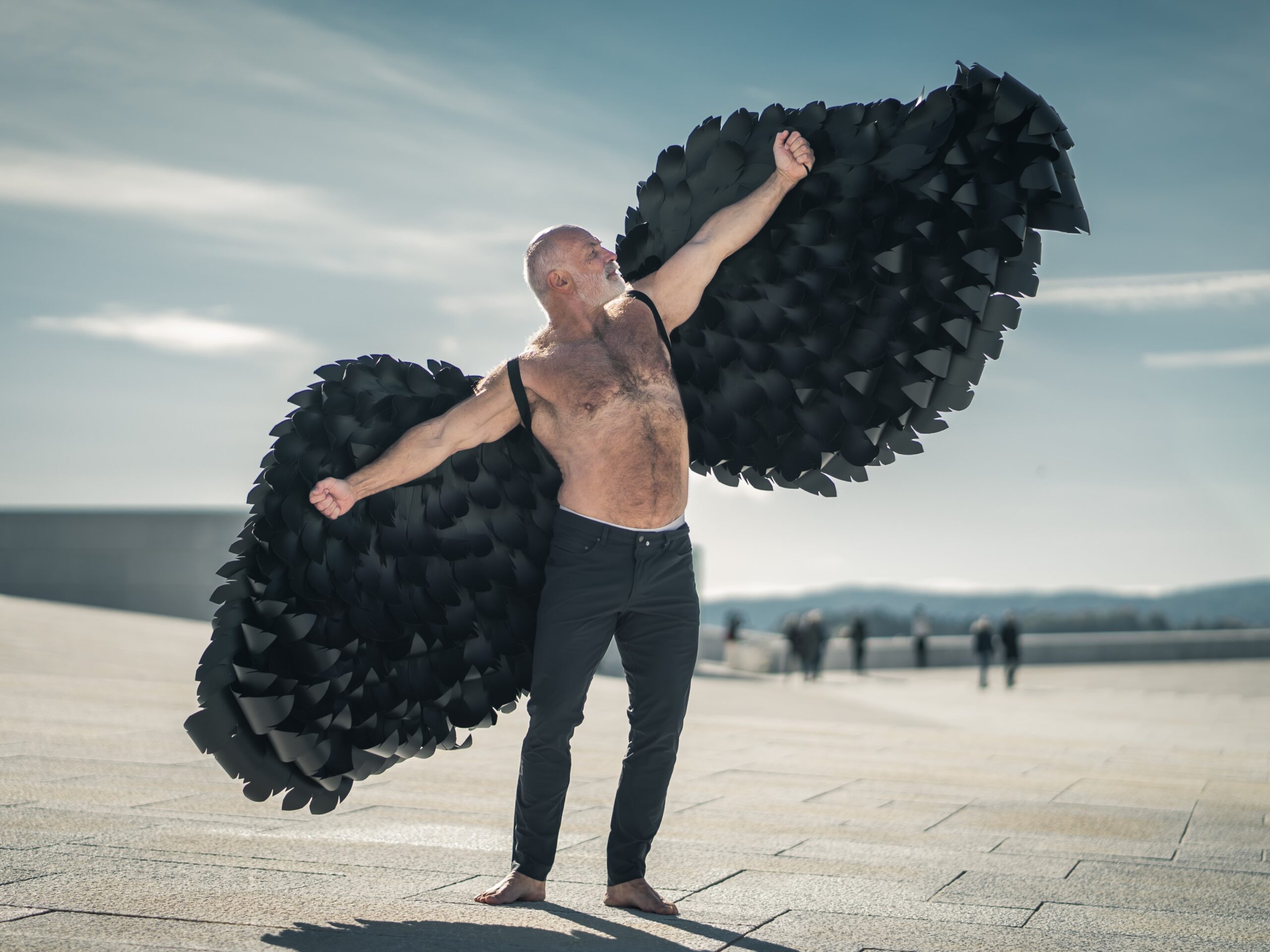
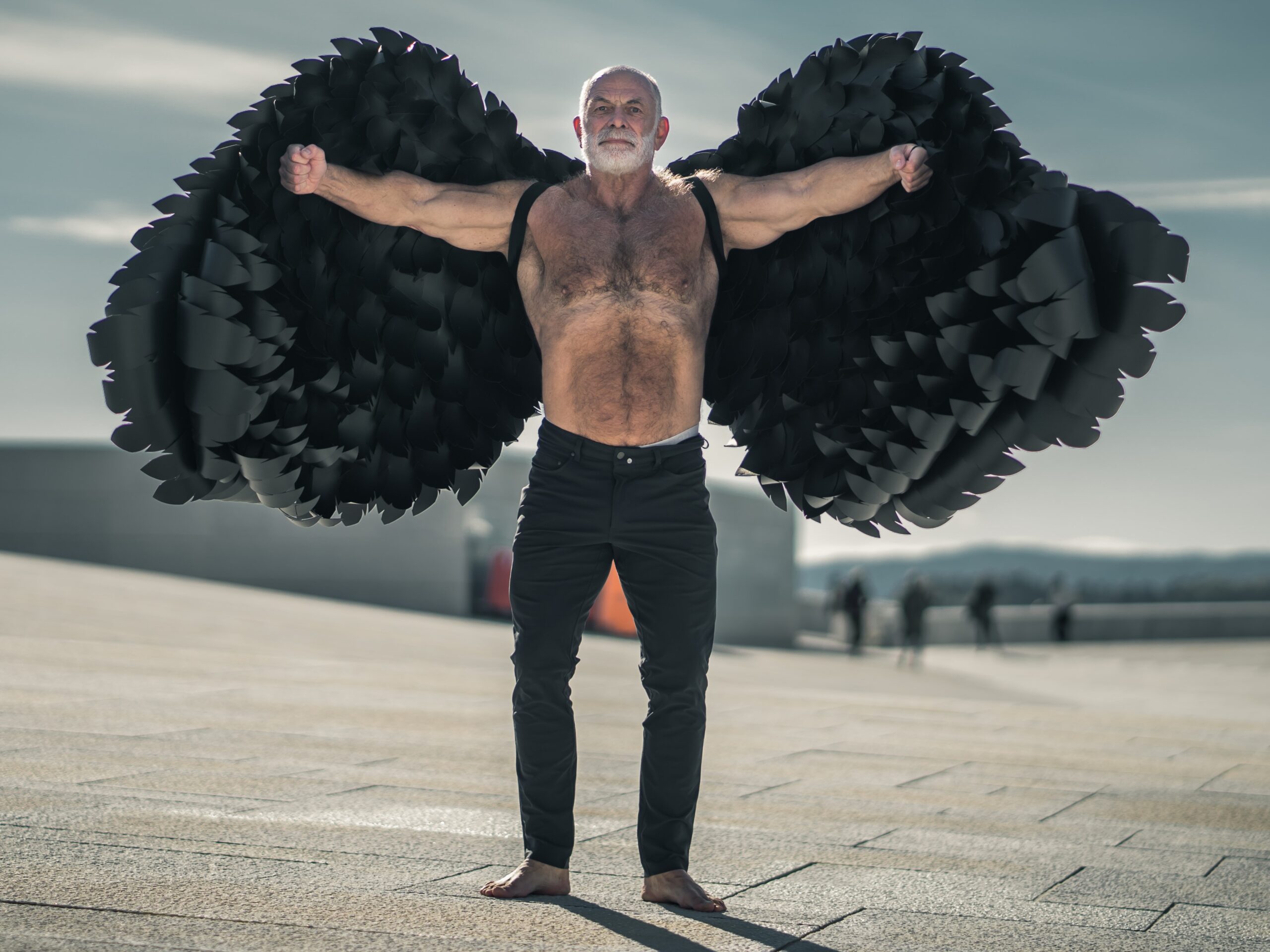
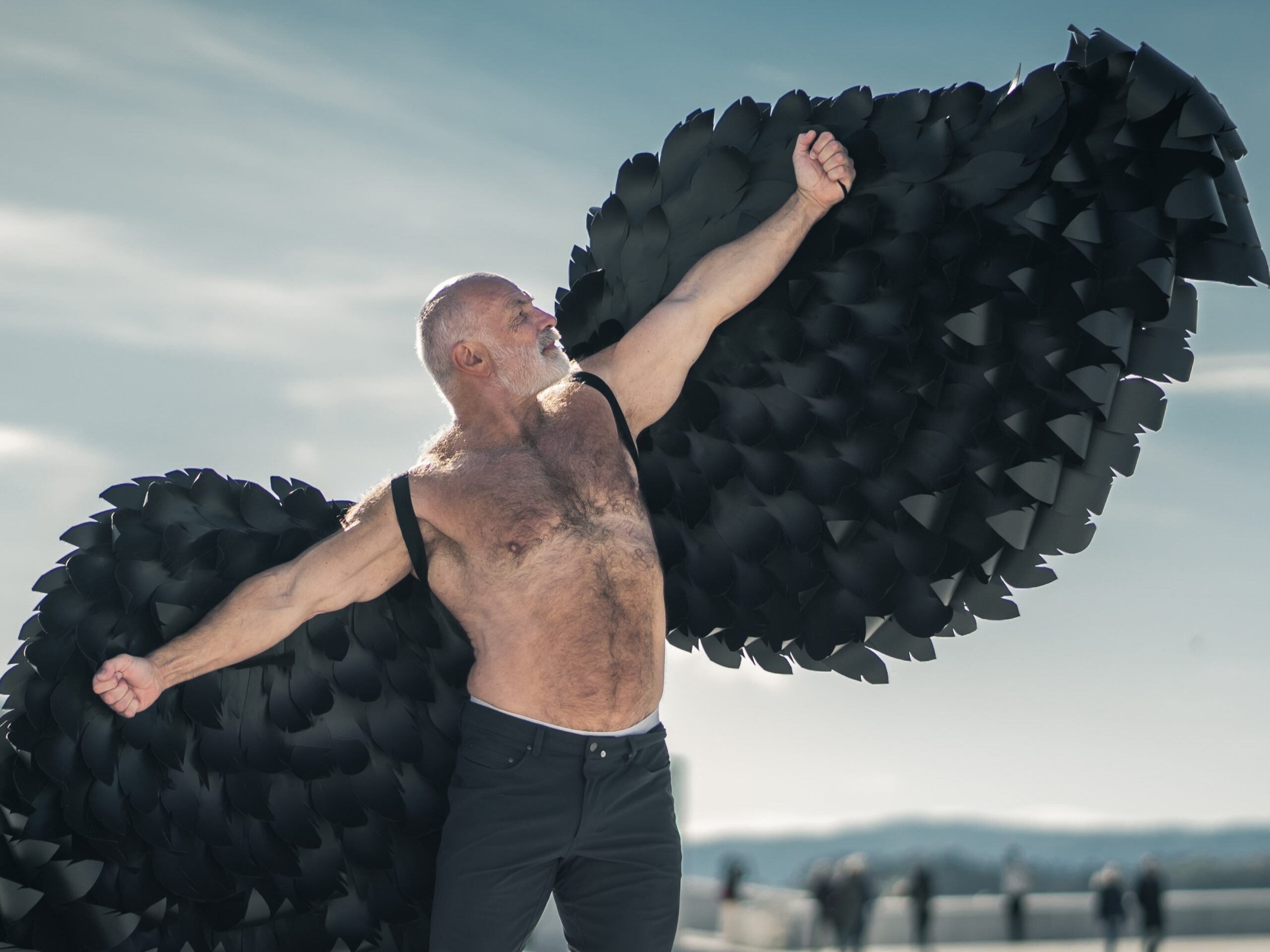
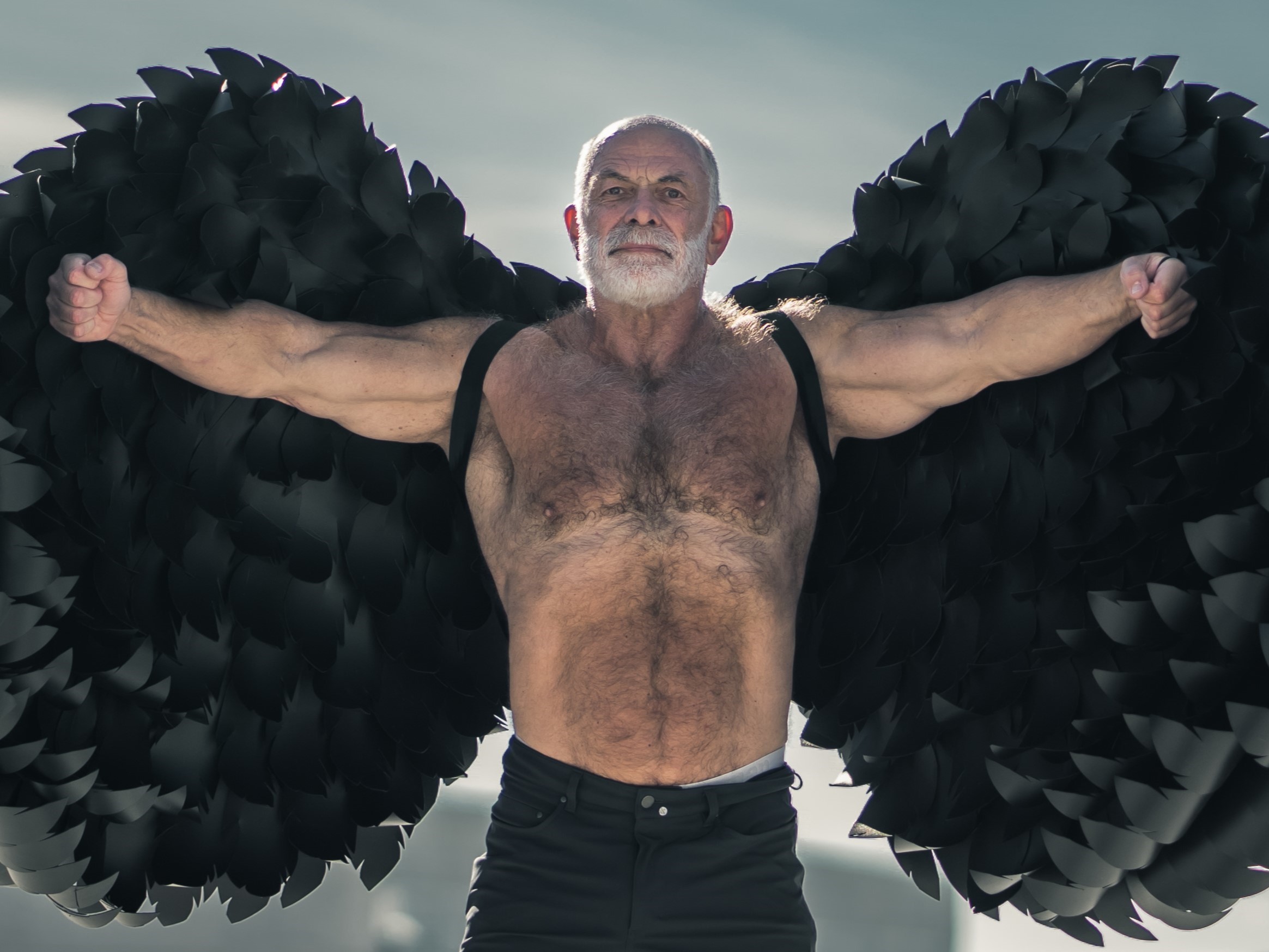
In Viking mythology, ravens hold significant symbolism and are closely associated with Odin, the chef god. Odin is often depicted with two ravens, Huginn (thought) and Muninn (memory).
They are tasked with gathering information and knowledge for him.
These ravens are seen as symbols of wisdom, insight and protection, playing a crucial role in Odin’s life and decisions.
Ravens are also linked to death and the underworld, reflecting their connection tho the mysteries of life and the afterlife.
In Norse culture, ravens are revered for their ability to navigate the realms and bring back news, making them vital figures in both the divine and mortal worlds.
[Source: thevikingherald.com]
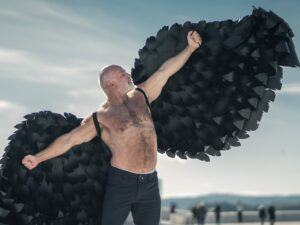
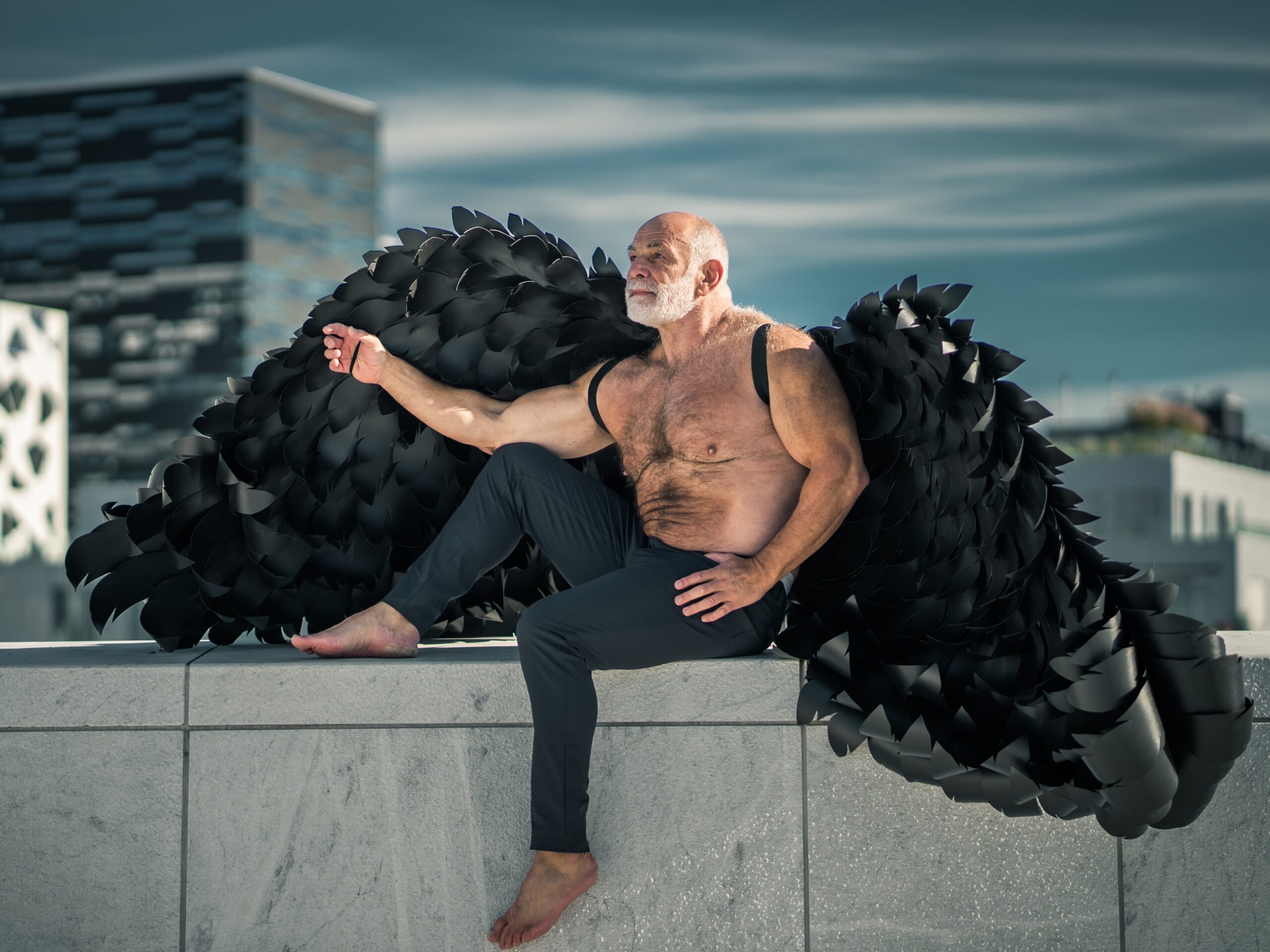
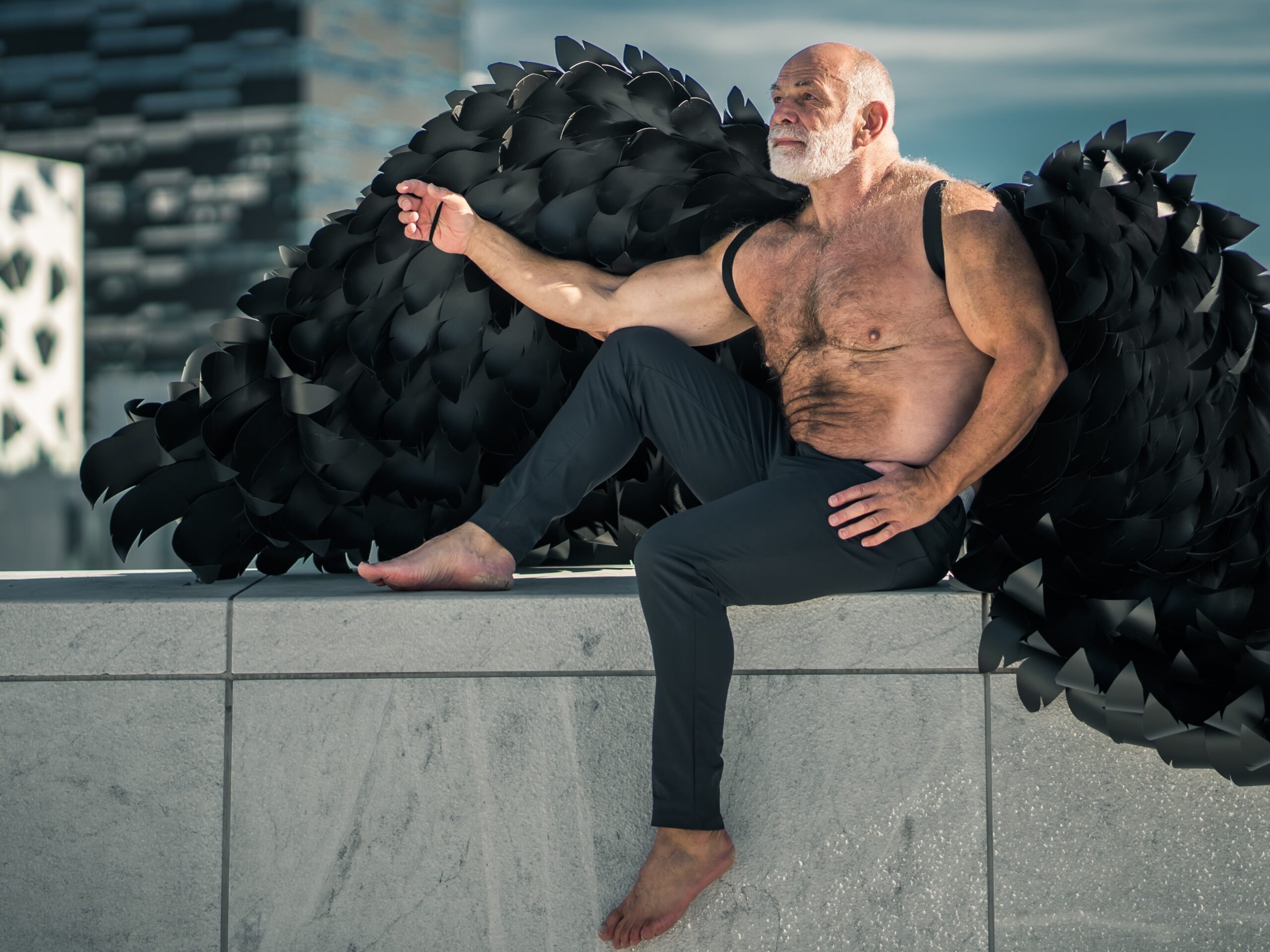
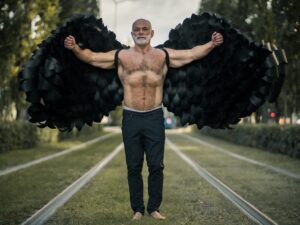
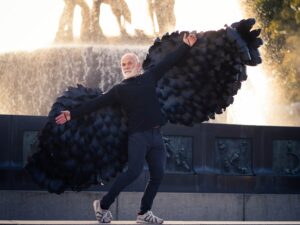
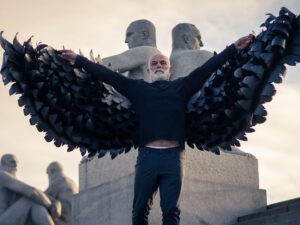
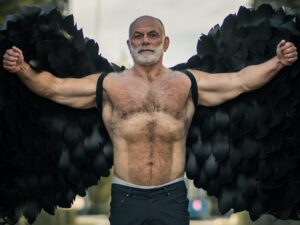
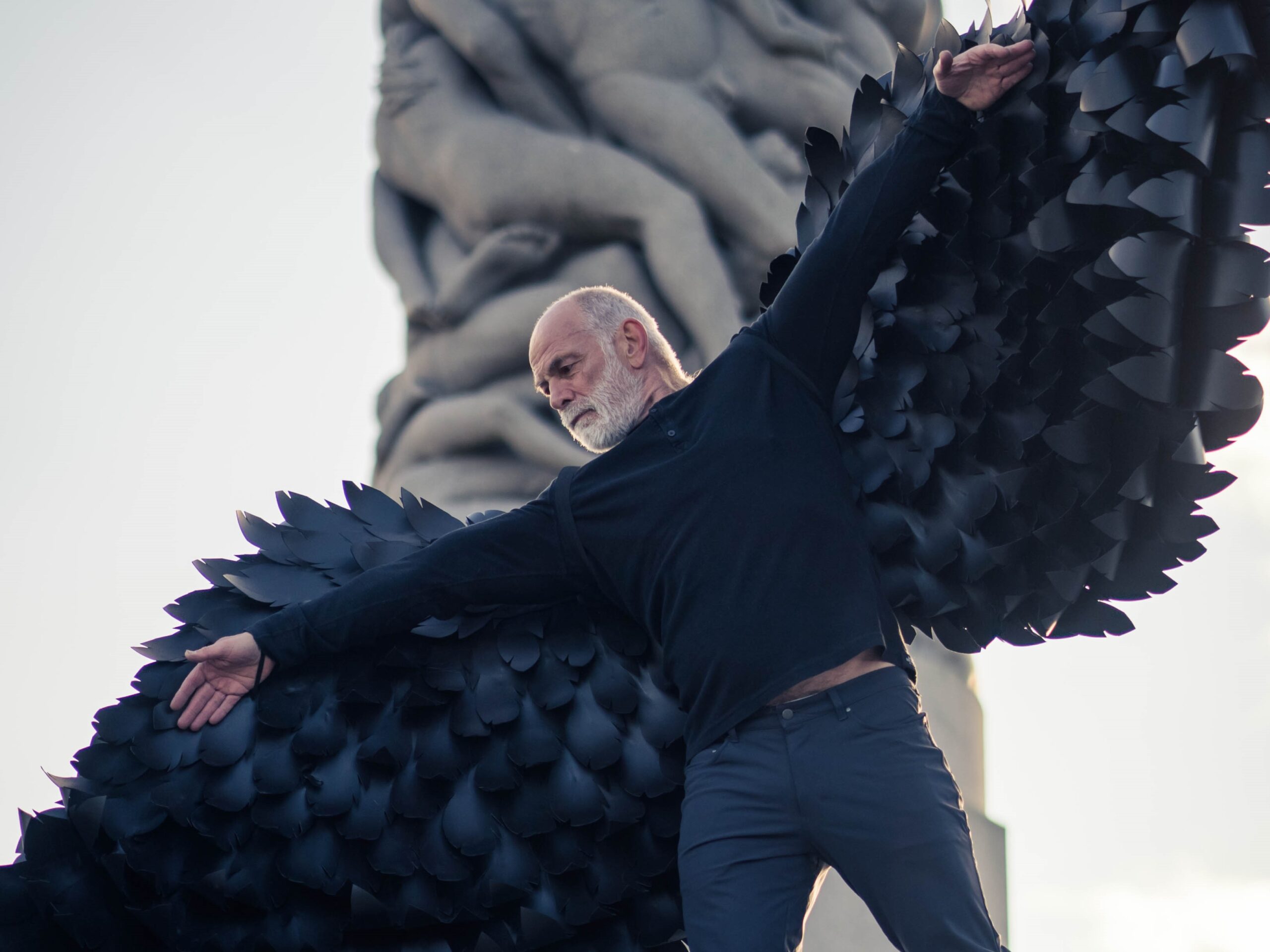
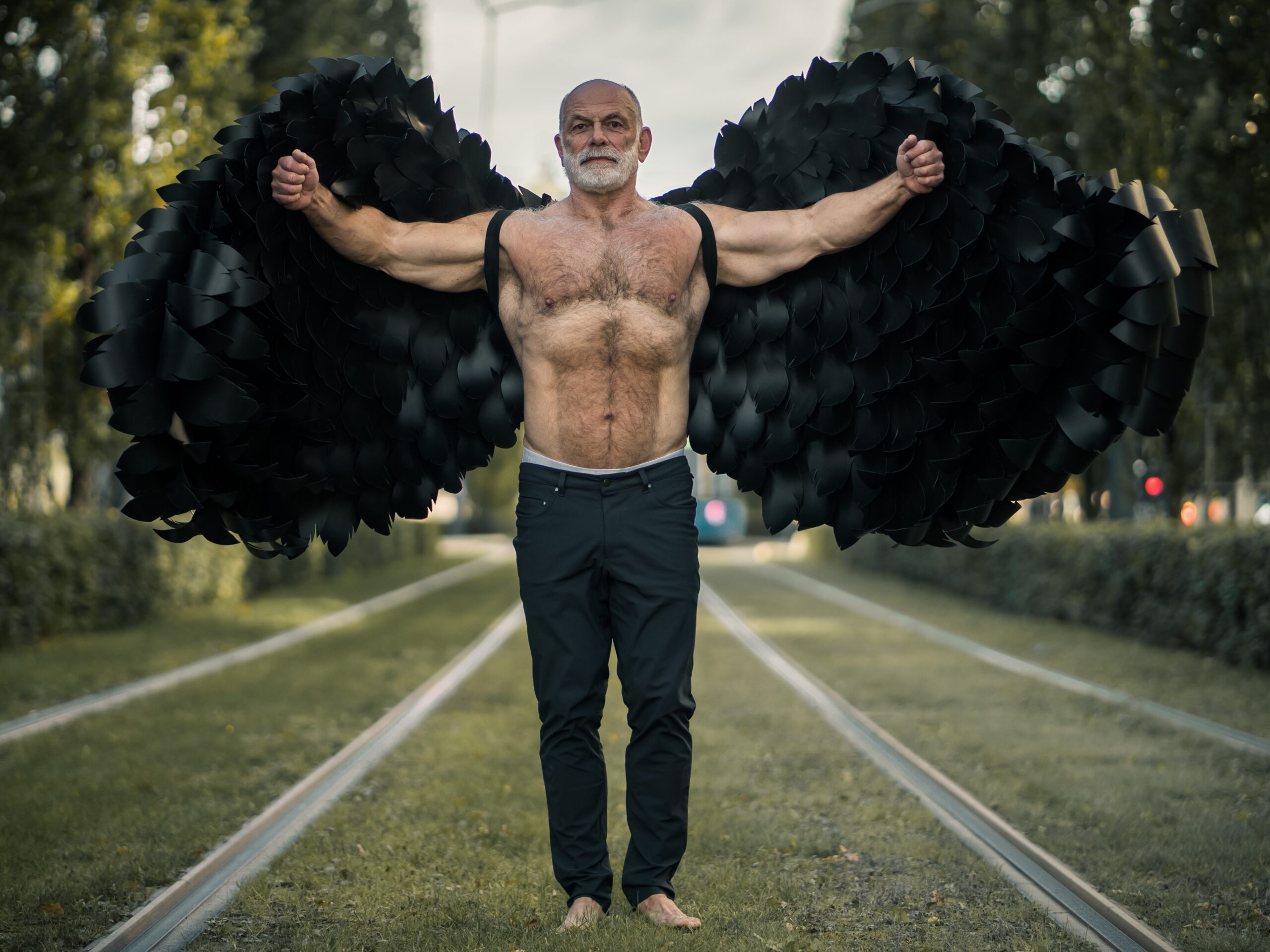
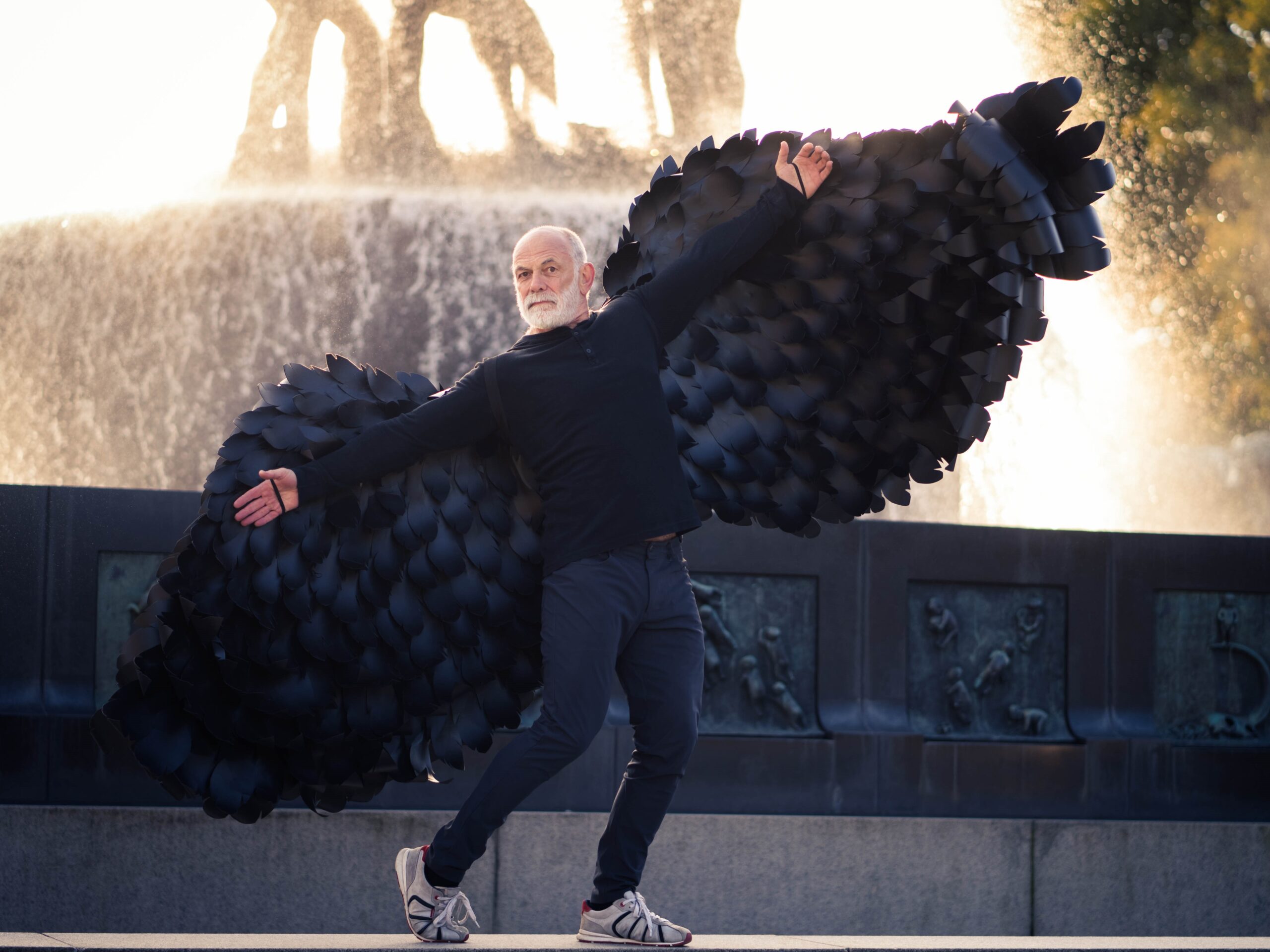
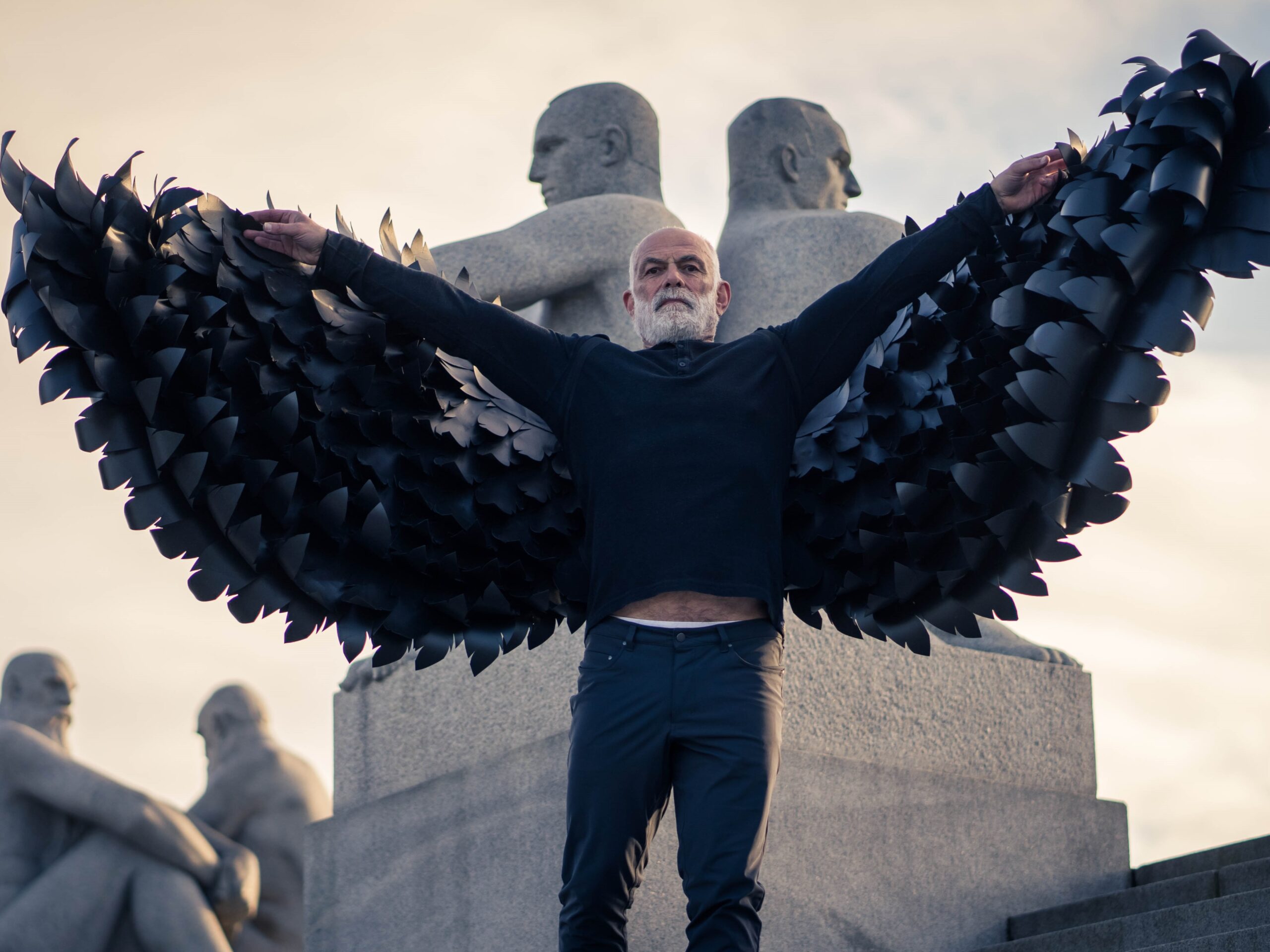
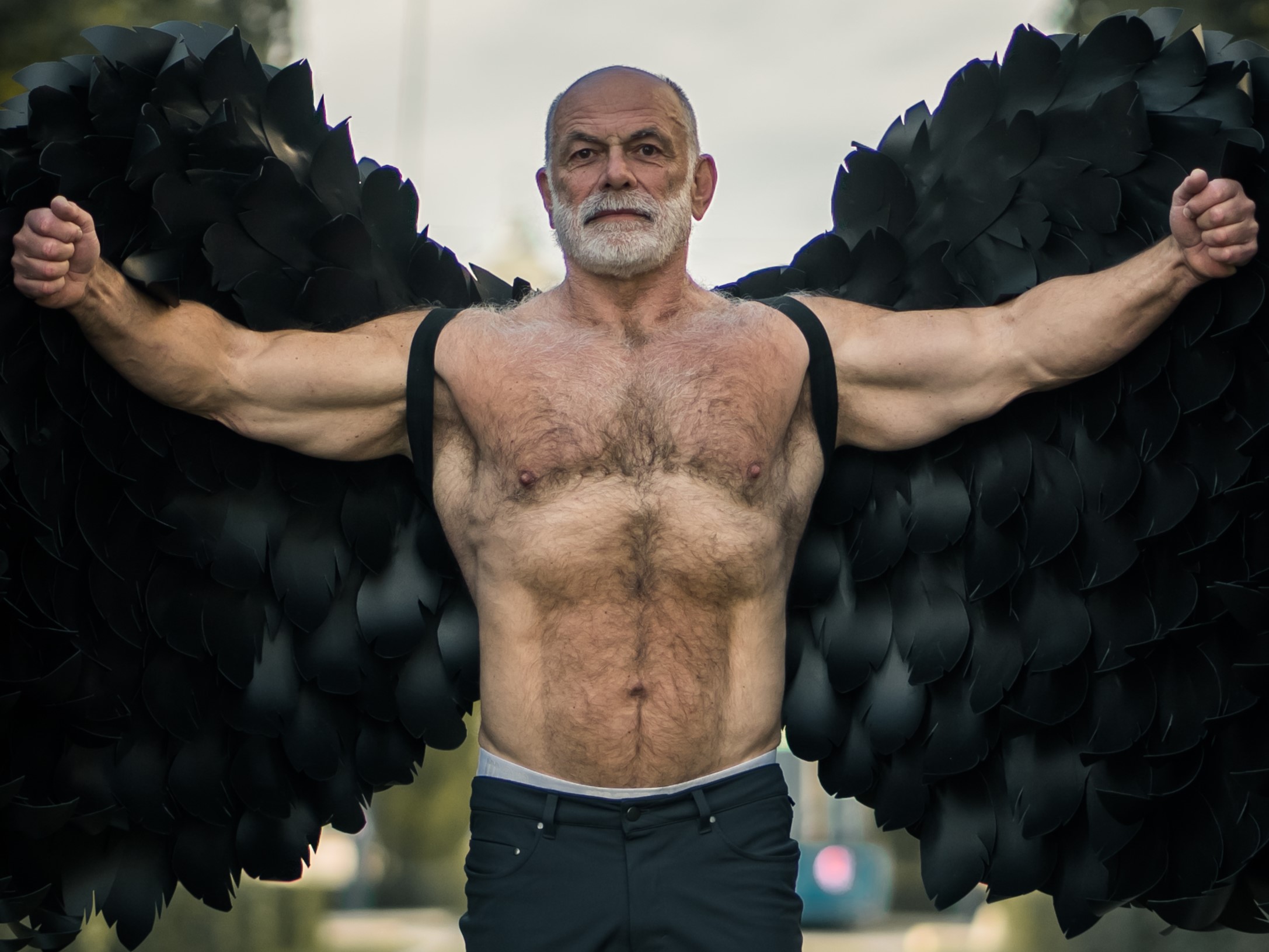
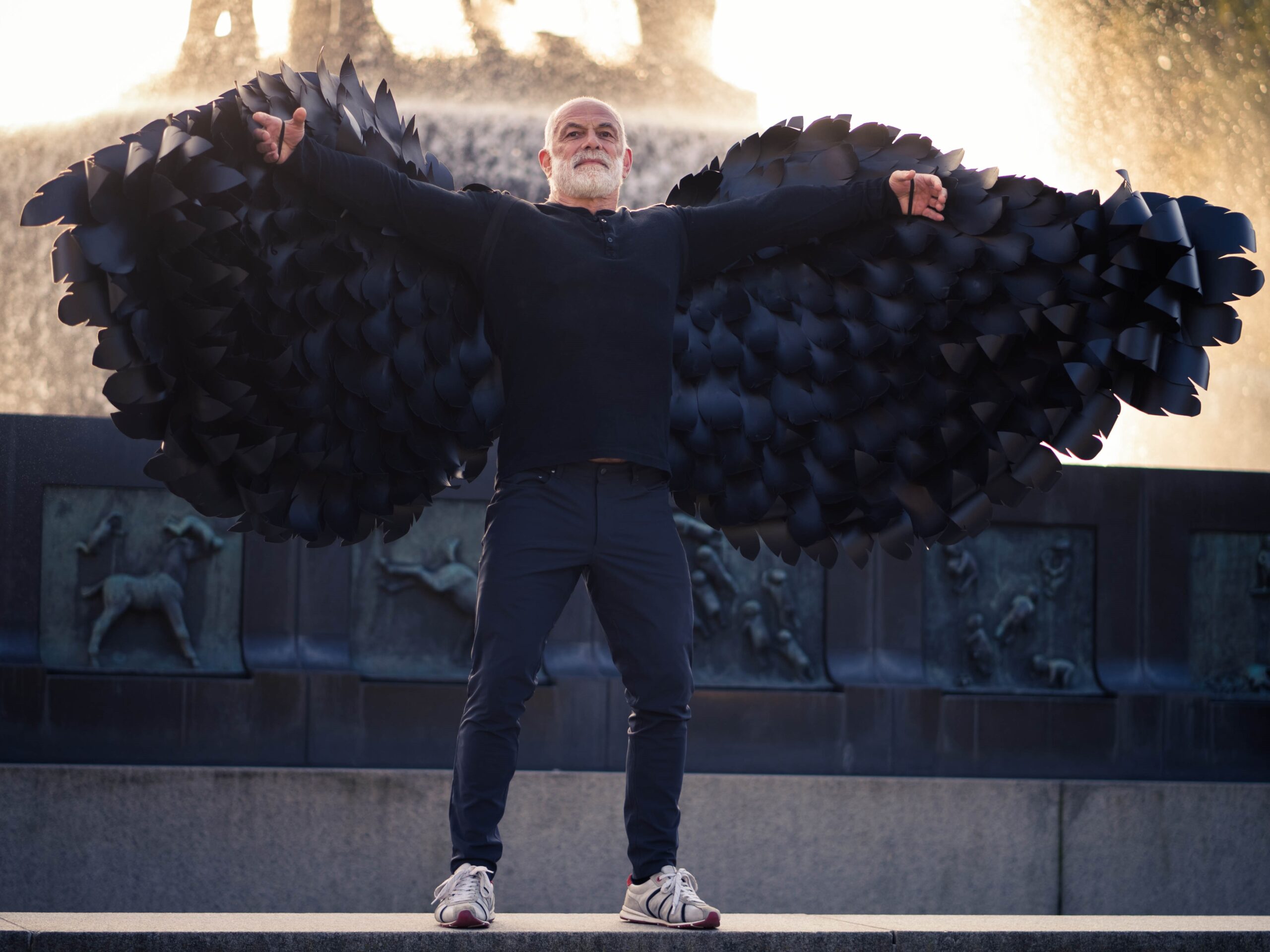
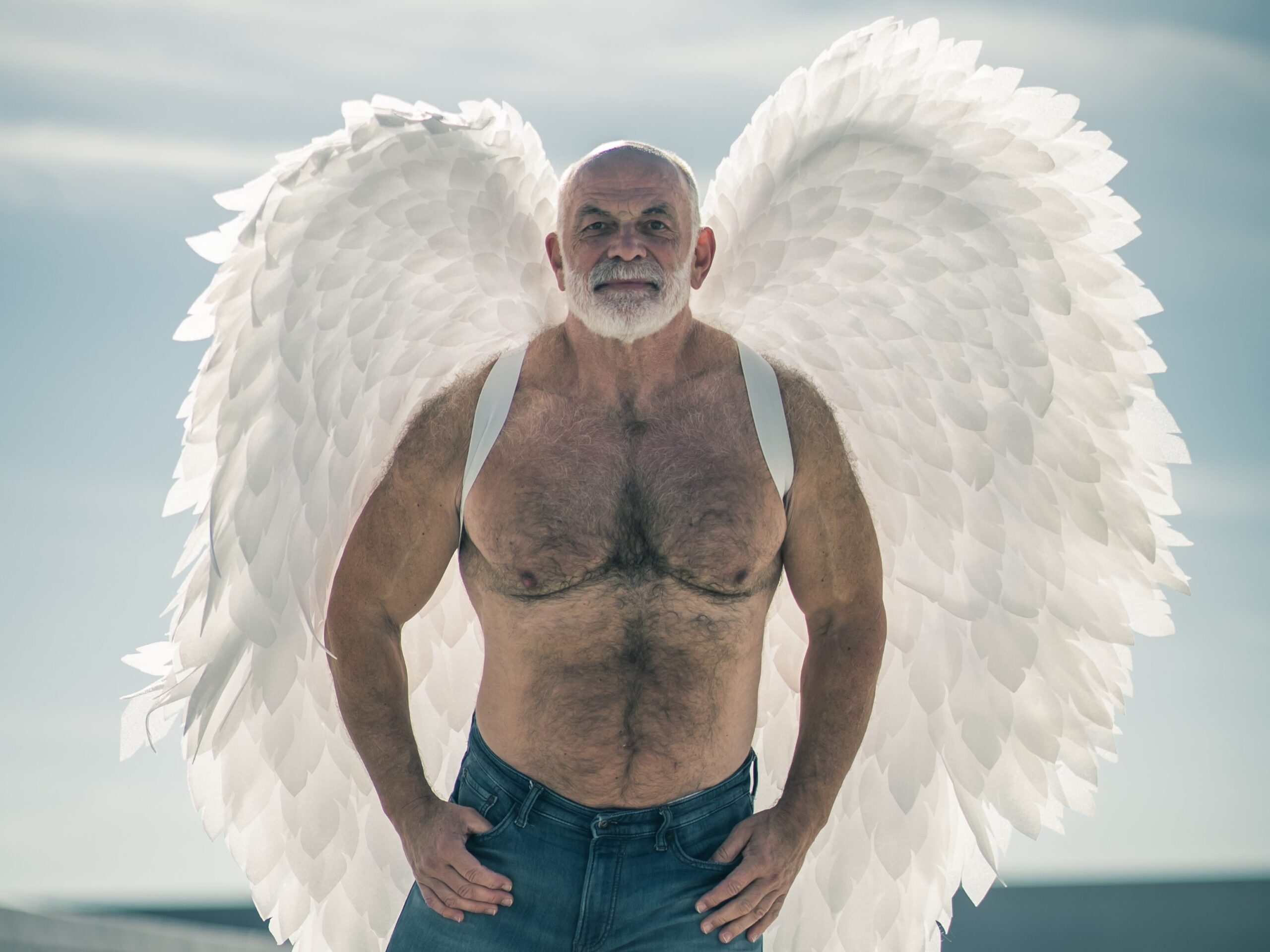
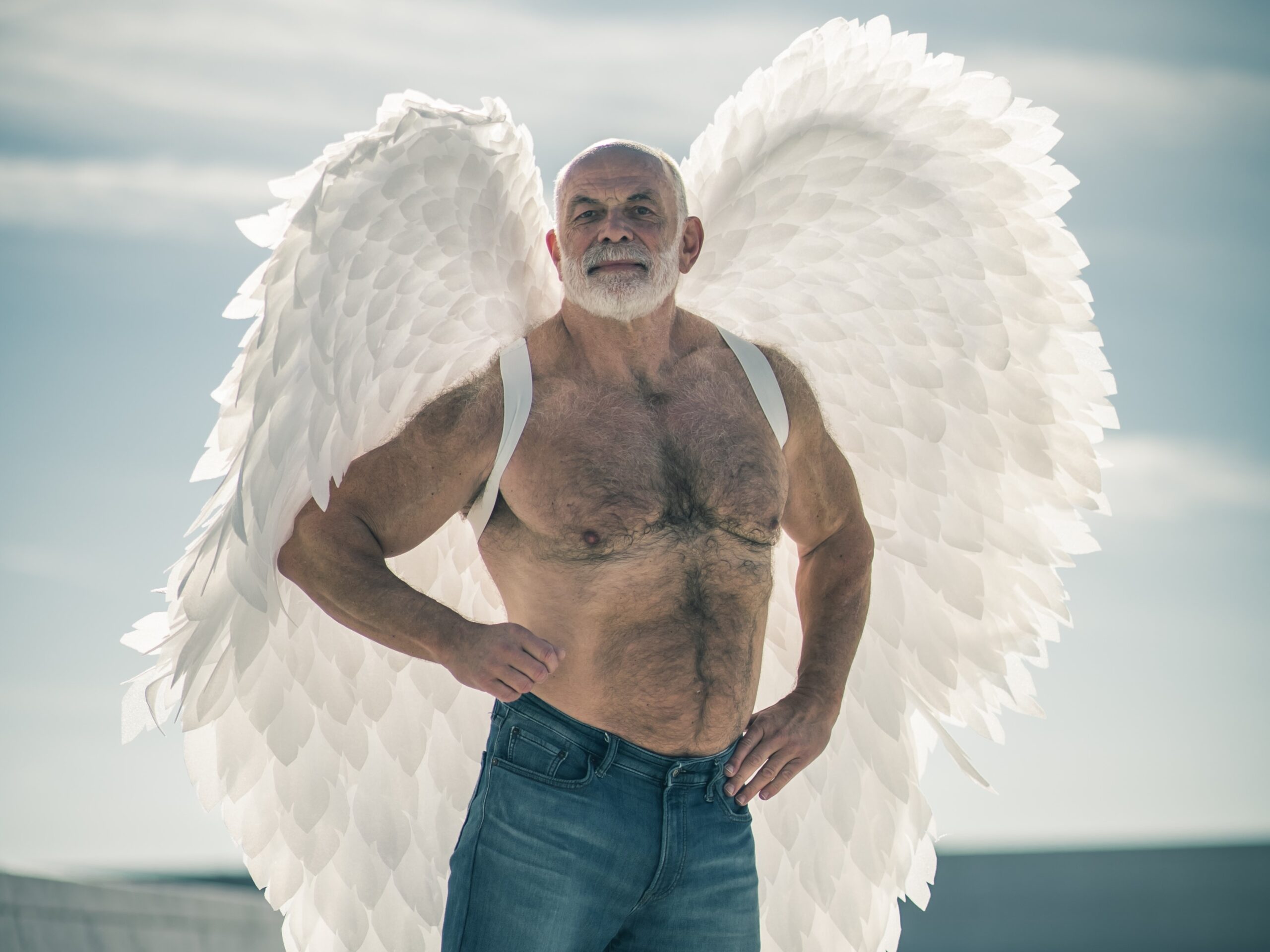
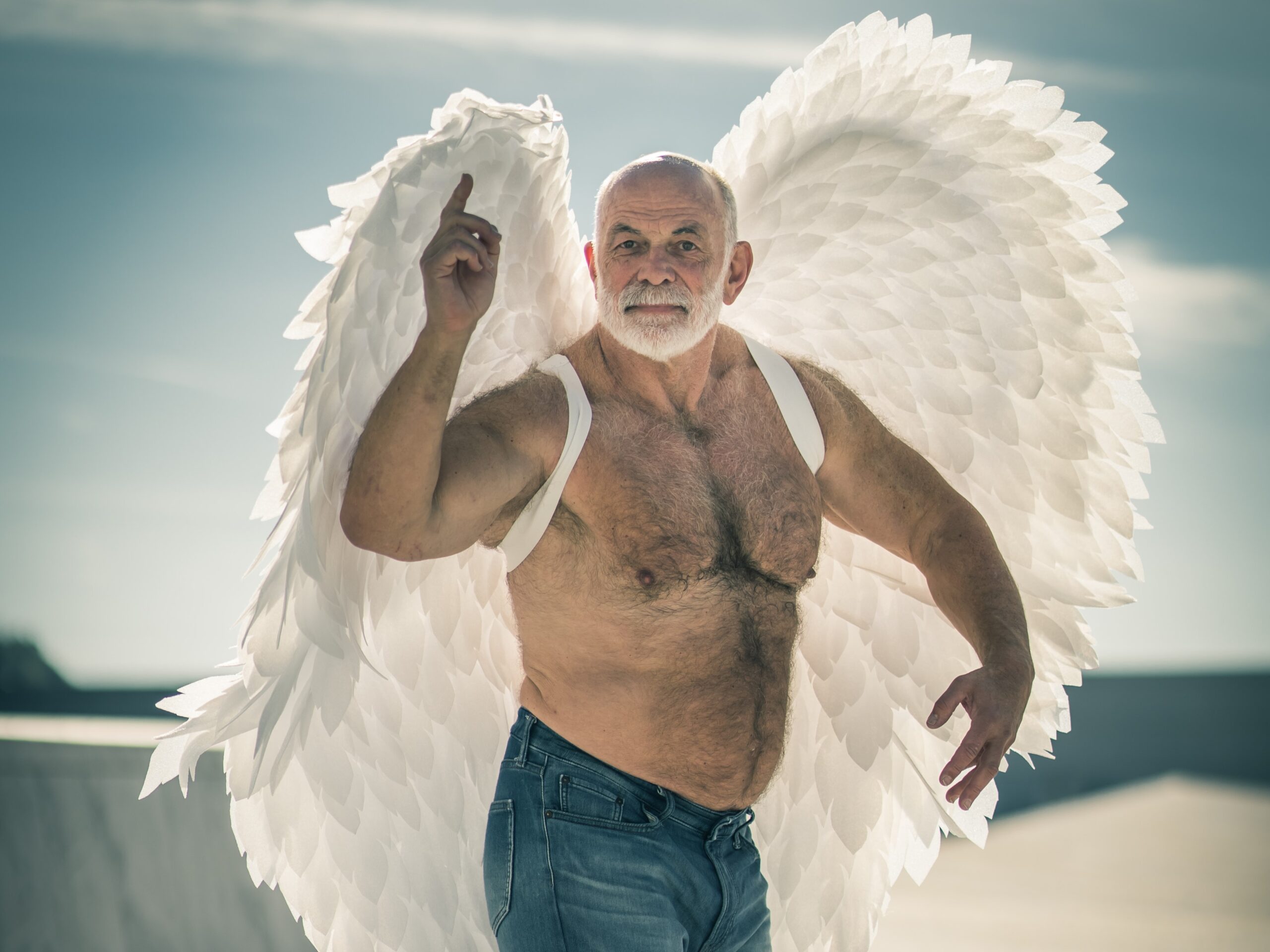
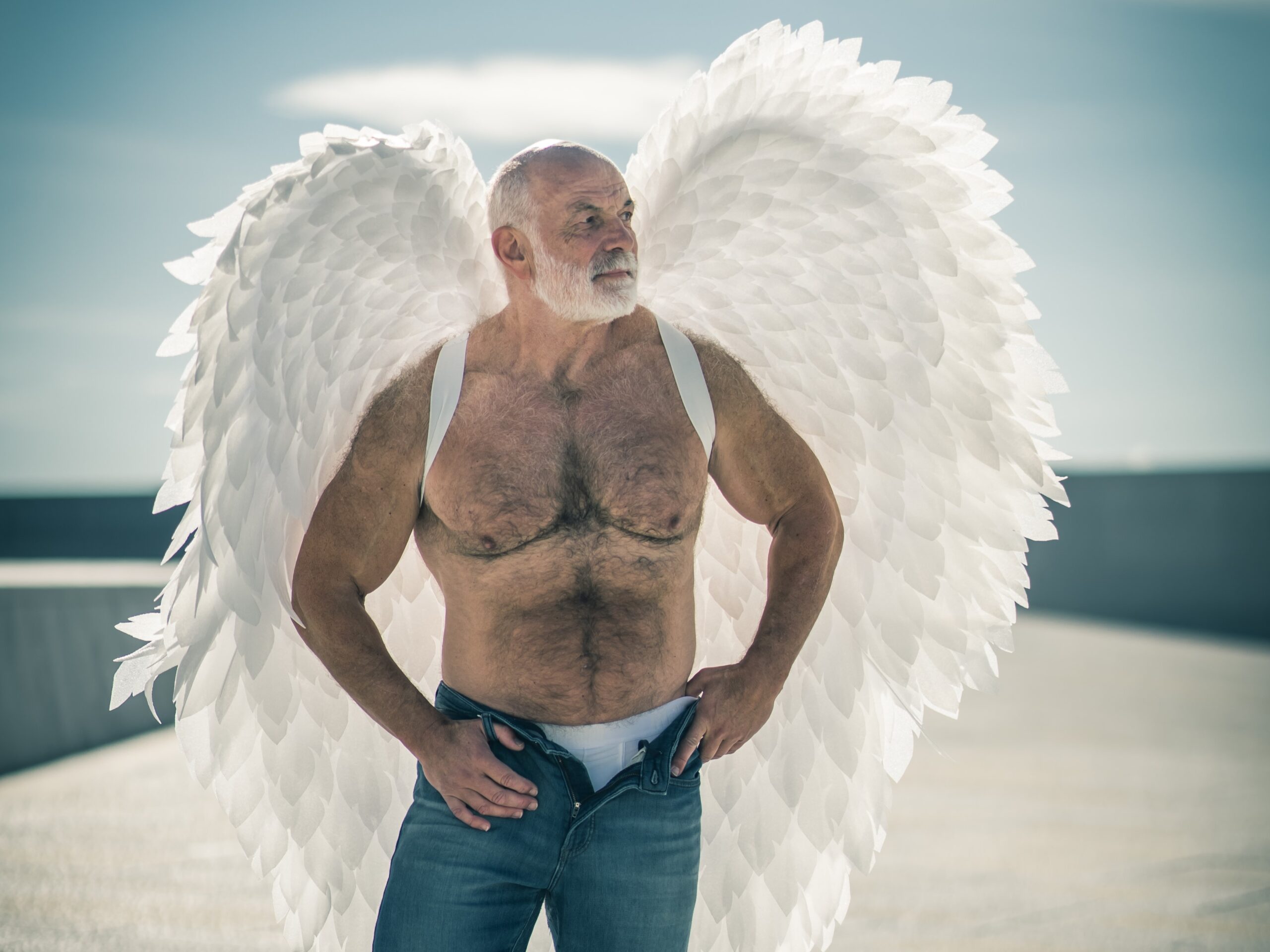
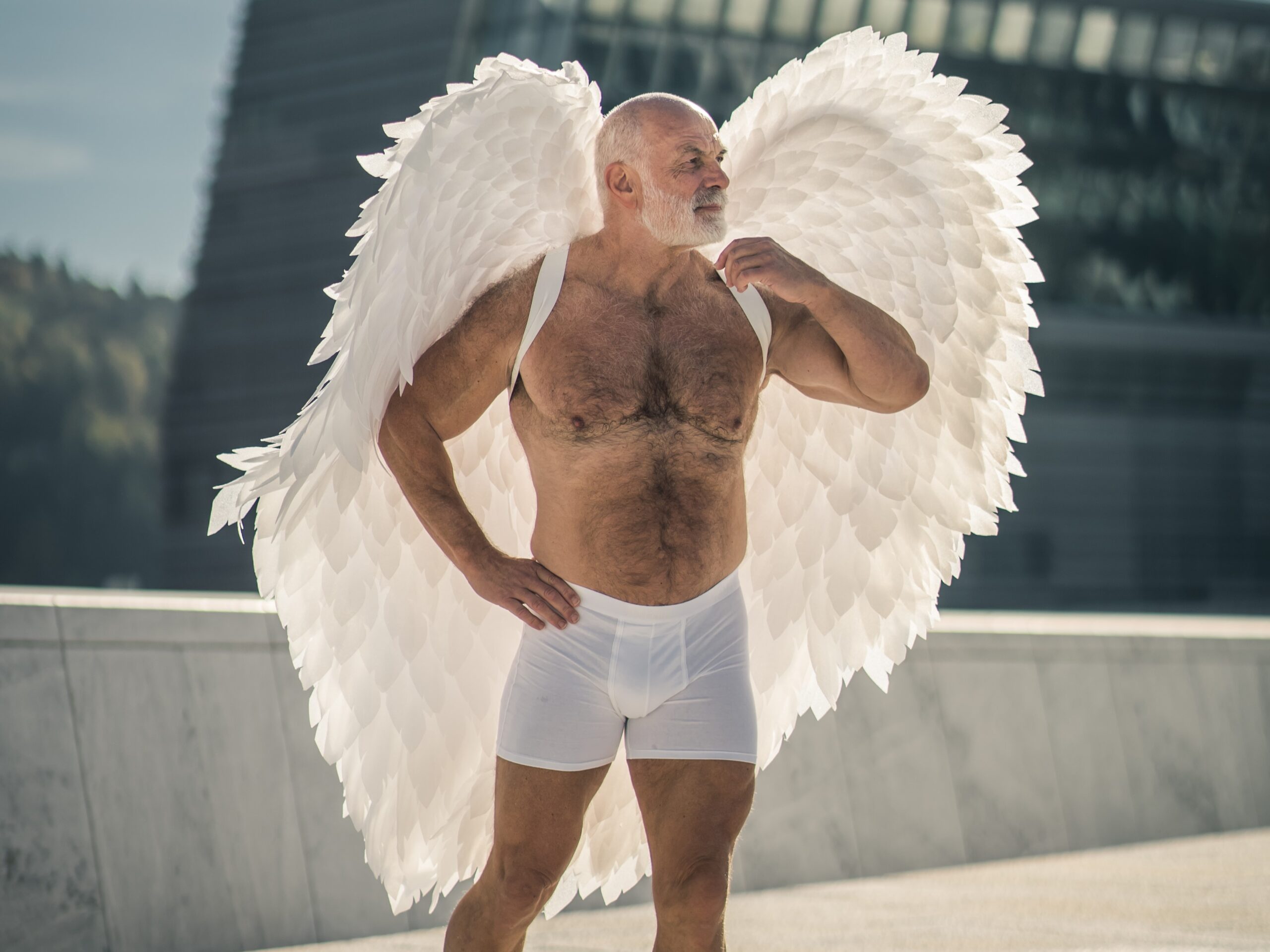
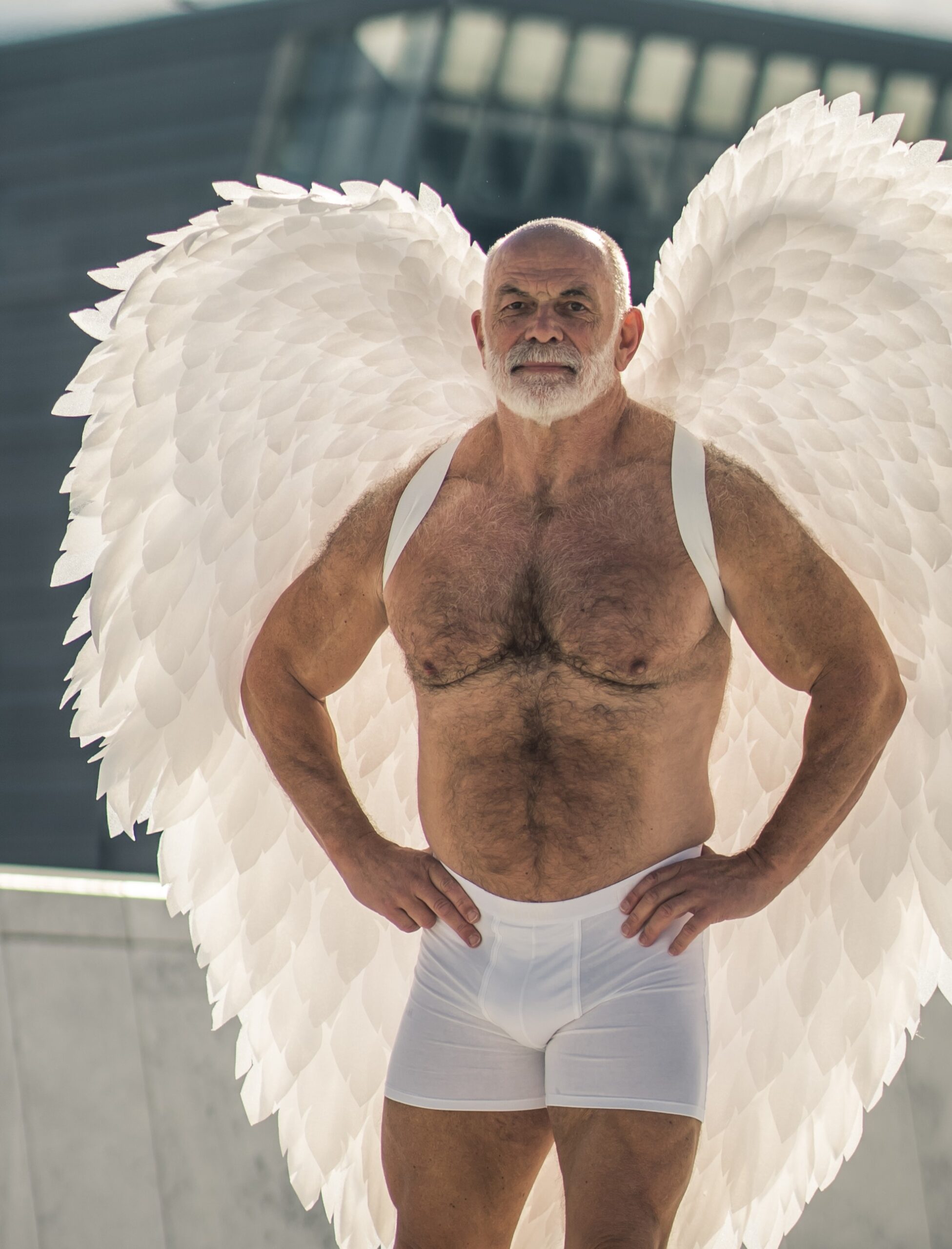
Jon Master Photograph / Design Angel Wings: Tania Tempesta

.
Odin - The Chief of Gods
Odin is the eldest, most powerful, and pre-eminent of the Aesir in Norse mythology. He is one-eyed and renowned as the wisest among the Aesir, having sacrificed an eye to have drunk from the giant Mimir’s Well of Knowledge, which lies at the root of Yggdrasil. Odin dwells in Valhalla. From his throne he is able to observe all that transpires in the world.
Occasionally, Odin walks among mortals - at such times, he is said to wear a wide-brimmed hat and a blue cloak.
[Source: snl.no/odin]
.
Thor – the Son of Odin
Thor, wielding the hammer known as Mjölnir, is among the most renowned deities in Norse mythology. He is the son of Odin and presides over thunder, strength, and fertility.
Thor is famed for his immense power and impetuous temperament. As the guardian of the forests, he is destined, according to myth, to battle the Midgard Serpent—a colossal creature encircling the world—during Ragnarok, the prophesied end of all things.
Thor’s prowess is unmatched; when he casts Mjölnir, his hammer, it unfailingly strikes its intended target and returns to his hand. He is often depicted traversing the heavens in his chariot, drawn by goats, causing lightning and thunder to ripple across the sky.
Mjölnir was a popular symbol and amulet in the Norse era.
[Source: snl.no/tor]




.
Lokasjon
The Oslo Opera House & Ballet
Oslo Operahus & Ballett ligger i Bjørvika-området i sentrum av Oslo, innerst i Oslofjorden. Bygningens skrå utvendige overflater er for det meste dekket med hvit marmor fra Carrara i Italia. Det får den til å se ut som om den stiger opp fra vannet.
The roof of the building angles to ground level, creating a large plaza that invites pedestrians to walk up and enjoy the panoramic views of Oslo. The lobby is surrounded by 49 ft tall windows with minimal framing. The special glass allows maximum views of the water. Interior surfaces are covered in oak to bring warmth to spaces in contrast to the coolness of the white exterior.
Bygningen ble ferdigstilt i 2007, designet av det anerkjente norske arkitektfirmaet Snøhetta.
[Source: wikipedia.org]
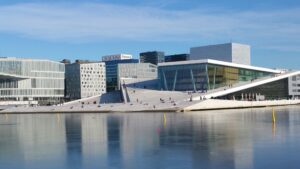
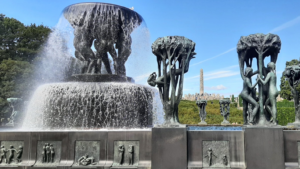
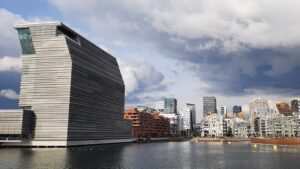
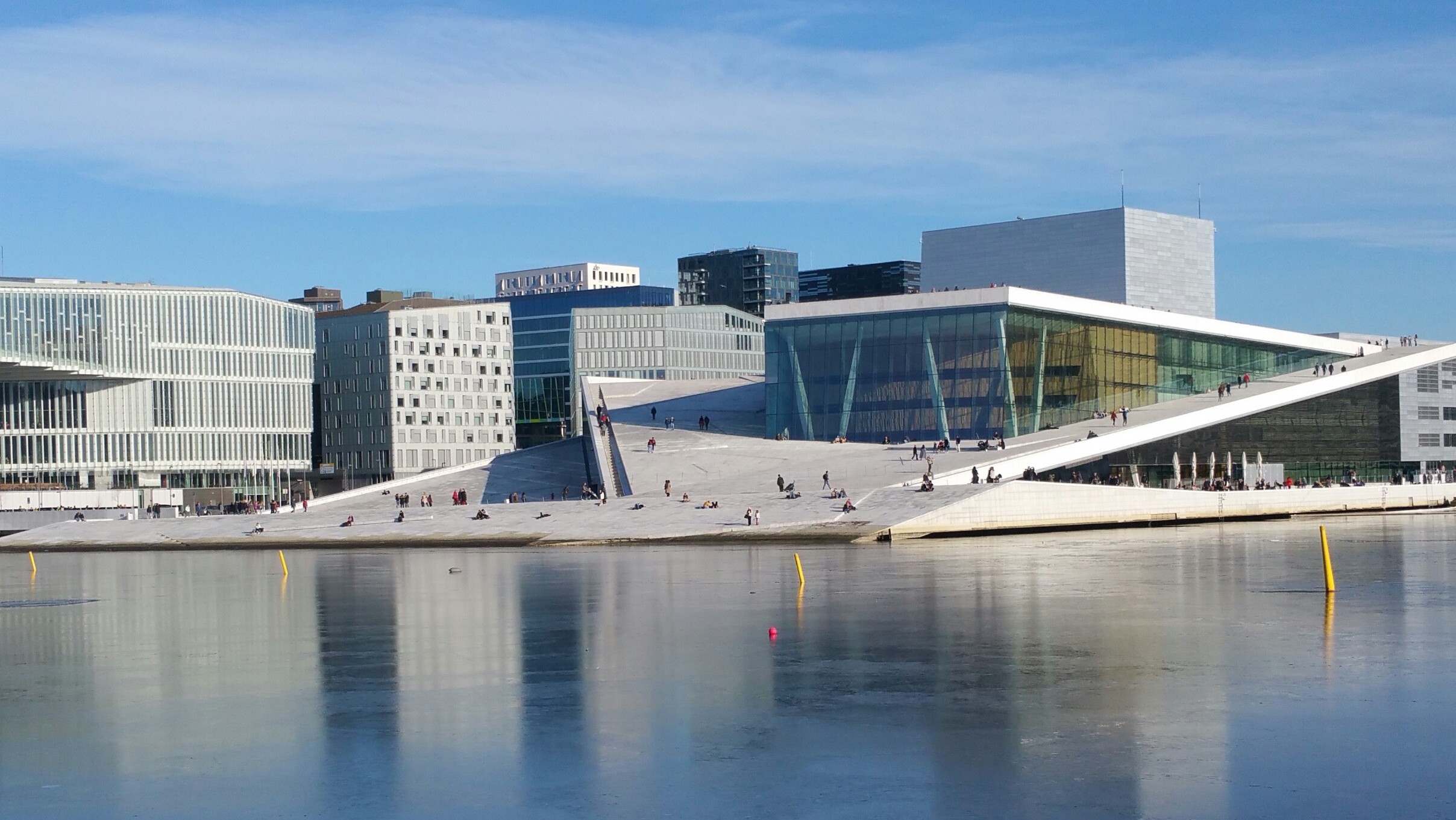
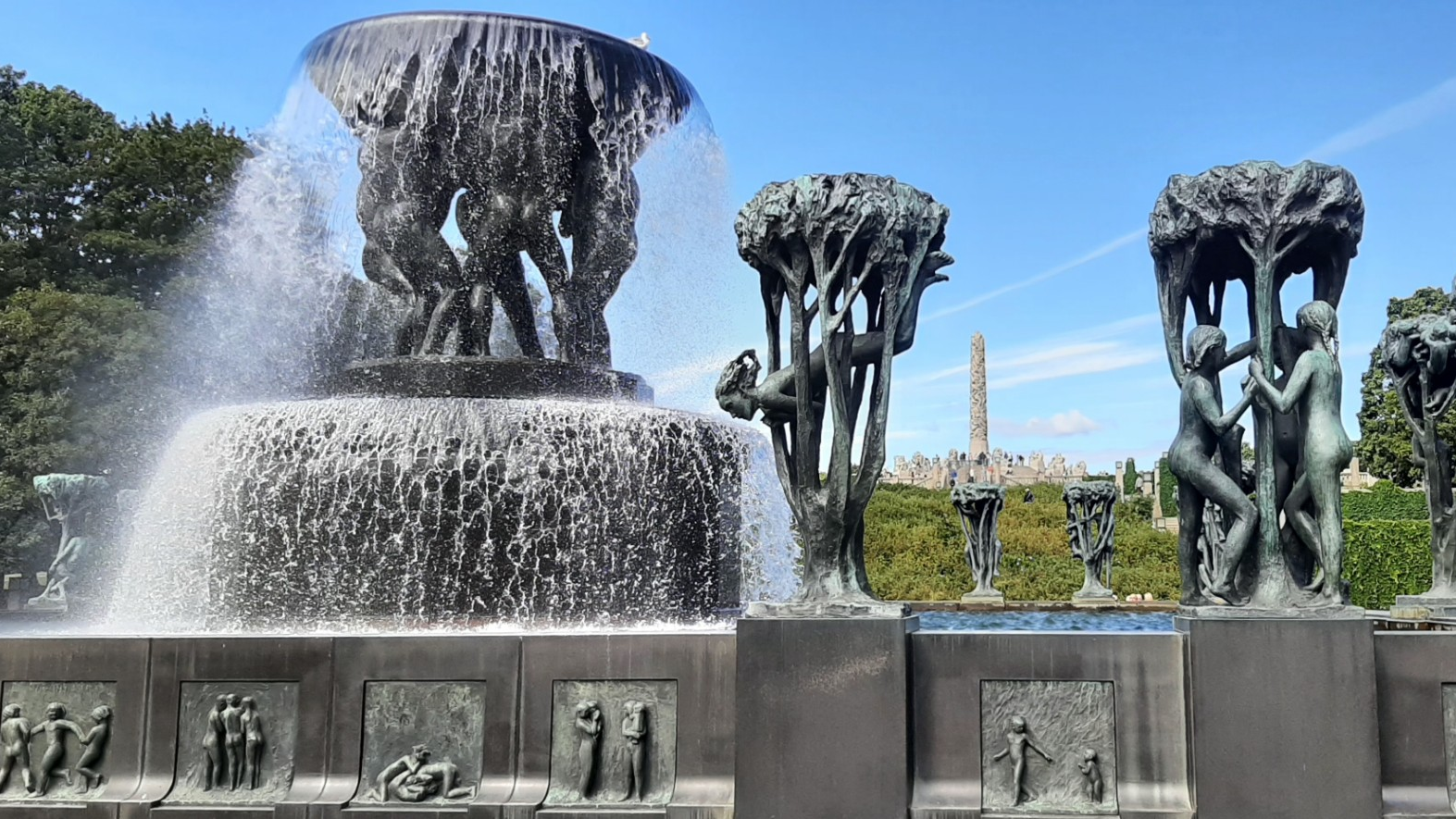
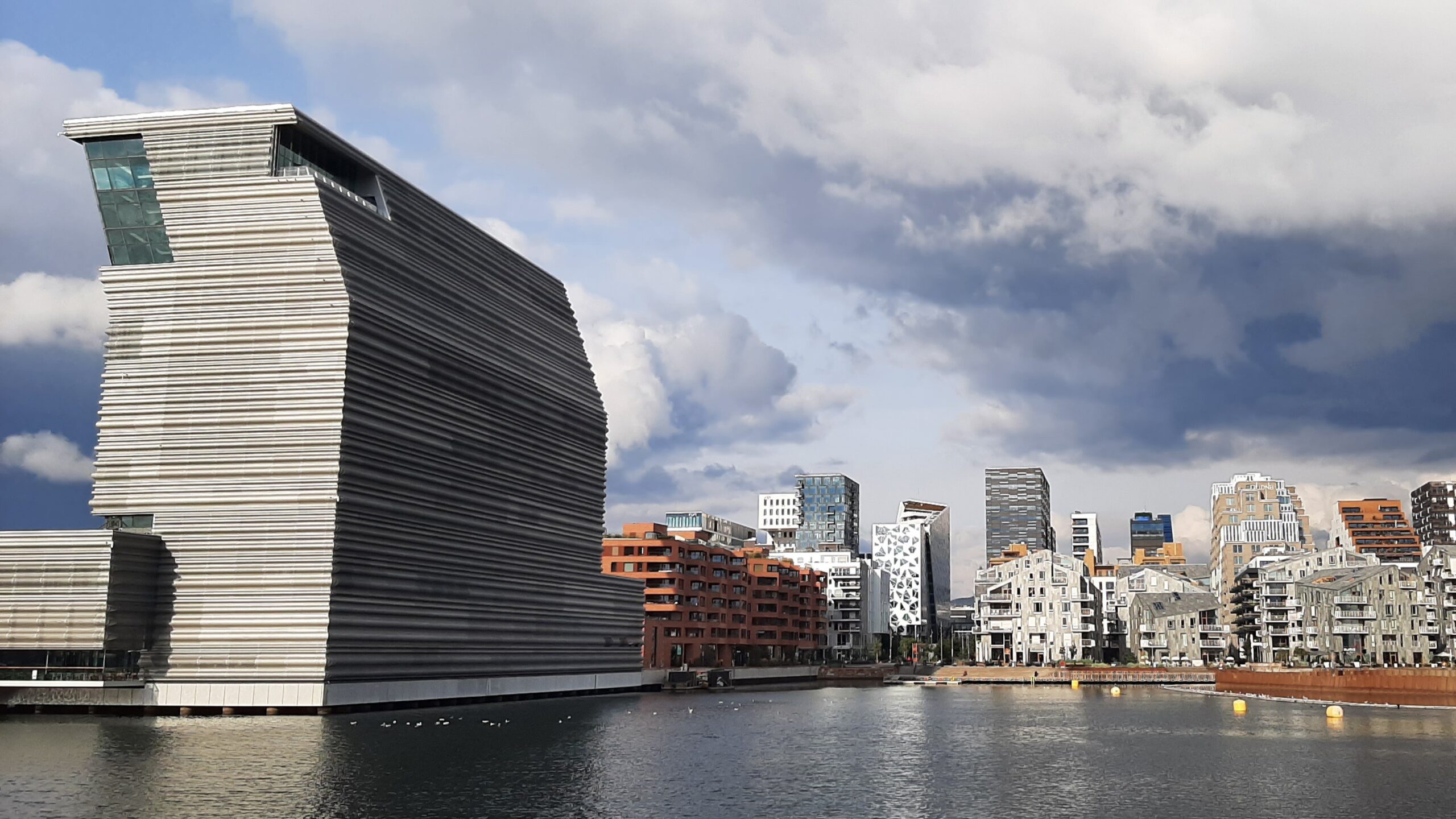
Foto: Atle Skilbrei, Oslo
The Vigeland Scuplpture Park
The sculpture park is Gustav Vigeland’s life work, comprising over 200 sculptures in granite, bronze and wrought iron. It was installed mainly in the period 1940-1949. It is is nevertheless a result of over 40 years of work. The starting point for the park is Vigeland’s Fountain, which was originally meant to be placed at Eidsvolls plass in front of the Parliament in downtown Oslo. These plans were never realized, and the Fountain later became part of Vigeland’s more extensive park plans.
The starting point for the park is Vigeland’s Fountain, which was originally meant to be placed at Eidsvolls plass in front of the Parliament in downtown Oslo. These plans were never realized, and the Fountain later became part of Vigeland’s more extensive park plans.
In 1924, the city council agreed that the sculptor’s monumental Fountain was to be erected in Frogner Park. At that time, Vigeland’s park project had expanded to include the Monolith and the Bridge.
[Source: vigelandmuseum.no]
Barcode
The Barcode in Oslo is a notable architectural area characterized by its tall and thin buildings that resemble a barcode from a distance. The area consists of twelve unique buildings designed by leading architecural firms, contributing to Oslo’s modern skyline.
The Barcode has become a significant cultural and urban development in the Bjørvika area, showcasing innoative design and urban planning.
[Source: wikipedia.org]












Jon Master Phoptograph ▪ Location: Barcode area, The Opera House & The Vigeland Park, Oslo
Donation – gives exclusive access!
Receive training tips and dietary advice. Get access to exclusive photo and video content. Send requests, receive news, updates and training programme for an active lifestyle.
Send donation: PayPal.Me

.
Click the button and send a message. I will get back to you shortly.
. . .
All rights reserved. Do not copy or download any images without consent. Images are subject to copyright.
Copyright © 2025 | Ravn Norway Ltd
. . .

