
.
Adventurous Istanbul, Konya and Cappadocia!
Tyrkia byr på en spennende blanding av eldgammel historie, levende kultur, dramatiske landskap og førsteklasses mat. Vi utforsker det pulserende bylivet i Istanbul og besøker noen av byens storslåtte moskeer og livlige basarer.
Vi legger turen innom Kappadokia, der vi opplever daler som ser ut til å høre hjemme på en annen planet. Kirker, klostre og hulrom er hugget rett inn i fjellet. Her får vi også med oss et unikt luftballongeventyr like før soloppgang.
I Konya lærer vi om sufismens mystikk og visdom. Både her og ellers møter vi den varme tyrkiske gjestfriheten.
This is a journey packed with contrasts, history, and unforgettable experiences! Group size: Up to 15 travellers.
Photos: Atle Skilbrei
2 – 9 September 2027
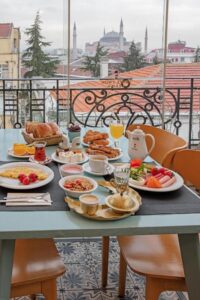
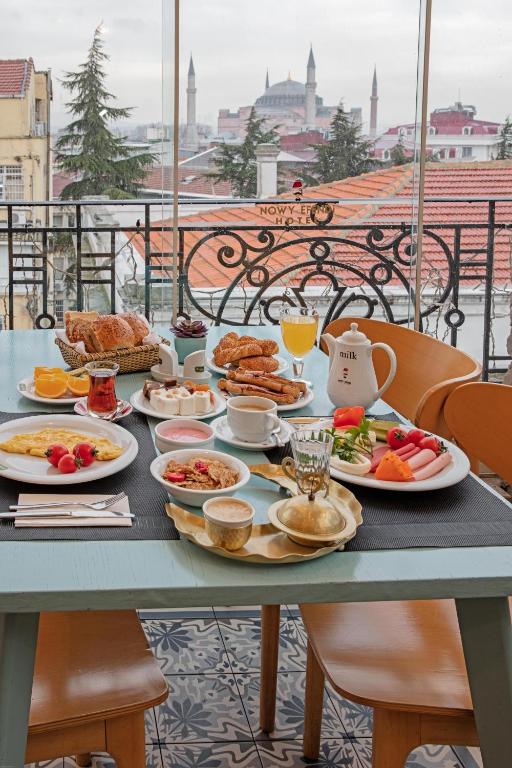
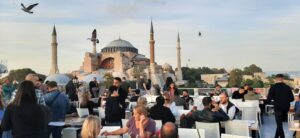
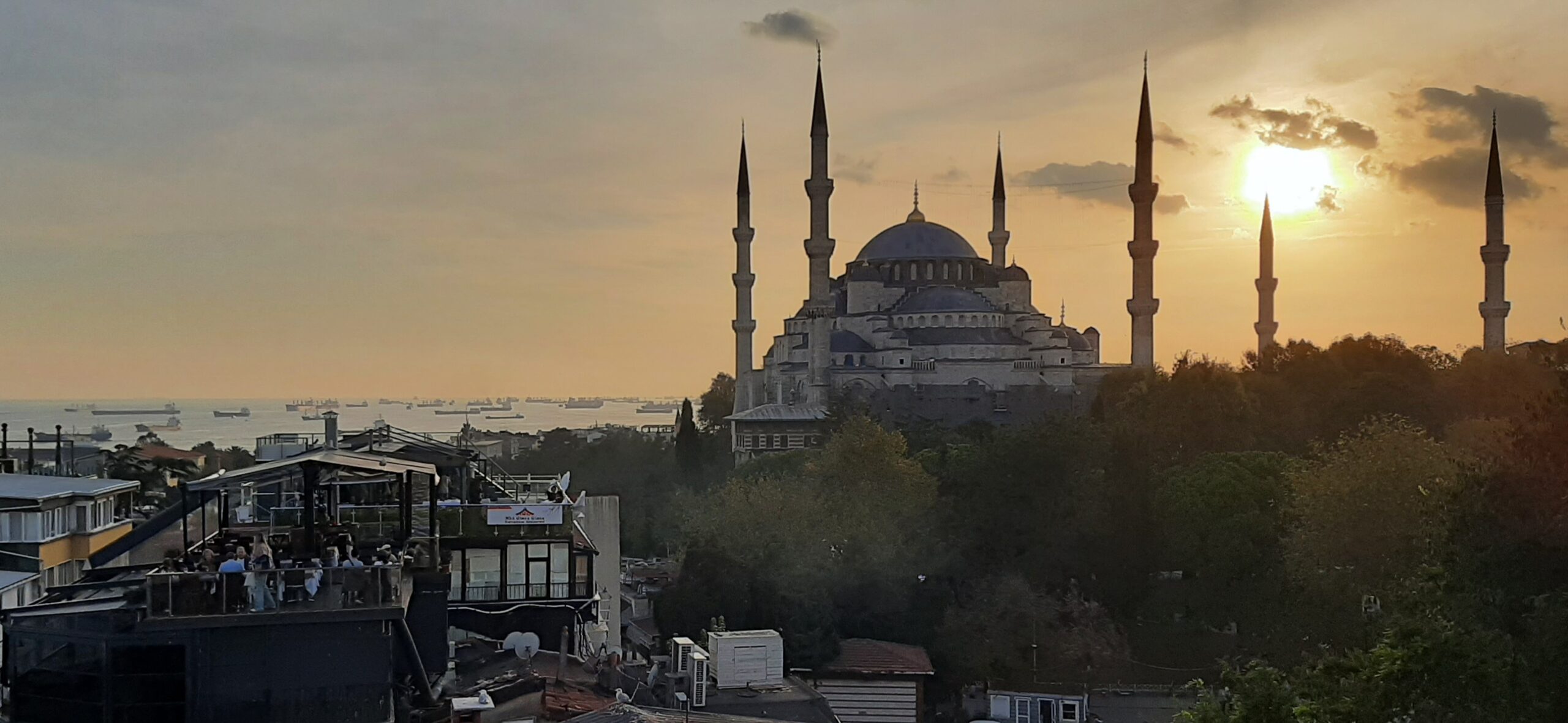
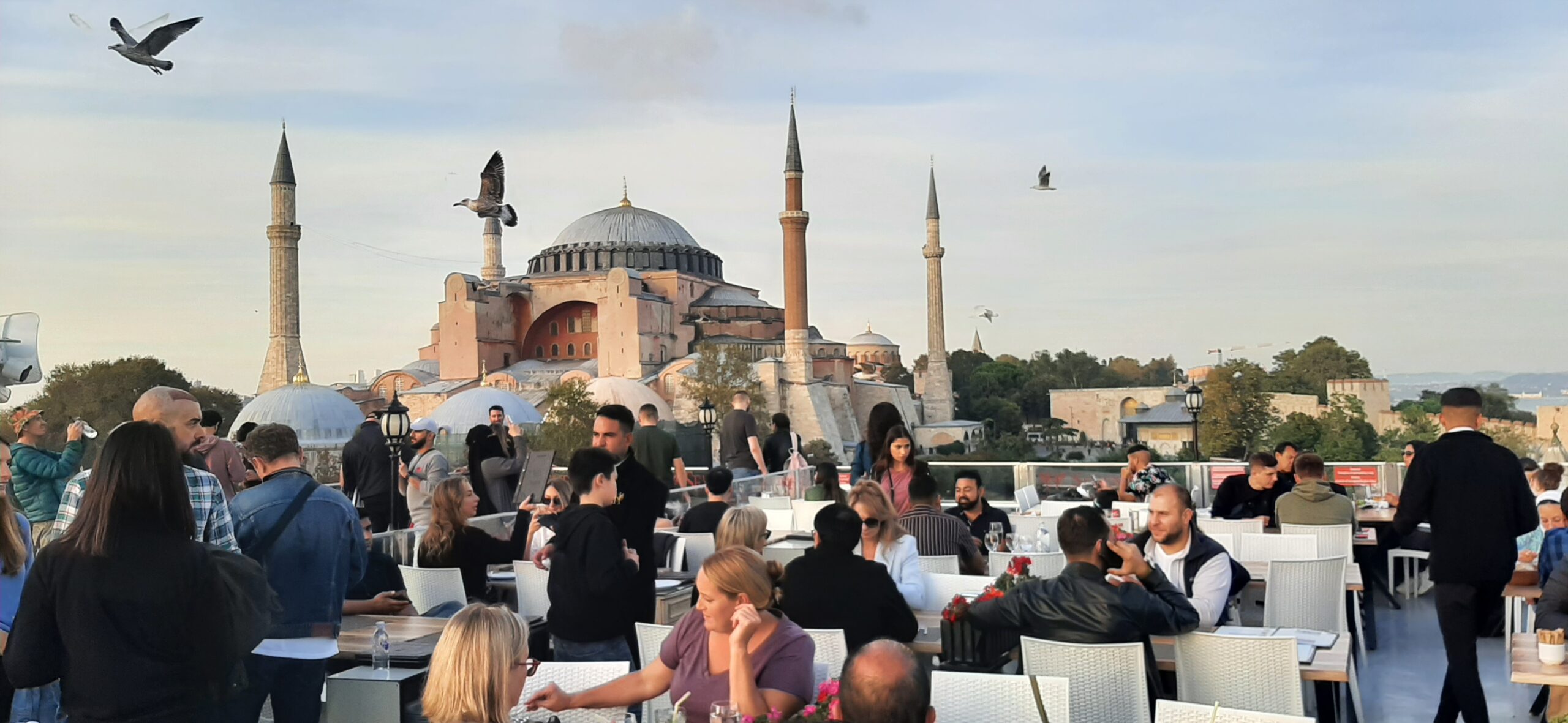
- Day 1: We arrive at the hotel in Istanbul and celebrate with a welcome dinner at a charming rooftop restaurant with a breathtaking view of the mosques we will visit on day 2.
- Day 2: Guided tour to the Blue Mosque and the Hagia Sophia Mosque. Group lunch. We explore The Grand Bazaar, then cross the Galata Bridge and stroll along the busy pedestrian street Istiklal until we reach Taksim Square. After that, we hop on the tram, which takes us back to the starting point near the Galata Bridge.
- Day 3: We visit the impressive Çamlica Mosque on the Asian side. Next, we head to the charming area of Kadıköy and find a suitable place for lunch. There is time to explore Kadıköy until we return to the hotel by crossing the Bosphorus Stait by boat.
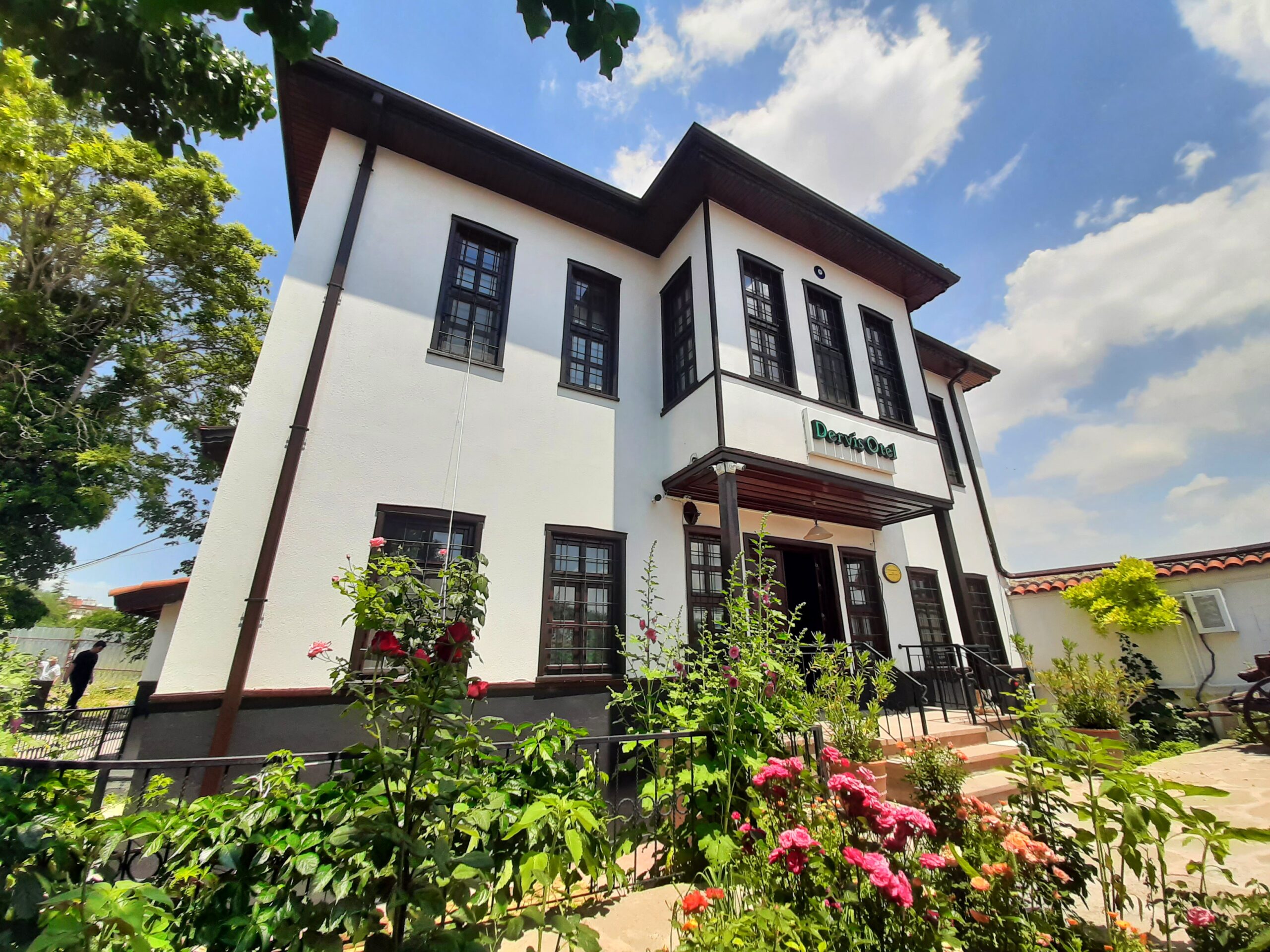
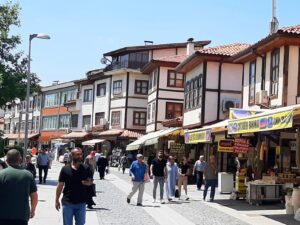
- Day 4: We hop on the morning train to Konya. About 4.5 hours later we check in at a cozy family hotel. We explore the city centre and find a nice restaurant to have an afternoon meal.
- Day 5: After breakfast, we visit the Mevlana Museum and dive into Rumi's teachings. Rumi was, among other things, the founder of the "Whirling Dervishes Society." Later in the day, we visit the Agia Eleni Byzantine church, one of the oldest Christian churches in the area. We end the day's program by attending a performance of whirling dervishes at the traditional Mevlana Cultural Center.
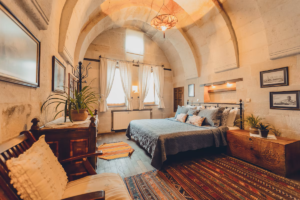
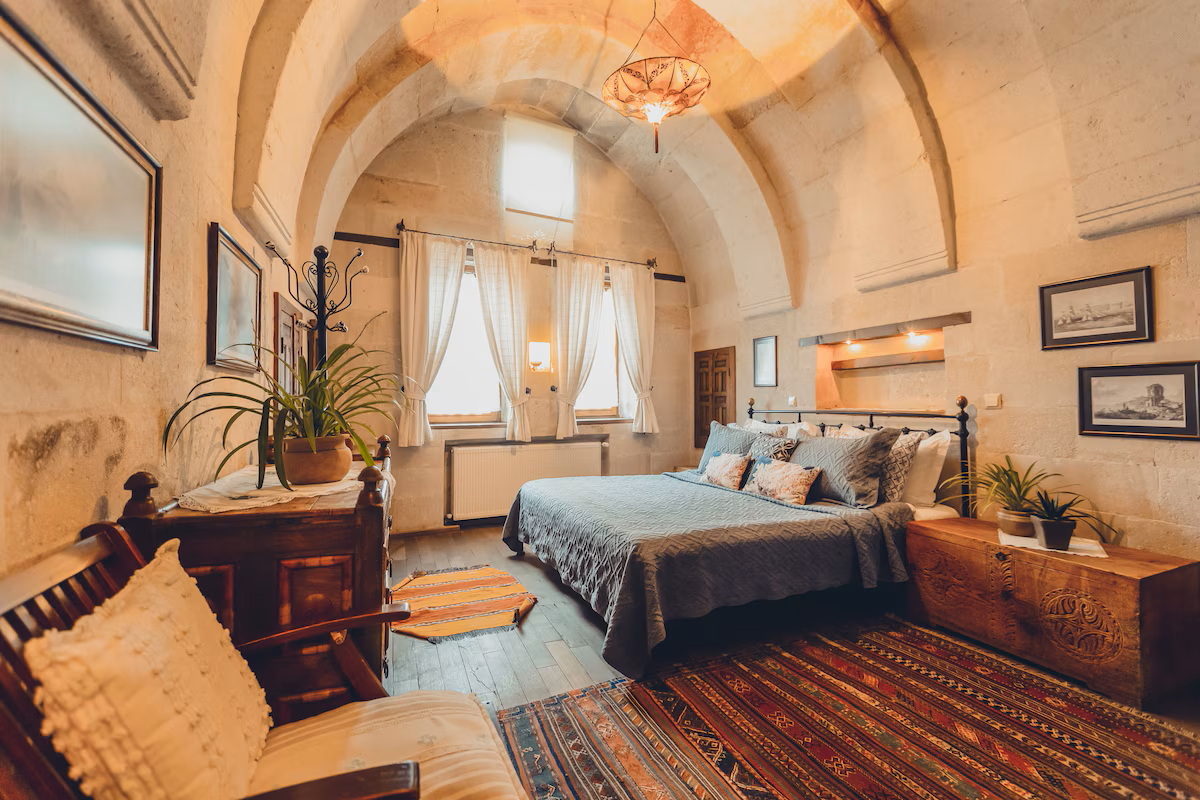
- Day 6: We set off to Cappadocia, and visit volcanic tuff formations, caves, and underground cities. We dedicate a visit to the Göreme Open-Air Museum, and make a stop at Pigeon Valley with a beautiful view of the most dramatic part of Cappadocia. Finally, we check in at a modern 'cave hotel'.
- Day 7: Neste morgen står vi tidlig opp og får med oss uforglemmelig soloppgang med varmluftsballonger. Dernest returnerer vi til hotellet, spiser frokost og returnerer til Istanbul. Her tilbringer vi tiden slik vi ønsker før vi møtes til felles middag om kvelden.
- Day 8: After breakfast, we leave the hotel and make our way to the airport to return home.
Eight days and seven nights
Vi tar direktefly fra Oslo Gardermoen til Istanbul. På flyplassen blir vi hentet og transportert til hotellet vårt. Mange av de viktigste severdighetene i Istanbul ligger innen gangavstand. Når det er behov for det, disponerer vi minibuss.
Reiseeventyret varer i åtte dager med syv netter overnatting. Vi tilbringer de tre første nettene i Istanbul, to netter i Konya, én natt Kappadokia, og den siste natten i Anatalya.
Vi reiser med tog fra Istanbul til Konya, deretter minibuss fra Konya til Kappadokia, og direktefly tilbake til Oslo via Antalya..
Istanbul – an introduction
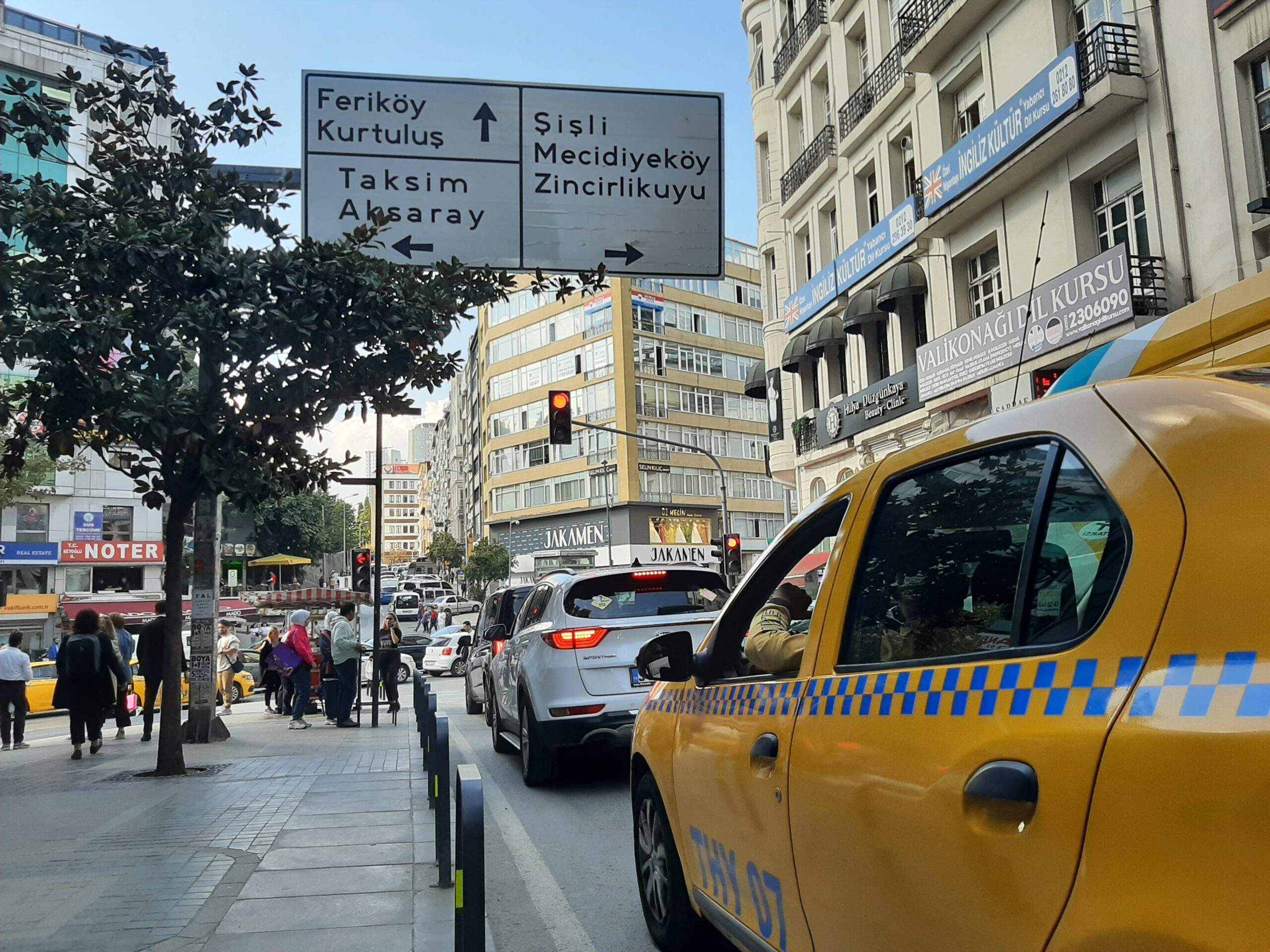
Istanbul is a bustling metropolis straddling the boundary between Europe and Asia, and throughout the centuries it has served as a crossroads for culture, trade and history.
The city offers a fascinating blend of old and new, where majestic mosques, vibrant markets and modern districts create a truly unique cityscape. Here you can experience everything from oriental flavours to beautiful architecture and a lively street scene.
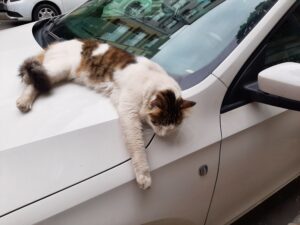
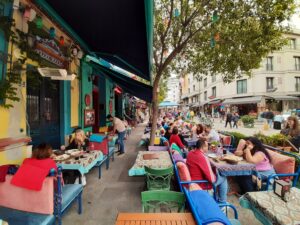
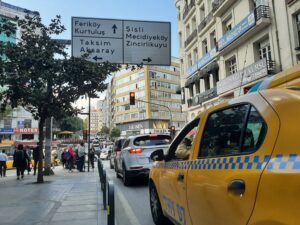
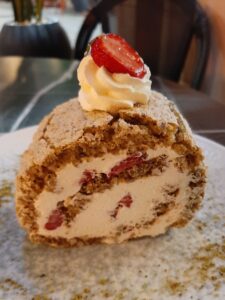
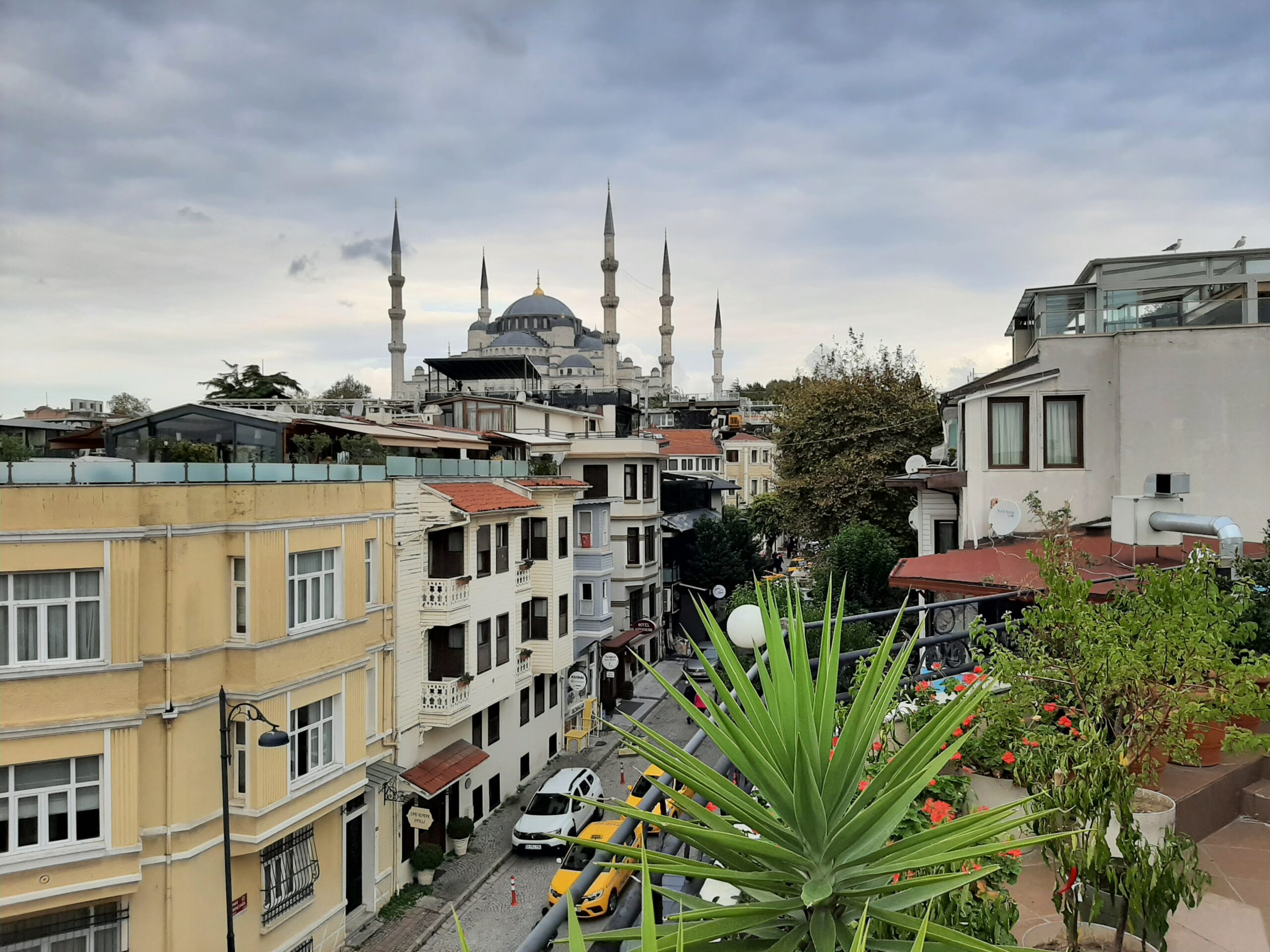
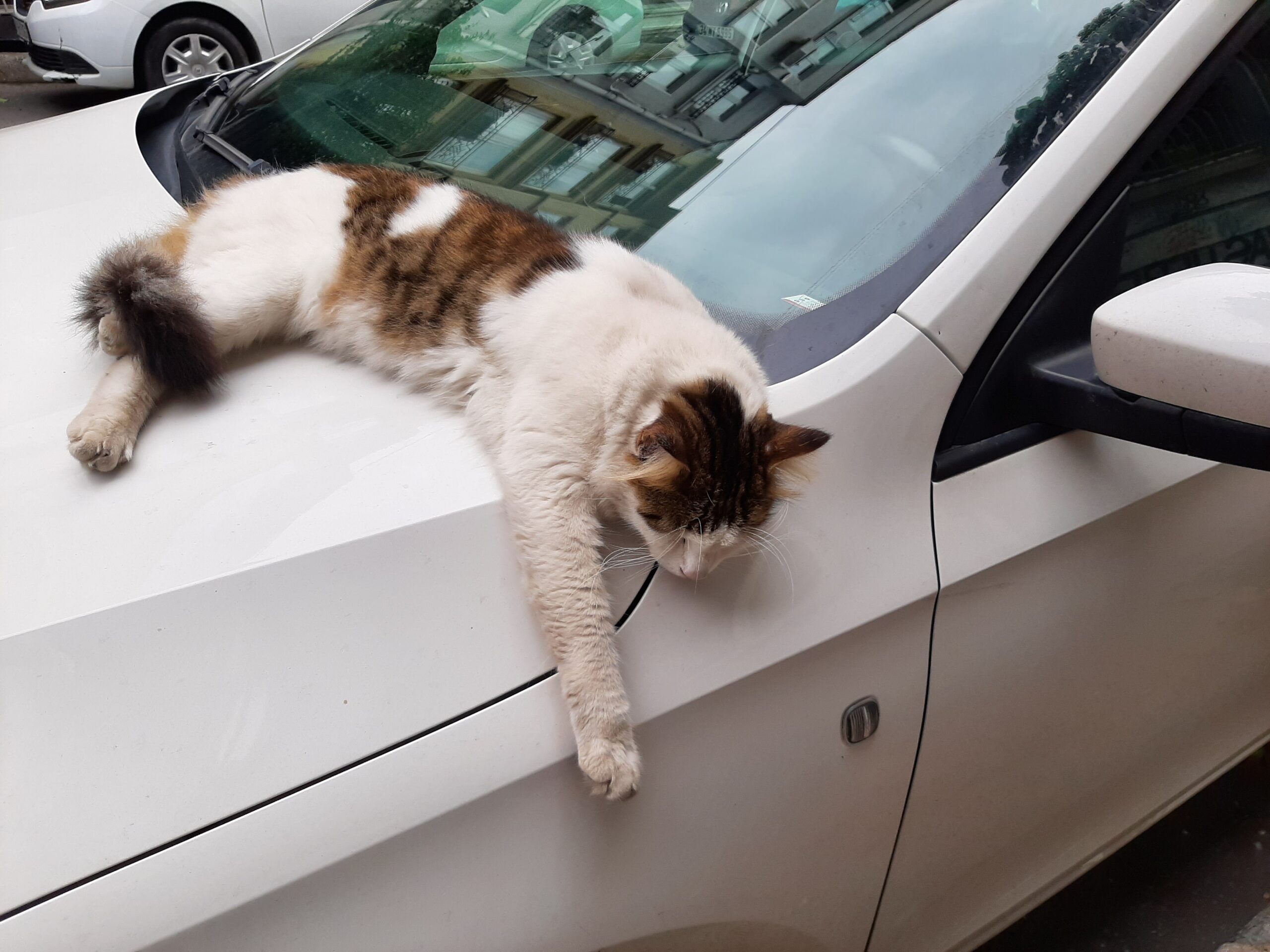
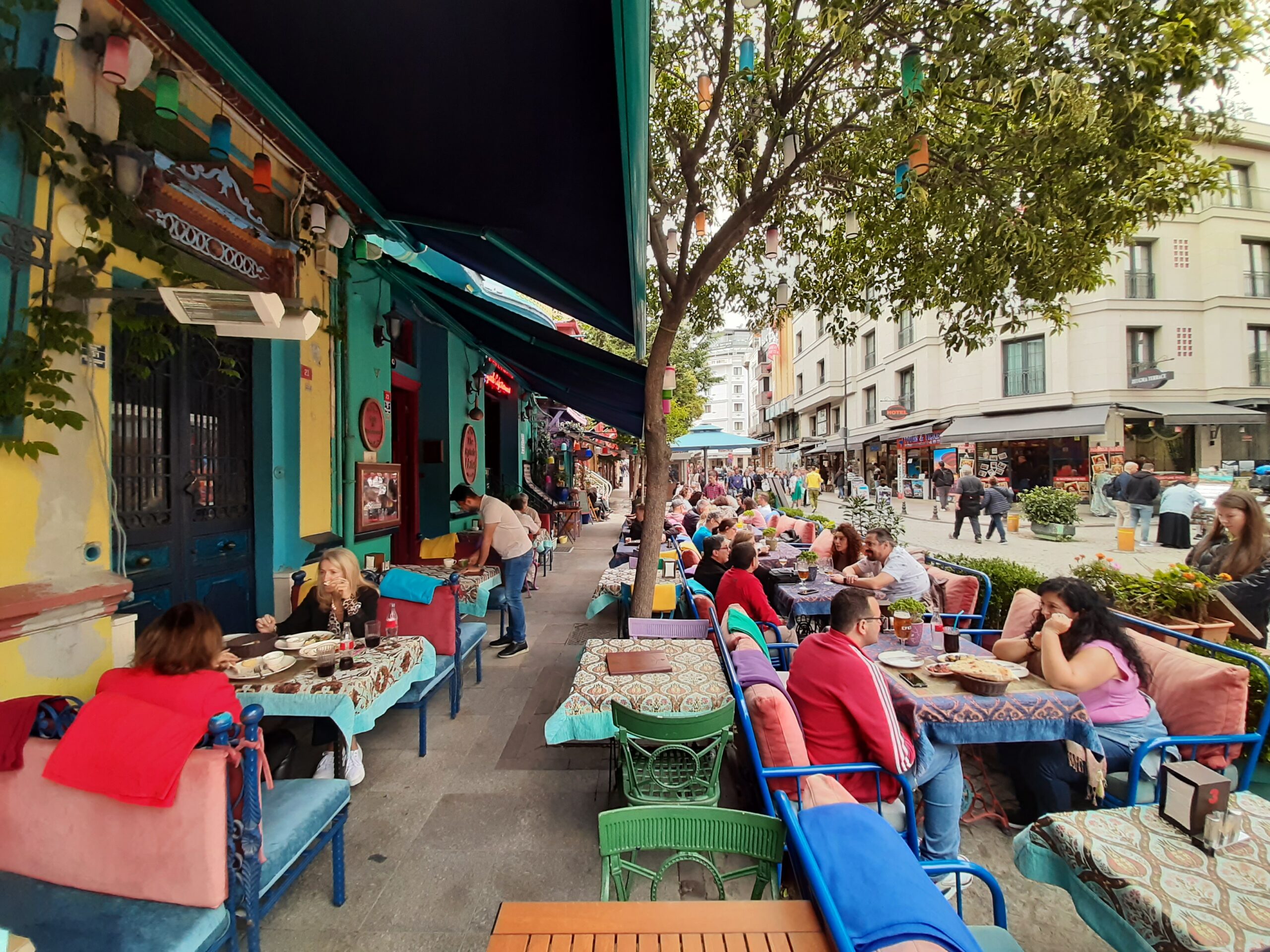
Istanbul also holds a truly special place in the hearts of cat lovers, as thousands of cats roam freely through the city’s alleyways and parks. Cats have become a symbol of Istanbul and are well looked after by its residents – something that gives the city a charming and friendly atmosphere where both two- and four-legged inhabitants feel right at home.
The Blue Mosque – beautiful and majestic
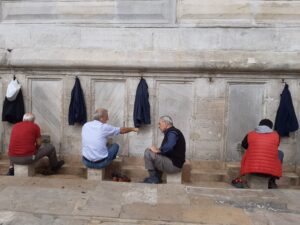
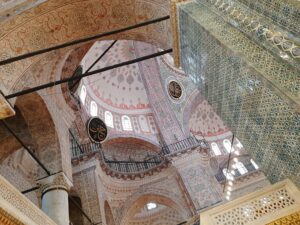
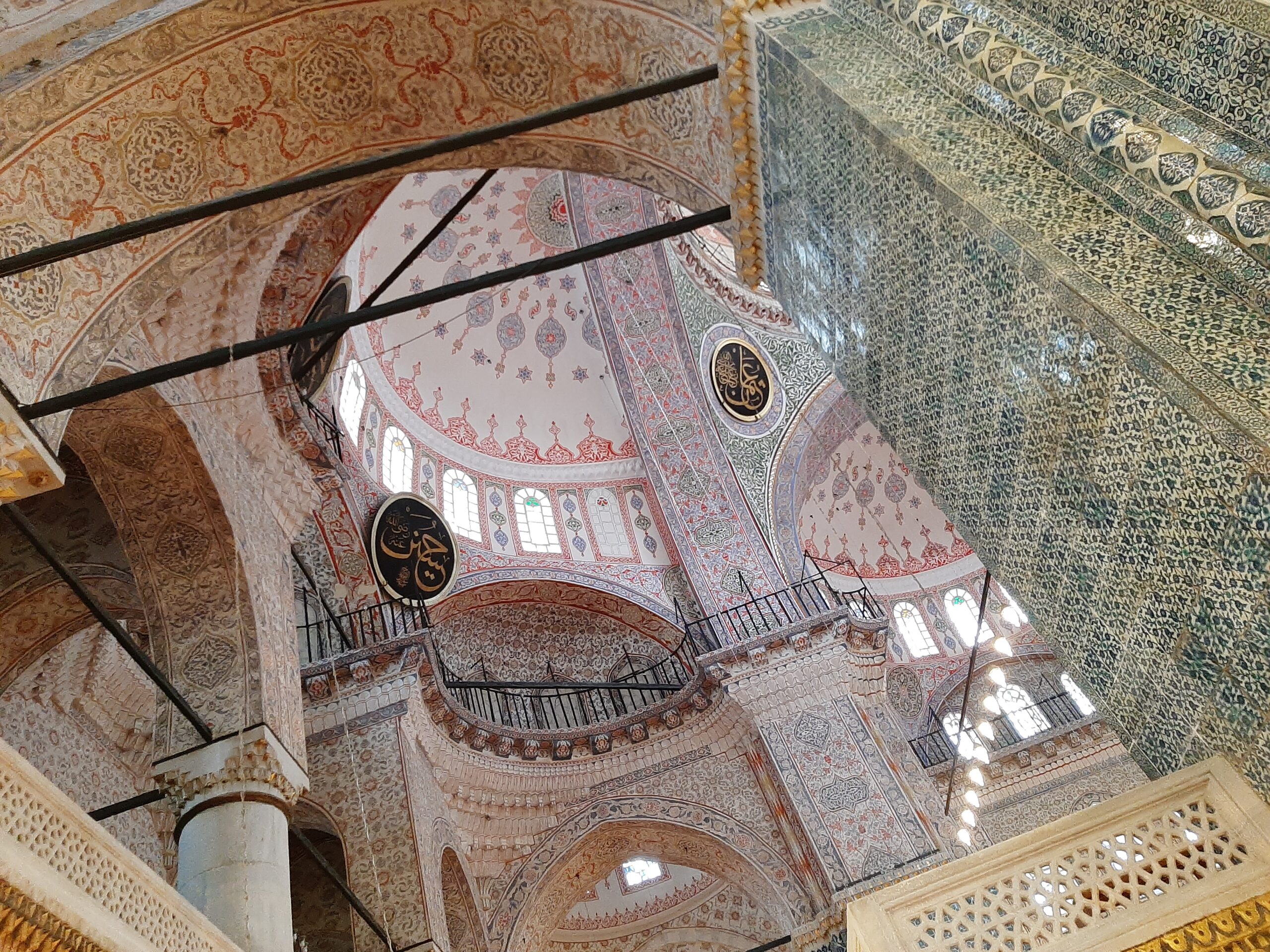
The Blue Mosque, or Sultan Ahmed Mosque as it is properly named, is one of Istanbul's most renowned landmarks and a prime example of Ottoman architecture.
The mosque was constructed in the early 1600s and is especially famous for its six slender minarets and the impressive blue tiles that adorn the interior. Visitors can admire stunning mosaics, grand domes and a tranquil atmosphere right in the heart of the city.
Walking around the mosque’s grounds, you truly feel the presence of history and the beauty of Turkish craftsmanship.
The Hagia Sophia–Mosque – where East meets West
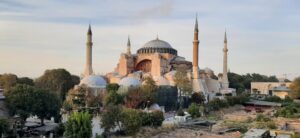
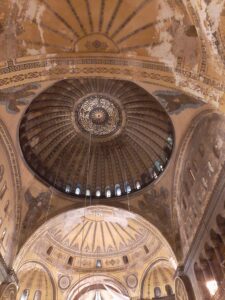
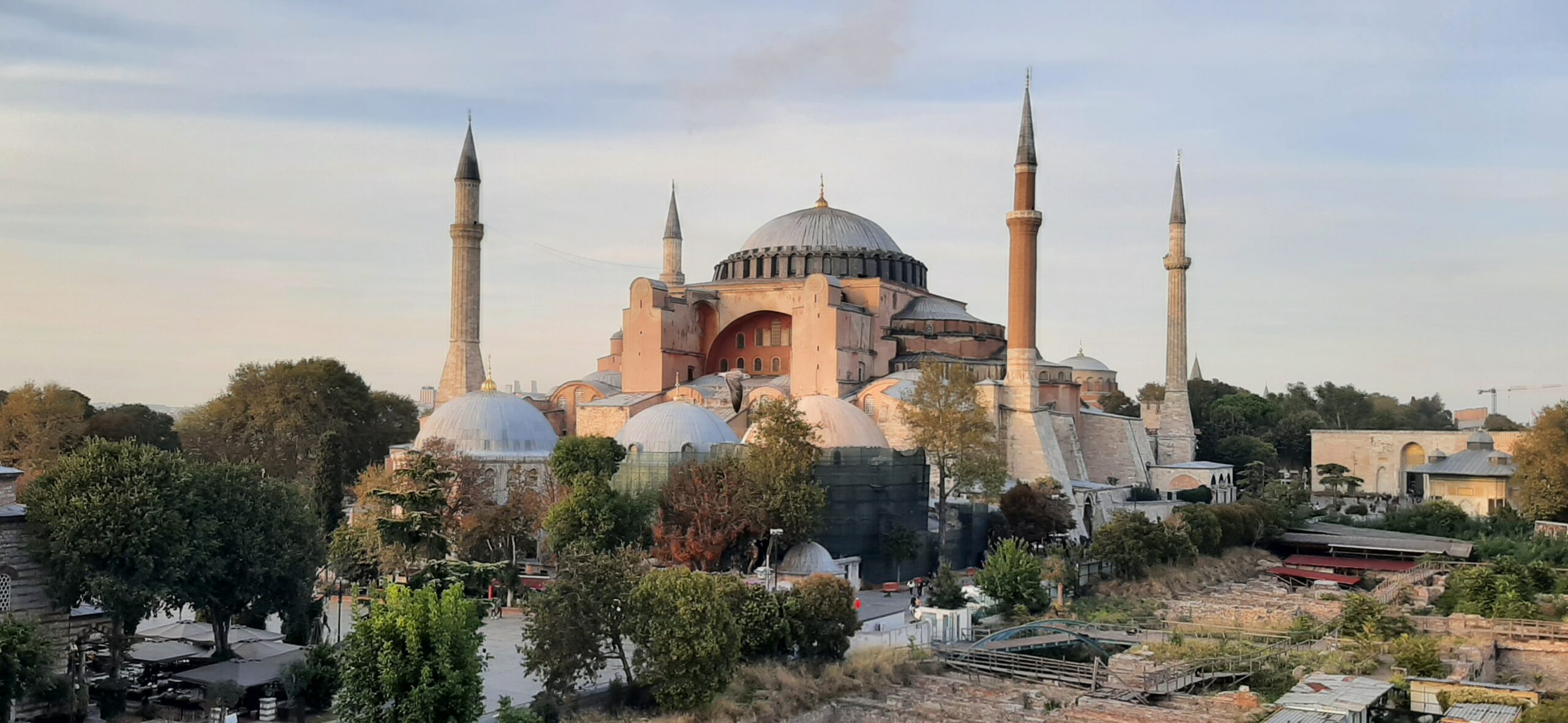
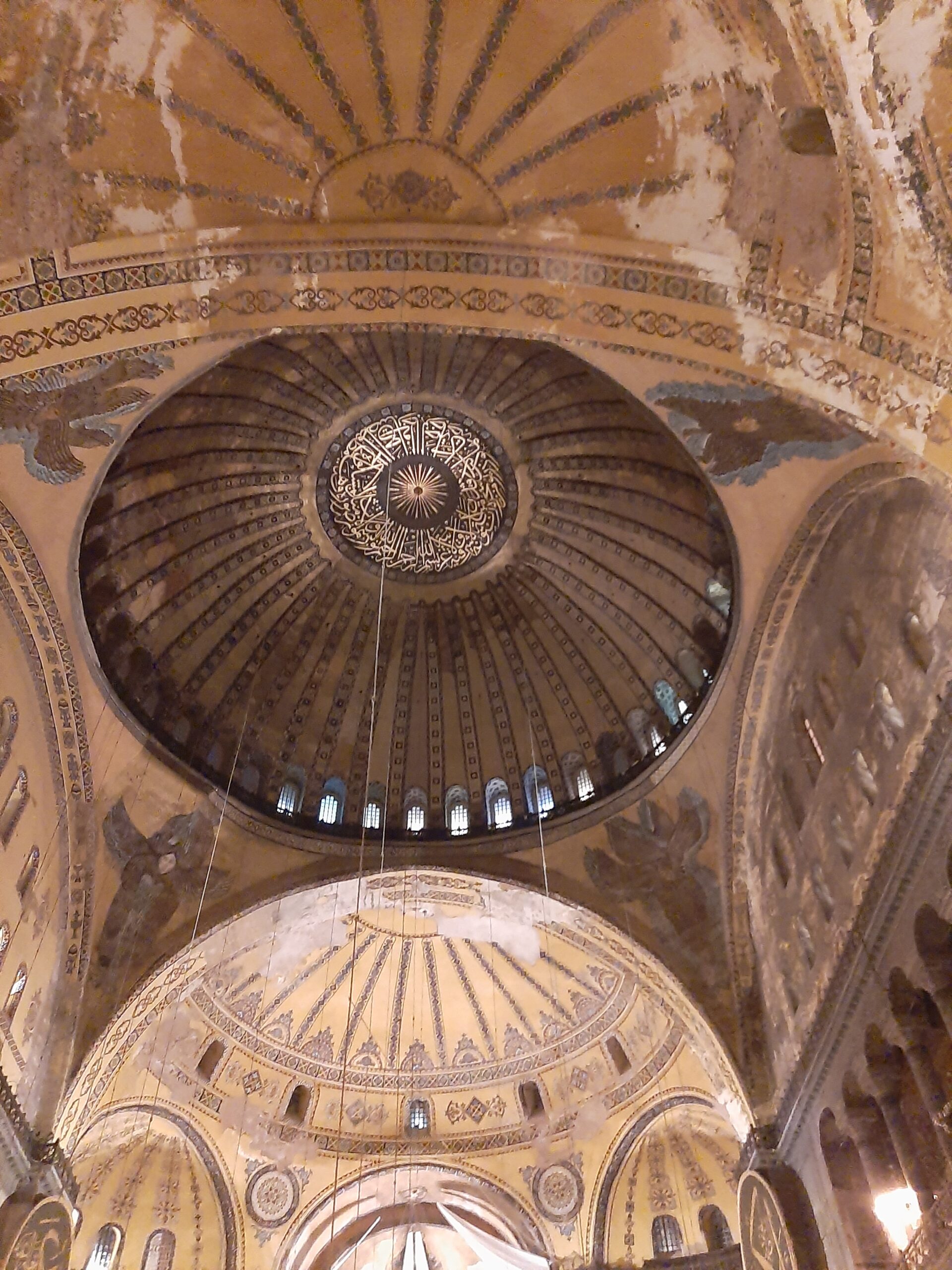
Hagia Sophia is one of Istanbul's most iconic buildings and a symbol of the city's diverse history. Originally built as a church in the 6th century during the Byzantine Empire, Hagia Sophia has since served as both a mosque and a museum, before becoming a mosque again in recent years.
The building impresses with its enormous dome, magnificent mosaics and architectural details that reflect both Christian and Islamic influences. When you visit Hagia Sophia, you step into a space where world history has left its mark, and where East meets West in a truly unique way.
The Çamlica Mosque–designed by female architects
The Çamlica Mosque is Istanbul’s newest and largest mosque, majestically situated atop Çamlıca Hill with views over the Bosphorus Strait. Completed in 2019, it combines traditional Ottoman architecture with modern elements, giving it an impressive and inviting character.
The mosque can accommodate over 60,000 worshippers and is a popular destination for both locals and visitors wishing to experience the city’s religious and cultural diversity.
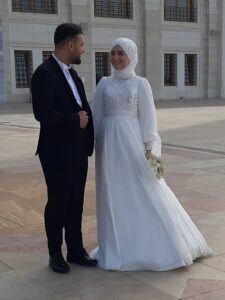
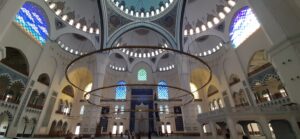
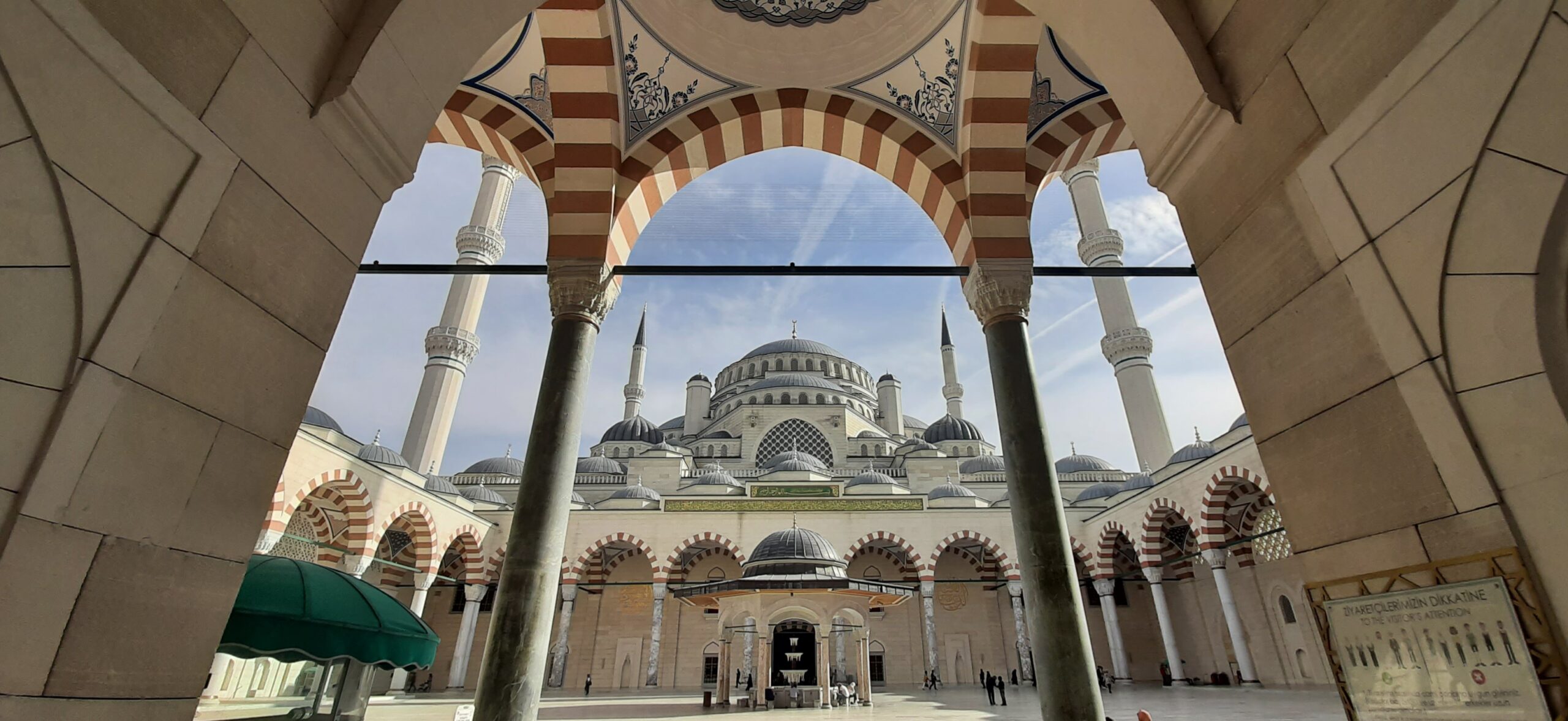
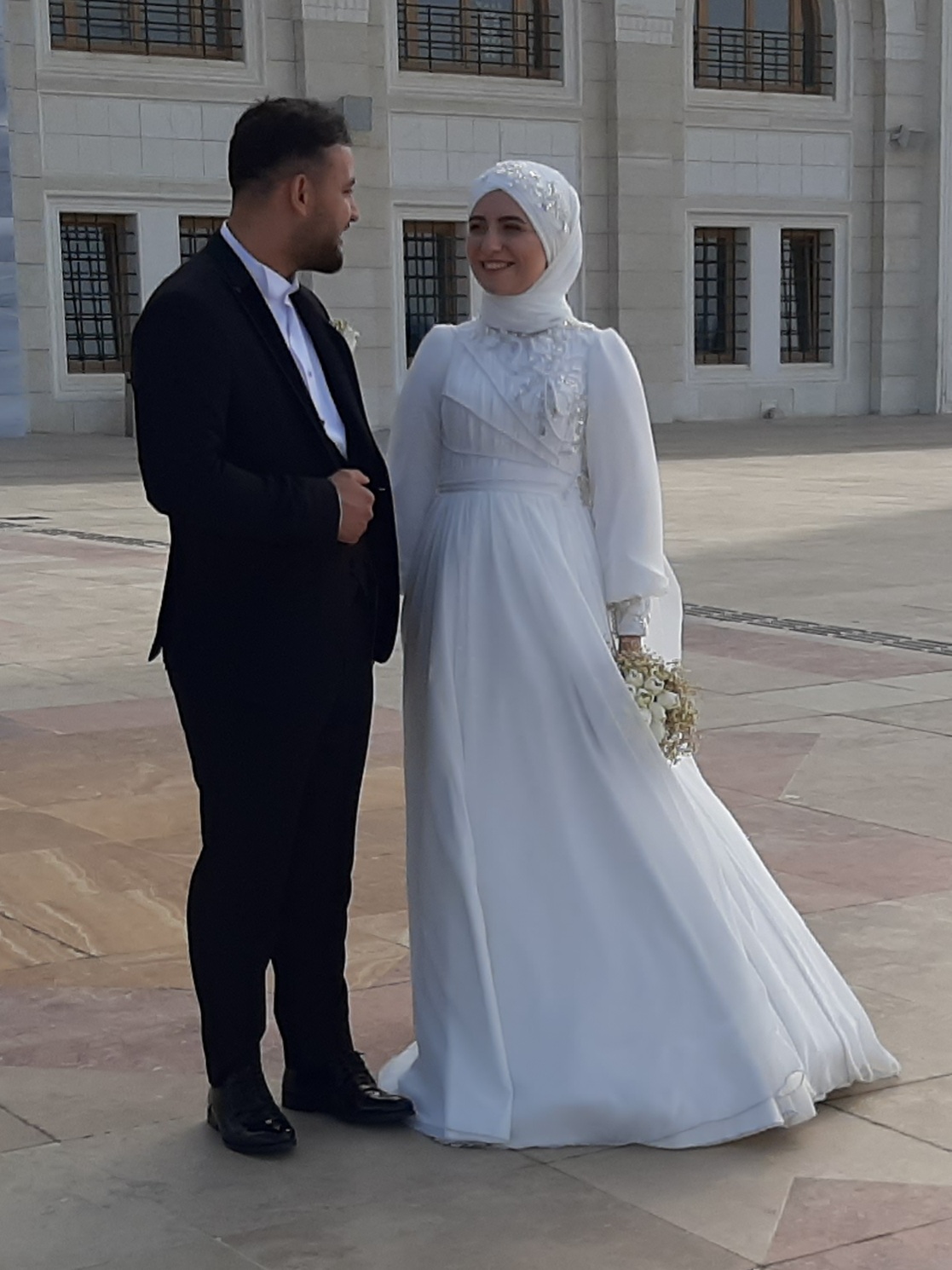
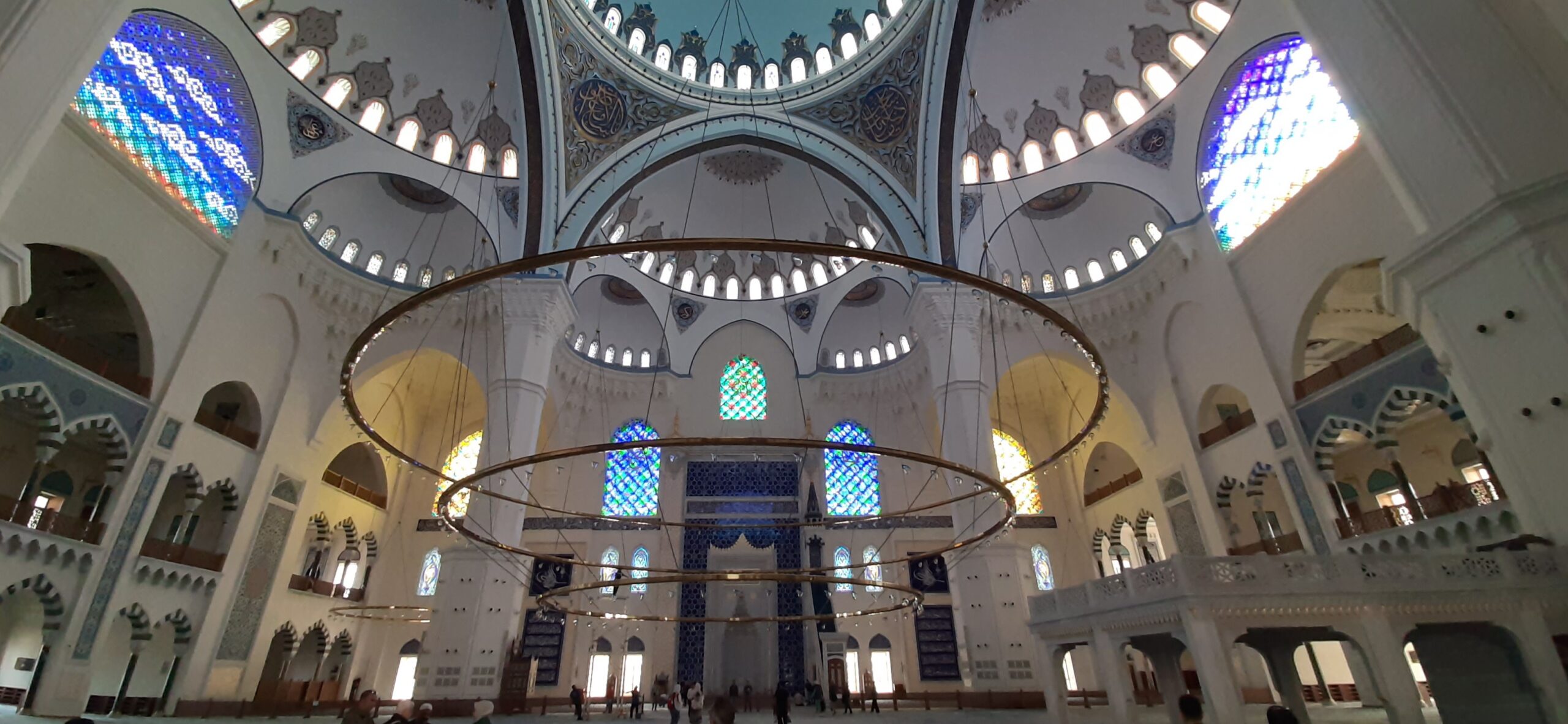
The Çamlica Mosque was designed by architects Bahar Mızrak and Hayriye Gül Totu, both of whom are among Turkey’s prominent female architects. Their vision was to create a building that both honours the Ottoman architectural tradition and has a contemporary expression.
Mızrak and Totu have placed emphasis on combining classic features such as domes and minarets with functional solutions and an inclusive environment, ensuring the mosque stands as an open and welcoming gathering place for both worshippers and visitors.
Their work has attracted much attention, not least because, as female architects, they have left their mark on one of Istanbul’s most significant new landmarks.
Taksim Square – the Vibrant Heart of Istanbul
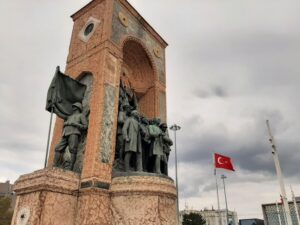
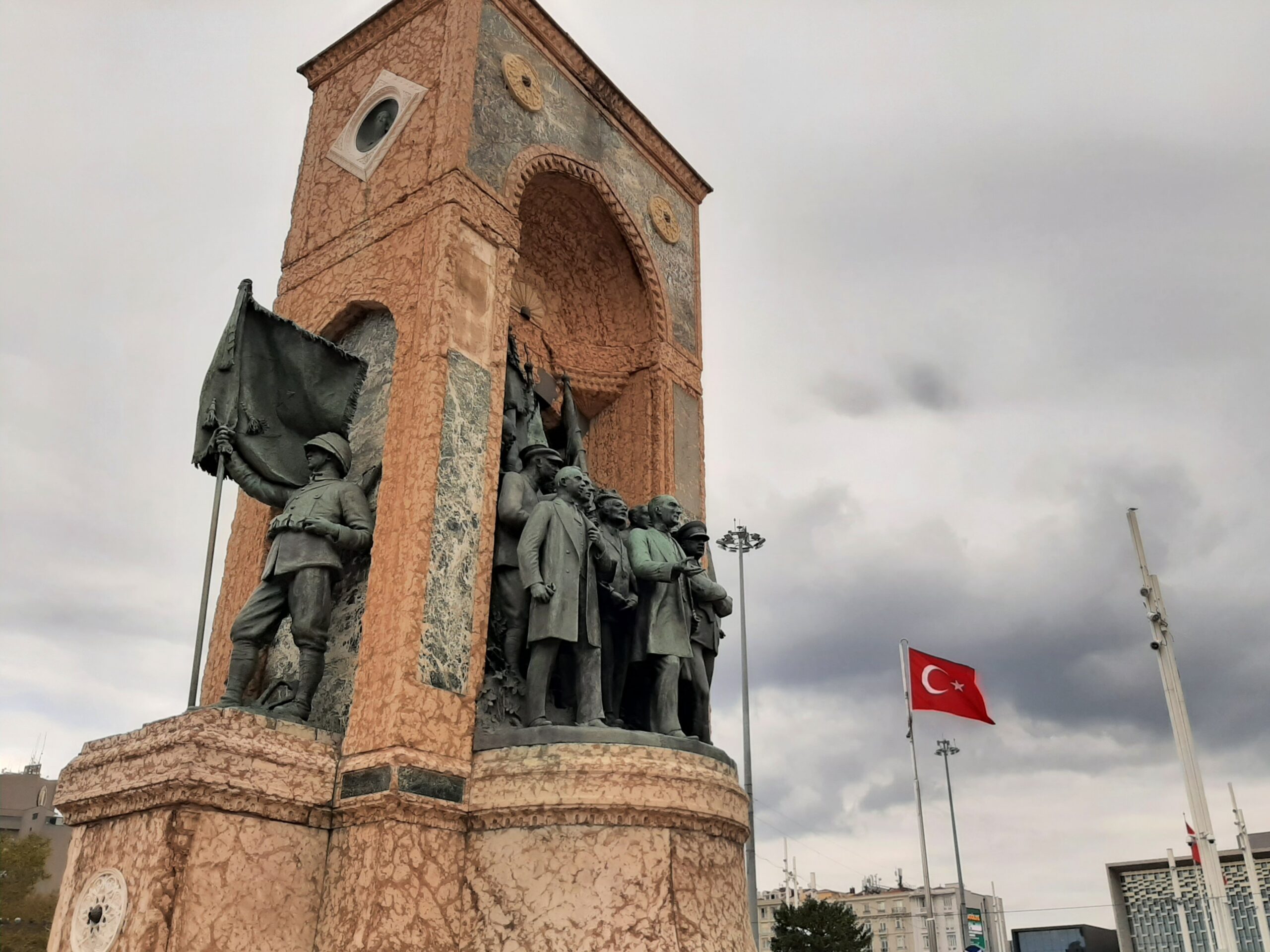
Taksim Square is the heart of modern Istanbul and an important meeting point for both locals and visitors. The square is known for its bustling street life, cultural events and as the starting point for the busy shopping street Istiklal Caddesi.
People from all walks of life come together here, and in the square’s park you can take a well-earned break from the city’s hectic pace. Taksim also plays a central role in Turkey’s recent history, and the area is characterised by a variety of cafés, hotels and exciting nightlife.
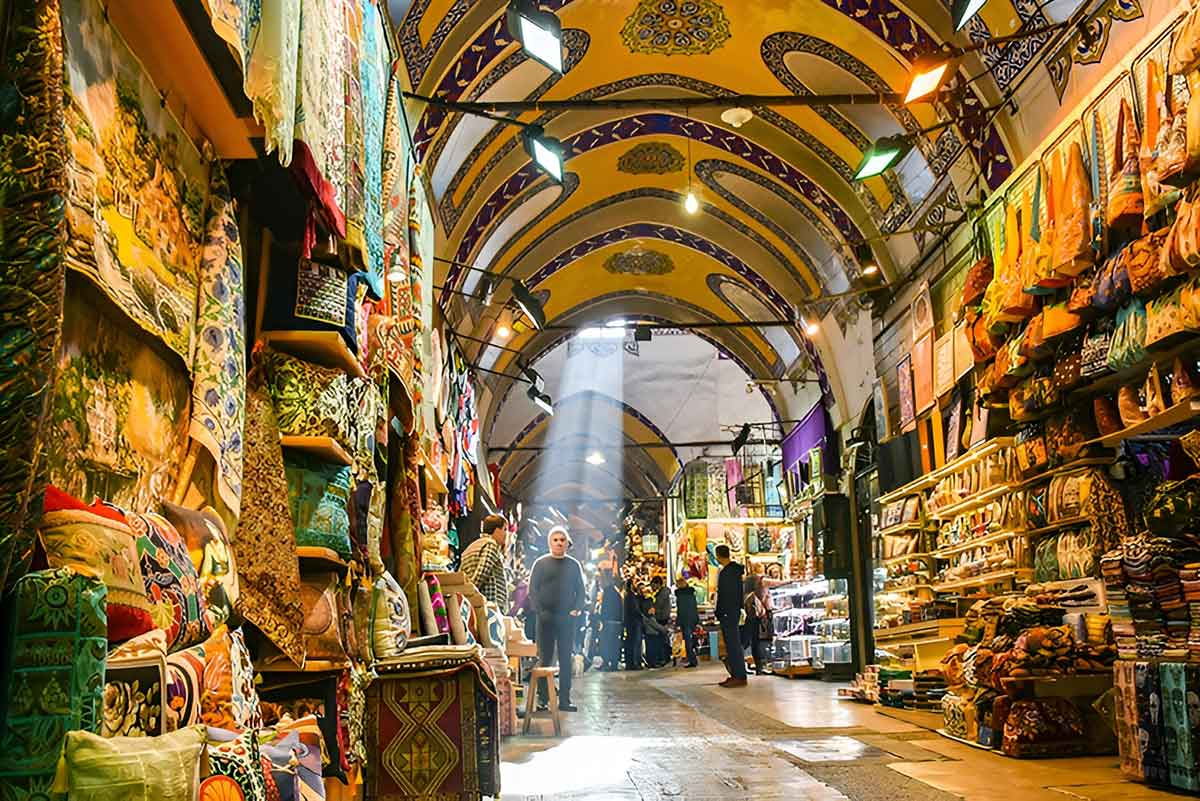
The Grand Bazaar – an Oriental adventure
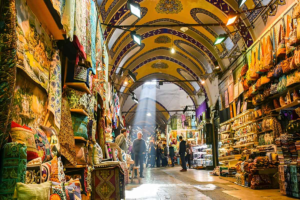
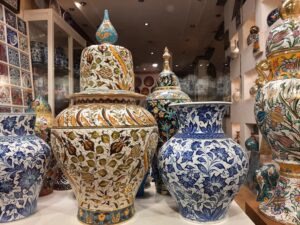
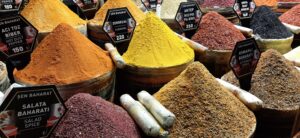
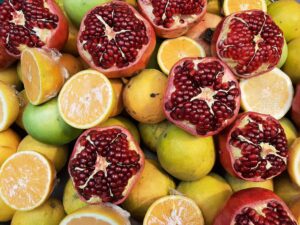
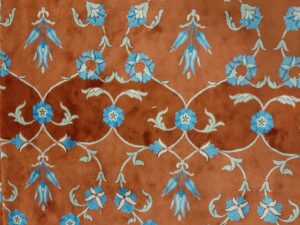
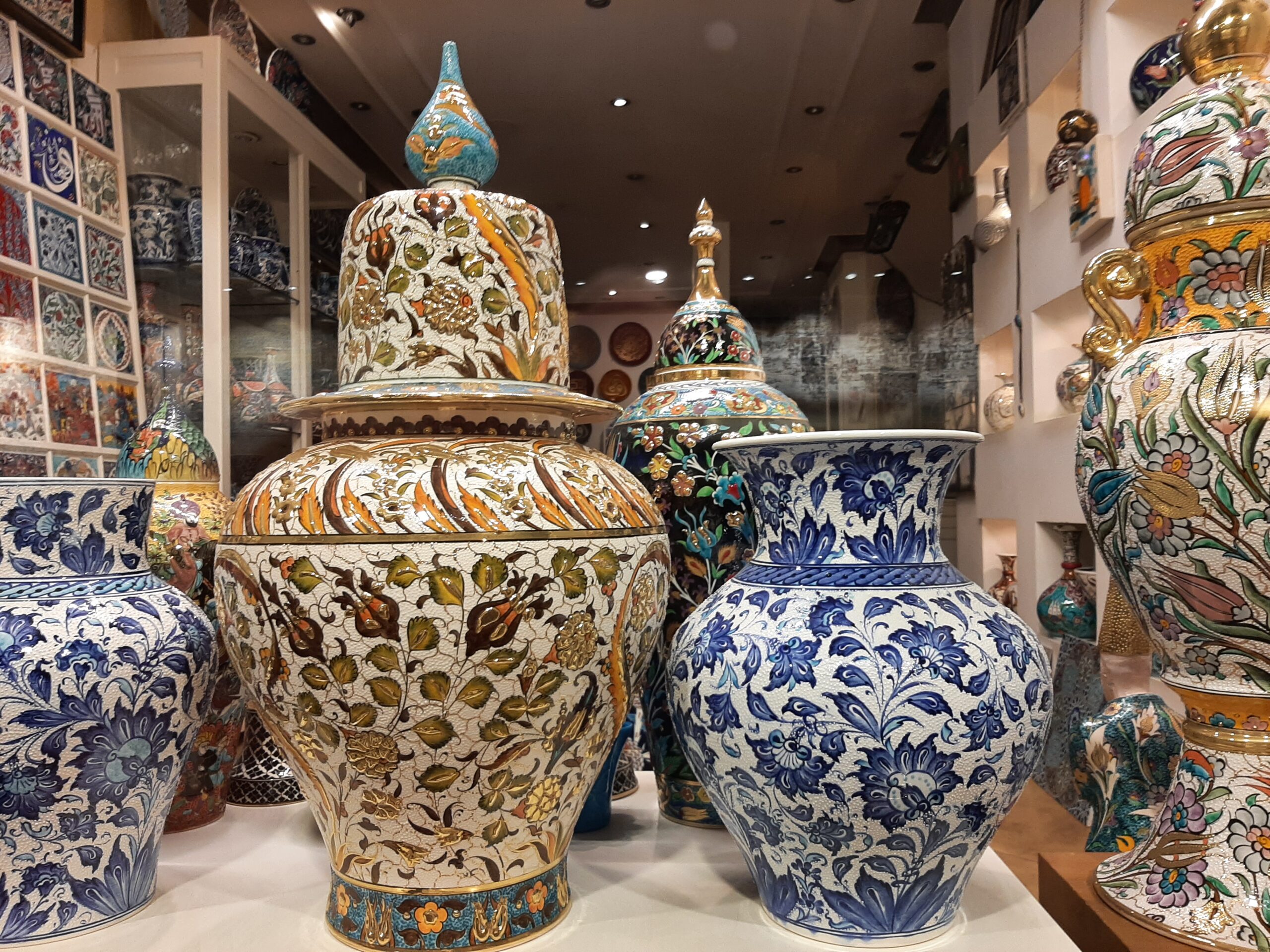
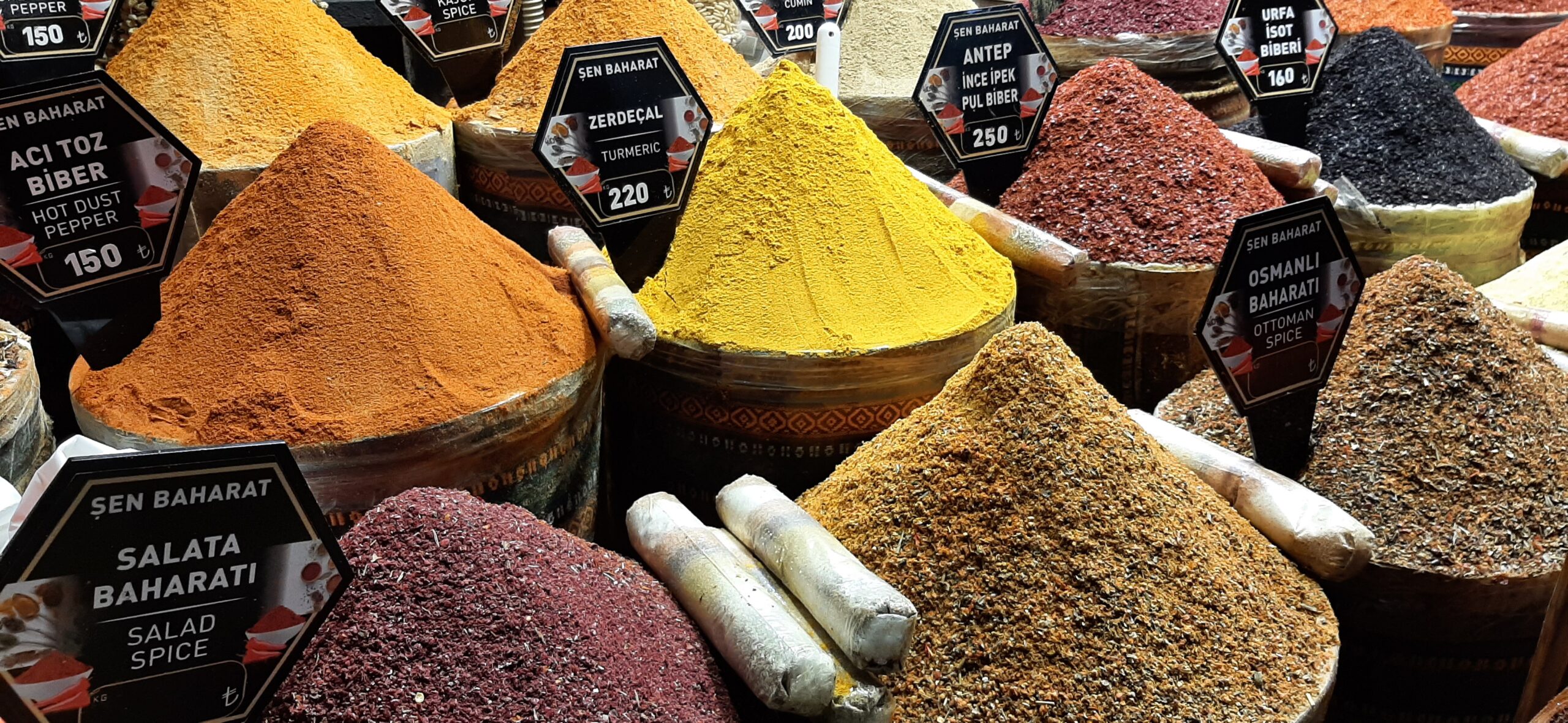
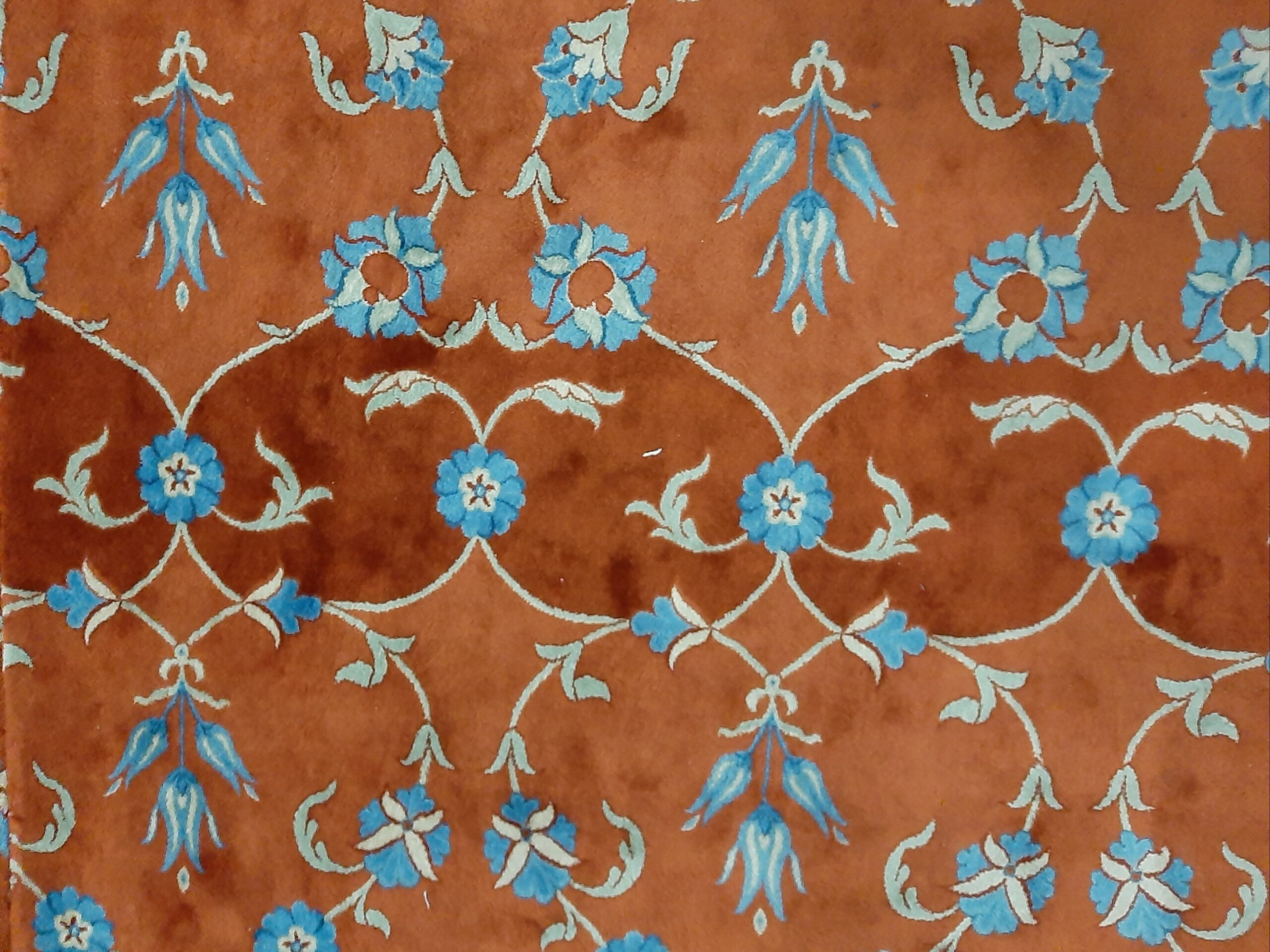
The Grand Bazaar, or Kapalıçarşı in Turkish, is one of the world’s oldest and largest covered markets, and a place that truly sparks the imagination. Established in the 15th century, the market consists of a maze of narrow streets, stalls and shops where you can find everything from goldsmiths’ work and handmade carpets to spices, textiles and traditional ceramics.
Wandering through the bazaar’s labyrinthine corridors is like stepping back in time, where you’re greeted by lively chatter, the scent of exotic goods and the distinctive atmosphere found only here.
The Grand Bazaar is not just a place for commerce, but also a cultural meeting point where generations of merchants and visitors have exchanged stories and traditions over the centuries.
Kadiköy – hip and lively
Kadiköy is located on the Asian side of Istanbul and in recent years has become known as one of the city’s trendiest and most vibrant districts. Here, a lively nightlife is combined with charming streets, colourful markets and a relaxed vibe.
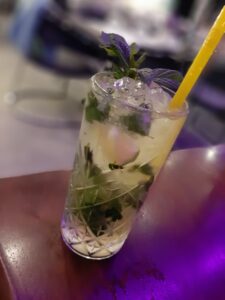
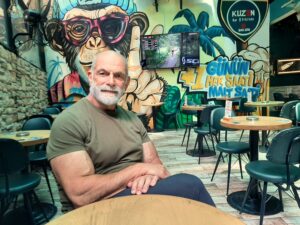
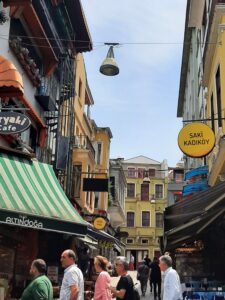
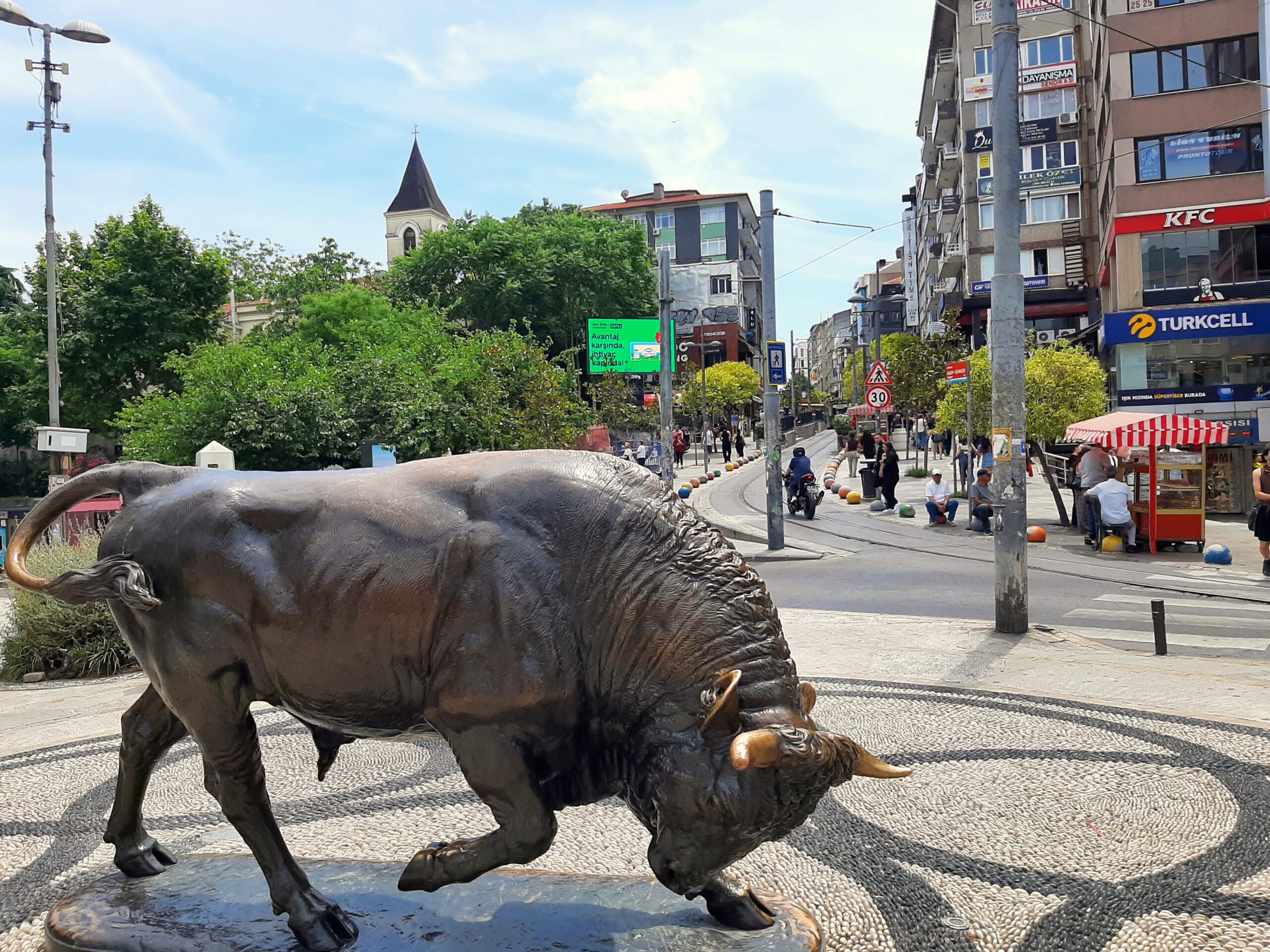
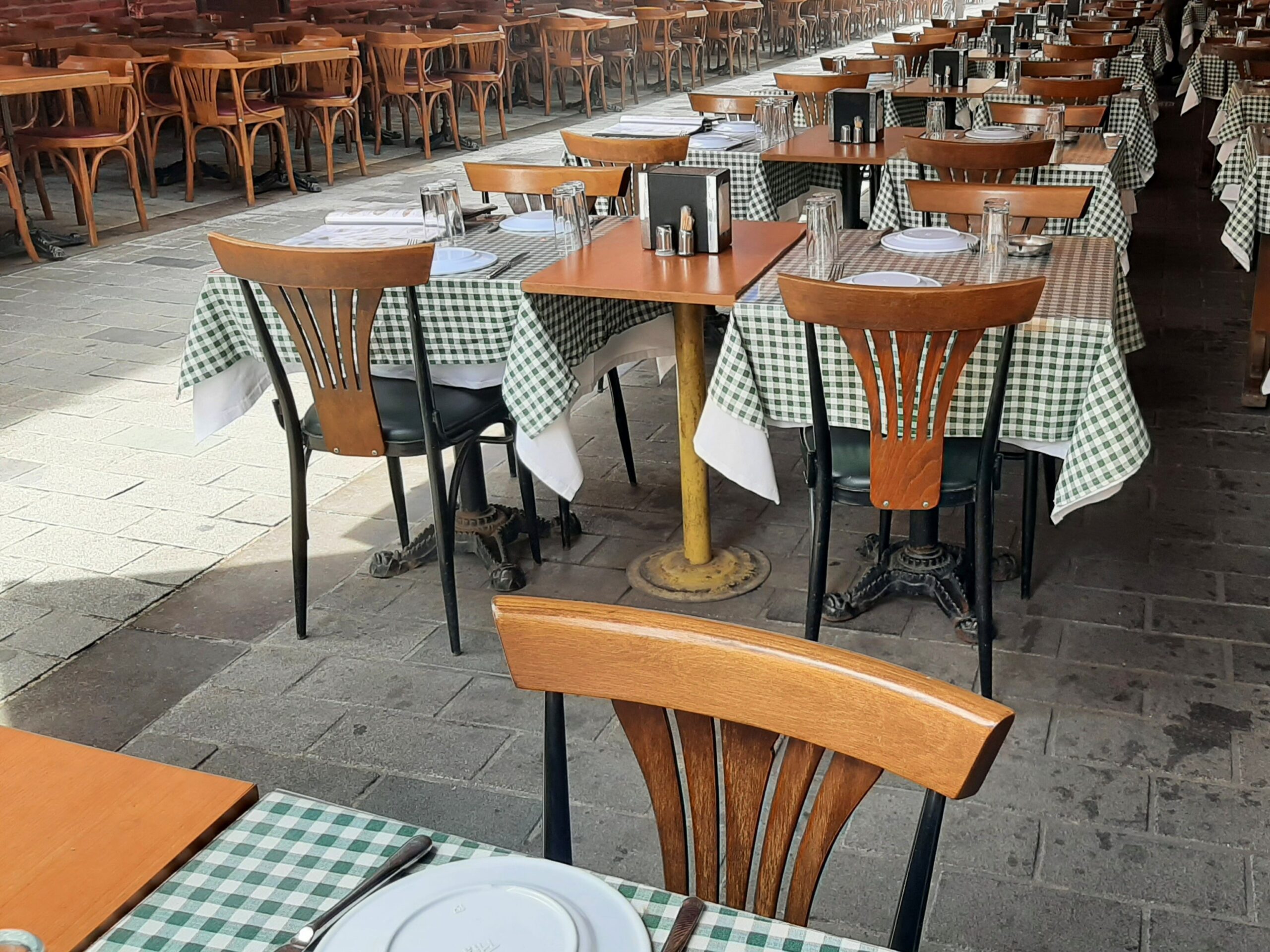
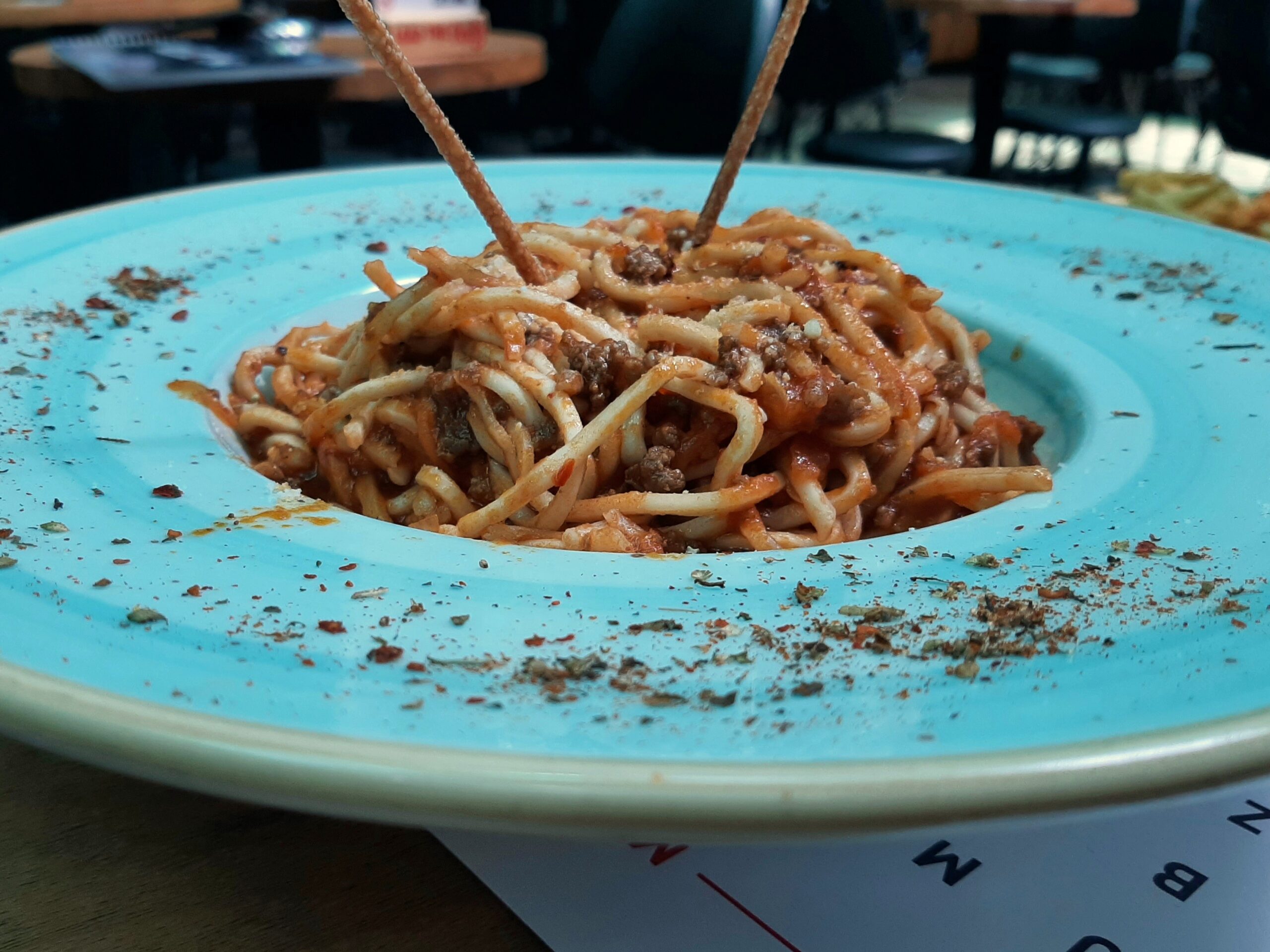
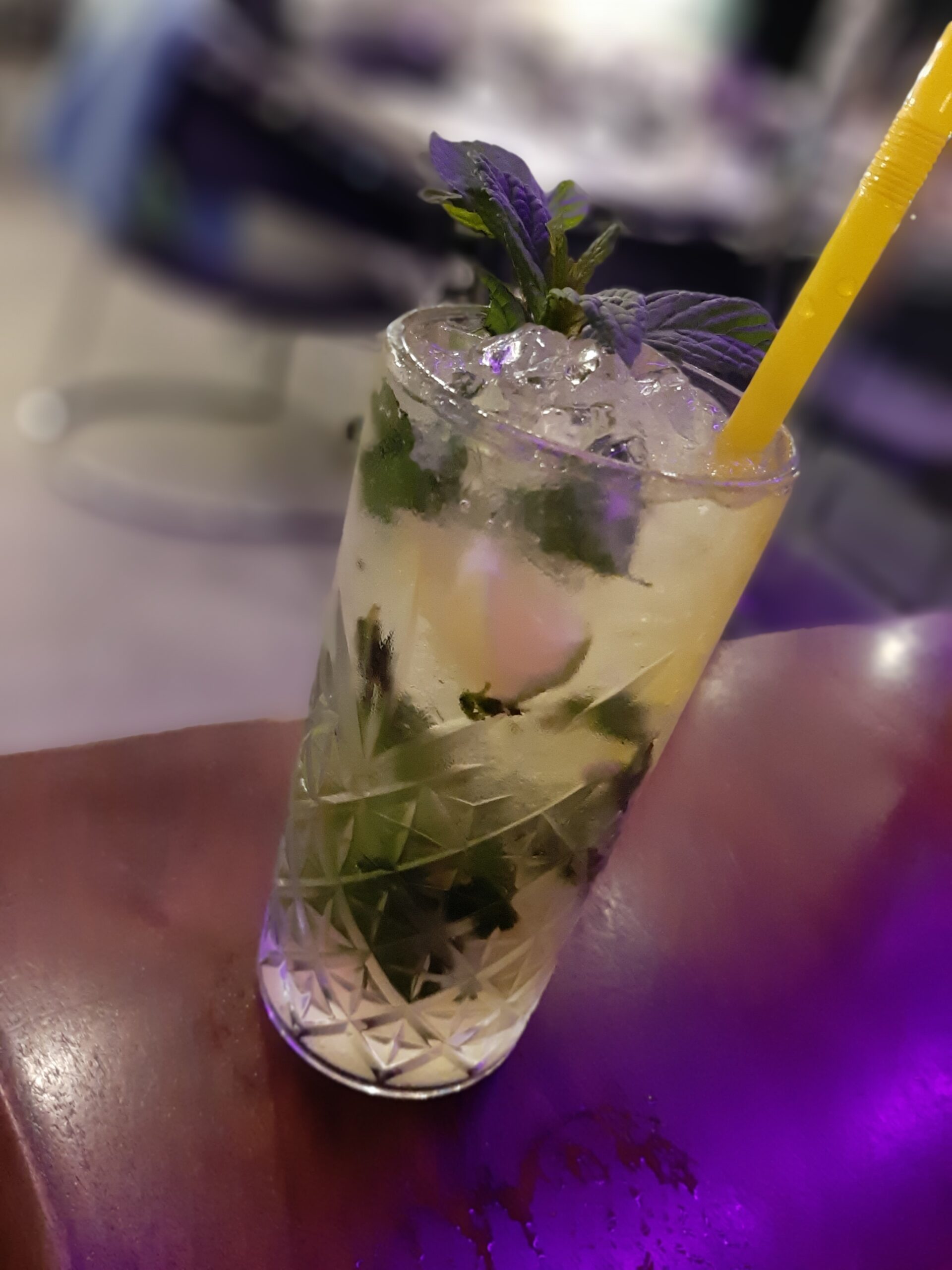
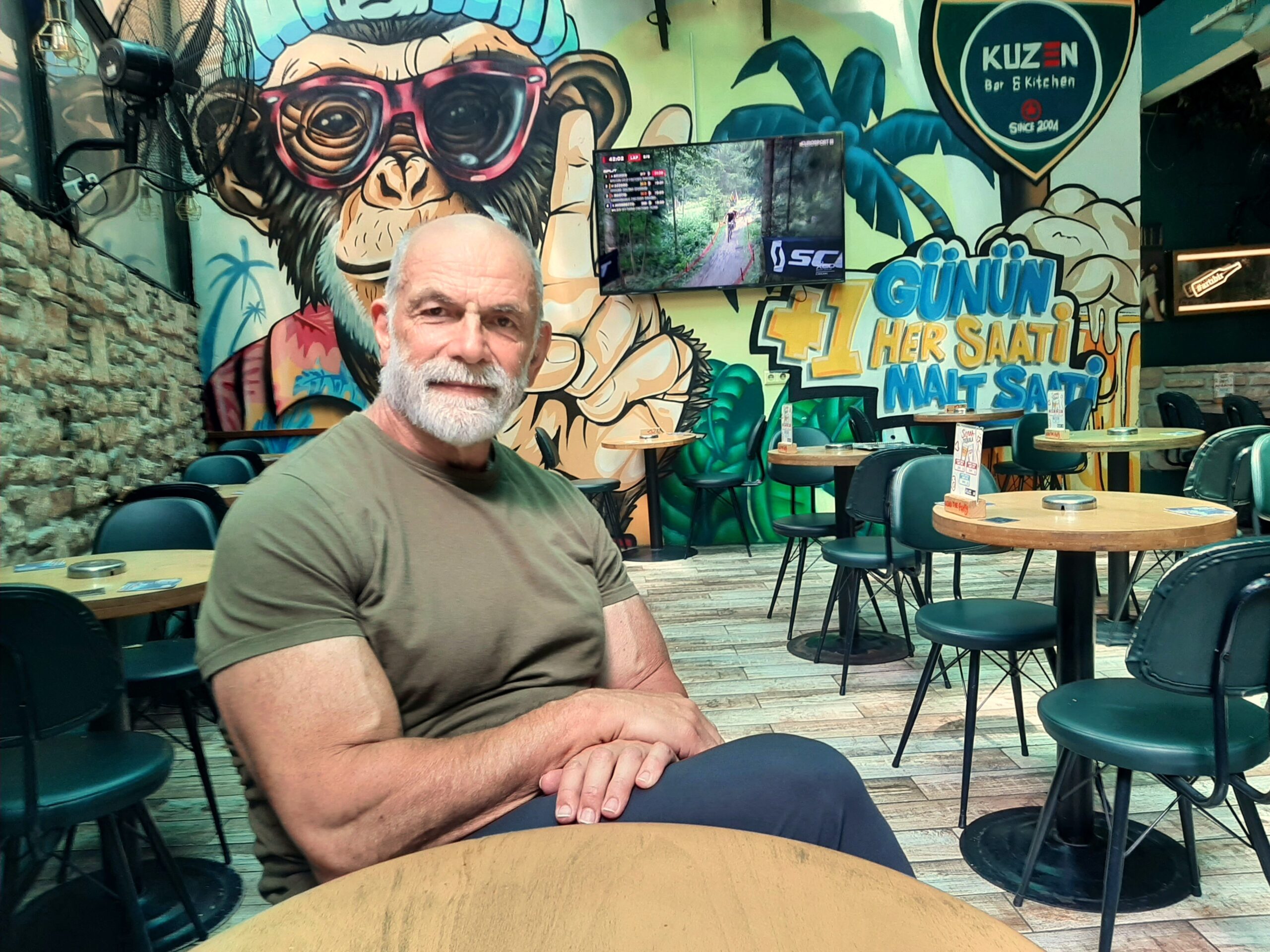
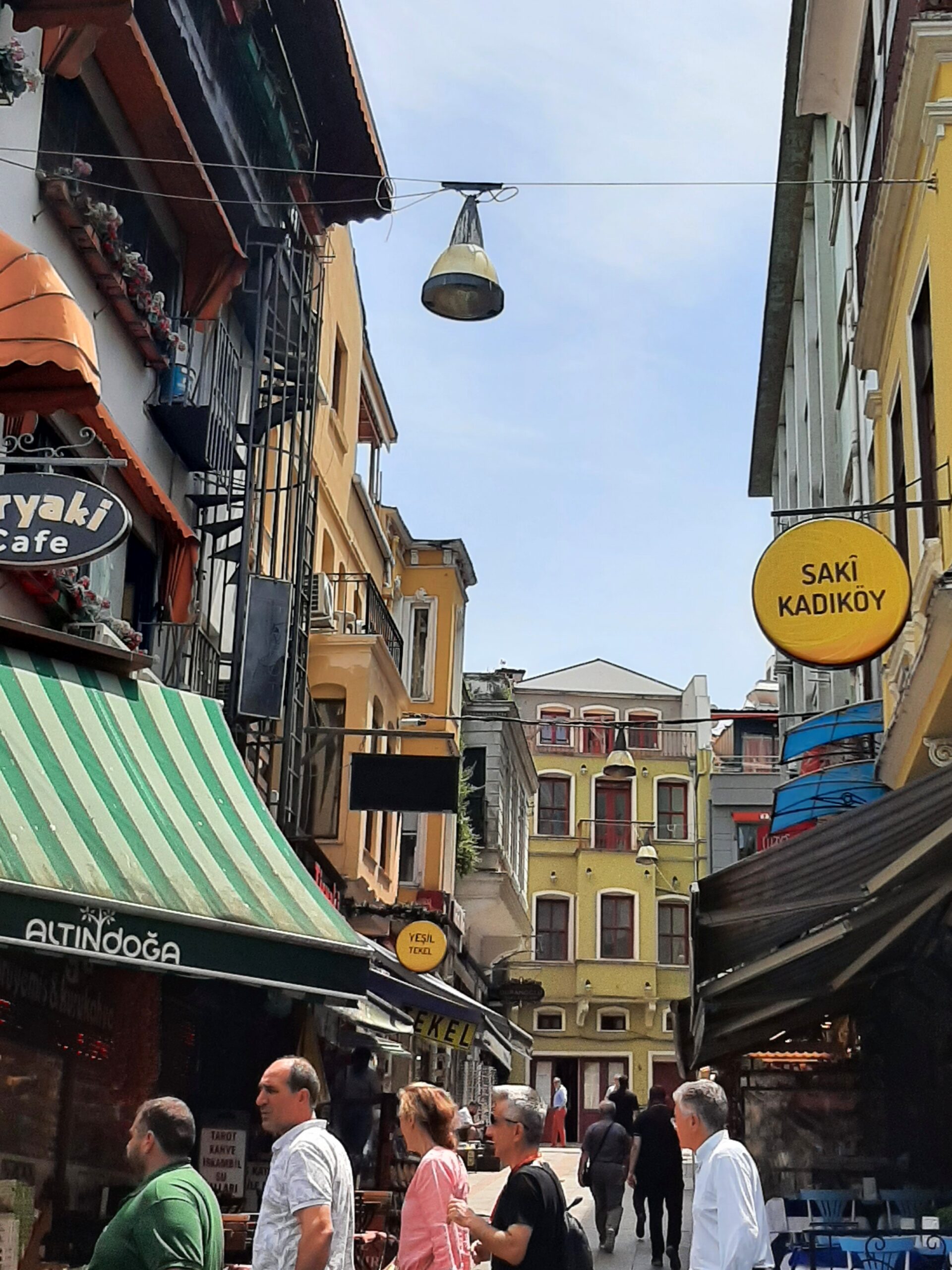
Kadiköy offers a wide range of cafés, restaurants and small shops, and is a popular gathering place for young people, artists and anyone wishing to experience a more bohemian side of Istanbul.
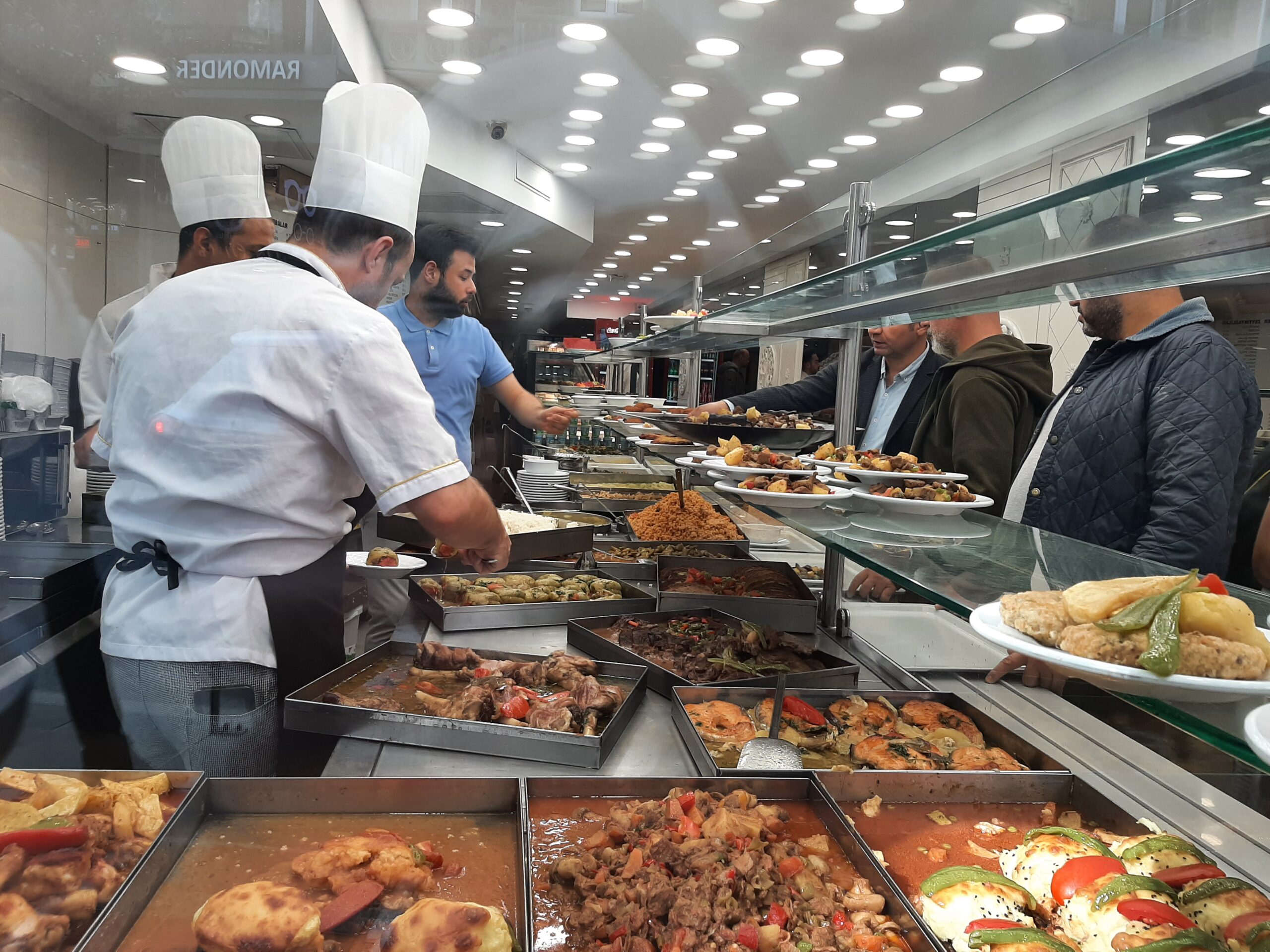
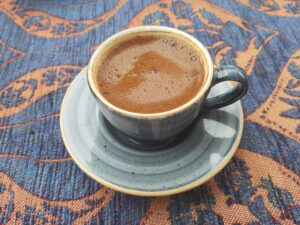
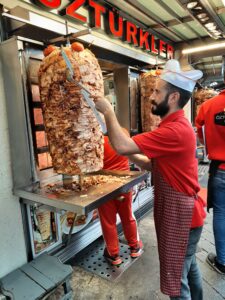
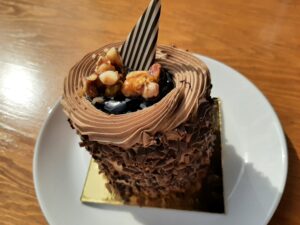
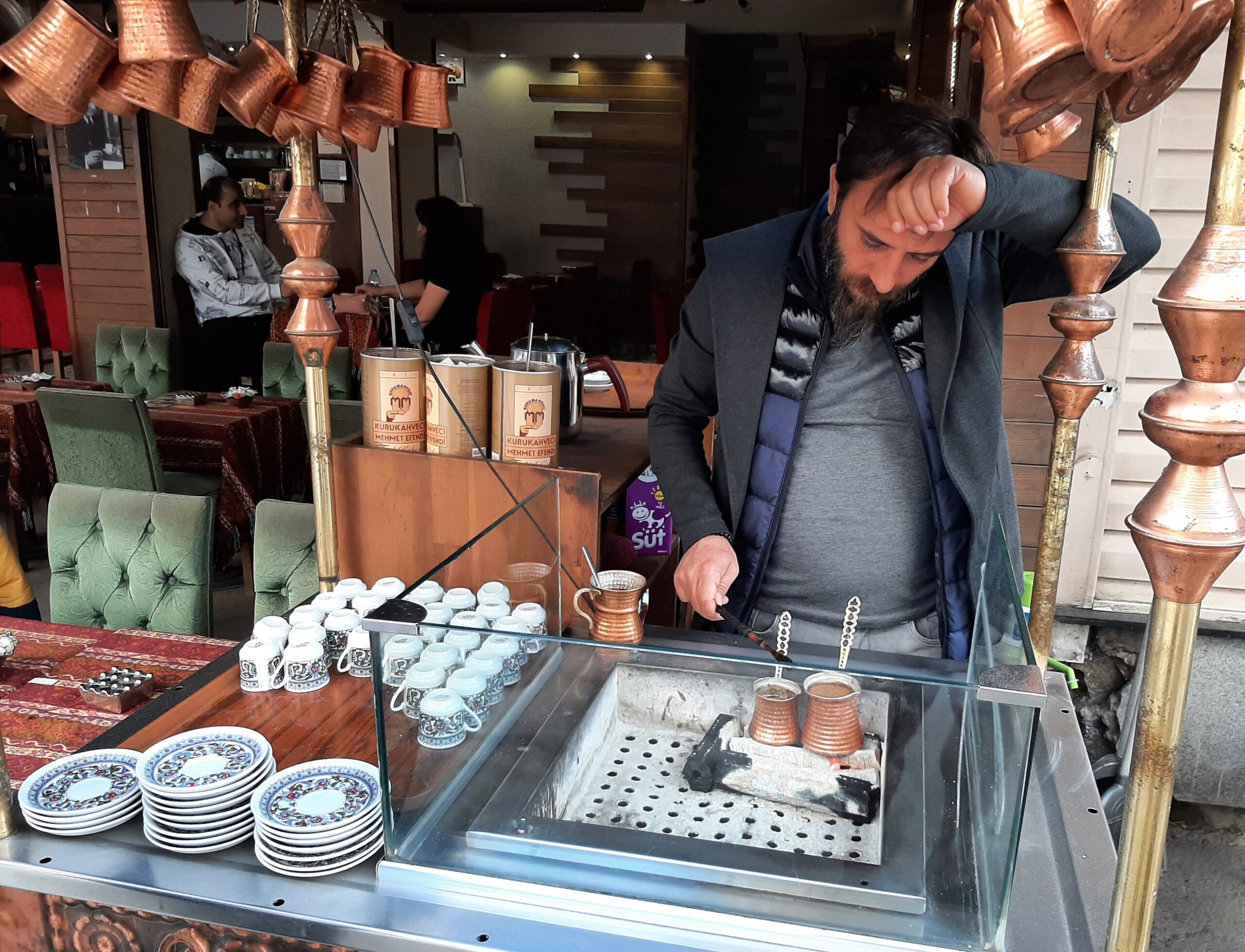
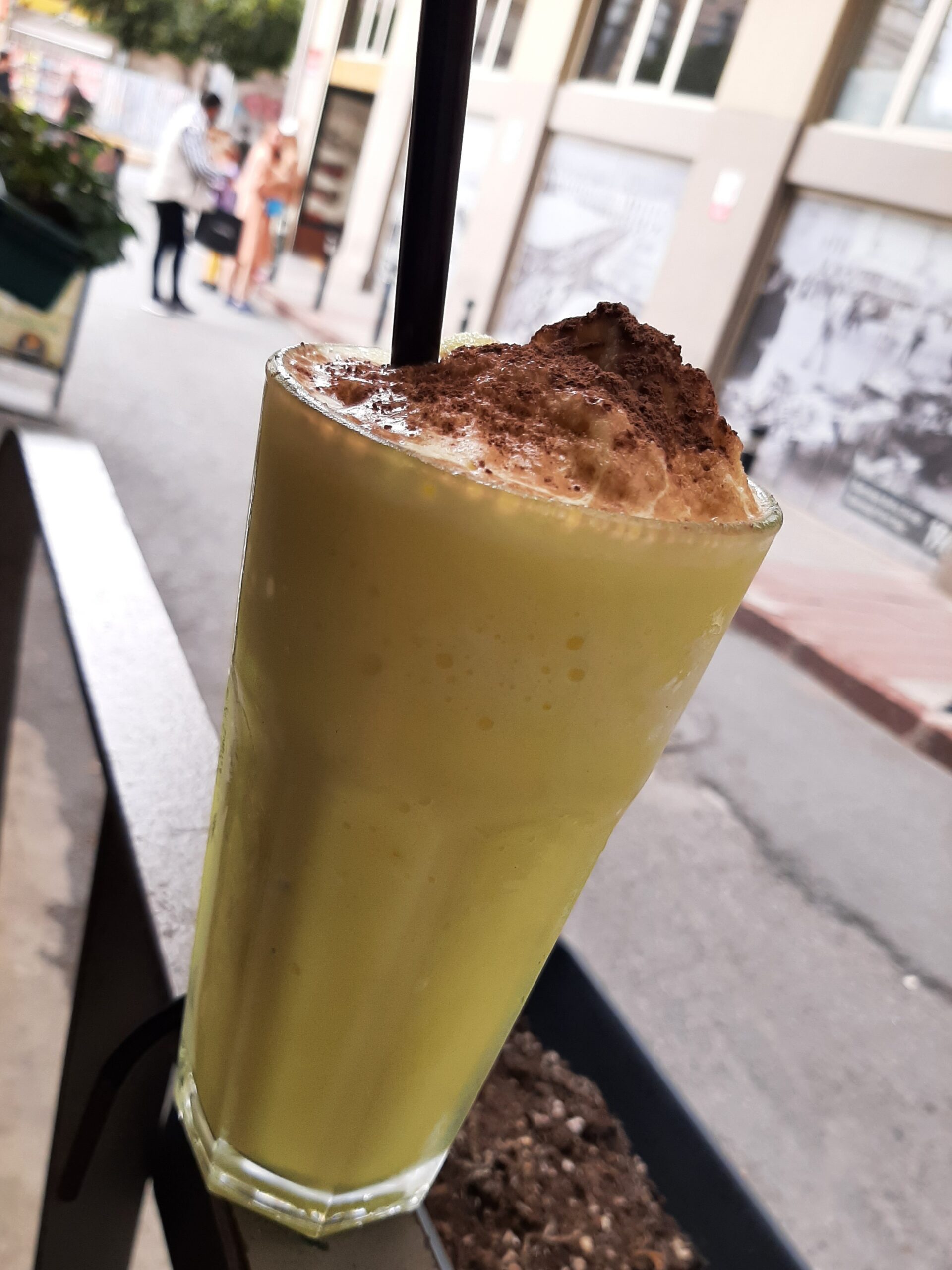
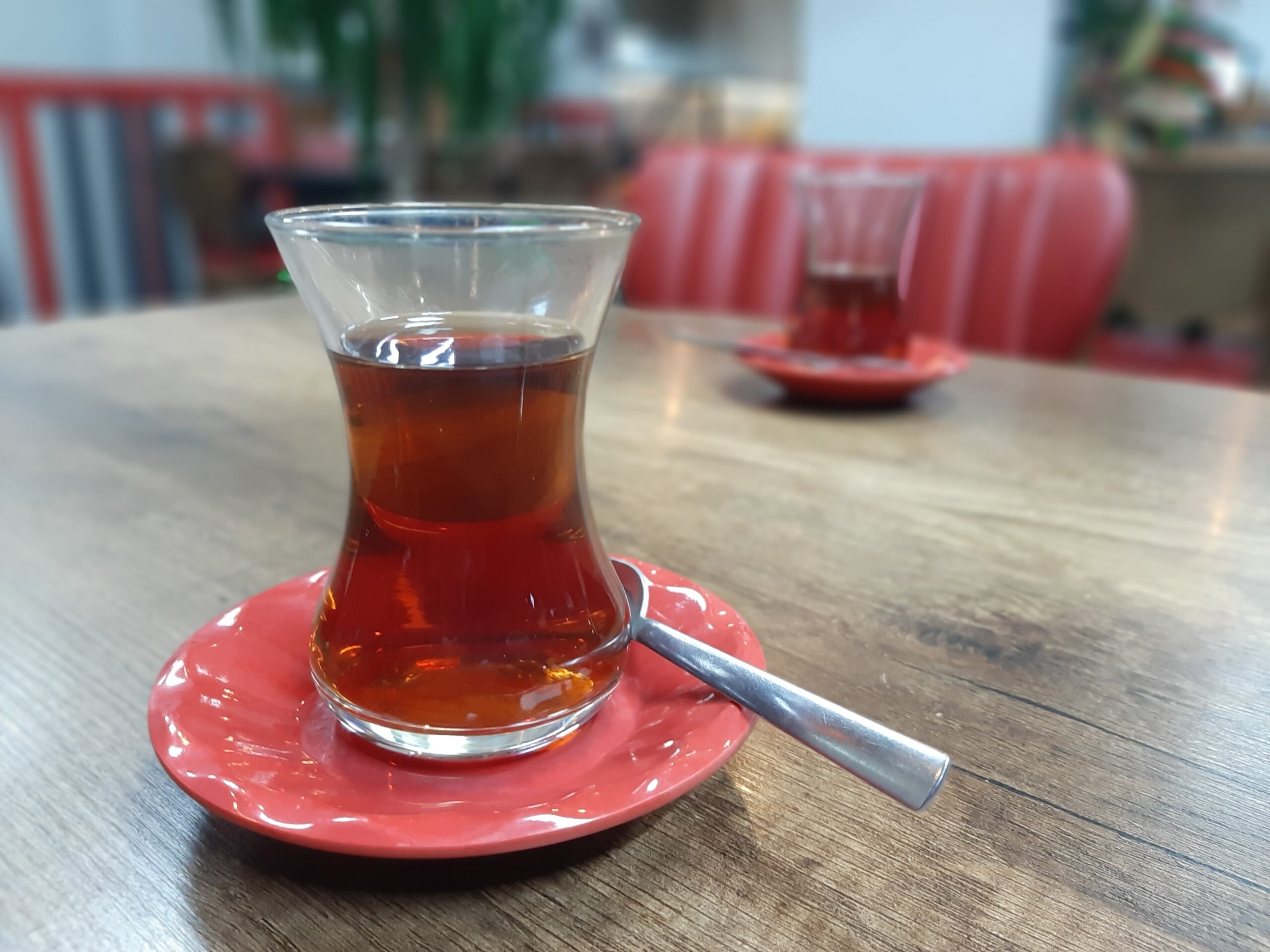
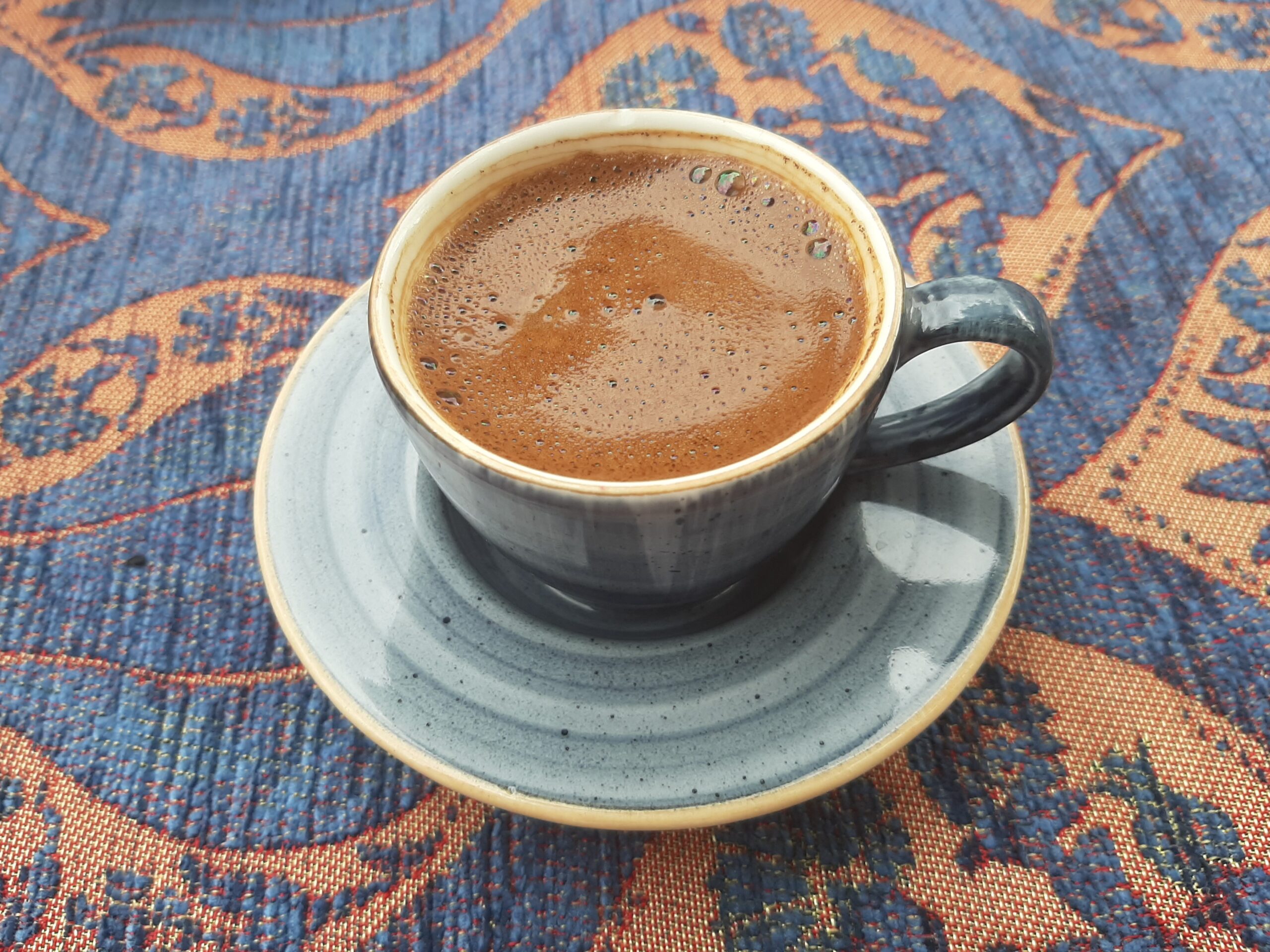
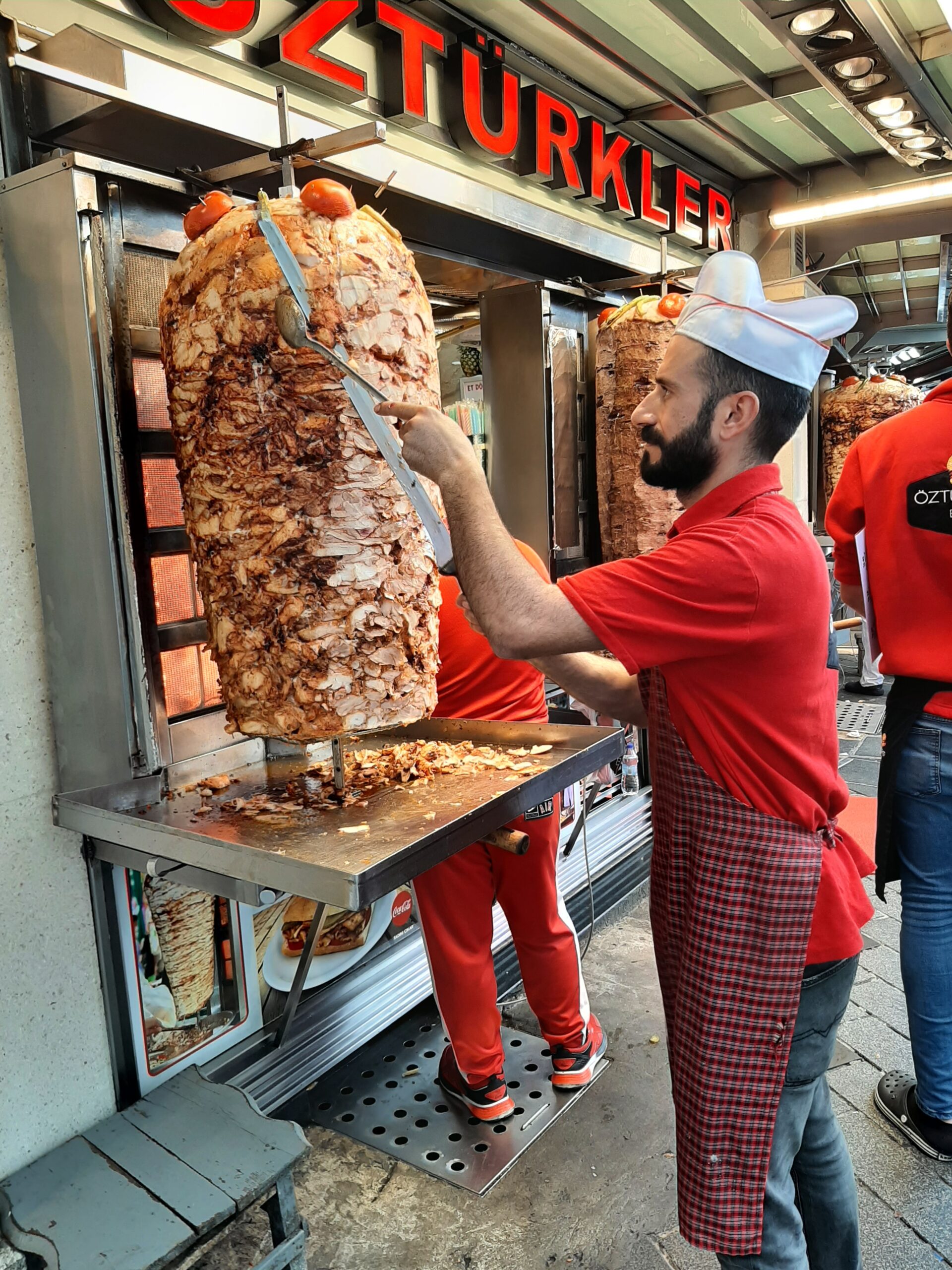
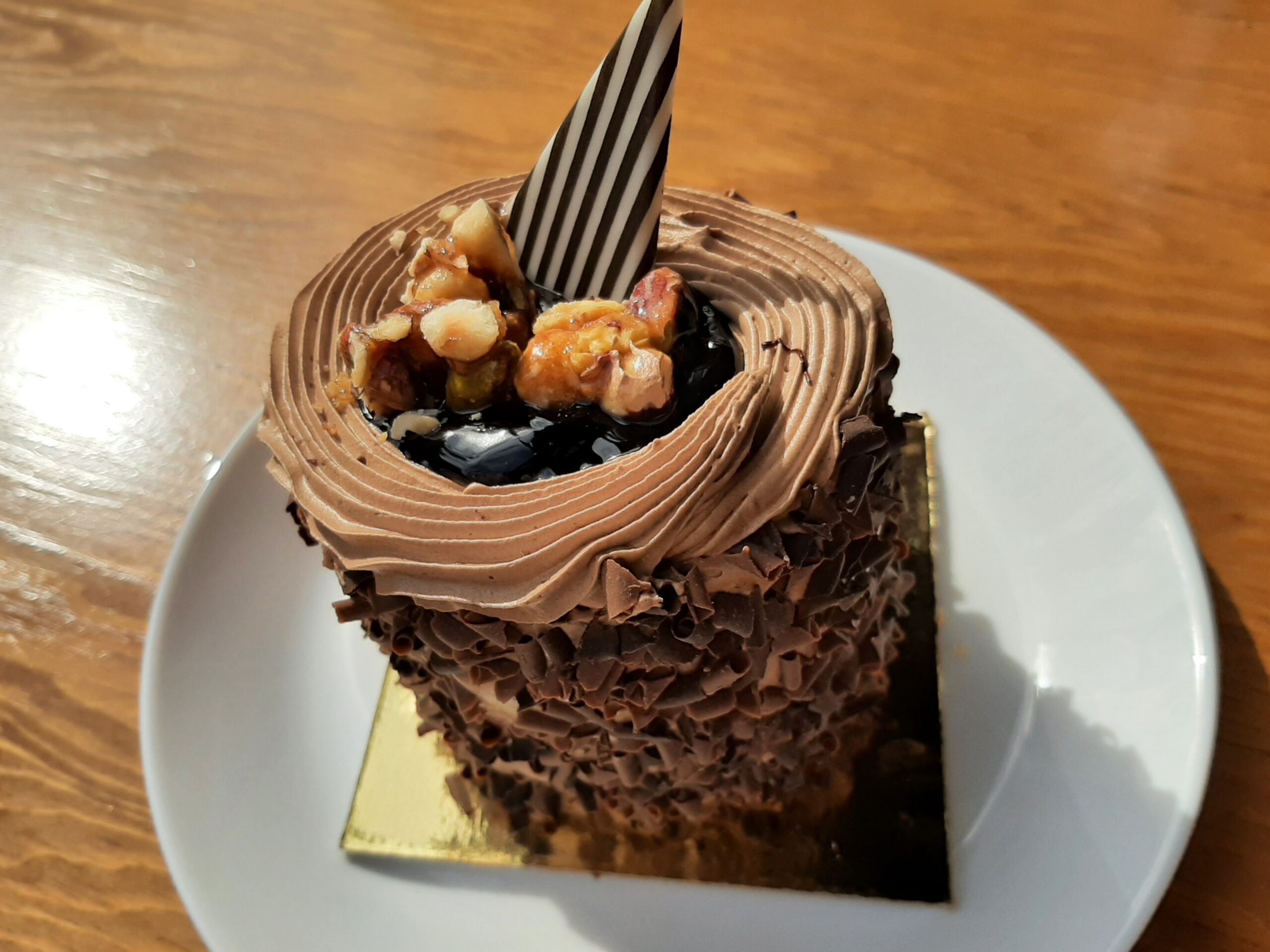
Köfte, kebab, sweet pastries, Turkish coffee and Turkish tea
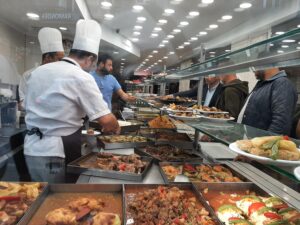
Istanbul’s cuisine offers a flavourful journey, with highlights including meat dishes such as köfte and kebab, both with deep roots in Turkish food culture. Köfte are juicy meatballs seasoned with herbs, while kebab comes in countless varieties – from grilled skewers to the famous döner.
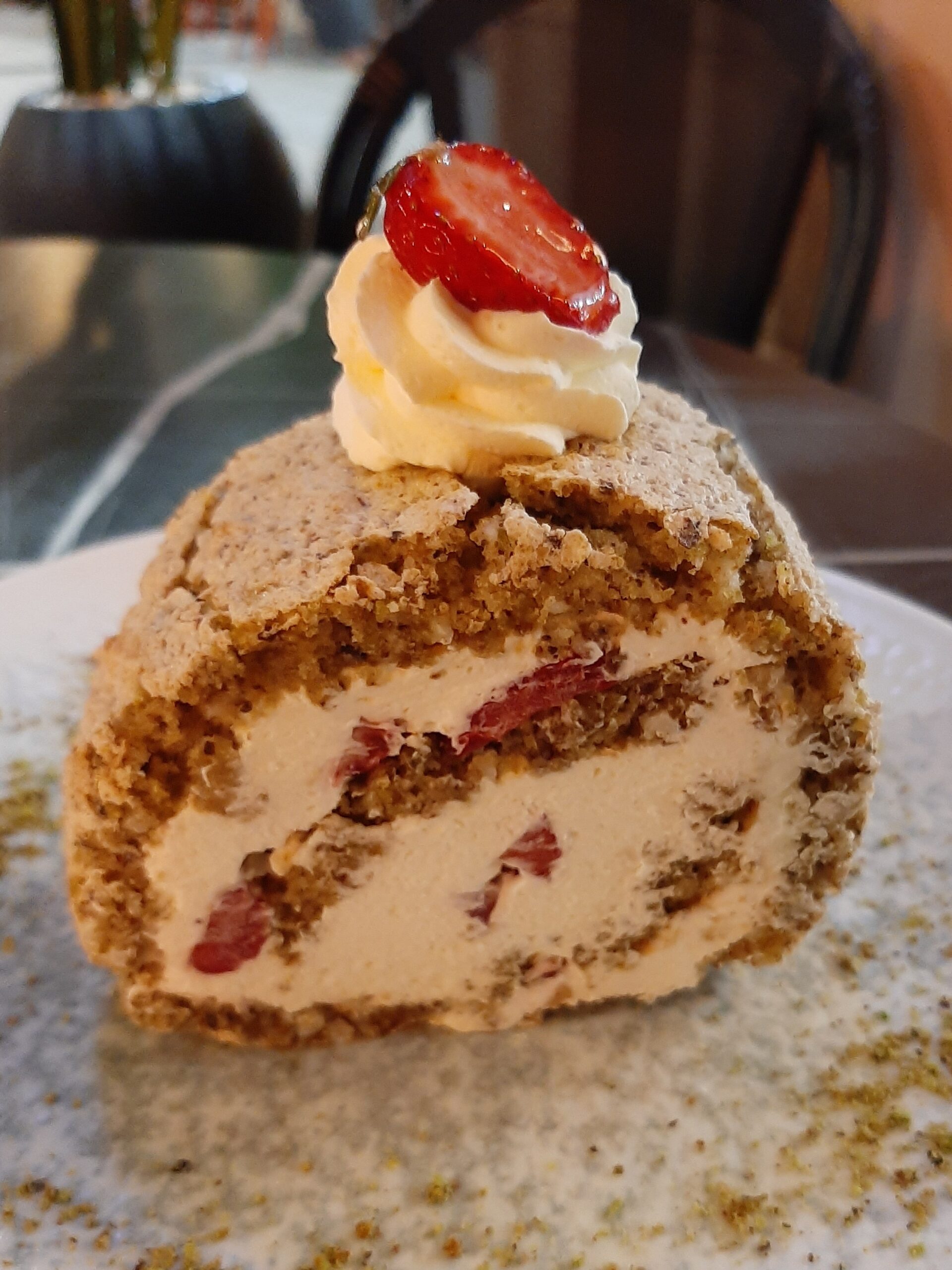
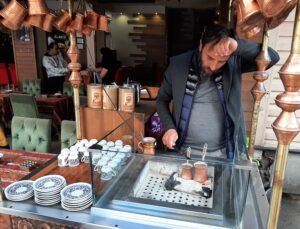
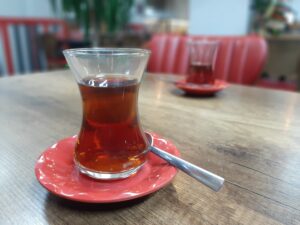
Sweet cakes, like baklava and Turkish delight, tempt with layer upon layer of sweet flavors. Turkish coffee, known for its strong taste and unique preparation, or a glass of piping hot Turkish tea, makes the taste experience complete.
Konya – cultural and religious centre
Konya is one of Turkey’s oldest cities and serves as an important cultural and religious centre with roots stretching back to antiquity. The city lies on the vast Anatolian plain and is especially known as the home of the renowned mystic and poet Mevlana Rumi, founder of the Sufi order of the whirling dervishes.
With its unique mix of historical monuments, bustling bazaars and tranquil parks, Konya offers a fascinating journey through both Turkish history and spiritual tradition. Here you will find magnificent mosques, ancient ruins and an environment marked by hospitality, where it is easy to feel welcome as a visitor.
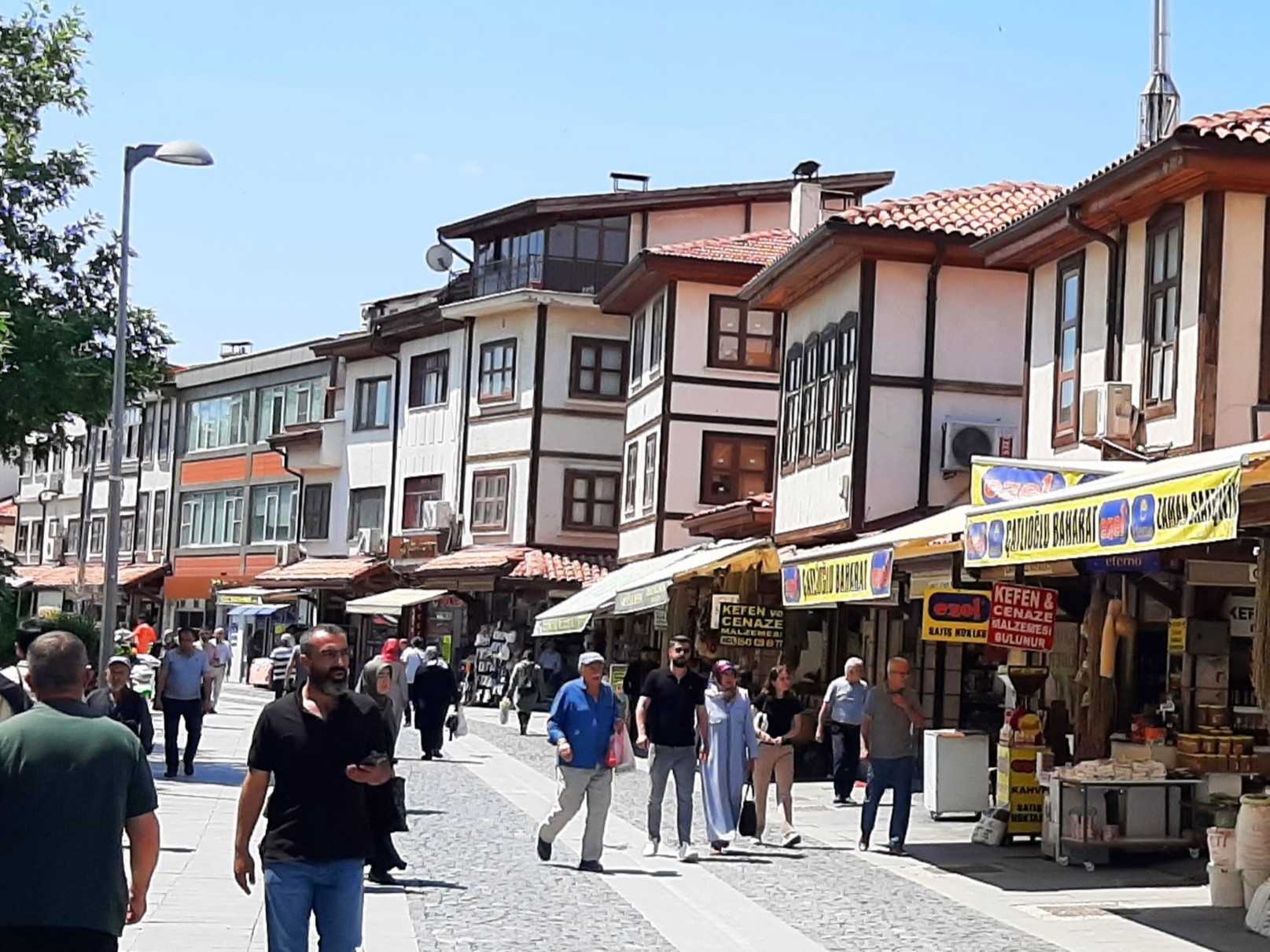
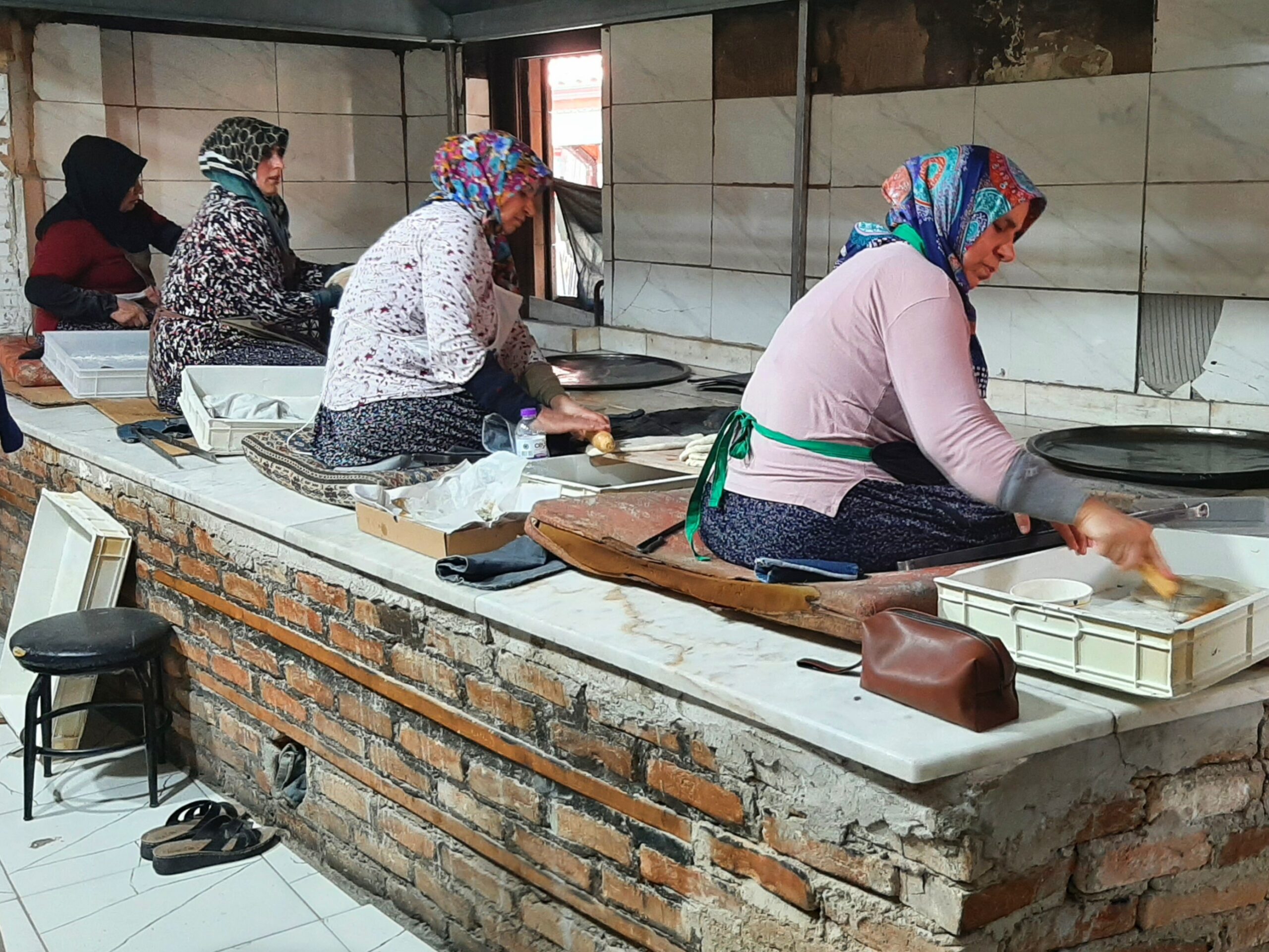
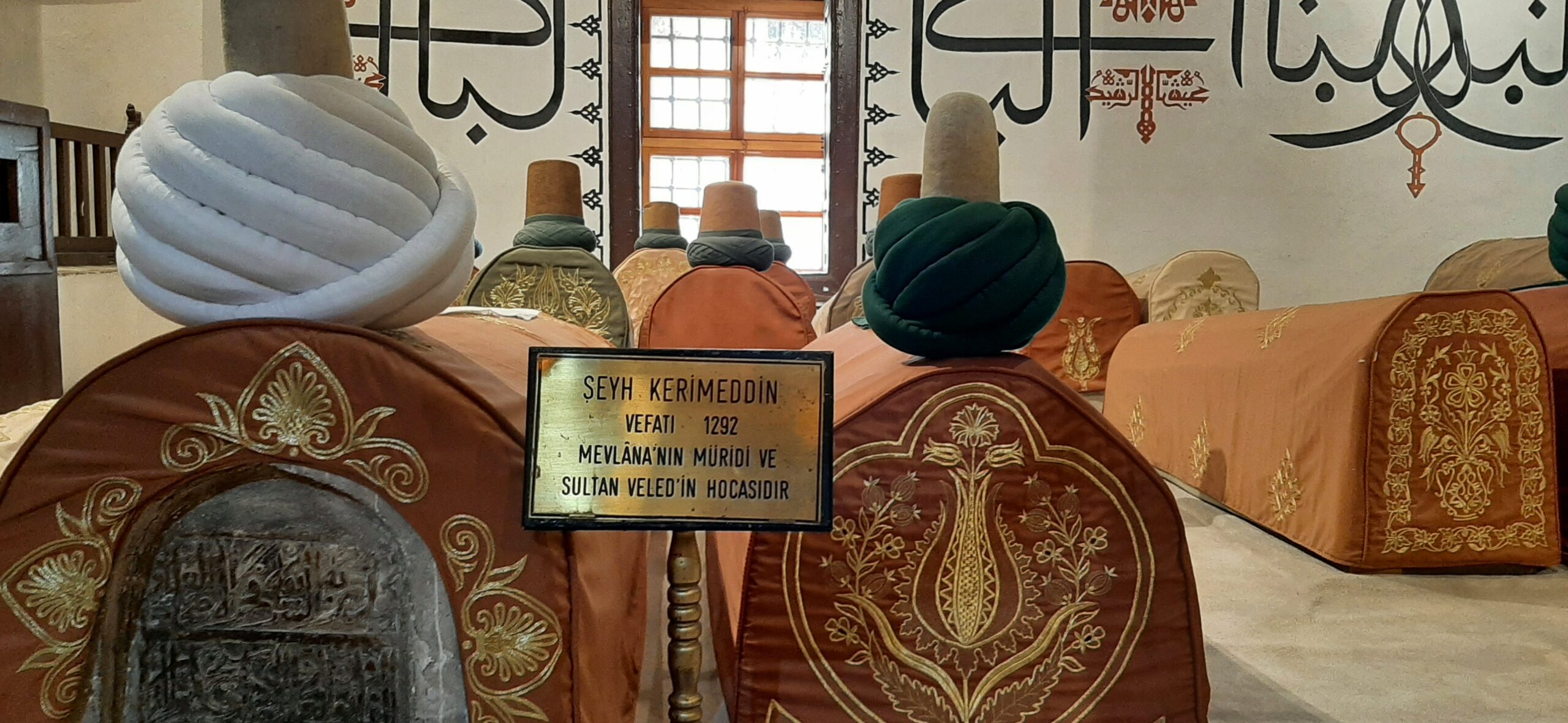
The Mevlana Museum, Rumi's philosophy & the Agia Eleni Byzantine Church
With its unique blend of historical monuments, bustling bazaars and tranquil parks, Konya offers a fascinating journey through both Turkish history and spiritual tradition.
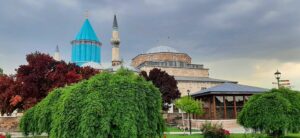
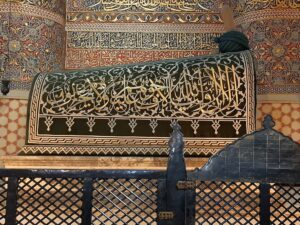
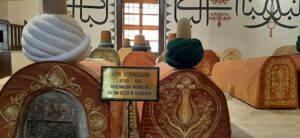
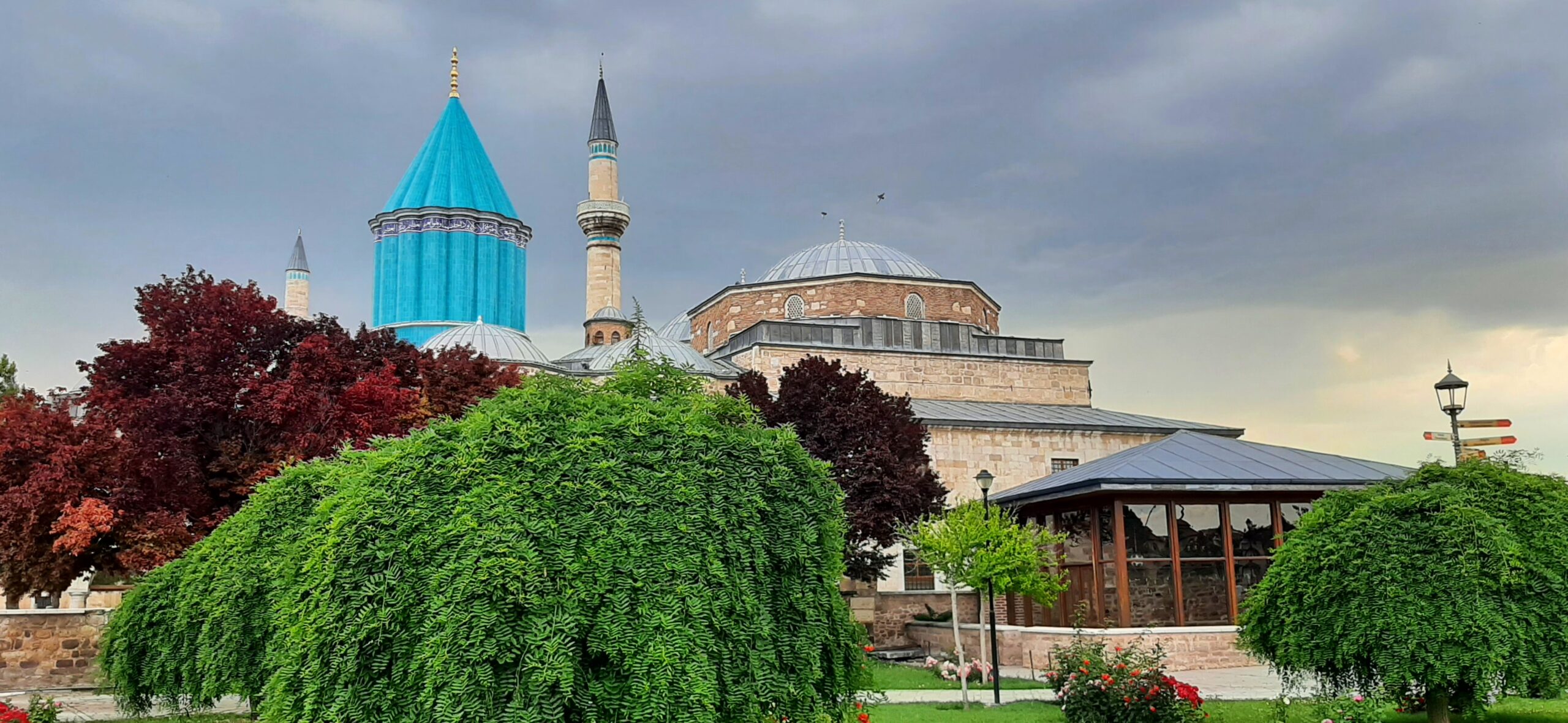
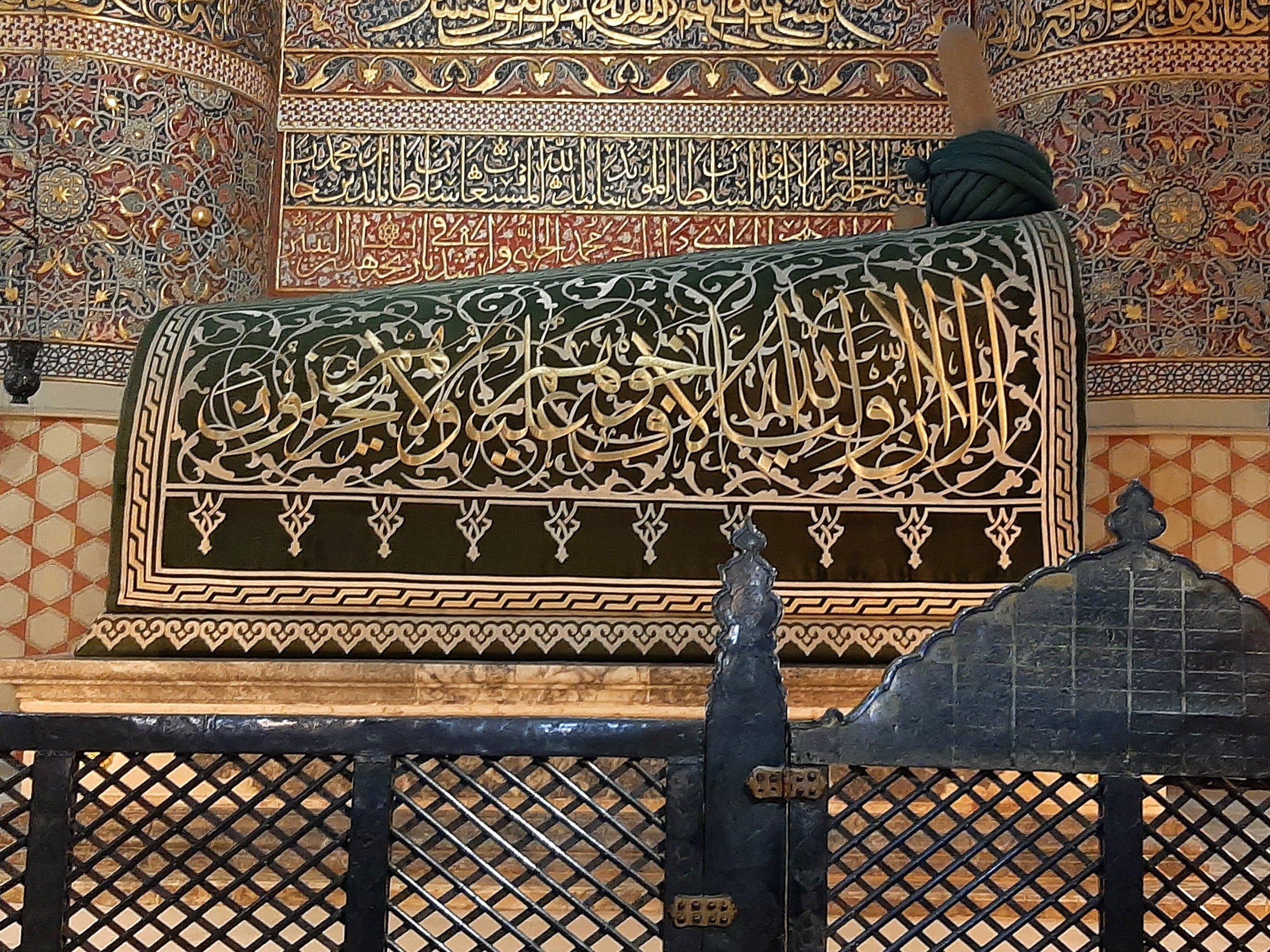
The Mevlana Museum in Konya is one of Turkey’s most famous cultural landmarks and is situated at the burial site of the great Sufi master and poet Jalal ad-Din Rumi (Mevlana). The museum was originally a Mevlevi dervish lodge and was opened as a museum in 1927.
Rumi was a Persian poet, Islamic scholar, and Sufi mystic of the 13th century. He is particularly renowned for his poems about love, spirituality, and humanity’s search for the divine. Rumi lived much of his life in Konya, and his ideas and writings have had a profound influence both in the Muslim world and internationally.
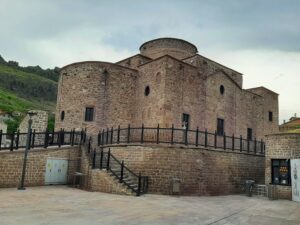
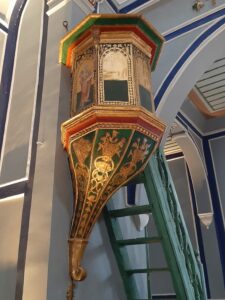
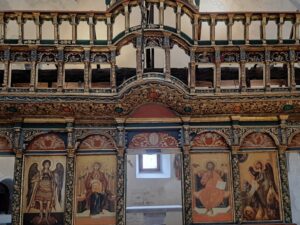
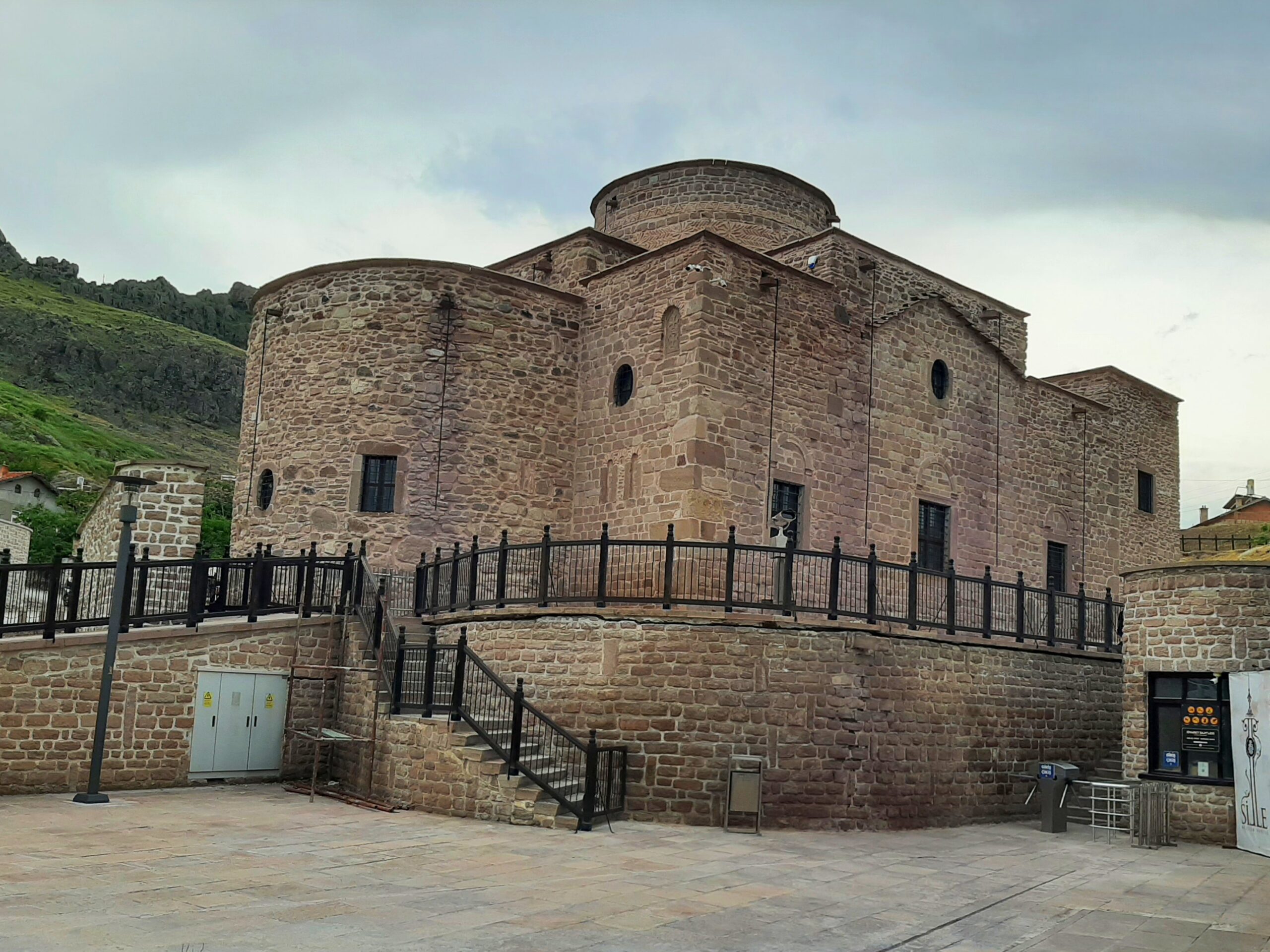
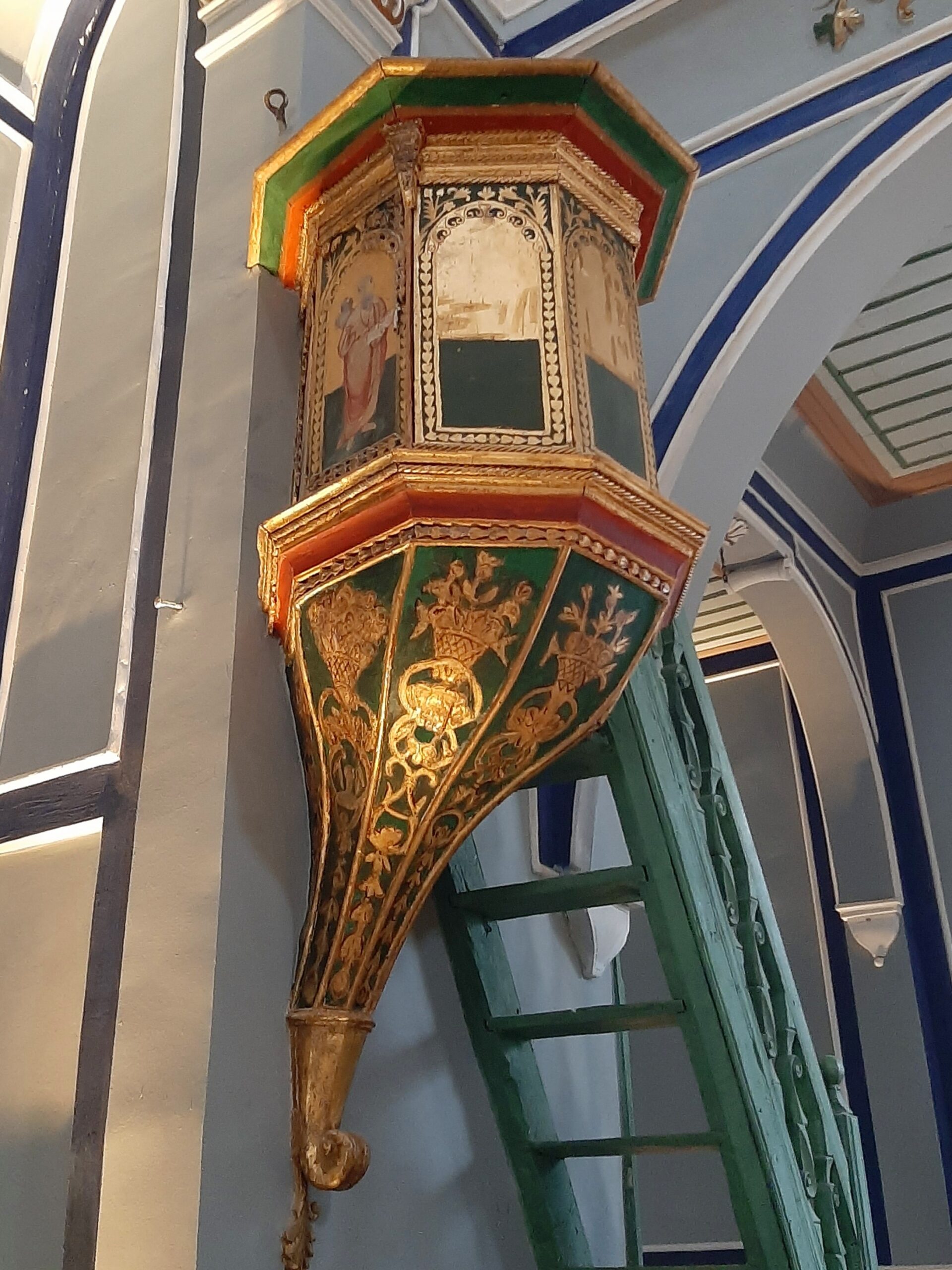
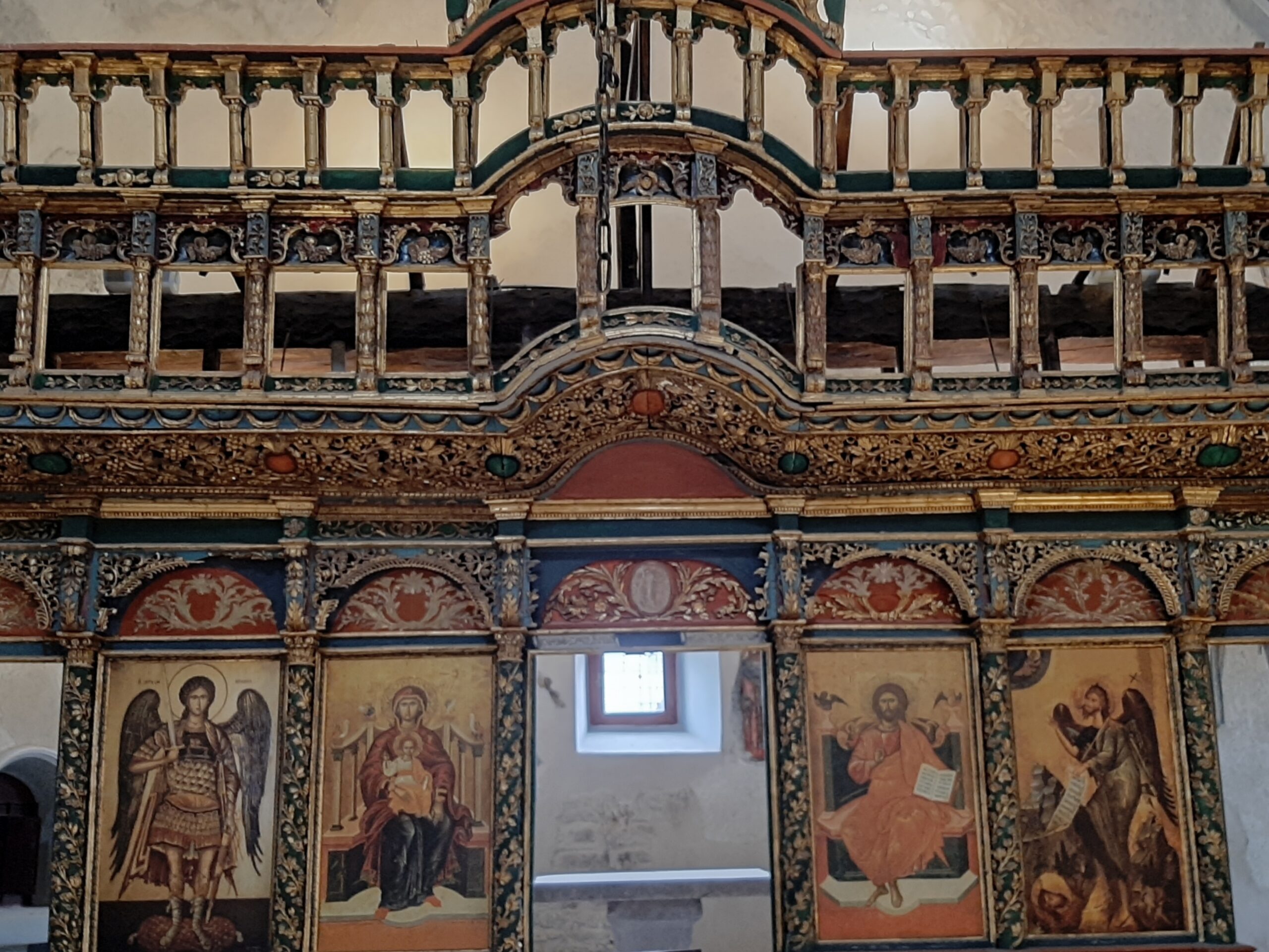
Agia Eleni Byzantine Church, on the other hand, is one of the oldest Christian churches in the area, with roots stretching back to the Byzantine era. The church stands out for its well-preserved frescoes and its simple yet venerable design, offering a unique insight into the Christian presence that has influenced the region through the centuries.
Whirling Dervishes – the soul’s journey towards unity
In the heart of Konya, you will find the traditional Mevlana Cultural Centre, which every Saturday evening at 19:00 hosts a performance by the whirling dervishes.
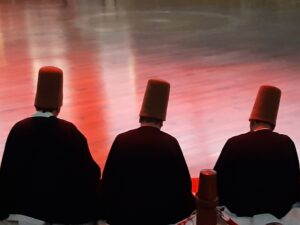
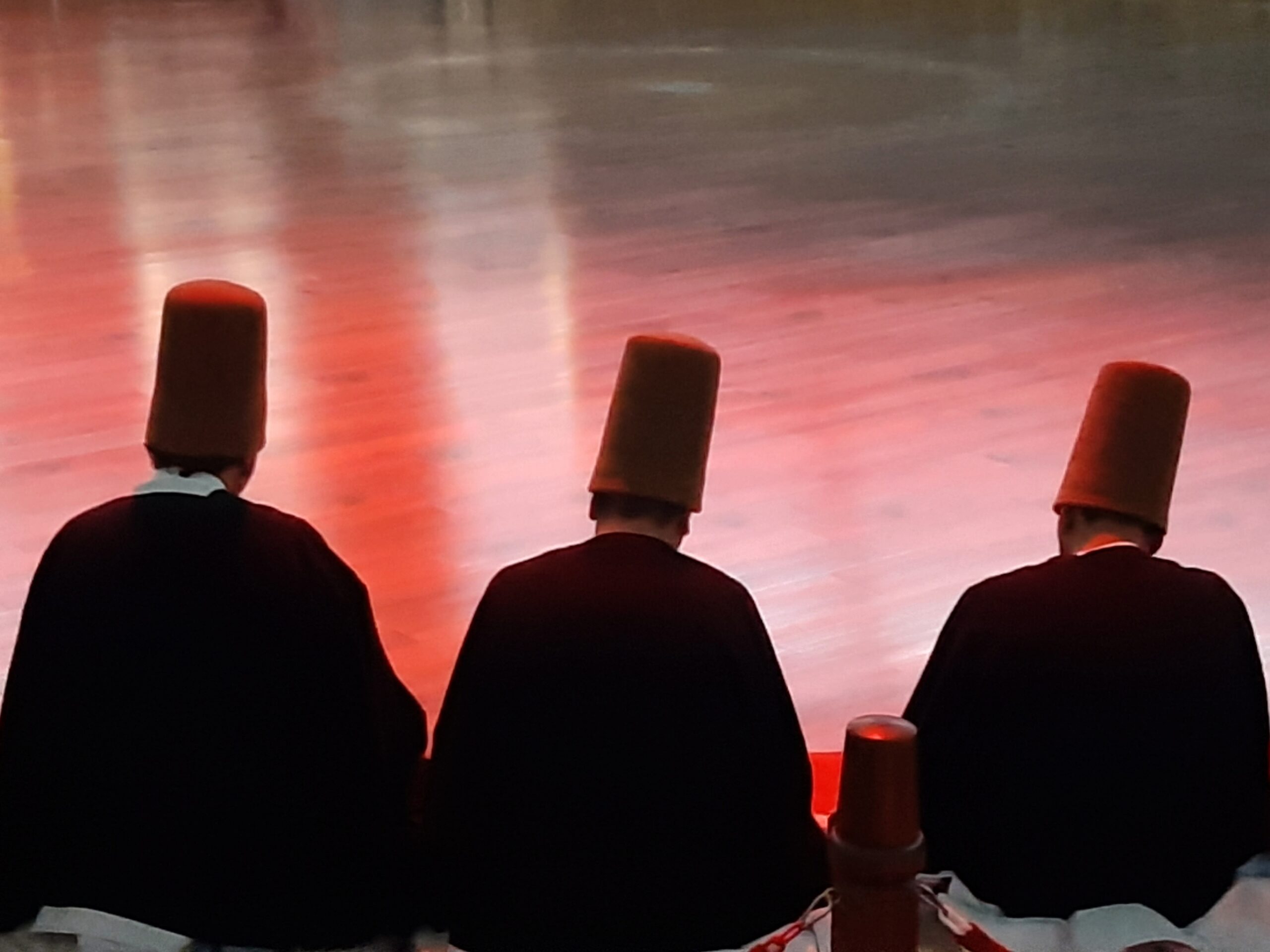
The whirling dervishes, or “sema”, is a spiritual dance performed by Sufis – followers of the mystical branch of Islam. This ritual dance is famous for its circular movements, as the dervishes spin around their own axis in a meditative state.
The movements symbolise the soul’s journey towards unity with the divine, where the dervishes’ white robes represent purity and the hat symbolises the tombstone for the ego.
Through the dance, they seek connection with the sacred and express devotion, love and surrender to God. People from all over the world gather here to experience the moving sema ceremony in an atmosphere filled with respect and silence.
Cappadocia – shaped by tuff stone formations
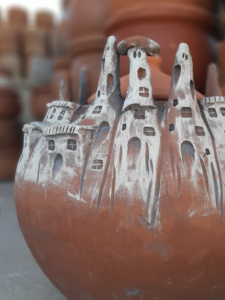
Cappadocia is a magical landscape in central Turkey, famous for its unique rock formations, underground cities and ancient cave churches. The area offers a fascinating meeting of nature and history, where wind and water over thousands of years have carved out a dramatic terrain filled with so-called “fairy chimneys”.
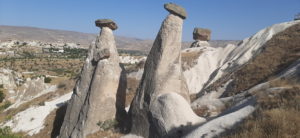
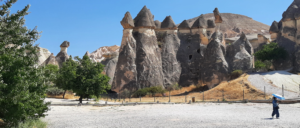
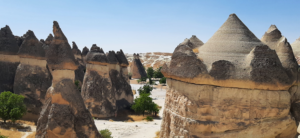
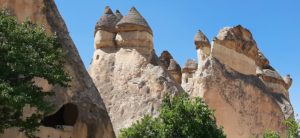
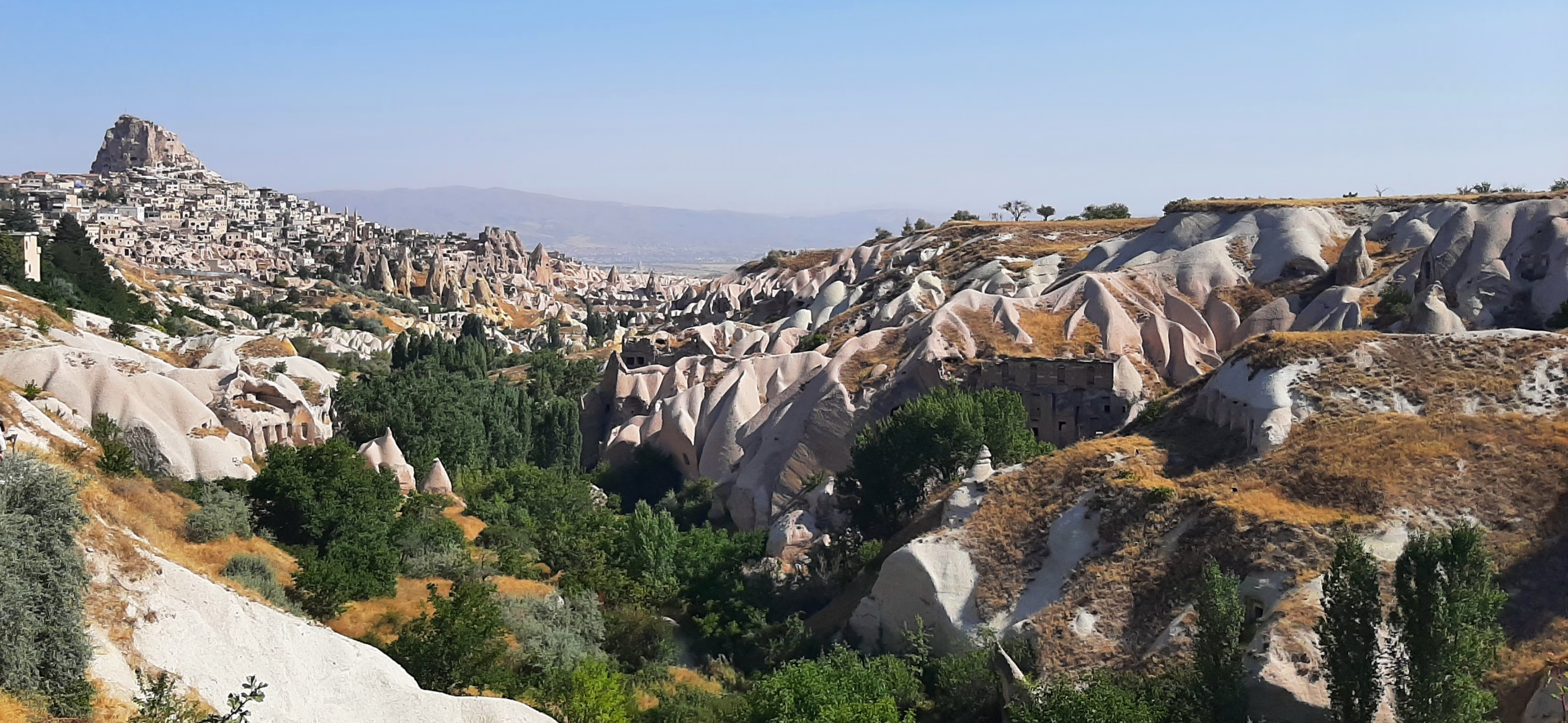
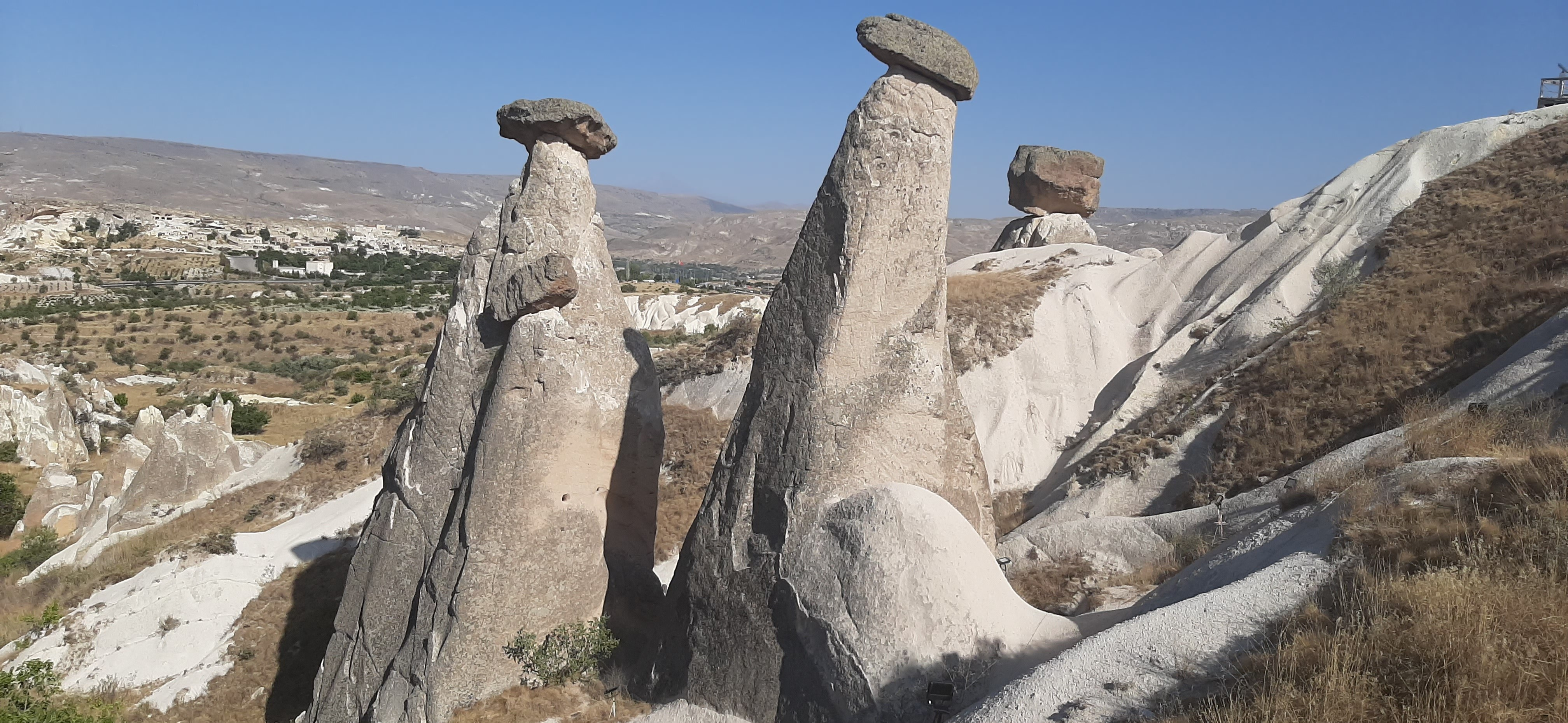
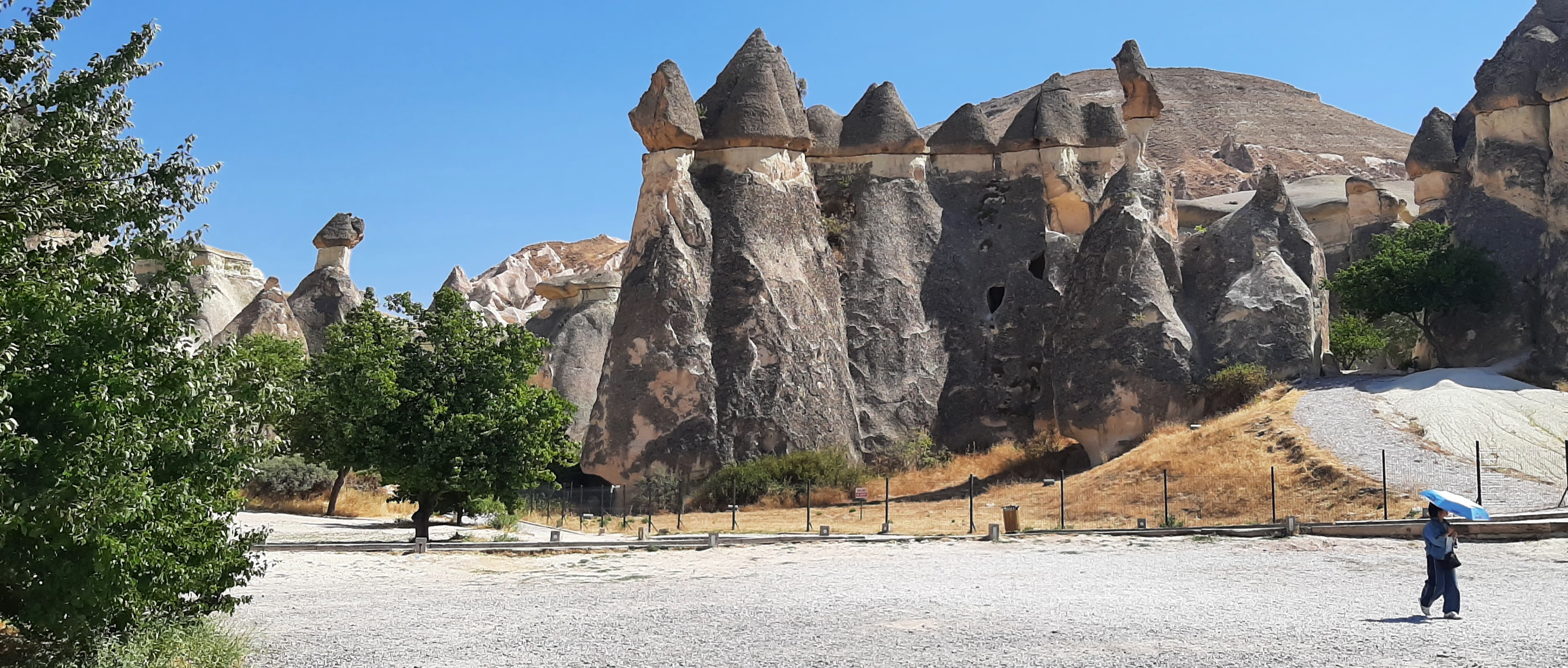
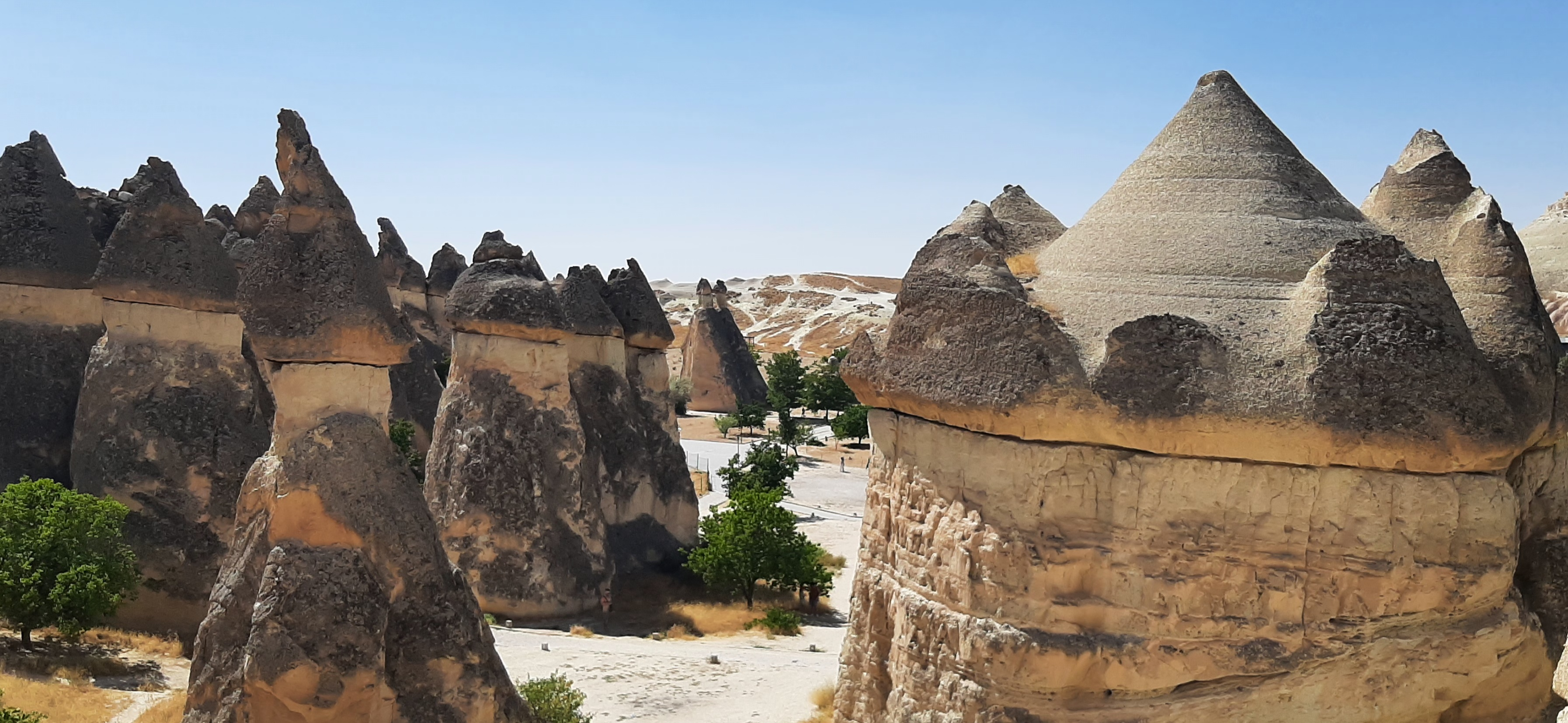
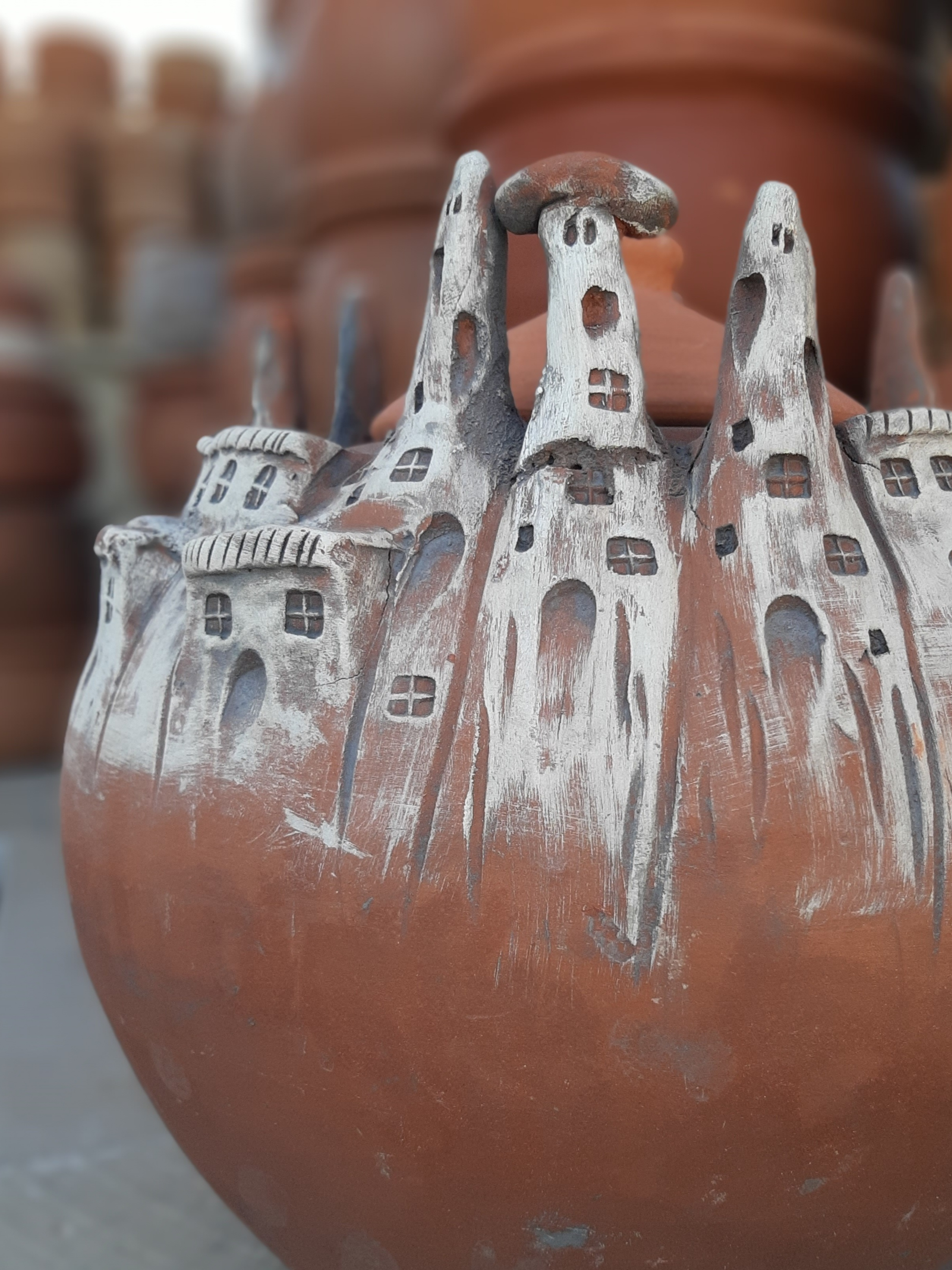
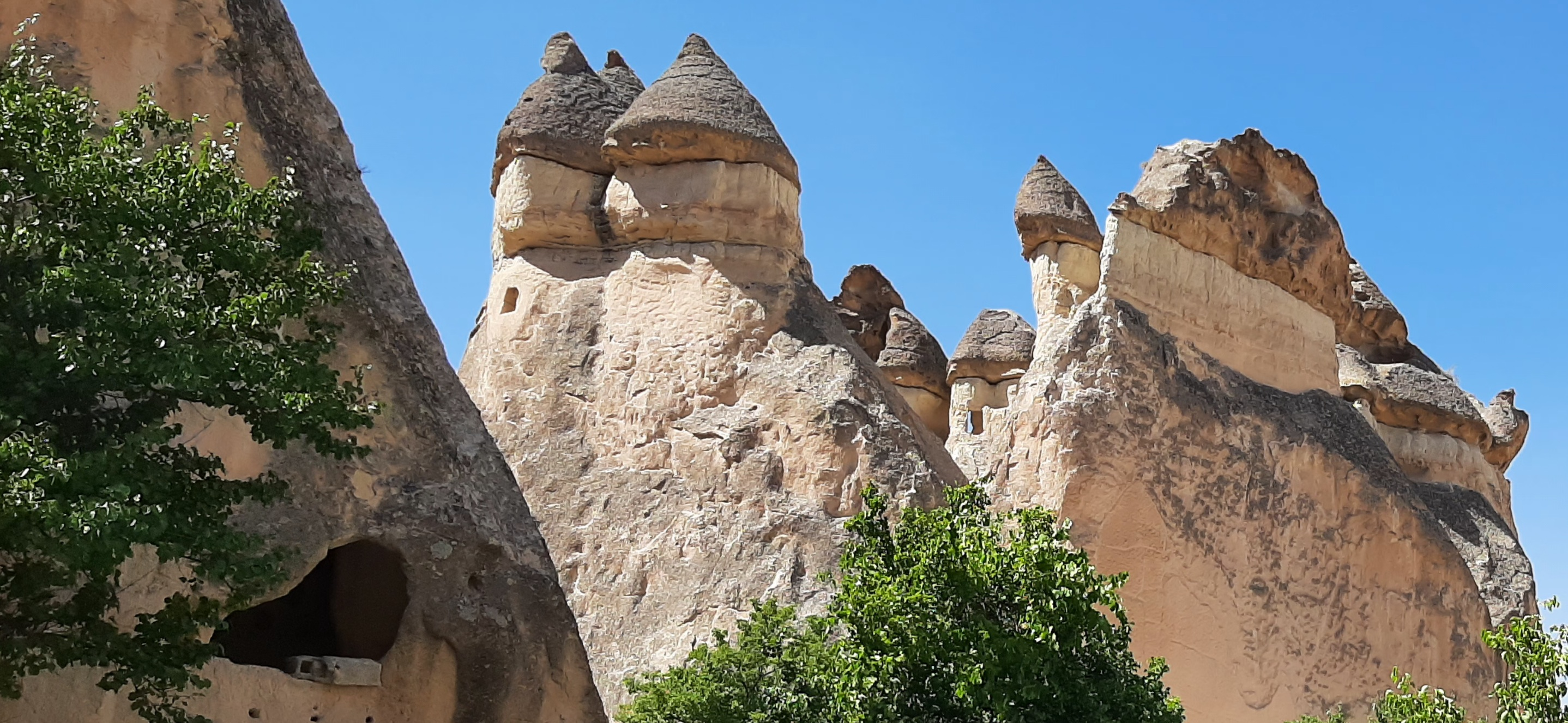
Cappadocia was originally a kingdom in central Anatolia, known for its varied landscape and strategic location between east and west. Throughout antiquity, the area was ruled by local leaders, and the kingdom played an important role as a buffer state between great empires such as Persia and Rome. The kings of Cappadocia contributed to the region’s cultural and religious diversity, something that still characterises the area to this day.
Göreme – and the first Christians
Göreme is the heart of Cappadocia and one of the most iconic places in the region. The village is surrounded by spectacular tuff stone formations and is especially known for its many cave dwellings, monasteries and churches, which are carved directly into the rock.
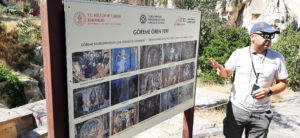
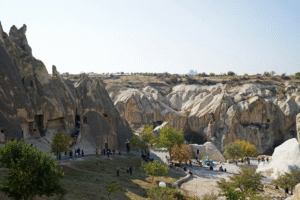
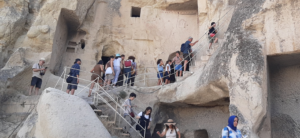
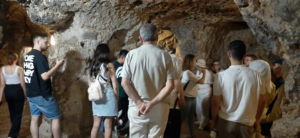
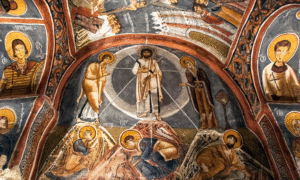
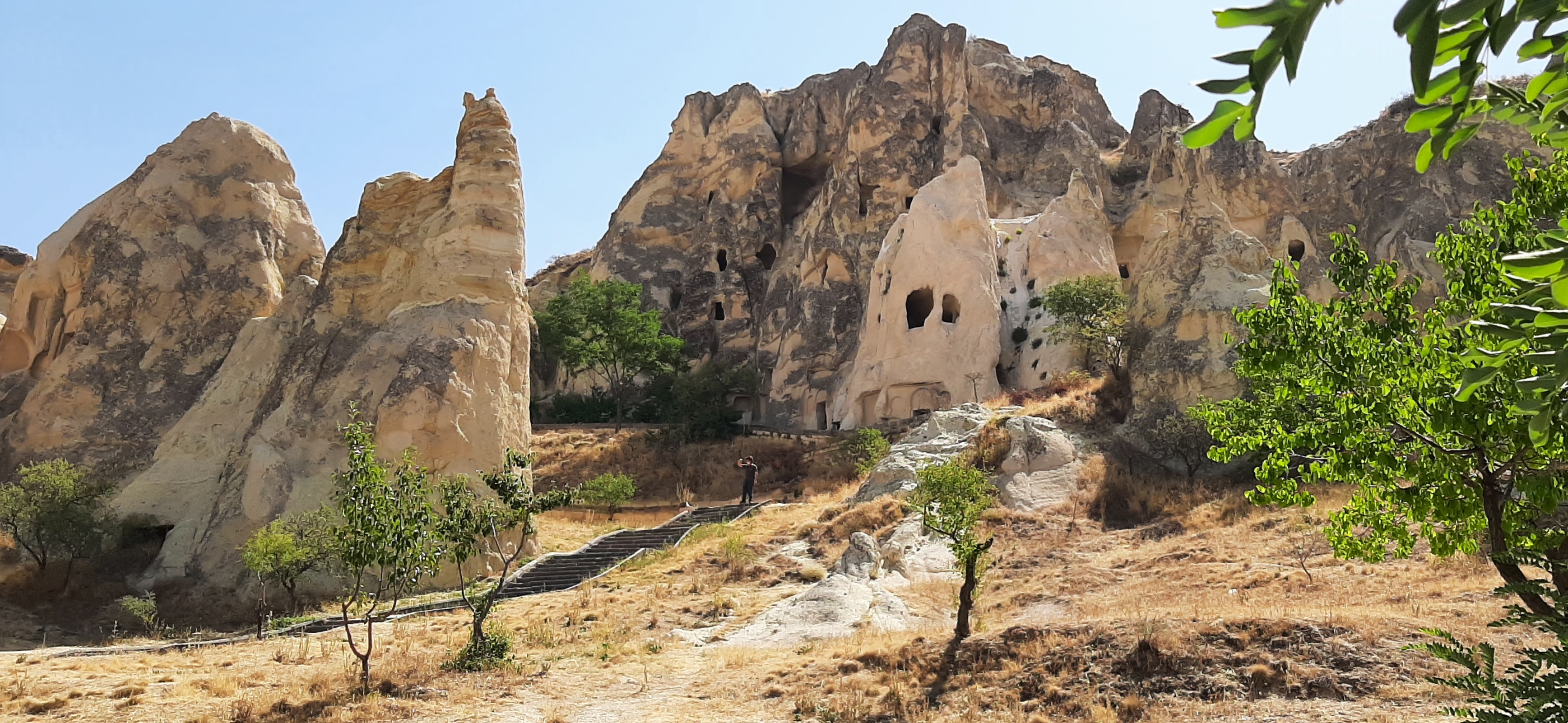
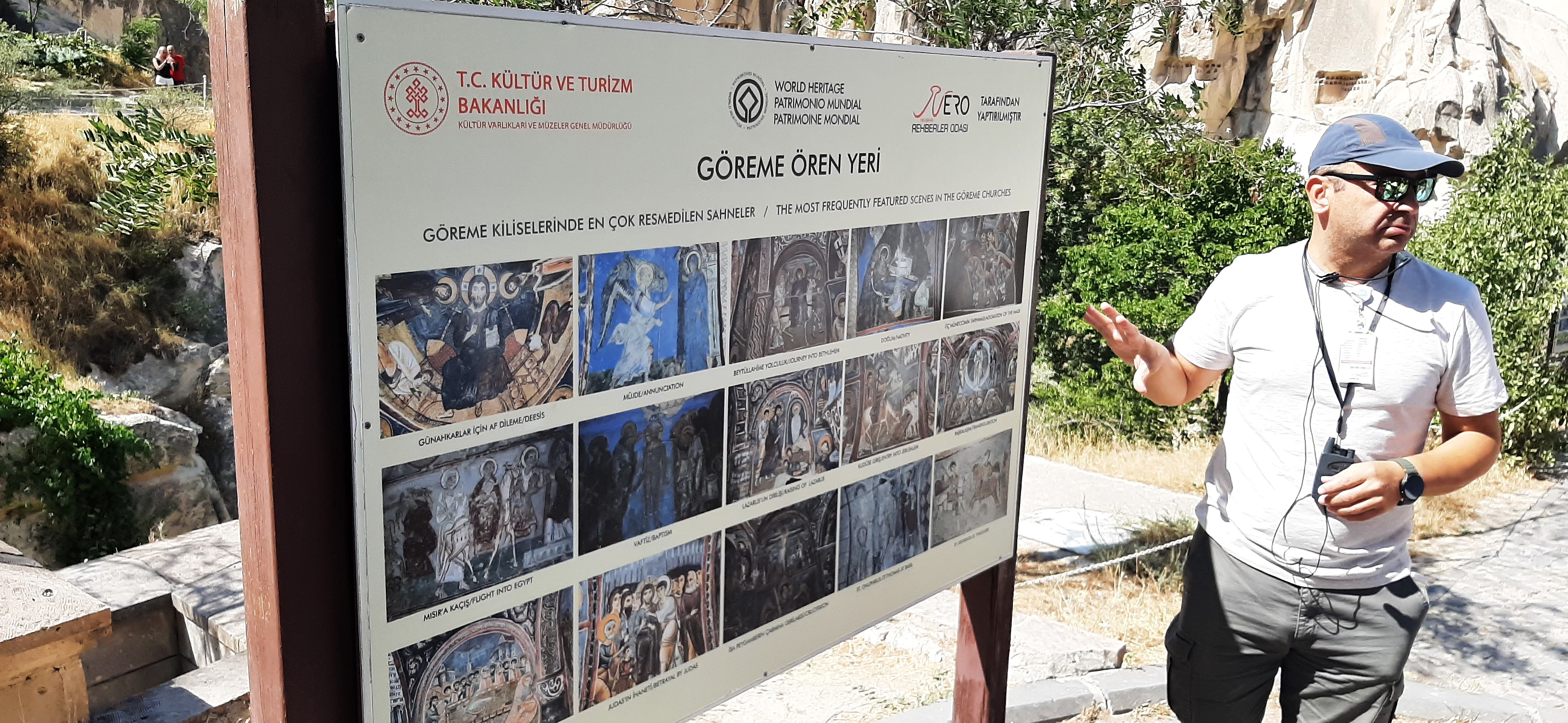
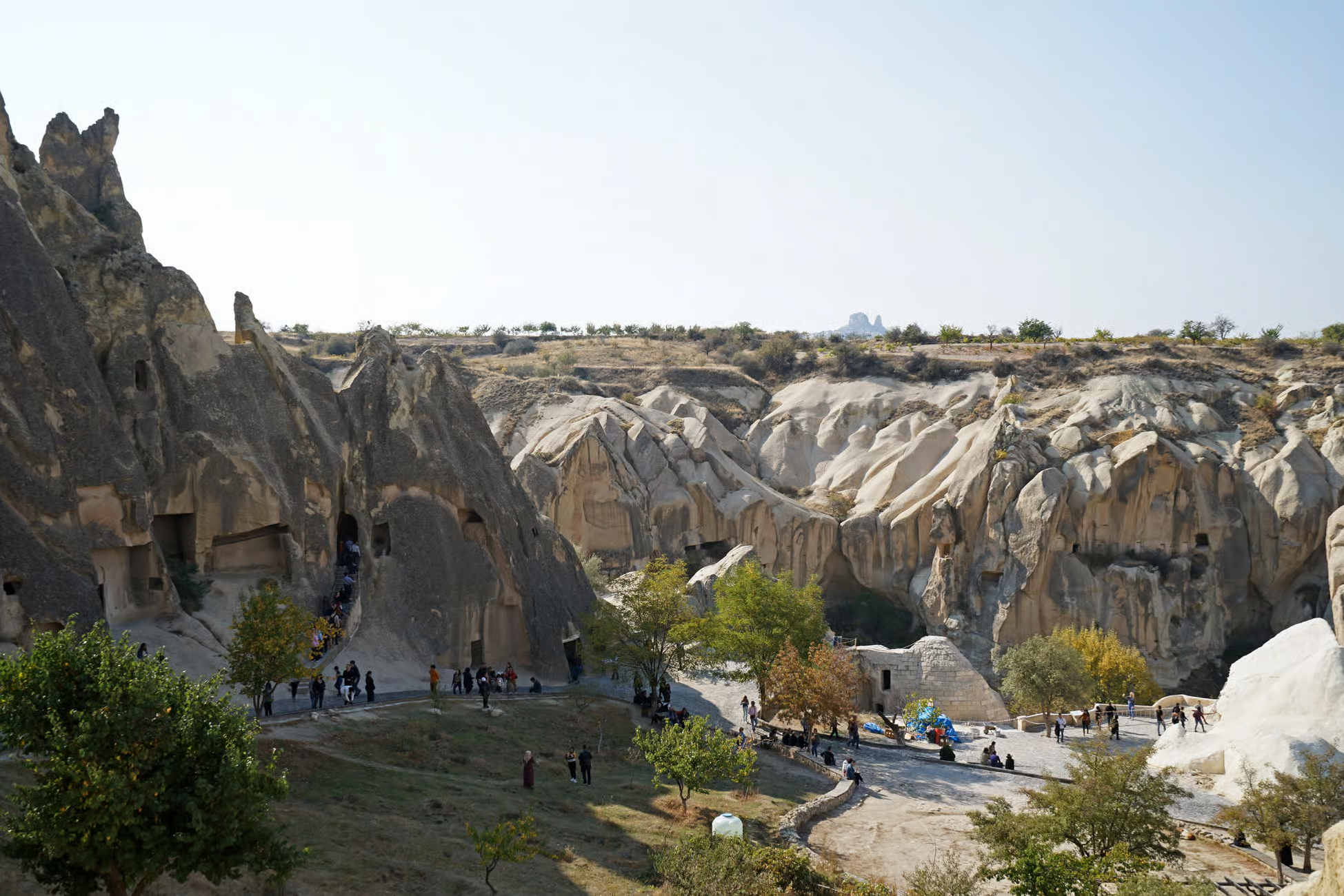
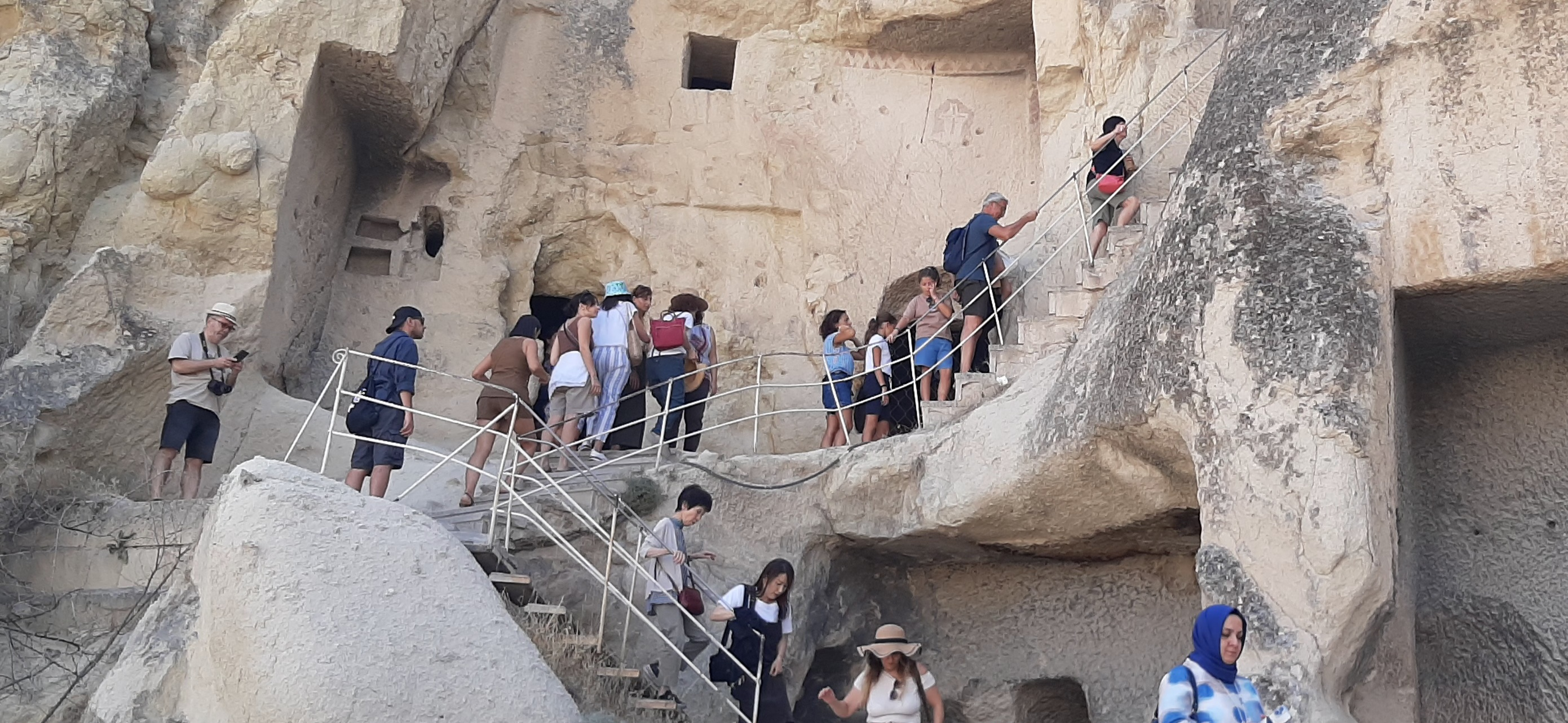
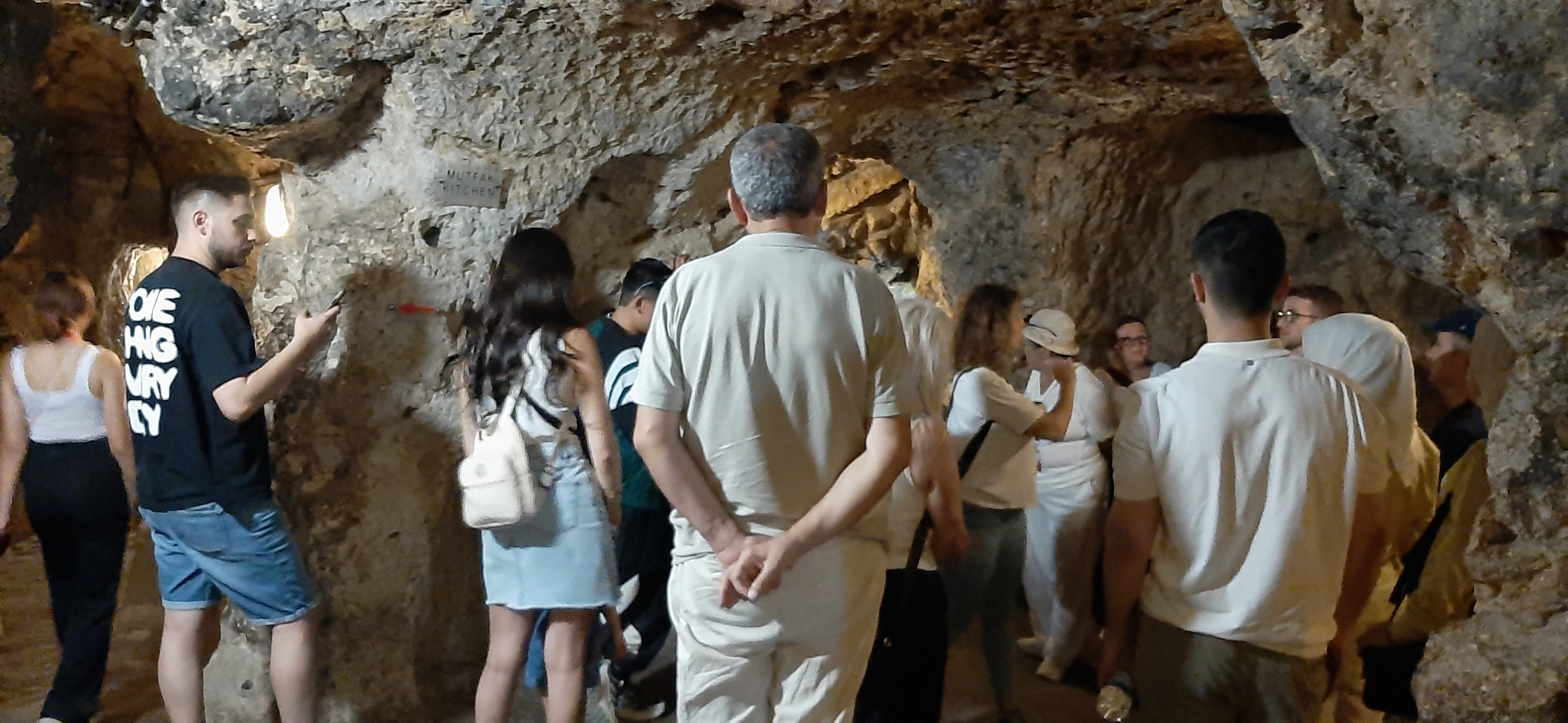
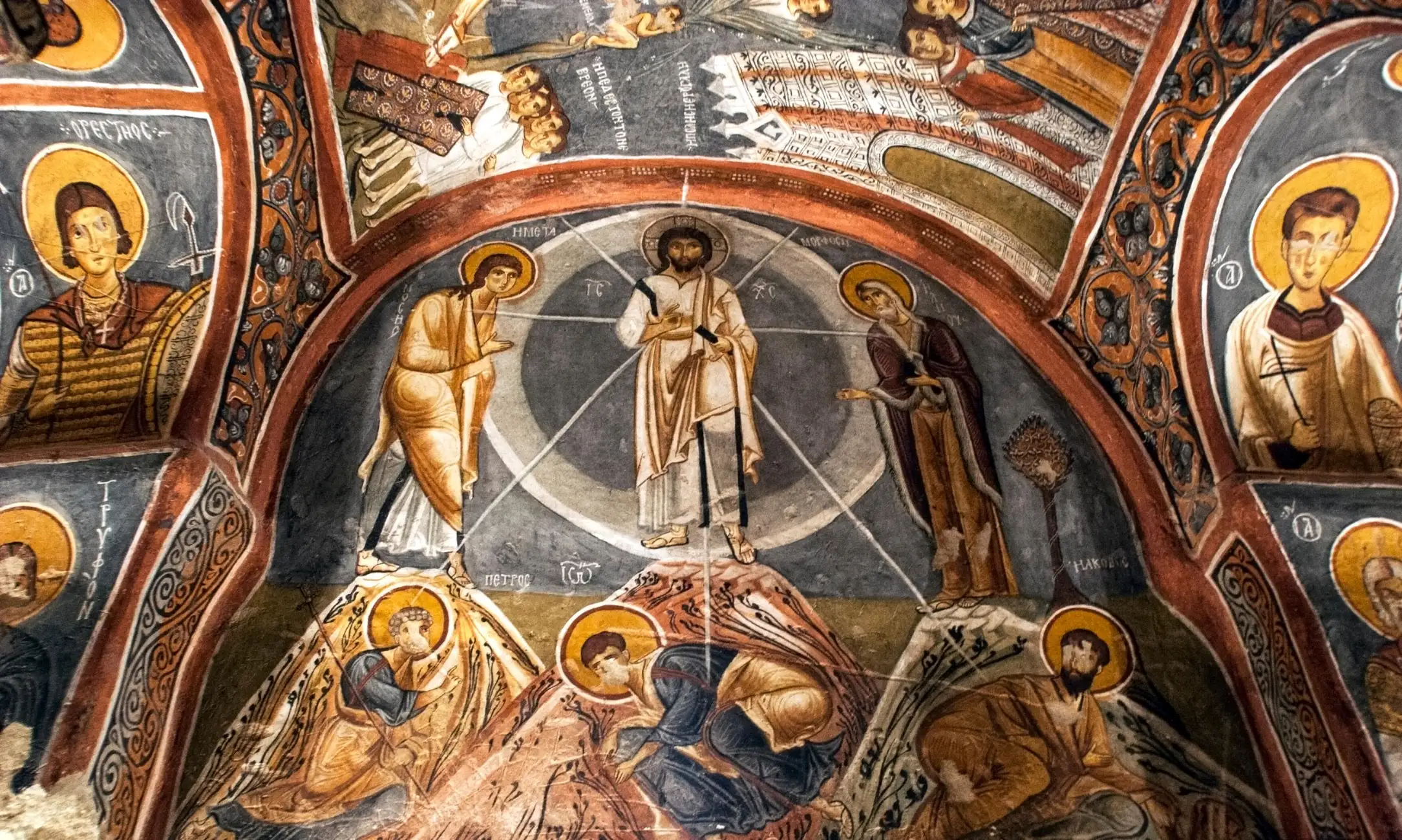
This area has been inhabited for thousands of years, with the caves early on used as homes and refuges by people seeking shelter from invasions and unrest. The first Christians settled in Göreme and the surrounding valleys as early as the 4th century, fleeing persecution in the Roman Empire. Here, they could practise their faith in peace, building a network of underground cities, churches and monasteries – many richly decorated with frescoes that can still be admired today.
In the Middle Ages, Cappadocia became an important centre for Christian faith and monasticism, and many of the unique frescoes and churches that can still be seen today bear witness to this rich cultural heritage.
The Göreme Open-Air Museum is one of Turkey’s most famous World Heritage Sites and provides a unique insight into this early Christian monastic community, characterised by simplicity, fellowship and a deep spirituality.
Hot Air Balloon Adventure
Cappadocia is also renowned for its colourful hot air balloons that drift over the valleys at sunrise, offering visitors an unforgettable view of this enchanting landscape.
The hot air balloon adventure in Cappadocia typically begins before sunrise, while the valleys are still shrouded in a gentle morning light. Participants gather early, often at dawn, as the balloons are filled with warm air and prepared for take-off.
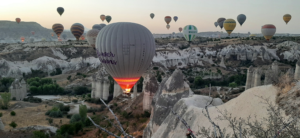
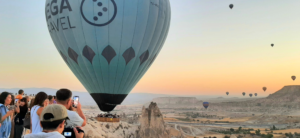
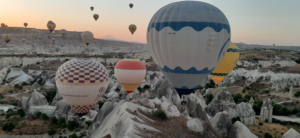
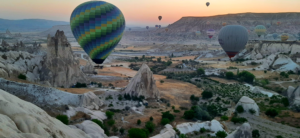
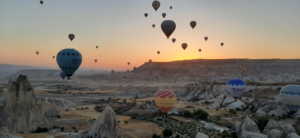
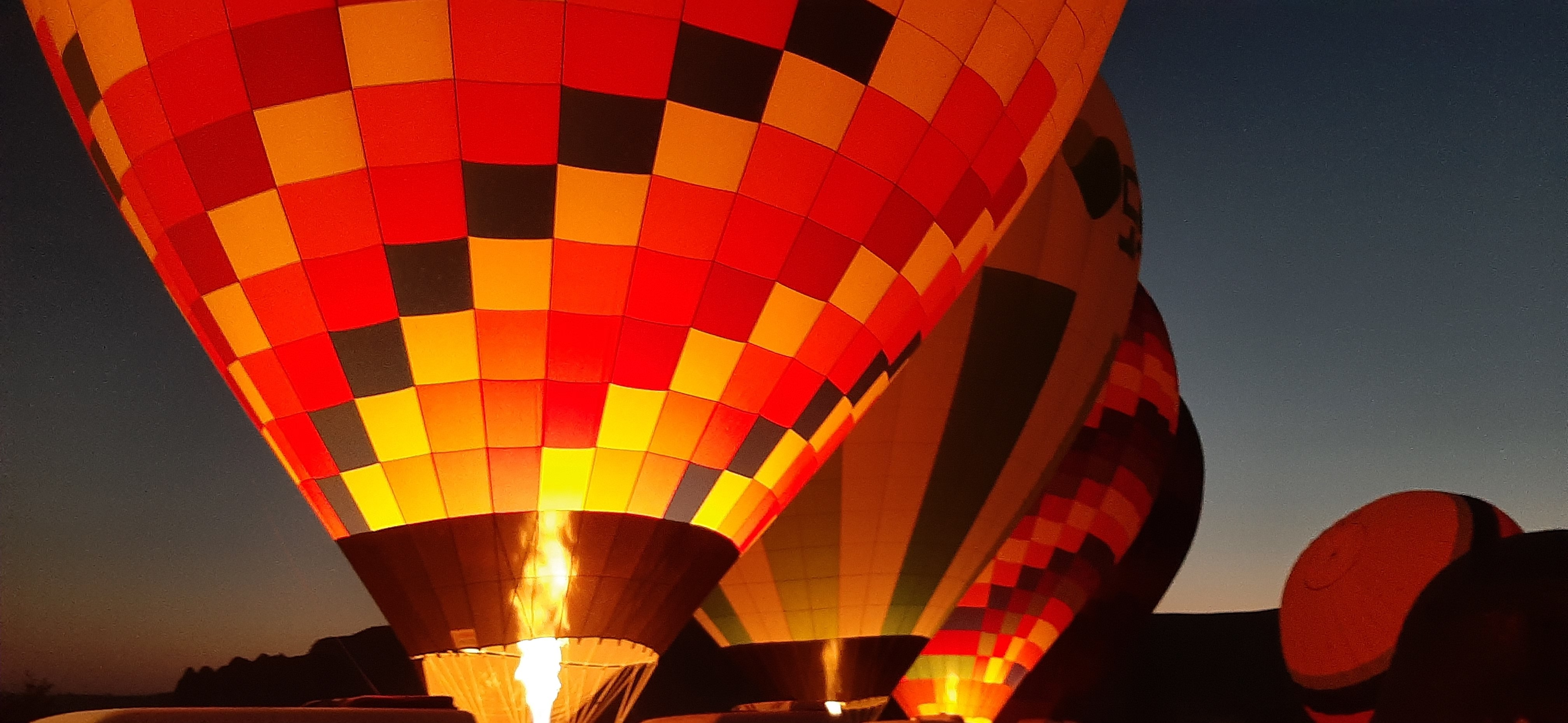
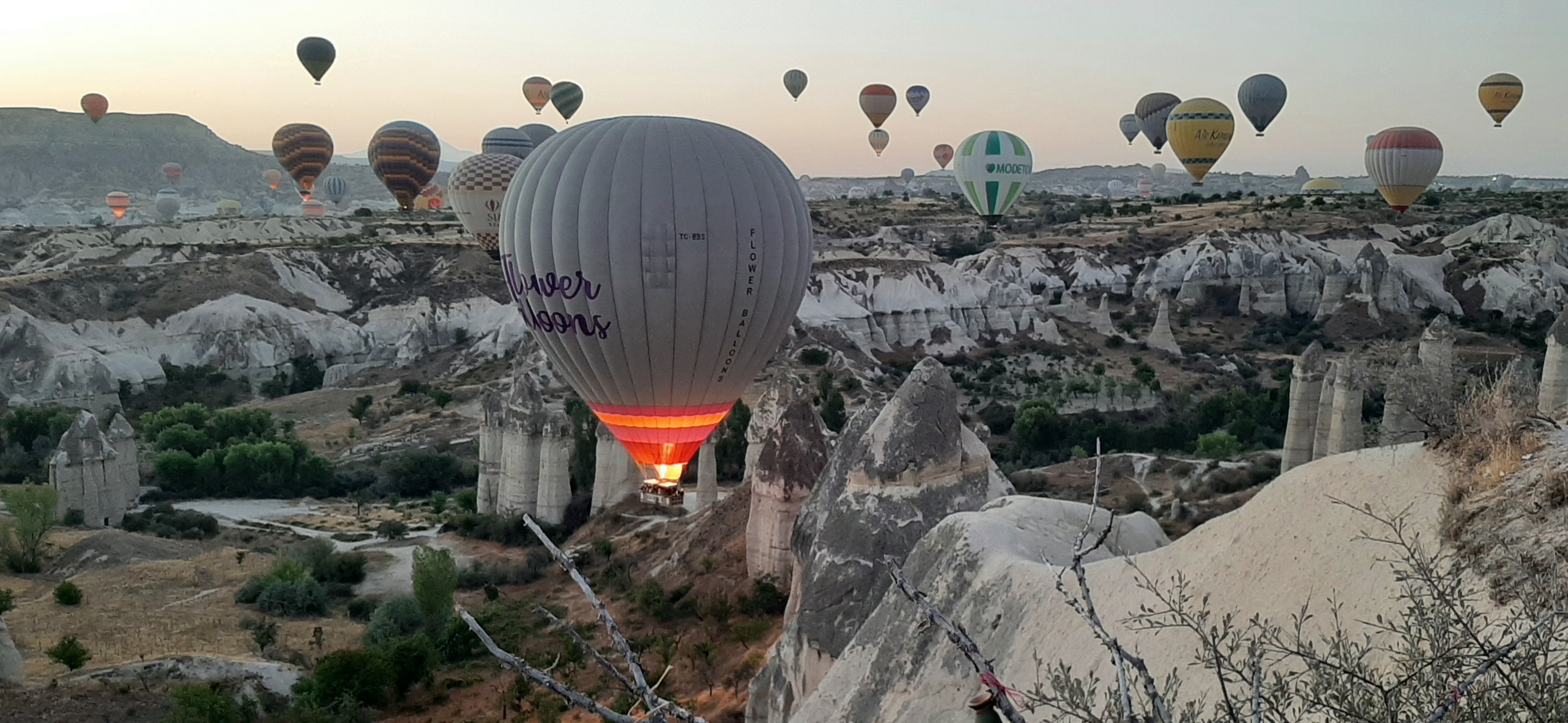
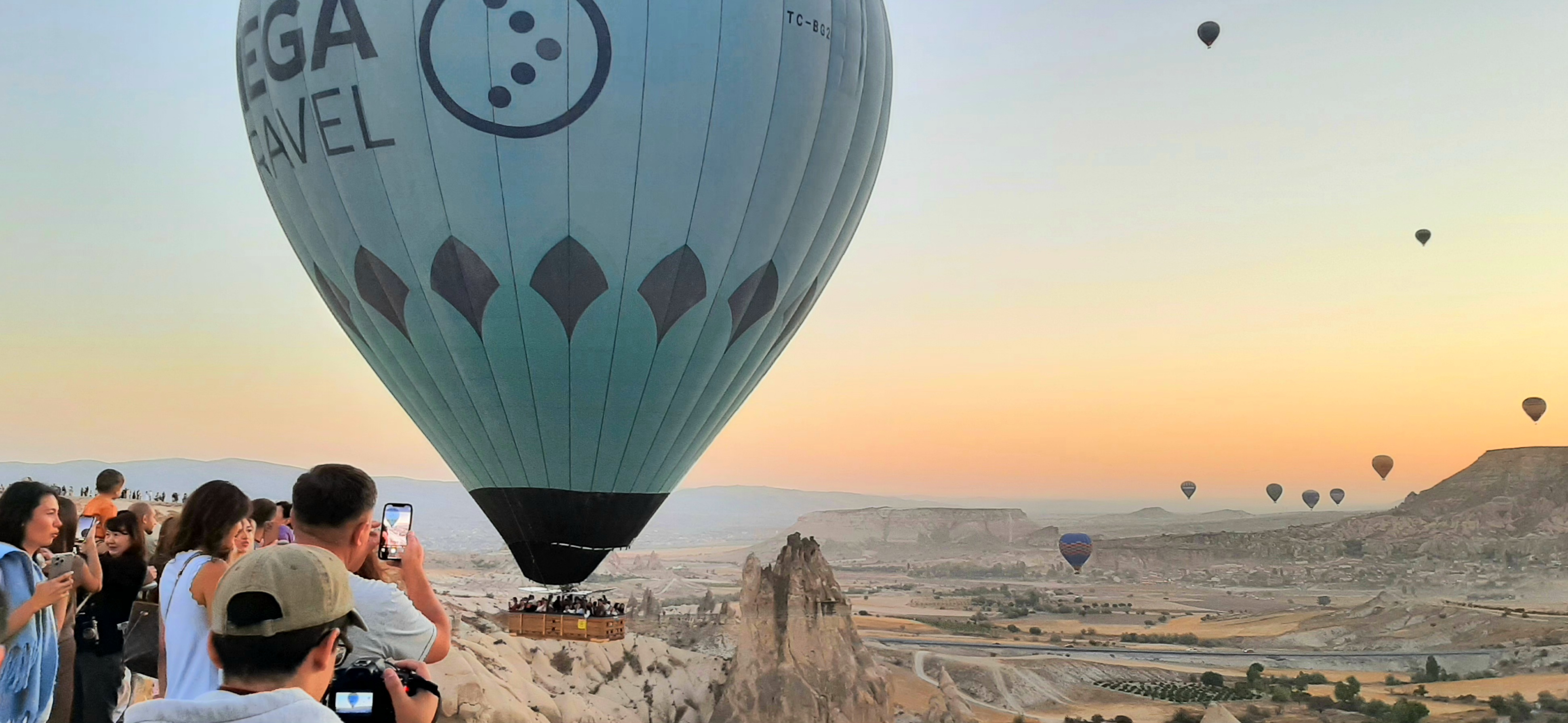
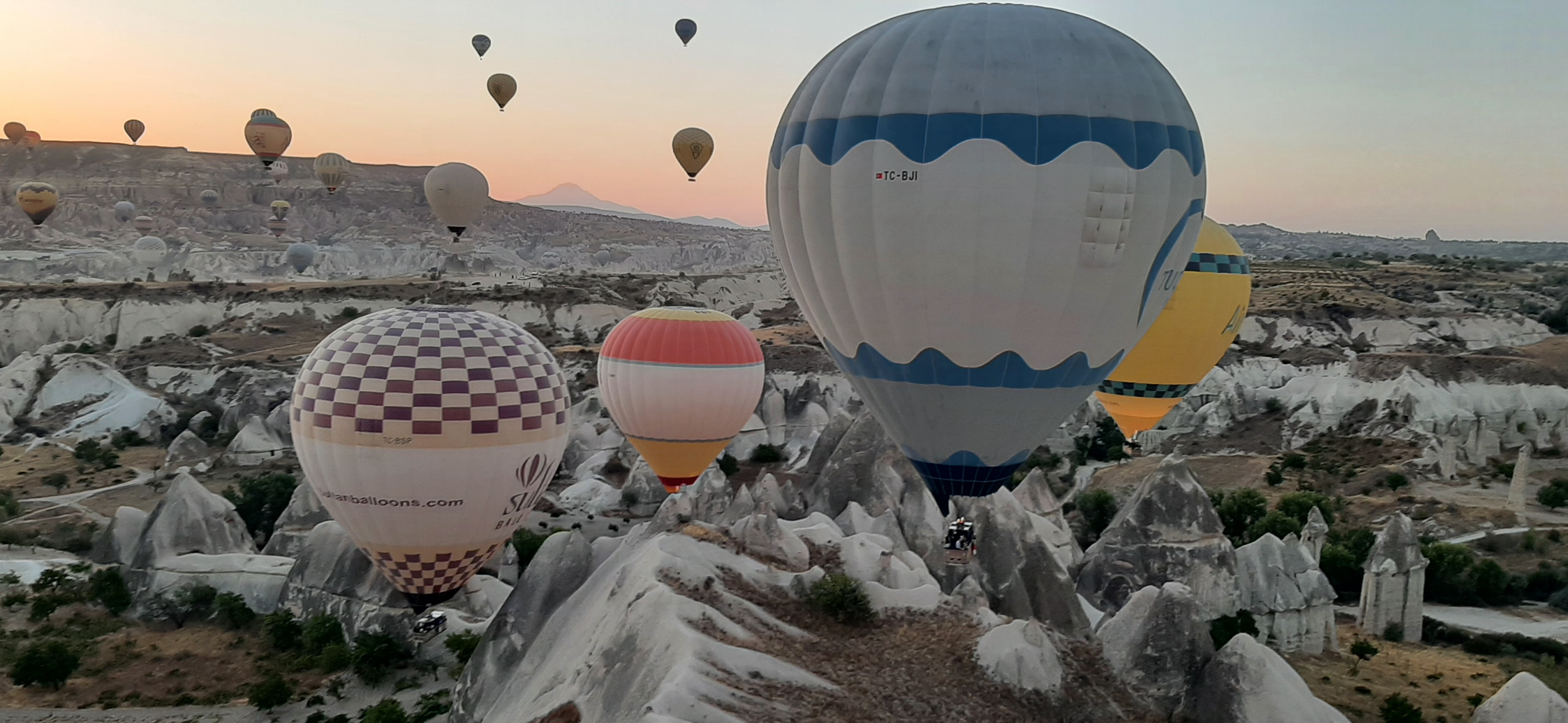
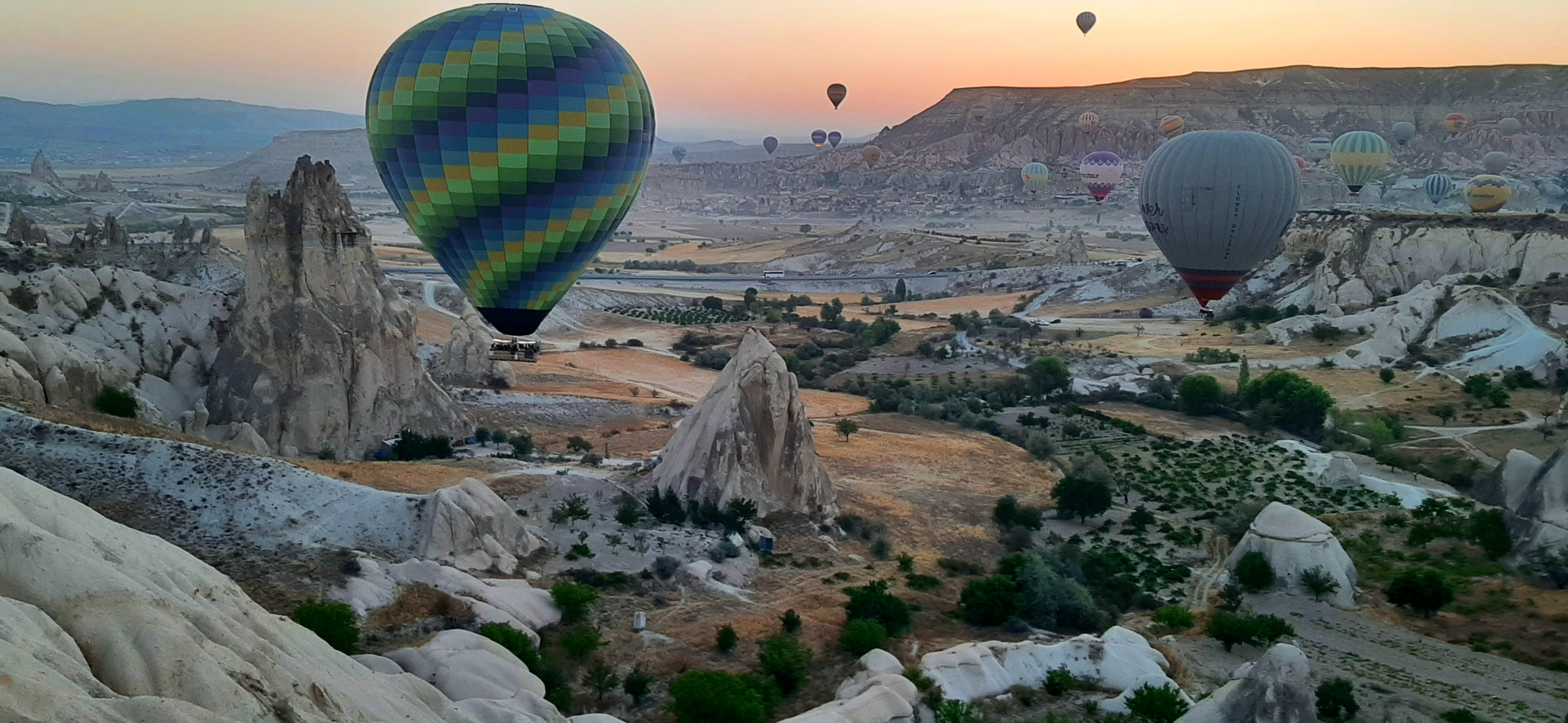
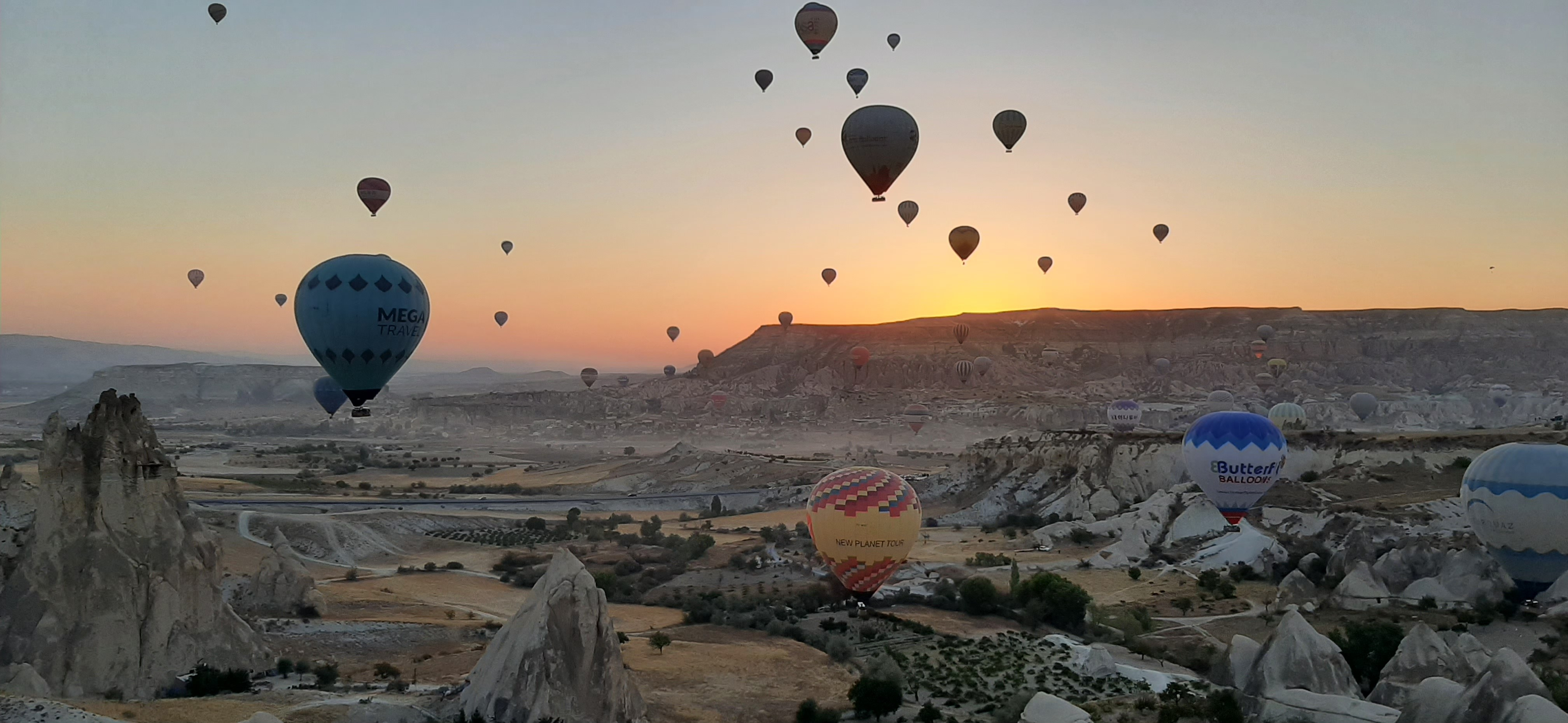
As the sun rises above the horizon, the colourful balloons slowly ascend, offering a magical view over the rock formations and the undulating landscape – truly the icing on the cake for an unforgettable morning.
Facts about Türkiye
Türkiye is situated partly in Europe and partly in Asia, and Istanbul is the only major city in the world that spans both continents. The country has a population of over 80 million, and its capital is Ankara, not Istanbul as many people believe.
Turks have a passionate relationship with football, and the sport plays a central role in everyday life throughout the country. Major clubs such as Galatasaray, Fenerbahçe, and Beşiktaş have enormous groups of supporters.
Türkiye boasts a rich cultural heritage with historic cities such as Ephesus and Troy, and it is also home to the world’s oldest city, Çatalhöyük.
The landscape varies from beautiful beaches along the Mediterranean to towering mountains and vast steppes inland.
Norwegian Vikings
Did you know that Norwegian Vikings also left their mark on Türkiye's history? In the Hagia Sophia mosque in Istanbul, you can actually find runic inscriptions, where a Norwegian Viking carved his name over 1000 years ago. This shows that Norwegians traveled far and left traces of themselves, even in the heart of old Constantinople. It's fascinating to think that our ancestors visited the same beautiful buildings that we admire today.
Basilica Cistern – underground water reservoir
The Basilica Cistern, or Basilikasisternen, is an impressive underground water reservoir in Istanbul, built in 532 AD to provide fresh water to Constantinople and the imperial palace. This historic site has been in use since the city's earliest days and through the Turkish conquest in 1453, and today it offers an exciting glimpse into the city's rich history and engineering. The Basilica Cistern is located right next to the Hagia Sophia mosque.
Hamam – Turkish bath
A visit to a Turkish bath, or hamam, is an unforgettable experience that offers a unique insight into Istanbul’s traditions and daily life. Hamams have been a central part of Turkish culture for several centuries, serving as places for both purification and socialising.
Men and women have separate sections or times, so everyone can enjoy the hamam’s warm steam, relaxing atmosphere and traditional massage. The experience is just as popular among locals as it is with visitors, and immersing yourself in the marble pools, being scrubbed with a kese and enjoying the calm is just as important as the cleanliness itself.
Included:
▪ Private transport during our stay in Turkiye
▪ 7 nights in double room / twin
▪ Togreise t/r Istanbul-Konya
▪ Half pension, breakfast included
▪ 4 lunches
▪ Four dinners
▪ Entrance fees
▪ English-speaking guides
▪ Norwegian tour leader during the tour
▪ 8 days – from 23 750 nok per person i dobbeltrom / twin
▪ Single room supplement: 2 800 nok
Not included:
▪ Flight ticket Oslo-Istanbul-Oslo must be booked by the traveller
▪ Lunch, 3 days
▪ Dinner, 3 days
The trip is initiated by Ravn Norway Ltd. It is a collaboration between tour operators in Istanbul and Konya.
Tour operators guarantee travel insurance during your stay in Turkiye – from pick-up to drop-off at the airport.
To register, please use the message box at the bottom of the page.
. . .
Sign up for Istanbul, Konya and Cappadocia!
Sign up for the tour or ask us for more information. We will respond to you shortly.
. . .

